Listen to this article
Business insurance regulations UK are essential for every entrepreneur striving to protect their assets and remain compliant with legal frameworks. As a business owner, comprehending these regulations is vital for making informed decisions that safeguard against unforeseen risks, from employee injuries to cyber threats. Types of business insurance, such as employer’s liability insurance, public liability insurance, and professional indemnity insurance, serve both critical protective functions and legal requirements. Having the right coverage not only helps mitigate financial losses but also ensures your business operates within the law, avoiding severe penalties. This guide will illuminate the intricacies of business insurance regulations and offer insights on navigating this complex landscape effectively.
Understanding the landscape of insurance laws in the UK is crucial for business owners who want to operate securely and within the bounds of the law. The term “insurance compliance” often refers to the necessity of adhering to legal standards for various types of coverage, including employer liability, public liability, and professional indemnity. Additionally, the rise of technology has introduced the need for robust cyber protection, making cyber insurance a focal point for modern businesses. With the potential consequences of failing to comply being quite severe, it is imperative that enterprises stay informed of ongoing regulatory changes. This discussion aims to clarify these insurance obligations and highlight the importance of securing the appropriate coverage for a successful business operation.
The Crucial Role of Business Insurance in the UK
Understanding the role of business insurance is paramount for business owners in the UK. Business insurance provides essential protection against various risks that may threaten operational stability. It ensures that unforeseen events, such as natural disasters, theft, or accidents, do not financially cripple the business. By having the right coverage, companies can focus on growth and innovation, knowing that they have a financial safety net.
Moreover, certain types of business insurance, such as employer’s liability insurance, are legally mandated. This type of insurance not only protects employees but also shields business owners from hefty fines and lawsuits. Thus, adequately addressing business insurance needs is not just a matter of prudence; it is a legal obligation for many companies operating within the UK.
Types of Business Insurance: Coverage Explained
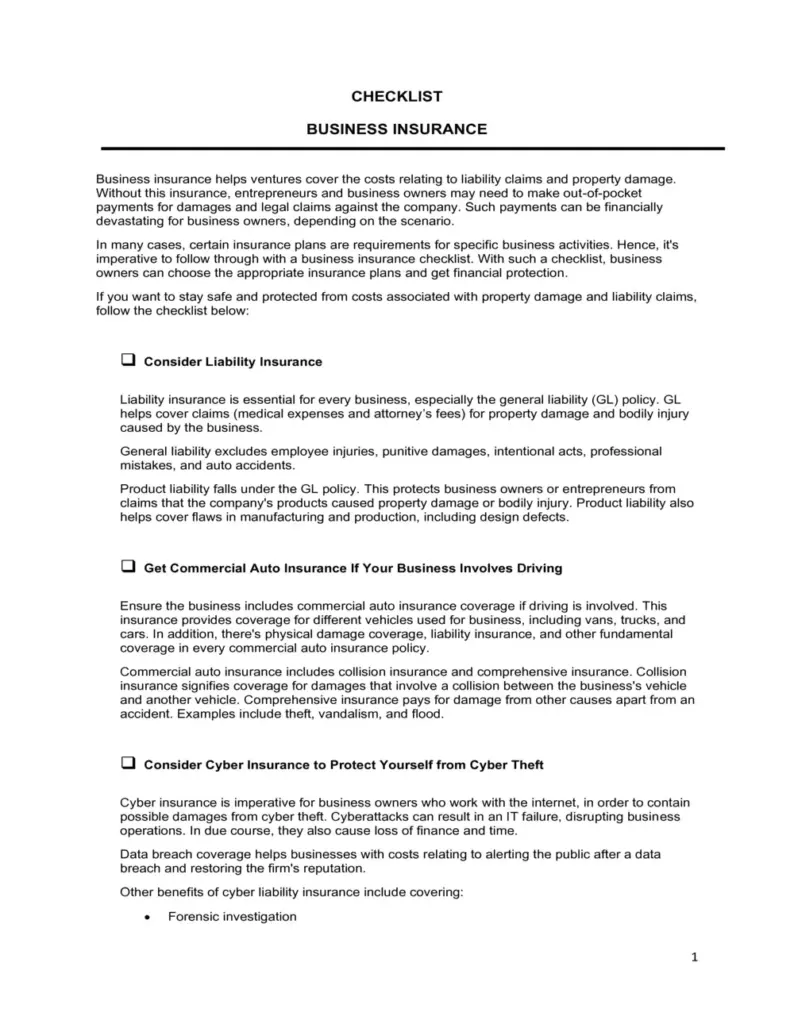
In the UK, various forms of business insurance cater to different needs. Public liability insurance, though not compulsory, is critical for businesses that face the public directly, as it protects against claims of injury or damage that could arise during business activities. On the other hand, professional indemnity insurance is vital for service-based businesses, covering legal fees and compensation claims in case of allegations of negligence.
Additionally, cyber insurance has gained prominence in the digital age, safeguarding businesses against financial losses stemming from data breaches and cyber-attacks. Awareness and understanding of these different insurance types empower business owners to choose the right policies that best fit their unique operational risks.
Navigating Business Insurance Regulations in the UK
Business insurance regulations in the UK can be complex, given the various laws and guidelines that govern the industry. Understanding these regulations, such as the Insurance Act 2015, is essential for business owners. This act mandates that both the insurer and the insured must act in good faith, promoting transparency in the insurance process. Additionally, the Employers’ Liability (Compulsory Insurance) Act 1969 highlights the legal requirement for businesses to secure employer’s liability insurance.
Furthermore, compliance with the General Data Protection Regulation (GDPR) has become increasingly important, especially for businesses handling personal data. Adhering to these regulations ensures that organizations do not just comply with the law but also engage in responsible business practices that protect their reputation and client trust.
Consequences of Non-Compliance with Insurance Regulations
In the UK, failing to adhere to business insurance regulations can lead to severe repercussions. Businesses caught without mandated insurance coverage, such as employer’s liability insurance, may face substantial fines, which can threaten their financial viability. Additionally, the risk of facing legal action from employees or third parties increases, leading to potential bankruptcy or insolvency.
Beyond financial penalties, non-compliance can severely damage a business’s reputation. Clients and customers increasingly expect organizations to operate legally and ethically. A single regulatory incident related to insurance can deter potential customers and partners, potentially impacting the business’s market position in the long term.
Choosing the Right Insurance Provider: Key Considerations
Selecting the ideal insurance provider is one of the most significant decisions for any business owner. An insurer’s reputation is critical, as it reflects reliability and efficiency in handling claims. Researching reviews and ratings can reveal insights into how providers manage their customer relations and claims processes, which is crucial during distressing times.
Additionally, assessing the coverage options is vital to ensure comprehensive protection tailored to specific business needs. Some insurers might offer policies with exclusions that could leave businesses vulnerable. Therefore, it’s crucial to thoroughly evaluate the terms of the insurance offered, balancing cost considerations with the extent of coverage to make sure the policy truly protects against potential risks.
Staying Informed About Changes in Business Insurance Regulations
Remaining compliant with evolving business insurance regulations requires continuous education and awareness. Joining industry associations can provide business owners with valuable insights into current trends and legislative updates. Networking with peers allows for the sharing of experiences and strategies in managing compliance effectively.
Legal advisories and consulting with professionals dealing with business law can further equip owners with the knowledge necessary to navigate complex regulatory landscapes. Additionally, utilizing online resources, including government websites, can reinforce understanding and ensure that businesses remain aligned with the latest requirements and best practices.
Frequently Asked Questions
What are the essential business insurance regulations UK owners should know?
Business owners in the UK must be aware of key regulations such as the Employers’ Liability (Compulsory Insurance) Act 1969, which mandates employer’s liability insurance for businesses with employees. Additionally, understanding the Insurance Act 2015 is essential, as it emphasizes good faith obligations in insurance agreements.
Is employer’s liability insurance legally required under business insurance regulations UK?
Yes, under the business insurance regulations UK, employer’s liability insurance is legally required for most businesses that employ staff. This insurance provides coverage for employee injuries or illnesses related to their work, and failure to comply can result in significant penalties.
What types of business insurance are recommended by UK regulations?
UK regulations recommend various types of business insurance, including employer’s liability insurance (mandatory), public liability insurance (highly advisable), professional indemnity insurance (for service providers), and cyber insurance (to protect against digital threats). Each type addresses specific risks associated with business operations.
How does GDPR impact business insurance regulations in the UK?
The General Data Protection Regulation (GDPR) affects business insurance regulations in the UK by necessitating compliance from businesses handling personal data. To mitigate risks from potential data breaches, businesses are advised to invest in cyber insurance as part of their overall insurance strategy.
What should business owners consider when choosing insurance providers in the UK?
When selecting insurance providers, business owners should consider the insurance company’s reputation, the range of coverage options available, and the cost of premiums. Comprehensive coverage that addresses specific business needs while ensuring reliability in claims processing is critical under UK business insurance regulations.
How can UK business owners stay updated with changes in insurance regulations?
UK business owners can stay updated on insurance regulations by joining industry associations, consulting with legal experts in insurance law, and following government websites and reputable financial news for ongoing updates. Regularly reviewing insurance policies is also essential to ensure compliance.
| Key Points | Description |
|---|---|
| Essentials of Business Insurance | Business insurance helps protect against unforeseen events and fulfills legal requirements. |
| Types of Insurance | 1. Employer’s Liability Insurance (mandatory) 2. Public Liability Insurance (recommended) 3. Professional Indemnity Insurance (advisable for service providers) 4. Product Liability Insurance (for manufacturers/sellers) 5. Cyber Insurance (for digital threats) |
| Regulatory Bodies | The Financial Conduct Authority (FCA) and Prudential Regulation Authority (PRA) oversee UK insurance regulations. |
| Key Regulations | 1. The Insurance Act 2015 2. Employers’ Liability (Compulsory Insurance) Act 1969 3. General Data Protection Regulation (GDPR) |
| Importance of Compliance | Non-compliance can lead to fines, lawsuits, and business insolvency. |
| Choosing Insurance Providers | Consider reputation, coverage options, and cost when selecting an insurer. |
| Staying Updated | Engage with industry associations, legal advisories, and online resources for updates on regulations. |
Summary
Business insurance regulations in the UK are crucial for every business owner to understand and navigate effectively. These regulations not only protect your business from unforeseen events but also ensure compliance with legal obligations. Familiarizing yourself with the types of insurance available, such as Employer’s Liability and Professional Indemnity insurance, is essential for safeguarding your enterprise. Furthermore, recognizing the role of regulatory bodies like the FCA and PRA, along with key regulations like the Insurance Act 2015, is vital in maintaining appropriate coverage and mitigating legal risks. To remain compliant and updated, consistent engagement with industry resources and professional advice is recommended.