Listen to this article
The NASA Artemis Moon landing marks a bold new chapter in humanity’s exploration of outer space, aiming to bring astronauts to the lunar surface for the first time in over fifty years. Building on the foundation laid by the NASA Artemis program, these lunar landing plans have become more ambitious, with a focus on ensuring successful missions and minimizing gaps between launches. An important Artemis II mission update reveals that four astronauts will orbit the Moon as early as April, paving the way for future landings. Furthermore, the SpaceX Starship rocket is set to play a crucial role in transporting astronauts to the Moon, showcasing the collaborative spirit of private-public partnerships in space exploration. With a comprehensive NASA Moon mission timeline unfolding, the excitement surrounding these endeavors continues to grow as we inch closer to returning to the lunar surface.
Exciting developments are underway in the realm of lunar exploration as NASA gears up for its upcoming Moon landing initiatives. The Artemis program, designed to facilitate crewed missions to the Moon, is now set for a transformative journey ahead. With the latest updates on the Artemis II mission, which involves astronauts circling our celestial neighbor, NASA is strategically enhancing its lunar exploration path. A significant highlight includes the integration of the SpaceX Starship rocket to ferry astronauts to the Moon, representing a historic partnership in space technology. As the timeline for these key lunar missions progresses, anticipation builds for the challenges and successes that lie ahead in returning humanity to the Moon.
Overview of NASA Artemis Program Enhancements
NASA is continuously working to enhance its Artemis program, introducing crucial changes to its timeline and objectives. The decision to add an extra mission prior to the anticipated lunar landings is a testament to NASA’s commitment to ensuring the safety and success of its astronauts. With the Artemis II mission scheduled to fly around the Moon in April, the focus is now on conducting tests and trials in low-Earth orbit before the crewed lunar landing planned for Artemis III in 2028. This shift acknowledges the challenges posed by previous plans, aiming for a more rigorous and methodical approach to returning humans to the Moon.
Understanding the modifications to the Artemis program is essential not only for space enthusiasts but also for industry stakeholders. The advancement of technologies and the decision to refine NASA’s Moon mission timeline will allow for a comprehensive examination of the integrated systems used in the Artemis missions. By prioritizing safety through additional preparatory flights, NASA hopes to maintain its leadership in lunar exploration and inspire confidence in the upcoming Artemis III lunar landing.
Key Updates on the Artemis II Mission: Moving Forward
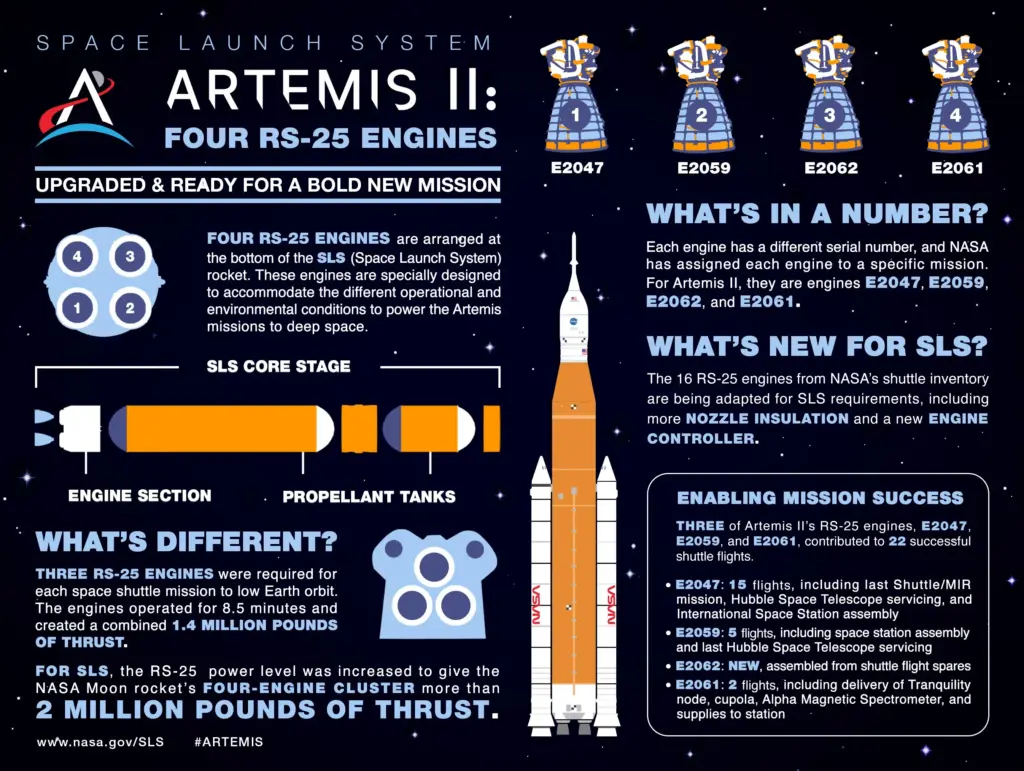
The Artemis II mission represents a significant milestone in NASA’s lunar exploration endeavors. Originally targeting a March launch, the mission experienced delays due to a helium leak in the Space Launch System (SLS) rocket. This leak prompted NASA to conduct necessary repairs before proceeding with the launch from Kennedy Space Center. The updated timeline now suggests that the earliest opportunity for launch could be in April, yet the precise date remains contingent upon the completion of technical adjustments.
These setbacks highlight the complexities involved in space missions. As the first crewed flight aimed at flying around the Moon, Artemis II is crucial for testing the systems that will ultimately support human lunar exploration. Astronauts will have the unique opportunity to navigate beyond low-Earth orbit for the first time in decades, marking a historic moment in space exploration. As such, updates on the Artemis II mission remain a focal point of interest for NASA and its stakeholders.
The Importance of Testing Technology in Low-Earth Orbit
Deploying missions to low-Earth orbit (LEO) prior to lunar landing is a pivotal strategy for NASA’s Artemis program. By allowing astronauts to test the integrated systems of both the Orion spacecraft and the lunar lander within the safety of LEO, NASA aims to mitigate risks associated with the complexities of a lunar landing. This phased approach not only ensures that astronauts are familiar with their equipment but also provides a testing ground for the technologies required for successful lunar exploration.
Furthermore, positioning the lunar mission’s groundwork in LEO before venturing beyond is a proactive approach that could enhance the efficiency of future missions. NASA administrators have expressed a desire to have suits and equipment tested in a controlled environment, which will serve to streamline eventual landings on the Moon’s surface. This meticulous preparation is essential for solidifying the credibility of NASA’s lunar landing plans and reflects a broader commitment to excellence in space exploration.
NASA’s Lunar Landing Plans Facing Challenges
Even as NASA advances its lunar objectives under the Artemis program, significant challenges remain ahead. One of the core components that has yet to be established is the lunar lander itself, paramount to the success of any Moon landing operation. Currently, SpaceX has a contract for the construction of this lander but has faced delays that have prompted NASA to seek alternatives. Simultaneously, Blue Origin is also exploring options to contribute to the lunar landing technology, reflecting a competitive landscape in the aerospace sector.
These challenges highlight the critical nature of collaboration and competition in the pursuit of lunar exploration. While NASA pushes towards a timeline aimed at achieving lunar landings by 2028, the interdependencies between different contractors represent a potential risk to the schedule. In the face of international competition, particularly from China, timely execution of NASA’s lunar mission objectives remains a priority, necessitating innovative solutions and collaborative strategies.
The Role of SpaceX Starship in the Artemis Program
The SpaceX Starship rocket plays a fundamental role in NASA’s Artemis program as the intended vehicle for transporting the lunar lander to the Moon’s surface. Designed to offer a new standard for rocket efficiency and capacity, Starship has been positioned as a centerpiece for future lunar missions. However, as delays beset the development of the Starship, NASA is exploring options to accelerate its plans, understanding the implications of these delays for its return to the Moon.
SpaceX’s advances in rocket technology present both possibilities and challenges for NASA’s Moon missions. The collaboration is expected to facilitate unprecedented access to lunar resources, enhancing the potential for scientific research and sustainable lunar presence. Nonetheless, as NASA looks to maintain its mission timeline amid these complications, the reliability and operational readiness of the Starship will be continuously scrutinized.
Competing Interests: The Race to the Moon’s South Pole
As NASA intensifies its efforts to launch the Artemis program, it must also navigate a competitive landscape marked by international aspirations. One of the most ambitious goals among space faring nations is the establishment of bases on the Moon’s south pole, where both the United States and China plan to land. This region is particularly appealing for its potential resources, such as water ice, which could support not only lunar bases but also future missions to Mars.
China’s progress towards its own lunar landing by 2030 puts additional pressure on NASA. As the race towards the Moon accelerates, concerns about geopolitical dynamics and technological advancements intensify. NASA’s focus on timely lunar landings and rigorous testing methods is crucial not merely for lunar exploration but also in ensuring the United States retains its standing as a leader in space exploration.
NASA’s Strategies to Prevent Long Gaps Between Launches
Preventing long intervals between launches is paramount for NASA’s Artemis program. By adding additional missions to the timeline, NASA’s administrator highlighted a strategic pivot aimed at ensuring continuity in space exploration endeavors. This proactive approach is designed to bolster momentum within the Artemis program, while also minimizing delays that could arise from technical setbacks or logistical challenges.
Moreover, establishing a regular cadence of launches strengthens the development of technology and crew readiness. With planned missions designed to focus on essential systems testing, NASA aims to maintain a sense of urgency and achievement in its quest for the Moon. This methodology not only facilitates NASA’s lunar ambitions, but also assures public and international confidence in the organization’s ability to deliver on its long-term vision for human exploration of space.
Preparing for Future Lunar Missions: Beyond Artemis III
As NASA paves the way for Artemis III, it is also crucial to begin preparations for subsequent lunar missions, Artemis IV and V. The experiences gained from Artemis II and III will provide invaluable insights that will shape the future of NASA’s Moon exploration initiatives. Drawing from lessons learned and potential challenges faced during these early missions will enable more informed planning and execution for later lunar landings.
Future missions beyond Artemis III are expected to capitalize on the technological advancements achieved during initial landings, potentially paving the way for sustained human presence on the Moon. Developing infrastructure to support various scientific capabilities and international collaborations will be emphasized in these endeavors, further solidifying NASA’s leadership role in lunar exploration. Overall, the successful execution of the Artemis program will lay a strong foundation for humanity’s continued exploration of the solar system.
Frequently Asked Questions
What are NASA’s Artemis Moon landing plans for the near future?
NASA’s Artemis Moon landing plans have recently evolved, including an additional mission called Artemis III, set to anchor its lunar landing efforts around 2028. Before this, the Artemis II mission will send astronauts around the Moon in April 2024, after which a crew will conduct important tests in low-Earth orbit to prepare for future landings.
What is the update on the Artemis II mission?
The Artemis II mission is currently scheduled for April 2024, where four astronauts will fly around the Moon and back to Earth. This mission has been delayed due to a helium leak found in the Space Launch System (SLS) rocket, but repairs are underway at the Kennedy Space Center in Florida.
How will the extra mission before the Artemis III lunar landing contribute to NASA’s plans?
The additional mission prior to Artemis III will allow astronauts to practice docking with a lunar lander in low-Earth orbit, reducing the risks associated with the actual lunar landings. NASA believes this step is essential for ensuring the success of future missions to the Moon.
Why did NASA change its original Artemis program strategy?
NASA altered its Artemis program strategy to avoid long gaps between missions and ensure a more direct approach to returning to the Moon. Administrator Jared Isaacman emphasized the need for a continuous testing process for the technology involved, especially with the Orion capsule and lunar lander.
What challenges is NASA facing with the lunar lander for the Artemis program?
A significant challenge for NASA’s Artemis program is the selection of the lunar lander that will transport astronauts to the Moon’s surface. Although SpaceX has a contract for the lander, delays with its Starship rocket have prompted NASA to seek alternative solutions, including proposals from other companies like Blue Origin.
What role does the SpaceX Starship rocket play in the Artemis Moon landing plans?
The SpaceX Starship rocket is set to transport the lunar lander, which will take astronauts to the Moon’s surface as part of the Artemis program. NASA is working with SpaceX to streamline plans for this critical aspect of the mission, aiming for a rapid return to the Moon.
How does the Artemis program compare to China’s lunar ambitions?
NASA’s Artemis program, which seeks to return astronauts to the Moon by 2028, is in direct competition with China’s ambitions to land on the Moon by 2030. Both nations are focusing on the Moon’s south pole for future bases, intensifying the race for lunar exploration.
What is the significance of the lunar lander selection for the Artemis III mission?
The selection of a lunar lander is crucial for the Artemis III mission as it will determine how astronauts reach the Moon’s surface. Delays in this selection process could impact the timeline for NASA’s return to the Moon and the overall success of the Artemis program.
| Key Point | Details |
|---|---|
| Artemis Program Update | NASA has added an extra mission, moving Artemis III’s lunar landing goal to 2028. |
| Artemis II Mission | Originally planned for launch in March, now delayed to April due to a helium leak. |
| Additional Low-Earth Orbit Flight | A new mission to practice docking with a lunar lander will occur before the Artemis III mission. |
| Lander Selection | NASA has not yet selected a lunar lander; SpaceX and Blue Origin are both working on proposals. |
| Competitive Pressure | NASA faces competition from China, which aims for a lunar landing by 2030. |
| Risk Reduction Strategies | Testing integrated systems in low-Earth orbit will help reduce risks for lunar missions. |
Summary
NASA Artemis Moon landing plans have shifted to ensure a successful return to the Moon. The agency introduced an extra mission focused on low-Earth orbit operations to test technologies before future lunar landings. With the Artemis II mission delayed to April, NASA is working diligently to maintain its timeline for lunar exploration despite competitive pressures from other nations. This strategic adjustment aims to enhance safety and preparedness as astronauts prepare to revisit the Moon after decades.