Listen to this article
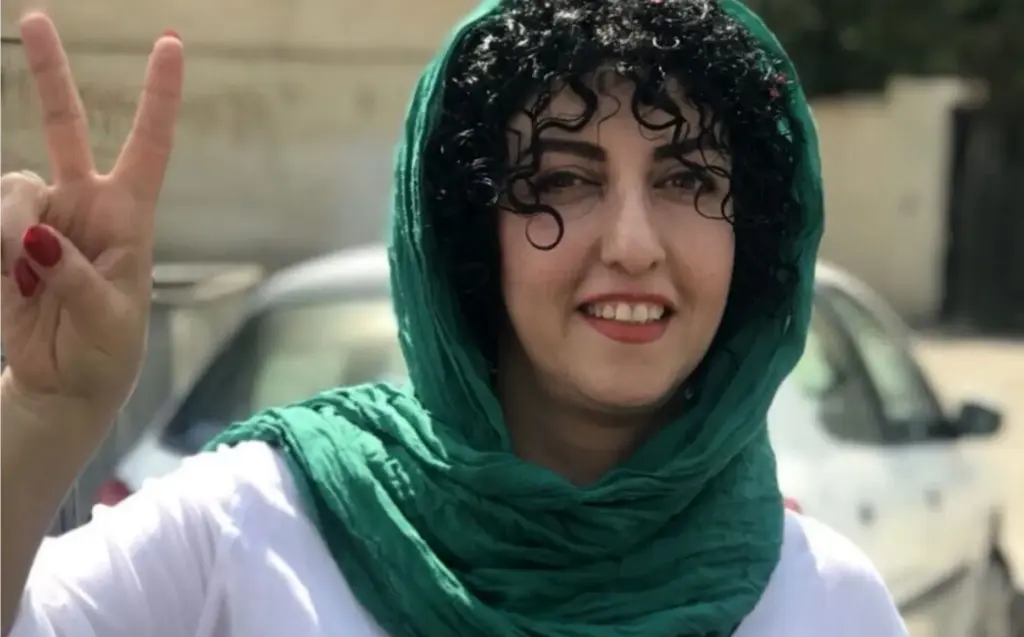
Narges Mohammadi, a prominent Iranian human rights activist and Nobel Peace Prize laureate, has once again made headlines amid her ongoing struggle for women’s rights and social justice in Iran. Recently, she was hospitalized after suffering brutal treatment during her arrest, highlighting the oppressive measures employed by Iranian authorities against activists. Over the years, Mohammadi has dedicated her life to advocating for human rights, enduring significant personal sacrifices, including over a decade in prison. Her latest arrest occurred during a memorial ceremony where she spoke out against injustice, further cementing her role as a fearless voice for the disenfranchised. With her unwavering commitment to activism in Iran, Narges Mohammadi continues to inspire many around the world to stand against oppression and fight for fundamental human rights.
Narges Mohammadi represents a beacon of hope in the fight for civil liberties and gender equality in Iran. This courageous human rights defender, who has been recognized for her tireless activism, was recently subjected to violent arrest, which underscores the perilous landscape for those opposing the Iranian government’s actions. Known for her relentless pursuit of justice, Mohammadi has faced numerous challenges, including lengthy prison sentences and harassment from state entities. As the international community rallies in support of her cause, the focus on women’s rights and human dignity in Iran is brought to the forefront of global discussions. This situation not only sheds light on the grim realities faced by activists but also emphasizes the urgent need for reform and protection of human rights within the country.
The Human Rights Struggle in Iran
Iran has faced significant challenges regarding human rights for decades, with reports of widespread abuses by the Iranian authorities. The crackdown on dissent, especially regarding women’s rights and freedom of speech, has been a core issue. Activists and organizations continue to shed light on the harsh realities faced by those who dare to speak out or demand change. This environment of intimidation has led to increased awareness internationally, putting pressure on the Iranian government to reform its human rights record.
Recent developments have amplified the urgency of this issue, particularly in the wake of brutal crackdowns on peaceful protesters and human rights defenders. The international community’s attention on Iran’s human rights practices has become even more critical, as activists like Narges Mohammadi continue to fight for basic rights under extremely perilous conditions. Her efforts exemplify the courage of many Iranian citizens advocating for justice and equality in a society plagued by repression.
Narges Mohammadi: A Beacon of Hope
Narges Mohammadi has emerged as a symbol of resistance against oppression in Iran. The Nobel Peace Prize winner’s tireless activism highlights the plight of women facing systemic discrimination and abuse. Despite facing imprisonment and brutal treatment, Mohammadi’s commitment to human rights remains unshaken, inspiring countless individuals both within Iran and globally to join the fight for justice. Her recent arrest and hospitalization after a violent crackdown serve as a somber reminder of the lengths to which Iranian authorities will go to silence dissenters.
Through her work as the vice-president of the Defenders of Human Rights Center, Mohammadi has brought attention to critical issues surrounding female oppression and the systemic injustices faced by marginalized communities in Iran. Her international recognition by winning the Nobel Peace Prize underscores the growing acknowledgment of her contributions to human rights activism. Mohammadi’s story encapsulates the struggles faced by many in the region, affirming the urgent need for continued advocacy and support from the international community.
Iranian Authorities and Human Rights Violations
Iranian authorities have consistently denied allegations of human rights violations, despite numerous reports from credible organizations detailing systemic abuses. The government has often responded to such claims with defiance, asserting that their actions are necessary to maintain stability and security. However, the evidence of state-sanctioned violence against peaceful protesters and activists, such as the recent assault on Narges Mohammadi, paints a grim picture of the reality on the ground. These actions not only constitute violations of human rights but also reflect a broader strategy to suppress dissent and control the narrative within the country.
These human rights violations have drawn international condemnation, with calls for accountability from global leaders and organizations. The Iranian government’s lack of transparency and resistance to reform only intensifies the scrutiny and pressure they face on the world stage. Activists and defenders of human rights continue to put themselves at great risk in their efforts to hold the government accountable and demand justice, emphasizing that the struggle for freedom in Iran is far from over.
The Impact of Narges Mohammadi’s Activism
Narges Mohammadi’s activism has significantly impacted the global discourse on human rights, particularly in relation to women’s rights in Iran. Her relentless pursuit of justice not only challenges the Iranian regime but also mobilizes support from international communities and organizations. By highlighting the plight of oppressed women and political prisoners in Iran, Mohammadi draws attention to the intersection of gender and human rights, advocating for a fundamental shift in societal norms and policies.
The recognition of her efforts through the Nobel Peace Prize reinforces the importance of courageous activism in the face of adversity. Mohammadi’s story resonates with many who aspire to challenge oppressive systems worldwide, encouraging a unified response against tyranny. As she continues her fight from behind bars, her legacy inspires a new generation of activists to stand firm in their convictions and advocate for the rights of all individuals, especially women facing systemic injustices.
International Reaction to Mohammadi’s Arrest
The international reaction to Narges Mohammadi’s arrest has been swift and condemning, highlighting the global community’s solidarity with Iranian human rights defenders. Organizations such as the Norwegian Nobel Committee have voiced their concerns regarding the brutal treatment of Mohammadi and have pressed for her immediate release. This attention not only seeks justice for her but also amplifies the broader message about the dangers faced by activists in Iran, showcasing a united front against the injustices perpetrated by the Iranian authorities.
High-profile figures from various sectors, including filmmakers and other activists, have joined the call for Mohammadi’s release, further drawing attention to the dire human rights situation in Iran. The collective outcry demonstrates a commitment to uphold human rights and the vital role that international pressure plays in advocating for change. Support for Mohammadi symbolizes a recognition of the sacrifices made by those who challenge oppressive regimes and a reaffirmation of the global commitment to protect individuals fighting for freedom and equality.
The Role of Women in Iran’s Activism
Women in Iran have been at the forefront of activism, challenging oppressive systems and advocating for their rights despite systemic backlash. Narges Mohammadi’s efforts exemplify the strength and resilience of these women who stand against severe restrictions placed upon them. Their activism often intertwines with broader human rights issues, highlighting the need for reform in various aspects of Iranian society. This fight for women’s rights is not merely limited to gender equality but also encompasses freedom of expression, political participation, and social justice.
The grassroots movements led by Iranian women serve as a critical foundation for societal change, inspiring both domestic and international audiences. Their courage in the face of adversity resonates with the global fight for gender equality, drawing vital connections between local struggles and the worldwide human rights campaign. The experiences of these activists underscore the importance of amplifying their voices and advocating for policies that support gender equality in Iran and beyond.
Calls for Accountability in Iran
The urgent need for accountability within the Iranian government has become increasingly evident, particularly following violent incidents involving activists such as Narges Mohammadi. The lack of transparency surrounding her arrest and the alleged human rights violations raises serious concerns about the rule of law in Iran. International bodies and human rights organizations have been vocal, urging the Iranian government to uphold its commitments to human rights and investigate abuses responsibly. Such accountability is necessary not only for the victims but for establishing a framework for justice and reform in Iran.
Activists continue to emphasize the importance of international pressure to hold the Iranian authorities accountable for their actions. The active involvement of global leaders and organizations in this dialogue can create pathways for dialogue and potential reforms. Encouraging accountability is crucial for fostering a culture of respect for human rights in Iran, reinforcing the message that abuses will not go unnoticed or unpunished. As the world watches, the need for an effective response to human rights violations in Iran has never been more critical.
The Role of Global Advocacy in Iranian Human Rights
Global advocacy plays a pivotal role in addressing human rights violations in Iran, particularly in light of recent events surrounding activists like Narges Mohammadi. International coalitions, human rights organizations, and concerned citizens have utilized platforms to raise awareness regarding the situation in Iran and call for international action. The pressure exerted by these global movements can influence Iranian authorities to reconsider their approaches to dissent and human rights, promoting dialogue and potential reforms.
The mobilization of activists and organizations worldwide amplifies the voices of those within Iran, fostering a crucial sense of solidarity across borders. This interconnectedness in advocacy helps ensure that the plight of Iranian citizens is not forgotten, further legitimizing the struggle for freedom and justice. As crimes against humanity continue to occur in Iran, the collaboration of global actors becomes essential in creating meaningful change and supporting those fighting for their inherent rights.
The Future of Women’s Rights in Iran
The future of women’s rights in Iran hinges on the continued activism of brave individuals like Narges Mohammadi, alongside the global support for their efforts. As Iranian women continue to confront deep-rooted systemic challenges, the fight for their rights becomes increasingly critical in shaping the nation’s socio-political landscape. The potential for change relies not only on local grassroots movements but also on international advocacy and solidarity that can empower women to demand their rights and challenge oppressive norms.
Increasing awareness surrounding women’s rights issues in Iran has the potential to foster a transformative environment where advocating for change is met with international support. The narratives created by activists reveal a pressing need for solidarity on a wider scale, as allies worldwide stand firm in their commitment to gender equality. Ultimately, the future of women’s rights in Iran depends on the resilience of activists, the responsiveness of the international community, and the unwavering pursuit of justice.
Frequently Asked Questions
What are the recent developments regarding Narges Mohammadi’s health after her arrest in Iran?
Narges Mohammadi, a prominent human rights activist in Iran, was hospitalized following severe physical assault during her arrest by plainclothes agents. According to reports from her family, she was taken to the emergency department twice due to injuries inflicted by repeated blows to her head and neck. Her current health condition remains concerning, as she was described as unwell during a recent phone call.
Why was Narges Mohammadi detained by Iranian authorities?
Narges Mohammadi was detained by Iranian authorities for allegedly making ‘provocative remarks’ during a memorial ceremony in Mashhad. This incident highlights the Iranian government’s continued repression of dissent, particularly against activists advocating for women’s rights and human rights in Iran.
What recognition has Narges Mohammadi received for her activism in Iran?
In 2023, Narges Mohammadi was awarded the Nobel Peace Prize for her unwavering commitment to advocating against female oppression in Iran. This prestigious recognition underscores her significant contributions to human rights activism and highlights the ongoing struggles faced by women under the Iranian regime.
What can be said about Narges Mohammadi’s activism against women’s rights in Iran?
Narges Mohammadi’s activism centers on fighting for women’s rights and broader human rights in Iran. As the vice-president of the Defenders of Human Rights Center in Iran, she has worked tirelessly to expose human rights abuses and promote equality, often at great personal risk, having spent over a decade imprisoned for her efforts.
How has the international community responded to Narges Mohammadi’s arrest?
The international community, including the Norwegian Nobel Committee, has condemned Narges Mohammadi’s arrest as brutal and called for her immediate and unconditional release. Numerous activists and public figures, including filmmaker Jafar Panahi, have rallied for her safety, emphasizing the dire state of human rights and freedom in Iran.
| Key Points | Details |
|---|---|
| Narges Mohammadi’s Arrest | Detained for making provocative remarks at a memorial in Mashhad. |
| Hospitalization | Transferred to emergency department twice after being beaten by plainclothes agents. |
| Accusations Against Mohammadi | Accused of collaborating with Israeli government; denied all allegations. |
| Reaction from Authorities | No official comments made by Iranian authorities regarding her condition or situation. |
| Support for Mohammadi | Nobel Committee and several activists calling for her release, urging for her safety. |
| Background | Nobel Peace Prize winner; spent over ten years imprisoned for activism in Iran. |
| Brutal Attack Details | Eyewitnesses reported about 15 agents involved in the attack during the memorial. |
| Condition During Call | Informed family her physical state was poor; severe pain from the beating. |
| Joint Statements | Jafar Panahi and others released a statement criticizing the lack of accountability. |
Summary
Narges Mohammadi’s situation highlights the ongoing struggles for human rights in Iran. As a renowned activist and Nobel Peace Prize recipient, her recent experiences of violence and unjust detention underscore the urgent need for global awareness and intervention. The calls for her release, backed by various international bodies and activists, serve as a reminder of the importance of protecting those who bravely stand against oppression.