Listen to this article
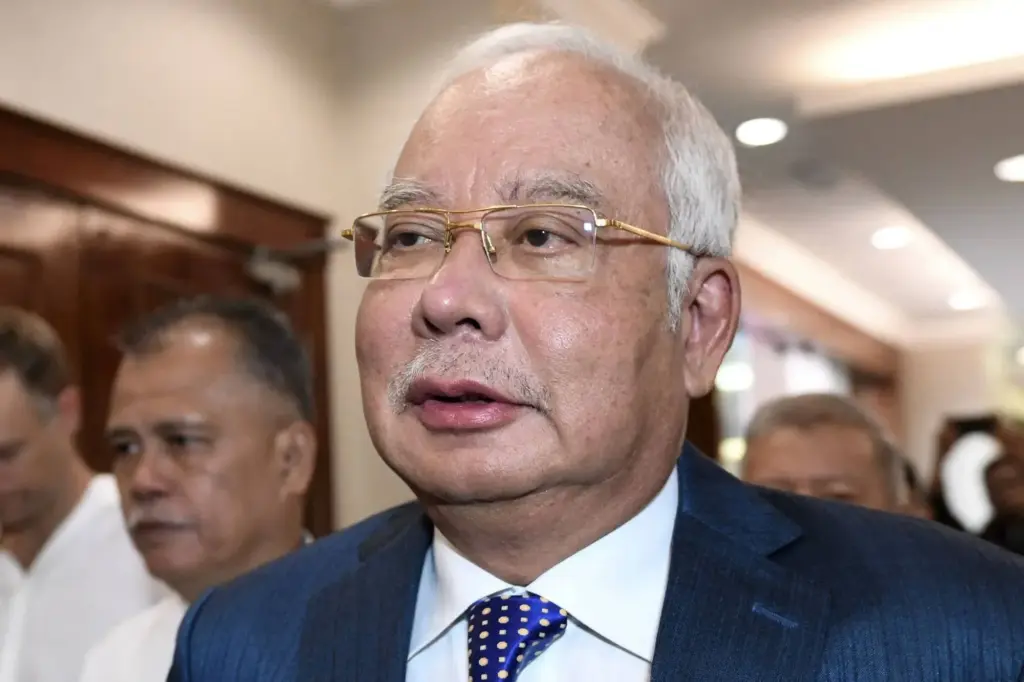
The Najib Razak 1MDB verdict marks a pivotal moment in Malaysian politics, as the former Prime Minister faces the consequences of his involvement in one of the world’s largest financial scandals. Sentenced to 15 years in prison for a combination of abuse of power and money laundering, Najib’s case has unveiled the dark underbelly of corruption that plagued the 1Malaysia Development Berhad (1MDB) fund. This ruling, which follows years of legal turmoil featuring 76 witnesses, has reignited discussions about the scandal’s impact on political integrity in Malaysia. With Najib already serving a six-year sentence from a previous conviction tied to the same 1MDB scandal, the verdict highlights a relentless pursuit of accountability in a country grappling with a deep-seated culture of corruption. As public interest grows, the verdict serves not only as a legal milestone but also as a crucial indicator of the future trajectory of Malaysian politics.
The ruling against Najib Razak in the 1MDB case underscores a significant shift in the landscape of Malaysian governance, as the former leader navigates the fallout from widespread allegations of financial misconduct. Dubbed a corruption trial of epic proportions, this case has drawn global scrutiny and brought to light the intricate web of money laundering that entwined elite players in the country. In recent years, the 1MDB saga has come to symbolize the deep-rooted corruption issues that continue to challenge Malaysia’s political fabric. As Najib faces his sentencing, the repercussions extend beyond his personal fate, signaling to current and future politicians the imperative of transparency and ethical conduct in public service. This highly publicized verdict revitalizes calls for reform and accountability amid enduring concerns about the political repercussions of corruption in the nation.
The Implications of Najib Razak’s 1MDB Verdict
The recent 15-year sentence of former Malaysian Prime Minister Najib Razak for abuse of power and money laundering underscores the profound implications of the 1MDB verdict in Malaysian politics. This landmark decision not only symbolizes justice in a case marked by allegations of massive corruption but also reflects a significant shift in the political landscape of Malaysia. For years, the 1MDB scandal cast a long shadow over the nation, fostering a climate of mistrust towards political leaders and institutions. With Najib’s conviction, many hope for a renewed commitment to tackling corruption and restoring faith in the Malaysian government.
Furthermore, the 1MDB scandal and its aftermath have led to widespread reforms in governance and legal accountability in Malaysia. It serves as a wake-up call for politicians and public officials to adhere to ethical standards and combat systemic corruption. The ruling also resonates with Najib’s supporters and opponents alike, indicating that the judiciary’s stance against unethical practices will not waver. The implications of this verdict reach beyond Najib himself, as it sets a precedent for future trials of corrupt officials and encourages citizens to hold their leaders accountable.
Corruption Trials and Political Accountability in Malaysia
Corruption trials, such as that of Najib Razak, play a crucial role in establishing political accountability in Malaysia. The public’s response to these trials can significantly influence the political landscape, shaping voters’ perceptions of integrity within the government. With the 1MDB scandal being one of the largest financial frauds in history, it has highlighted the urgent need for Malaysia to address issues of governance, transparency, and accountability. Citizens are increasingly demanding a system where corrupt actions are met with appropriate legal consequences, ensuring that no leader is above the law.
The verdict against Najib signals a critical moment in Malaysian history where the judicial system stands firm against potentially corrupt practices. Supporters of anti-corruption efforts, such as Cynthia Gabriel from the Center to Combat Corruption and Cronyism, emphasize that such rulings should lead to a deeper commitment to tackling corruption at all levels of governance. As Malaysia strives to recover from the fallout of the 1MDB scandal, the continual prosecution of corrupt individuals will encourage a new political culture focused on integrity, transparency, and social justice.
The Role of International Investigations in the 1MDB Scandal
The global implications of the 1MDB scandal have not gone unnoticed, with several international investigations underway highlighting the significant involvement of foreign entities. High-profile figures from investment banks like Goldman Sachs and various international stakeholders have been linked to the illicit activities surrounding the misappropriation of funds. These investigations reveal a complex web of financial misdeeds that cross borders, contributing to the recognition of corruption as a global issue that requires collective action. Understanding the international dimensions of the 1MDB scandal is essential for comprehending the entire narrative of corruption surrounding Najib Razak.
The cooperation of different nations in prosecuting those involved in the 1MDB scandal reflects a growing acknowledgment that financial crime knows no boundaries. With billions of dollars allegedly siphoned into personal accounts, the role of international regulators and law enforcement agencies becomes critical. The ongoing efforts to trace and recover stolen assets underscore the message that corruption will not be tolerated and that accountability is a collaborative endeavor. This approach not only aids in seeking justice for Malaysia but also reinforces the international community’s commitment to combating global corruption.
Najib Razak’s Defense and the 1MDB Case
In response to the allegations against him, Najib Razak’s defense has relied heavily on the claim that he was misled by advisers regarding the nature of the funds associated with 1MDB. His assertion that the money he received was a donation from the late Saudi King Abdullah underscores the complexities involving high-level political relationships and financial transactions. This narrative, however, was dismissed by the court, as it was deemed insufficient to exonerate him from the extensive charges of corruption and money laundering. The legal arguments presented reveal the difficulties of defending against pervasive allegations in such high-stakes cases.
Najib’s defense team faced significant challenges in a case characterized by overwhelming evidence against him. With multiple witnesses testifying to the systematic abuse of power and financial mismanagement stemming from the 1MDB fund, the court ultimately decided that the public interest warranted a firm ruling against his actions. This case represents a pivotal moment not only for Najib but for Malaysia, as it emphasizes the necessity of clear accountability in governance. By scrutinizing influences and responsibilities surrounding high-ranking officials, the 1MDB trial raises important questions about the integrity of political power and the importance of ethical leadership in Malaysia.
The Future of Malaysian Politics Post-1MDB Verdict
As Malaysia moves forward after the landmark 1MDB verdict, the political landscape is poised for potential transformation. The sentencing of Najib Razak has sparked conversations about the future direction of Malaysian politics, particularly in the realm of corruption and governance. There is a growing expectation among citizens that new leaders will emerge with a commitment to integrity and transparency, breaking away from the culture of corruption that has plagued the nation for years. The public’s demand for change could lead to a new wave of political reform, reshaping the way governance is approached in Malaysia.
Moreover, the fallout from the 1MDB scandal may pave the way for increased civic engagement and activism, as citizens become more vigilant about holding political figures accountable. The Malaysian electorate may begin to prioritize anti-corruption measures and good governance when making electoral choices, signifying a shift in public sentiment. With the close watch on political developments following Najib’s conviction, Malaysia stands at a crossroads where the potential for reform and accountability could significantly alter its political trajectory for the better.
Global Response to the 1MDB Scandal
The international community’s reaction to the 1MDB scandal has been one of concern and outrage, prompting global discussions on financial ethics and accountability. The staggering amount of money involved is a testament to the need for stricter regulations surrounding political financing and corporate governance worldwide. The implications of the scandal transcend Malaysian borders, engaging various nations and international regulatory bodies to scrutinize the practices that allowed such a massive breach of trust to occur. The global response highlights an increasing awareness that corruption is not merely a domestic issue but a matter of international concern.
As countries work towards combating corruption, lessons from the 1MDB scandal are critical in formulating more robust legal frameworks and cooperative efforts to prevent similar occurrences in the future. International cooperation in financial investigations and prosecutions can ensure that corrupt leaders and their accomplices face justice, regardless of where they attempt to hide. This collective commitment among nations to eliminate corruption sets the stage for a more accountable global financial system, where the scandals of the past serve as a warning against future abuses of power.
Civic Engagement in the Wake of the 1MDB Verdict
The verdict against Najib Razak has ignited a renewed sense of civic engagement among Malaysians, with citizens increasingly vocal about the need for accountability and transparency in government. Many have taken to social media and protests to advocate for reforms and to express their expectations for future leaders. This surge in public interest and activism is indicative of a generation that demands a break from the corrupt practices that have long plagued their nation. The public’s desire for change could potentially reshape Malaysia’s political landscape and enhance democratic participation.
Additionally, civic organizations and watchdogs are becoming more active, aiming to monitor political activities and ensure compliance with ethical standards. The societal push for accountability following the 1MDB verdict represents a vital step toward fostering a culture that values honesty in governance. With increased awareness and mobilization, the Malaysian populace is well-positioned to challenge any remnants of corruption that may threaten their democracy, establishing a precedent for future administrations to follow.
Challenges Ahead for Najib and His Political Supporters
Following the harsh penalties imposed on Najib, his political supporters face significant ideological challenges in defending his legacy. The 1MDB scandal fundamentally altered public perception, creating a divide among those who still believe in Najib’s innocence and those who view him as a symbol of corruption in Malaysian politics. His loyal base continues to argue that he is the victim of a politically motivated persecution, complicating the efforts of his supporters to navigate the fallout from the scandal.
Furthermore, the political repercussions of the 1MDB case extend to Najib’s entire party and coalition. The verdict served as a wake-up call, revealing the urgent need for reform and greater transparency within political circles. The challenge now is for Najib’s supporters to redefine their political strategy to address the changing attitudes among the electorate who demand accountability. The push for reform may further polarize Najib’s supporters and opponents, indicating a significant shift in the dynamics of Malaysian politics moving forward.
Lessons Learned from the 1MDB Scandal
The 1MDB scandal serves as a crucial learning opportunity not only for Malaysia, but for nations globally grappling with issues of corruption and political accountability. It has highlighted the dangers of unchecked power and the intricate relationships that can lead to systematic financial misappropriation. Governments must prioritize frameworks that prevent such abuses and promote ethical governance. The lessons learned from this scandal can aid in establishing better regulatory practices to ensure similar situations do not recur in future.
Moreover, the global spotlight on the scandal emphasizes the interconnectedness of financial systems and the need for international cooperation in combating corruption. Countries must collaborate to develop stringent laws and practices that protect public funds from being exploited by corrupt leaders. The accountability established through the 1MDB verdict not only marks a significant win for Malaysia’s fight against corruption but also sets a precedent for actions on a global scale, urging nations to undertake comprehensive reforms aimed at enhancing transparency and governance within political systems.
Frequently Asked Questions
What is the latest Najib Razak 1MDB verdict?
The latest Najib Razak 1MDB verdict resulted in him being sentenced to 15 years in prison for abuse of power and money laundering, stemming from his involvement in the 1Malaysia Development Berhad (1MDB) scandal.
How many charges did Najib Razak face in the 1MDB scandal?
Najib Razak faced a total of 25 charges related to the 1MDB scandal, including four counts of abuse of power and 21 counts of money laundering, which he was found guilty of in his recent trial.
What are the implications of the Najib Razak 1MDB verdict for Malaysian politics?
The Najib Razak 1MDB verdict has significant implications for Malaysian politics, highlighting the consequences of corruption. It played a role in the downfall of Najib’s Barisan Nasional coalition and serves as a cautionary tale for future political leaders.
What was the amount involved in Najib Razak’s 1MDB misconduct?
Najib Razak was accused of misappropriating nearly 2.3 billion Malaysian ringgit (approximately $569 million) from the 1MDB fund, which has been at the center of a massive corruption trial.
What legal proceedings led to Najib Razak’s 1MDB conviction?
The legal proceedings against Najib Razak involved seven years of investigations and hearings, utilizing testimonies from 76 witnesses, ultimately leading to his conviction and sentencing in the context of the 1MDB corruption trial.
Is Najib Razak still pursuing legal options after his 1MDB verdict?
Yes, despite the recent 1MDB verdict, Najib Razak has expressed intentions to appeal his conviction and sentences while also seeking alternative arrangements like house arrest.
How does Najib Razak’s 1MDB verdict affect his previous convictions?
The 1MDB verdict adds to Najib Razak’s previous legal issues; he is already serving a six-year sentence from an earlier case related to embezzlement involving SRC International, another entity tied to 1MDB.
Who are some other key figures involved in the 1MDB scandal with Najib Razak?
Other key figures involved in the 1MDB scandal include financier Jho Low, who remains at large, as well as various high-profile individuals connected through financial dealings, including those tied to Goldman Sachs.
What defense did Najib Razak use concerning his 1MDB funding?
Najib Razak’s defense claimed that the funds received from 1MDB in 2013 were actually donations from the late Saudi King Abdullah, a claim that the judge ultimately rejected during the trial.
What has been the public response to Najib Razak’s 1MDB verdict?
Public response to Najib Razak’s 1MDB verdict has been mixed, with some supporters claiming political persecution while others view the verdict as a necessary step towards addressing corruption in Malaysian politics.
| Key Points | Details |
|---|---|
| Verdict | Najib Razak sentenced to 15 years for abuse of power and money laundering. |
| Misappropriation Amount | Najib misappropriated nearly 2.3 billion Malaysian ringgit ($569 million) from 1MDB. |
| Legal Proceedings | Seven years of legal proceedings involved 76 witnesses contributing to the case. |
| Previous Sentences | Najib is already serving a 6-year sentence from a prior conviction related to 1MDB. |
| Criminal Charges | Found guilty of 4 counts of abuse of power and 21 counts of money laundering. |
| Defense Argument | Najib claimed he was misled by advisers, including financier Jho Low, who remains at large. |
| Political Impact | The 1MDB scandal led to the defeat of Najib’s coalition in the 2018 election. |
| Public Reaction | Supporters believe Najib is a victim of political persecution; mixed reactions followed his house arrest request denial. |
| Future Outlook | Concerns over corruption persist, with calls for progress in anti-corruption measures following the scandal. |
Summary
The Najib Razak 1MDB verdict marks a significant chapter in the saga of Malaysia’s most infamous corruption scandal. The court’s decision to impose a 15-year prison sentence for Najib on charges of abuse of power and money laundering underscores the gravity of his actions concerning the 1Malaysia Development Berhad (1MDB) fund. This outcome not only reflects the lengthy and complex legal battle that has ensued since the scandal’s inception but also highlights the broader implications for Malaysian politics and governance. As Najib appeals these convictions and remains imprisoned amid a political climate of contention, the ongoing discussions surrounding corruption in Malaysia are likely to shape future political dynamics and anti-corruption efforts.