
Listen to this article
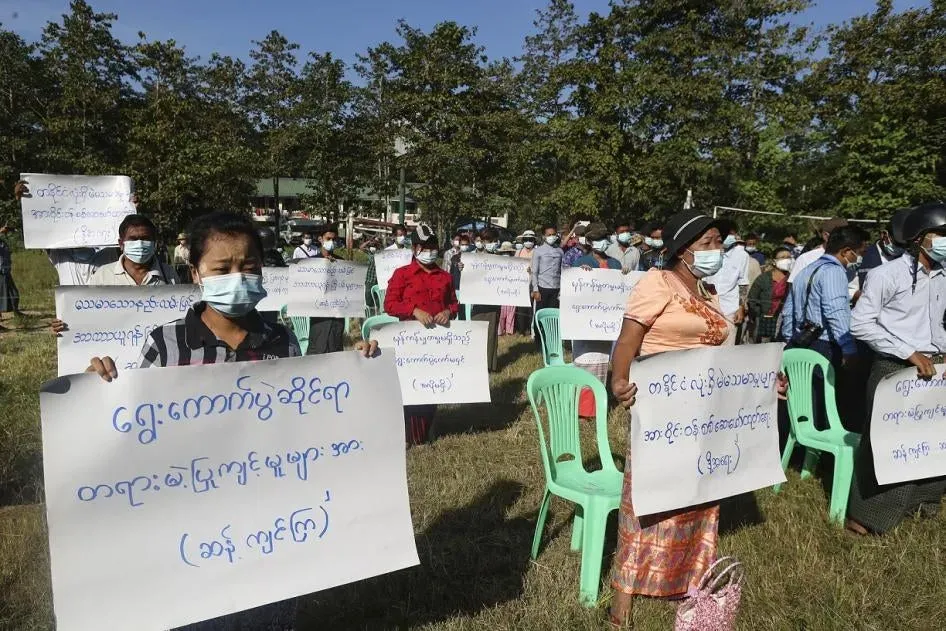
In Myanmar, the shadow of election intimidation looms large as citizens brace for a contentious poll orchestrated by military rulers. Scheduled for December 28, the election is marred by fear, with many residents fearful of speaking openly about their discontent or opposition to the regime. The military’s grip on power has led to a devastating civil war, casting a dark pall over Myanmar politics and stifling democratic aspirations. Intimidation tactics employed by the junta create a treacherous environment for voters, forcing many to question the legitimacy of the election process itself. With the country’s most popular party dissolved and active repression of dissent, the upcoming election appears nothing more than a facade of democracy, overshadowed by the pervasive atmosphere of intimidation in Myanmar.
As Myanmar prepares for its scheduled election, concerns about electoral integrity and democratic values heighten due to pervasive coercion tactics employed by the ruling military junta. This upcoming vote is seen by many as a mere political charade, further exacerbated by a climate of fear that suffocates open political discourse. With ongoing civil unrest and a society grappling with the aftermath of the military coup, the reality of freedom of expression remains bleak. The regime’s aggressive strategies to suppress dissent and manipulate the electoral landscape paint a troubling picture of governance and civil rights in the nation. In this challenging atmosphere, the authenticity of voter sentiments becomes increasingly uncertain, raising alarms about the future of governance and civil liberties in the region.
Understanding Myanmar’s Intimidation Tactics in Election Year
In the lead-up to the December election, intimidation tactics employed by Myanmar’s military rulers have instilled fear among the populace, undermining the integrity of the electoral process. The ruling junta is determined to maintain control amid widespread dissent, using coercive strategies to ensure compliance. Reports have surfaced of military intelligence officers surveilling election rallies, creating an atmosphere where even pro-government supporters hesitate to express their views. This climate of fear has left many citizens feeling trapped; they understand that speaking out could have dire consequences. For many, the pressures are heightened as Myanmar’s political landscape is steeped in a history of brutality against dissenters.
Moreover, the military junta’s recent laws further constrain freedom of expression, criminalizing activities deemed hostile to the electoral process. Citizens are acutely aware of the repercussions they might face for even the most innocuous comments. With dissent met with severe legal implications and possible violence, the public remains cautious, navigating a maze of fear and oppression while contemplating their participation in a flawed electoral system. This culture of intimidation not only stifles dissent but also complicates the already tumultuous relationship between Myanmar’s civil society and its military rulers.
Myanmar Elections: A Sham Cloaked in Security
With the military’s years-long rule drawing scrutiny, the upcoming elections are being dismissed by locals and international observers alike as a mere facade. The National League for Democracy (NLD) has been dismantled, and Aung San Suu Kyi is imprisoned, leading to claims that this election lacks legitimacy from the very start. What could have been a chance for political renewal is instead shrouded in military tactics aimed at ensuring a predetermined outcome favorable to the Union Solidarity and Development Party (USDP). The junta’s refusal to hold elections in areas affected by conflict adds to the disillusionment surrounding this electoral process.
The perception of these elections as a sham is further inflated by the tight censorship mechanisms in place. It is notable that those who dared to voice their discontent regarding the elections faced a barrage of intimidation from military forces. The public sentiment foreshadows apathy or hostility towards the electoral process, as many citizens, feeling no genuine sense of choice, have resolved to vote out of fear rather than conviction. This disheartening scenario raises disconcerting questions about the future of democracy in Myanmar and whether the military’s ambitions for a diluted form of legitimacy can actually take root.
Civil War and Its Impact on Myanmar’s Political Landscape
The ongoing civil war in Myanmar has irrevocably altered the political landscape and complicated the prospect of a free and fair election. With armed resistance groups gaining strength across the nation, the military is aggressively seeking to regain control of territories that have recently been liberated from its grip. This violent tug-of-war has seen countless civilians caught in the crossfire, leading to a humanitarian crisis that looms larger than the impending elections. The specter of violence has led many to believe that voting will not only be fraught with danger but largely meaningless given the context of ongoing conflict.
This continuous struggle reduces the electoral process to a charade for much of the civilian population. Many individuals have explicitly stated they will not be participating in what they perceive as a futile exercise in democracy. Instead, they yearn for an end to the violence and a restoration of a real democratic process. The dire plight of those living under siege and the overwhelming yearning for peace cast shadows on the electoral agenda set by the military rulers. It’s a telling reminder that in a nation where civil war reigns, meaningful governance is an unattainable goal.
The Role of the International Community in Myanmar Elections
As the December elections approach, the role of the international community has shifted under the realization that Myanmar’s military rulers will not be swayed by gentle admonitions. Countries like China have positioned themselves as tacit supporters of the junta, providing much-needed military and financial assistance, which emboldens the regime amid external pressures. At the same time, other nations have condemned the military’s actions, yet concrete steps toward facilitating a genuine shift in Myanmar’s democratic trajectory remain obscure. The lack of coordinated international action raises questions about the effectiveness of global diplomacy in fostering change within oppressive regimes.
Critics argue that the international community needs to adopt a more robust stance, perhaps imposing more significant sanctions or intervening diplomatically to highlight human rights violations. However, the solution is complicated by geopolitical interests, particularly for neighboring states that prefer stability over democratic reform. In this labyrinthine political situation, the voice of Myanmar’s oppressed populace remains drowned out amid the international discourse, and their call for support and solidarity continues to go unheeded.
Public Sentiment Facing Myanmar’s Elections
Public sentiment in Myanmar is starkly divided as the nation approaches what many consider to be an illegitimate election. Many citizens are keenly aware of the military’s violent history and the deep scars left by years of oppression. Despite the wariness, there exists a significant number among the population who feel coerced into voting, believing that abstaining could incite punishment or retaliation. The pervasive atmosphere of fear is exacerbated by tightening restrictions on discourse surrounding the elections, leading to citizens being forced into silence even in their fervent dissent. This results in a climate where legitimate political engagement is neither encouraged nor safe.
Amidst this backdrop, there are those who still dare to voice their opinions, emphasizing the need for justice and genuine representation. Many express disillusionment with the entire electoral process, characterizing it as a mere formality. The feeling of hopelessness is palpable among communities that suffered immense losses due to military actions during the civil war. As they contemplate whether to participate in the elections, many ponder the ultimate futility of casting a ballot in a process designed by a military regime intent on maintaining its grip on power.
Military Tactics to Suppress Dissent in Myanmar
The military junta in Myanmar has employed various tactics to suppress dissent, particularly as the elections draw near. From surveillance of political events to repressing free speech, the methods employed are multifaceted and serve to instill fear in those opposing the regime. The recent criminalization of speech that questions the electoral process illustrates the lengths to which the military is willing to go to stifle voices. Reports of police brutality and the targeting of activists further highlight the repressive state apparatus working to secure dominance over the populace. The junta’s heavy-handed approach not only deters criticism but serves as a stark reminder of the price of dissent in Myanmar.
Furthermore, these suppression tactics signify a larger pattern of behavior ingrained in Myanmar’s military culture. Having operated as a regime above the law for decades, the junta’s familiarity with oppressive strategies reflects its overarching commitment to maintaining control. For many, this creates an environment void of civic engagement or healthy political discourse. The chilling effects of violence, intimidation, and fear paint a vivid picture of a nation where political participation is increasingly a dangerous endeavor, leaving the citizenry disillusioned about the prospects for democracy and reform.
Election Legitimacy and Myanmar’s Political Future
The legitimacy of Myanmar’s upcoming election is heavily questioned, especially as the country grapples with a history tainted by military interventions and blatant disregard for democratic principles. The absence of the NLD, the most popular political party, from the electoral scene raises severe doubts regarding how representatives can legitimately advocate for the people’s interests. By sidelining the most significant political forces, the military seems poised to maintain its grip on power through a carefully curated electoral spectacle, detaching actual governance from the political will of the people.
Moreover, this unsettling approach negates the essence of what constitutes a functioning democracy, where diverse voices and choices are integral to popular sovereignty. Without a true avenue for public dissent or political competition, Myanmar’s political future appears bleak. Observers caution that as disillusionment with the status quo grows, so too might the likelihood for renewed unrest. Thus, ensuring a genuine electoral process, one which reflects the populace’s desires, seems not just a pathway to legitimization but a critical step for the country to navigate its tumultuous future.
Voices from the Ground: Stories of Resistance in Myanmar
Amid fears and intimidation, stories of resistance emerge from various corners of Myanmar. Individuals who have faced persecution for standing against the regime have found ways to share their experiences, despite the dangers involved. Some have taken to clandestine gatherings, using anonymity as a shield to discuss their aspirations for true democracy and the return of civil liberties. These voices serve to illustrate not only the resiliency of the human spirit against oppression but also the deep-rooted desire for change among many citizens, despite overwhelming odds stacked against them.
Local communities have also found solace in mutual support networks, often sharing information and resources to sustain each other amid ongoing hardship. These forms of solidarity among citizens highlight the grassroots movements’ determination to resist military dominance, revealing an undercurrent of hope that persists even in the darkest times. While the elections loom, filled with a sense of foreboding, the tales of courage and defiance serve as reminders that the quest for justice and freedom is far from extinguished in Myanmar.
Frequently Asked Questions
What are the intimidation tactics used by military rulers in Myanmar elections?
Military rulers in Myanmar employ various intimidation tactics to suppress dissent and manipulate public sentiment during elections. These include targeting individuals who oppose the regime, threatening imprisonment for dissenting opinions, and using undercover military intelligence to monitor potential opposition. The environment of fear stifles honest conversation about the elections, as expressed by voters who are afraid to share their thoughts, fearing repercussions for speaking out.
How has the civil war in Myanmar affected the election process?
The ongoing civil war in Myanmar has severely impacted the election process, making it impossible for voting to take place in large areas of the country. Many regions are engulfed in conflict, complicating logistical challenges of organizing elections. The military junta takes advantage of this chaos to enforce control, asserting that voters in war-affected areas must still participate, despite the dangerous circumstances that exist.
Why is the upcoming Myanmar election considered a sham?
The upcoming Myanmar election is widely condemned as a sham due to the absence of a competitive political landscape. The country’s most popular party, the National League for Democracy (NLD), has been dissolved, and its leader, Aung San Suu Kyi, is imprisoned. The election is set against a backdrop of fear and repression, with stringent laws criminalizing dissent and protests, further compromising the electoral process and citizen’s freedom to vote.
What consequences do individuals face for opposing the military’s election narrative in Myanmar?
Individuals who oppose the military’s election narrative in Myanmar face severe consequences, including potential imprisonment and violence. The junta has enacted laws targeting any speech or actions deemed to undermine the electoral process, leading to arrests and harsh sentences for activists and protestors. This climate of fear discourages public dissent and enforces compliance amongst citizens, inhibiting genuine democratic engagement.
How does Myanmar’s military justify its actions during the election?
Myanmar’s military justifies its actions during the election by claiming to protect national unity and security against ‘terrorists’ and those they label as enemies of the state. They portray their opponents as armed resistors to the order, thereby legitimizing their crackdown on dissent and maintaining a facade of governance. This justification comes despite widespread evidence of human rights abuses and the stifling of democratic processes.
| Key Points | Details |
|---|---|
| Election Context | Myanmar is set for its first election since the military coup nearly five years ago, widely viewed as a sham due to the imprisonment of opposition leaders and dissolution of the popular National League for Democracy. |
| Voting Conditions | Voting will occur in three phases, yet significant areas are mired in conflict, creating an atmosphere of fear and intimidation that deters free expression. |
| Government Crackdown | The military government has enacted strict laws against dissent, punishing protests and free speech related to the election. |
| Public Sentiment | Many citizens feel compelled to vote out of fear of repercussions, with reports of severe consequences for those opposing military rule. |
| International Support | China supports the military’s electoral efforts, viewing it as a means for the junta to stabilize its power amid ongoing civil conflict. |
| Military Confidence | Despite previous failures, military leader Min Aung Hlaing appears confident that the election will legitimize his regime, with the national party likely to secure many wins. |
| Grassroots Resistance | Armed resistance, particularly by local defense forces, remains strong and is expected to challenge the electoral process in many regions. |
Summary
Myanmar election intimidation is a pervasive issue undermining the credibility of the voting process. As the military rulers prepare for a widely condemned election on December 28, citizens face a threatening atmosphere marked by fear of retribution and harsh penalties for dissent. Many are compelled to vote under duress, with the military’s crackdown on free speech and protests intensifying public anxiety. Despite the regime’s attempts to portray itself as legitimate with the upcoming election, the backdrop of civil war and widespread intimidation signals that true democracy remains a distant hope for the people of Myanmar.

