
Listen to this article
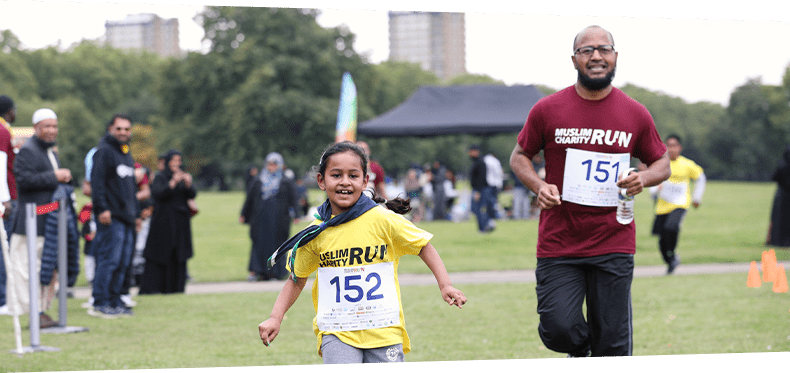
The Muslim Charity Run has recently come under scrutiny after a controversial decision to exclude women and girls over 12 from participating in this East London Mosque event. Marketed as an “inclusive charity race,” this 5km event unexpectedly barred half the population, prompting a significant public backlash that has sparked debates about gender equality and community representation. Critics argue that the event not only undermines the spirit of inclusivity promoted by the organizers but also risks reinforcing negative stereotypes about Muslim women. The situation highlights the delicate balance between religious practices and compliance with the Equality Act 2010, particularly in light of recent discussions about appropriate inclusivity measures. As the organizers commit to reviewing their policies, the community is eagerly watching to see how the Muslim Charity Run evolves to better reflect the values of all its participants.
Recently, a charity race held by a prominent Muslim organization faced backlash for excluding a significant demographic: older girls and women. This annual event, celebrated by many in the community, prompted conversations around inclusivity and equal rights in public events. Many believe that community gatherings, particularly those organized by religious bodies, should champion participation from all genders to avoid reinforcing stereotypes. The incident serves as a reminder of the necessity for organizations to align their policies with contemporary standards of equality and to consider the implications of the Equality Act 2010 in their planning. As community leaders and advocates push for reforms, it remains crucial that future iterations of such charity endeavors truly reflect a spirit of inclusiveness for everyone, echoing the calls for an inclusive charity race.
Revisiting Policies for Inclusivity in Charity Runs
The recent controversy surrounding the Muslim Charity Run has sparked a nationwide conversation about inclusivity in charity events. Following public backlash regarding the exclusion of women and girls over 12, the event organizers, namely the East London Mosque and the London Muslim Centre, have committed to reviewing their policies. This move is crucial, especially in light of the Equality Act 2010, which aims to protect individuals from discrimination in various settings, including public events. The expectation now is that these organizations will adopt more inclusive practices, allowing all participants, irrespective of gender, to contribute to such charitable causes.
Practical steps could include implementing staggered start times or creating separate categories for women and girls, akin to solutions proposed by the Muslim Women’s Network UK. By exploring these adjustments, the next Muslim Charity Run could not only adhere to legal standards but also set a precedent for gender inclusivity within the community. Increasing awareness and participation among women in sports and charitable activities aligns with the ethos of promoting equality and breaking down negative stereotypes that come from exclusion.
Public Backlash and the Push for Change
The public’s reaction to the Muslim Charity Run’s exclusionary policies was swift and significant. Communities Secretary Steve Reed’s condemnation of the ban on women and older girls resonated widely, highlighting the importance of gender equality in sports and public events. His comments underscore a collective frustration within society about any form of discrimination that reinforces historical barriers, particularly in charitable activities that are meant to unite and uplift communities. This backlash encapsulates a broader cultural demand for equality, reminding organizers that societal expectations have evolved and that inclusivity should be a priority.
The outcry from various groups emphasizes that charity runs should serve as a platform for unity rather than division. The role of charities in promoting social good places them under the scrutiny of community standards, thus amplifying the call for reform. Public response, especially via interviews and social media discussions, reflects a critical view of ‘women exclusion charity runs’ and drives home the message that future events must not only comply with equality laws but actively promote inclusivity as a standard practice. The review process initiated by the organizers is an important first step toward aligning their operations with these societal expectations.
The Impact of Gender Restrictions on Charity Events
Gender restrictions in charity events can have far-reaching consequences, particularly when they contradict the very inclusive ethos they claim to uphold. Charity runs like the Muslim Charity Run typically aim to generate funds for pressing community needs, such as food banks and refugee support. However, when segments of the community, especially women and older girls, are barred from participating, it can alienate potential supporters and diminish the overall impact of the charity. Events are more successful when the whole community feels represented and willing to engage, and exclusion can do the opposite.
The backlash faced by the Muslim Charity Run illustrates how important it is for organizations to strike a balance between adhering to their cultural values while respecting the principles of inclusivity mandated by the Equality Act 2010. Events perceived as discriminatory risk not only public condemnation but also potential implications for funding and sponsorship. In fostering a more inclusive environment, such events can reclaim their reputations and ensure they continue to attract a diverse array of participants and donors who are eager to support charitable causes.
Learning from Controversies: Future Charity Runs
In light of the recent controversies, future charity runs must learn from the experience of the Muslim Charity Run. Instead of viewing feedback as a setback, organizers should consider it an opportunity for growth and adaptation. Crafting a charity event that thoroughly engages the entire community, including women and girls, can enhance visibility and boost participation. Incorporating feedback from community members and advocacy organizations can provide insights that help shape events that are welcoming and respectful of various cultural practices.
Planning for diversity in charity runs not only promotes equality but also enriches the fundraising experience. By creating events that reflect the makeup of the community, organizers can foster an atmosphere of collaboration and unity, furthering the goals of charitable giving. Realizing the potential for positive change through inclusivity, the Muslim Charity Run and similar events can set a benchmark for others to follow, showing that charity events can indeed be both transformative and inclusive.
East London Mosque’s Commitment to Inclusivity
The East London Mosque has voiced its commitment to fostering inclusivity within its community initiatives, encouraging women to participate in various sports. This position is vital, particularly when considering the backlash received from the recent charity run. Their assertion that many Muslim women are active in sports, from cycling to marathons, reinforces the notion that women’s participation in charity events is not just beneficial but essential for community solidarity and growth.
Their proactive approach in welcoming feedback from community members showcases an eagerness to adapt and respond to societal calls for equality. As they proceed with revising the format of future events, the hope is that the East London Mosque will align its charitable endeavors with inclusive practices synonymous with modern societal values. Creating spaces where every individual can contribute enriches the organization’s potential impact and demonstrates a strong commitment to community cohesion.
The Role of the Equality and Human Rights Commission
The recent situation surrounding the Muslim Charity Run highlighted the important role of regulatory bodies like the Equality and Human Rights Commission in addressing discrimination. Their decision to refrain from further action provided the organizers with a chance to reassess and revise their approach, underscoring the importance of a collaborative approach toward compliance with the Equality Act 2010. Such guidance is essential for organizations wanting to navigate the complexities of planning inclusive events.
Having the support of bodies that advocate for equality ensures that charity runs can evolve to meet the legal and ethical expectations of today’s society. The Commission’s readiness to provide recommendations on avoiding discrimination reflects a commitment to ensuring that all charitable events can thrive without compromising on inclusivity. Going forward, raising awareness of compliance measures can help prevent controversies and foster a more accepting atmosphere in community-driven events.
Raising Funds through Inclusive Sporting Events
Charity runs have become a popular method for raising funds for various causes, but their success hinges significantly on community engagement. By ensuring that events are inclusive to all demographics, including women and girls, organizers can maximize participation and the amount of money raised. The potential pitfalls of excluding certain groups – as evidenced by the recent events – highlight how vital it is for charities to rethink traditional structures that might inadvertently limit contributions and involvement.
Engaging diverse participants not only broadens the fundraising capacity but also enriches the community fabric, as more voices and perspectives come together for a common cause. Organizing inclusive sporting events cultivates a sense of unity, fosters collaboration, and amplifies the impact that charitable donations can have in local and global contexts. Inclusion, therefore, is not just a legal requirement but a strategic advantage for charity events.
Changing Perceptions of Charity Events in the Community
The perception of charity events has undergone significant changes as communities become increasingly aware of the importance of equality and inclusion. As demonstrated by the backlash against the Muslim Charity Run, participants and supporters now hold organizations accountable for their policies and practices. It is essential for charity runs to reflect the diversity of the communities they serve, creating an environment conducive to participation from all segments of society.
These changing perceptions call for a transformation in how charity events are structured and marketed. Emphasizing inclusivity can reshape attendees’ experiences and engagement levels, ultimately leading to greater success in fundraising efforts. By proactively addressing concerns around exclusion, organizations can foster a more favorable public image and build trust within their communities, ensuring the longevity and effectiveness of their charitable endeavors.
The Path Forward for Charity Organizers
Looking forward, charity organizers must recognize the critical importance of inclusivity in their planning and execution processes. The fallout from the Muslim Charity Run serves as a cautionary tale, shedding light on the need for proactive engagement with community members to understand their perspectives and needs. Listening to feedback and taking actionable steps towards inclusivity is essential for rebuilding trust and enhancing the reputation of charitable events.
Continuous learning and adaptation will pave the way for future charity events that not only comply with the law but also exemplify the spirit of collaboration and community service. By creating more equitable platforms for all participants, charity organizers can truly embody the essence of charity—unifying individuals to work together for common good, benefiting society at large.
Frequently Asked Questions
What changes will be implemented by the Muslim Charity Run organizers after the recent public backlash?
The Muslim Charity Run organizers are currently reviewing their policies to address concerns about women’s exclusion from the event. They aim to ensure that future runs are more inclusive, accommodating both women and girls, in alignment with community feedback and the principles of the Equality Act 2010.
How does the Equality Act 2010 relate to the Muslim Charity Run and its policies?
The Equality Act 2010 applies to the Muslim Charity Run as it sets out laws against discrimination. While certain exceptions exist for religious organizations, the event must comply with the act to avoid unlawful discrimination. The organizers are encouraged to create inclusive events to support both men and women.
What criticisms did the Muslim Charity Run face regarding women’s exclusion?
The Muslim Charity Run faced significant criticisms for barring women and girls over 12 from participating. Critics, including community leaders and the Muslim Women’s Network UK, argued that such policies reinforce negative stereotypes and called for more practical inclusivity measures, like separate starting times or group arrangements.
Why was the Muslim Charity Run initially described as an ‘inclusive charity race’?
The Muslim Charity Run was marketed as an ‘inclusive charity race’ highlighting its aim to welcome runners of all ages and abilities. However, the restrictions based on gender led to public backlash, demonstrating a disconnect between the event’s promotion and its actual execution.
What role does the East London Mosque play in organizing the Muslim Charity Run?
The East London Mosque, along with the London Muslim Centre, organizes the Muslim Charity Run, a significant event that raises funds for various causes. The organizers have expressed commitment to improving inclusivity and responding to community needs based on feedback from events like the recent charity run.
What alternatives could the Muslim Charity Run consider for inclusive participation?
For future events, the Muslim Charity Run organizers might consider alternatives such as staggered starting times, separate running groups for women and girls, or mixed-gender formats that adhere to religious beliefs while ensuring broader participation.
How does public opinion affect future Muslim Charity Run events?
Public opinion is crucial in shaping future Muslim Charity Run events. Following substantial backlash concerning women’s participation, organizers are now reassessing their policies, highlighting the importance of community feedback in promoting inclusivity and compliance with equality laws.
| Key Points |
|---|
| The Muslim Charity Run barred women and girls over 12 from participating, prompting public backlash. |
| The event, held in Victoria Park, was advertised as inclusive but had restrictions that raised concerns. |
| The Equality and Human Rights Commission is monitoring the organizers’ commitment to policy review. |
| Minister Steve Reed expressed being appalled by the exclusion, emphasizing gender equality. |
| The event raised funds for various charitable causes, marking its 12th annual occurrence. |
Summary
The Muslim Charity Run, a prominent event aimed at raising funds for vital causes, has come under scrutiny for its exclusion of women and girls over the age of 12. In response to backlash, the event organizers are reviewing their policies to enhance inclusivity and ensure that future runs accommodate all demographics, while still respecting participants’ beliefs. This issue highlights the importance of gender equality in community events and the necessity for organizations to adopt practices that prevent discrimination while promoting participation across all segments of the community.