
Listen to this article
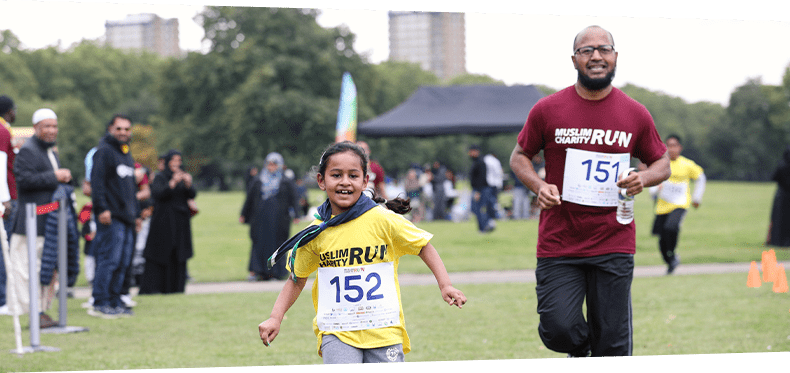
The Muslim Charity Run, recently held in Victoria Park, London, has sparked a significant conversation surrounding inclusivity in charity events. Originally touted as an “inclusive 5km race,” the East London charity run was met with criticism for excluding women and girls over the age of 12. This situation raises important discussions about equality in charity runs and the role of women and girls in sports, emphasizing the need for events that truly embody inclusivity. The backlash prompted by this event highlights the ongoing struggle for Muslim women’s inclusion and the importance of creating an environment where all participants feel welcomed and valued. As the organizers review their policies, the community eagerly awaits greater representation and equitable opportunities at future events.
The recent charity event focused on the Muslim community, held in East London, has ignited discussions on the representation of women in athletic activities. This charity run, while aimed at fostering community spirit and supporting various causes, fell short when it limited the participation of women and older girls, sparking public outcry. It sheds light on the broader issue of ensuring equality in charity runs and establishing inclusive charity events that promote the engagement of women and girls in sports. Advocates argue for practices that allow for balanced representation without compromising cultural beliefs, as the community reflects on the importance of inclusivity in such initiatives. As organizations reevaluate their approaches, the hope is for future events to champion equal participation for everyone.
The Backlash Over the Muslim Charity Run
The recent Muslim Charity Run in East London has faced unprecedented criticism following its decision to exclude women and girls over the age of 12 from participating. Initially promoted as an inclusive 5km race aimed at welcoming runners of all backgrounds and abilities, the restrictions contradicted its own marketing message, leading to public uproar. Women’s rights advocates have highlighted that such limitations not only silence the voices of women in sports but also reinforce dated stereotypes about gender roles within both the charity sector and the broader community.
The negative backlash prompted the organizers, the East London Mosque and the London Muslim Centre, to announce a review of their policies. The aim is to restructure the next event to ensure that it aligns with the principles of equality in charity runs. In today’s framework of inclusive charity events, it is critical for organizations to assess not just the legal, but the moral implications of their policies on gender inclusion.
Promoting Equality in Charity Runs
Equality in charity runs is not just a legal requirement but a moral imperative for today’s society. Events like the Muslim Charity Run highlight the need for organizations to create space for women and girls in sports. The criticism faced by this year’s run underscores how essential it is for charity events to reflect the diverse demographics they aim to serve. By ensuring that women and girls can participate equally, charities not only bolster their credibility but also foster a sense of community and unity.
Furthermore, creating inclusive charity events paves the way for empowerment. Programs that involve women and girls in sports can change perceptions and combat stereotypes, illustrating their capabilities beyond traditional roles. Engaging women in charity runs helps to set an example for the next generation, proving that sports and charitable causes are for everyone, regardless of gender.
Inclusion of Women and Girls in Sports
The inclusion of women and girls in sports is crucial for fostering a healthier, more balanced society. Events designed to support and implement these principles can significantly impact the perception of female athletes, especially within specific cultural contexts. The recent controversy tied to the Muslim Charity Run serves as a poignant reminder of how far there is to go when it comes to inclusivity. Activists argue that women should not only have a place in such events but should also be celebrated for their contributions to society, sports, and charity.
Implementing practical measures, such as staggered start times for different gender groups, could facilitate women’s participation without conflicting with cultural values. This approach not only adheres to legal standards but is also an indispensable step towards embracing the ethos of inclusivity and equality in charity events. It is vital to create an environment where women can thrive and be recognized in all facets of life, particularly in areas that have historically marginalized them.
The Role of the East London Mosque
The East London Mosque plays a pivotal role in organizing the Muslim Charity Run and its outreach to the community. As a key religious institution, it is essential for them to embody the values of inclusivity and support for all individuals, transcending traditional boundaries. The mosque has already stated its commitment to supporting women and girls, but the aforementioned exclusion raises questions about how these values translate into practice.
Moving forward, it is incumbent upon organizations like the East London Mosque to not only review their policies but to also actively engage in dialogue with community stakeholders. By involving voices from various genders and backgrounds in the planning process, the mosque can ensure that the next Muslim Charity Run becomes an opportunity to showcase solidarity and respect for all members of the community, thereby reinforcing its commitment to equality and social justice.
Community Response to Gender Exclusion
The response from the community regarding the exclusion of women and girls in the recent Muslim Charity Run has been overwhelmingly critical. Many community leaders, including the Communities Secretary, voiced their concern, emphasizing the need for equity and inclusion. These responses reflect a growing recognition of the importance of equitable treatment in all societal gatherings, particularly in charity events that aim to uplift and support various community causes.
Moreover, this situation has ignited broader discussions about women’s rights within the Muslim community and the role of religious organizations in promoting equality. As the community continues to express discontent over gender-specific restrictions, it sets the stage for vital conversations around women’s participation in sports and charity work. The feedback received can serve as a catalyst for change, urging similar events to adopt a more inclusive approach.
Addressing Unlawful Discrimination
The review initiated by the organizers of the Muslim Charity Run in light of recent criticisms highlights the importance of addressing unlawful discrimination in charity events. While it is true that certain exceptions under equality law exist for religious organizations, these exceptions should not be employed as excuses for exclusion. The Equality and Human Rights Commission’s role is pivotal here, providing guidance on compliance to ensure that future events promote inclusivity rather than hinder it.
Legal frameworks such as the Equality Act 2010 provide a benchmark for what constitutes acceptable practices in terms of gender inclusion. This legal backing not only prepares organizations for potential scrutiny but also equips them to foster a community spirit that celebrates diversity. It is imperative for charity runs and other inclusive events to learn from these guidelines and implement methods that promote equality, ultimately shaping a more just and equitable landscape for upcoming generations.
Engaging Women in Charity Events
Engaging women in charity events like the Muslim Charity Run can significantly broaden the impact of such gatherings. By actively including women and girls, organizers can leverage the power of female participation to attract a wider audience, create partnerships, and drive fundraising efforts. Community support thrives when all voices are heard, and the contribution of women enriches the cultural tapestry of charitable initiatives.
Moreover, fostering women’s involvement in charity events helps to challenge stereotypes and encourages a shift in public perception. When women actively participate in charity runs, they assert their presence and capabilities, inspiring both peers and younger generations. Creating mentorship opportunities during such events can further empower women and girls, cementing their role in sports and charity while advocating for gender equality.
Suggestions for Future Muslim Charity Runs
Looking ahead, the organizers of the Muslim Charity Run should take thoughtful steps to enhance inclusivity for subsequent events. They could adopt various strategies, from implementing separate divisions for women to offering additional activities that cater to all genders and ages. By creating a welcoming atmosphere for women and girls, organizers can effectively align their event with the community’s evolving values around equality in charity runs.
Another suggestion for improvement is ensuring that community feedback is solicited and acted upon. By establishing advisory panels consisting of diverse community members, including women and youth representatives, the organizing committee can gather invaluable insights that promote inclusivity. These measures will not only help prevent future controversies but also enhance the overall success and impact of the charity run.
Celebrating Inclusivity in Sports and Charity
Celebrating inclusivity in sports and charity is essential for building a cohesive society that values every contribution, irrespective of gender. The drive towards equal representation in events like the Muslim Charity Run showcases a call for change that resonates throughout communities. By creating environments where everyone can participate and thrive, charitable organizations can effectively promote their causes while celebrating the rich diversity of their audiences.
It is crucial for future charity runs to become platforms that uplift and empower underrepresented groups. Initiatives focusing on women’s involvement can create ripple effects that foster change not only within the sphere of sports but across various segments of society. By championing these values, charity events play a pivotal role in creating lasting societal impacts and ensuring that progress towards equality becomes entrenched in the community’s consciousness.
Frequently Asked Questions
What prompted the review of the policies for the Muslim Charity Run in East London?
The review of the policies for the Muslim Charity Run was prompted by significant backlash regarding the exclusion of women and girls over 12 from participating in the event. This limitation sparked criticism from various groups advocating for women’s inclusion and equality in charity runs.
How does the Muslim Charity Run aim to be inclusive despite past criticisms?
The Muslim Charity Run organizers have committed to reviewing their policies and structure to ensure greater inclusivity in future events. This reflects their dedication to creating a welcoming environment for all participants, regardless of age or gender.
What are the concerns regarding women’s participation in the Muslim Charity Run?
Concerns regarding women’s participation in the Muslim Charity Run center around the reinforcement of negative stereotypes and the need for equality in charity runs. Critics argue that inclusion of women and girls is crucial to promote fairness in sports and charity events.
What was the response of the Equality and Human Rights Commission to the Muslim Charity Run’s policy?
The Equality and Human Rights Commission acknowledged the organizers’ commitment to reviewing their event policies. They stated they would monitor any further complaints and emphasized the importance of compliance with the Equality Act 2010 to ensure inclusive charity events for all.
What steps could the Muslim Charity Run organizers take to improve inclusion for women and girls?
The Muslim Charity Run organizers could improve inclusion for women and girls by implementing practical steps such as staggered start times, separate race categories, and promoting an environment that encourages female participation. These measures would help accommodate diverse participants while respecting religious beliefs.
What does the East London charity run support through its fundraising efforts?
The East London charity run, known as the Muslim Charity Run, supports vital causes including local youth projects, food banks, refugee support, and international humanitarian relief efforts, highlighting its commitment to making a positive impact both locally and globally.
Why is inclusion in charity events like the Muslim Charity Run important?
Inclusion in charity events like the Muslim Charity Run is vital for promoting equality in sports, empowering women and girls, and challenging societal stereotypes. It ensures that all community members can participate fully and contribute to important causes.
What did the East London Mosque state regarding its commitment to women and girls?
The East London Mosque stated that it has a long-standing commitment to supporting women and girls. However, it did not directly address the criticism surrounding the exclusion of women and girls over 12 from the recent Muslim Charity Run.
How can the Muslim Charity Run contribute to equality in charity events?
The Muslim Charity Run can contribute to equality in charity events by actively including women and girls in their activities, reviewing event policies to eliminate gender-based restrictions, and promoting female representation in all aspects of their organizational efforts.
What impact does the exclusion of women have on events like the Muslim Charity Run?
The exclusion of women from events like the Muslim Charity Run can lead to negative social perceptions, reinforce stereotypes about gender roles, and discourage female participation in sports and charitable activities, undermining the event’s aim of inclusivity.
| Key Points |
|---|
| The Muslim Charity Run in East London prohibited women and girls over 12 from participating in its recent 5km race, despite being marketed as inclusive. |
| The event was organized by the East London Mosque and the London Muslim Centre, attracting numerous runners and supporters. |
| The Equality and Human Rights Commission stated they would not take further action as long as organizers committed to policy reviews for future events. |
| Concerns were raised about reinforcing negative stereotypes, and suggestions included staggered start times to include women and girls. |
| Communities Secretary Steve Reed criticized the exclusion and emphasized that men should not be allowed to participate in events that women cannot. |
| The charity run has been a significant event in the Muslim calendar, supporting various local and international causes. |
Summary
The Muslim Charity Run, held recently in Victoria Park, London, has faced significant backlash for its exclusionary policies regarding women and girls aged 12 and older. This oversight has prompted calls for inclusivity, highlighting the need for proactive measures that respect both community values and equal participation. As the event prepares for its next iteration, it is essential that it fosters an environment where all community members, regardless of gender, can engage in charitable activities, thereby strengthening communal bonds and refraining from reinforcing negative stereotypes. The organizers’ commitment to reviewing their policies is a positive step in addressing these concerns.