
Listen to this article
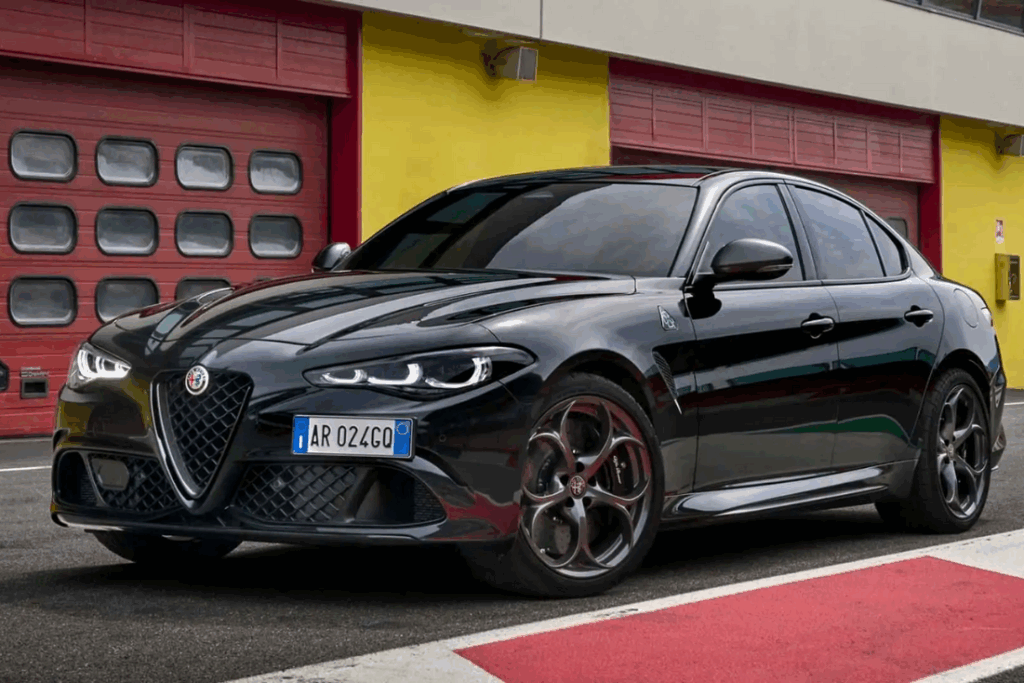
The recent changes to the Motability Scheme have sparked widespread discussion among disabled drivers in the UK. In a move highlighted in Rachel Reeves’ Autumn Budget 2023, several high-end car brands such as BMW and Mercedes-Benz have been removed from the scheme, impacting the options available to approximately 860,000 beneficiaries. This significant alteration means that effective December, drivers can no longer lease prestigious models from brands like Alfa Romeo and Lexus, as these vehicles have exited the program. The government’s decision aims to refocus the scheme towards supporting the leasing of British-built vehicles, with plans to have at least half of all leases be from local manufacturers by 2035. As the landscape of the Motability Scheme shifts, it’s crucial for those affected to stay informed about the available vehicles and benefits.
The recent developments surrounding the Motability Scheme, which aids individuals with disabilities to secure mobility solutions, have raised important questions for UK motorists. Recently introduced policies will see luxurious car brands, including Mercedes-Benz and BMW, removed from the leasing options available to disabled individuals, making accessibility to high-end models a thing of the past. This policy change, announced during the Autumn Budget 2023, reflects a broader governmental strategy to enhance support for British-manufactured vehicles in the motoring sector. With these adjustments, the scheme is setting a course towards greater collaboration with UK automakers, aiming for 50% of leased vehicles to be British-built by 2035. As the focus shifts, it is essential for disabled drivers to explore the new vehicle landscape while considering how these changes will impact their mobility options.
Motability Scheme Changes and Their Impact
The recent modifications to the Motability Scheme, as announced in Rachel Reeves’ Autumn Budget 2023, have sparked significant discussions among disabled drivers in the UK. With BMW, Audi, and Mercedes-Benz removed from the list of available vehicles, those reliant on the scheme now face a more limited selection of high-end car brands. The impact of this decision is profound, particularly for the approximately 860,000 disabled individuals who depend on this support for mobility. This reduction in vehicle variety, especially for luxury models that offer both comfort and accessibility, raises questions about the long-term viability of the scheme for meeting the diverse needs of its users.
Furthermore, the exclusion of coupé and convertible models adds to the constraints facing disabled drivers. For many, having access to a reliable and stylish vehicle is not just about transportation; it’s also about independence and personal expression. The government’s current direction could lead to more dissatisfaction among users who may find the remaining options inadequate for their preferences. With announcements like these becoming more frequent, it is crucial for stakeholders to engage in discussions to ensure that the Motability Scheme evolves in a way that continues to serve the community effectively.
British-Built Vehicles in the Motability Scheme
Another significant change highlighted is the government’s commitment to ensuring that at least half of all vehicles leased through the Motability Scheme from 2035 onwards are British-built. This initiative aims to bolster the UK automotive sector while ensuring that disabled drivers have access to models that are not only convenient but also support local manufacturers. By increasing the availability of British-built vehicles, the scheme can help foster a sense of national pride and support economic growth within the country. Notably, manufacturers like Nissan are expected to ramp up their production, potentially providing thousands of additional models for eligible drivers.
However, while this move to promote British-built vehicles is commendable, it raises questions about the quality and variety of options available. For many disabled drivers in the UK, the transition to primarily British vehicles might limit access to a broader range of features and styles that international brands provide. As manufacturers prepare to comply with these changes, it remains to be seen how this will impact the overall user experience and whether it will achieve its intended goals of providing quality mobility solutions.
Alternative Options for Disabled Drivers
With the recent changes to the Motability Scheme, disabled drivers may need to explore alternative options to ensure their mobility needs are met. While the lack of access to high-end car brands like BMW and Mercedes-Benz is disappointing, there are still several other vehicles available within the scheme that cater to varying requirements. Drivers can consider turning to models from manufacturers that are still present on the list, including reliable brands such as Ford and Volkswagen, which offer excellent alternatives that meet accessibility standards.
Additionally, the landscape of mobility solutions is evolving. Drivers could also explore options outside the Motability Scheme, including personal leasing or financing arrangements that may provide access to higher-end brands still on the market. Understanding personal mobility needs and budget constraints will enable individuals to make informed choices that suit their lifestyle while ensuring they do not feel disenfranchised by the recent changes.
Reactions from Stakeholders and Advocacy Groups
The announcement of changes to the Motability Scheme has elicited various reactions from stakeholders, including advocacy groups representing disabled drivers. Many organizations have expressed concern that removing popular high-end brands could lead to reduced satisfaction among scheme users, particularly those who value luxury and advanced features in their vehicles. Advocates are calling upon the government to reconsider these changes and engage in dialogue with customers to better understand their needs and preferences.
Moreover, stakeholders are highlighting the necessity for transparency in the decision-making process regarding the scheme. Ensuring that disabled drivers have a voice in discussions about their mobility options is essential for building trust and ensuring the scheme’s long-term success. As discussions continue, the feedback from advocacy groups will play a crucial role in shaping future policies and potential adjustments to the current offerings in the Motability Scheme.
The Future of the Motability Scheme
Looking ahead, the future of the Motability Scheme will depend significantly on how well it adapts to the needs of disabled drivers in the UK. The government’s commitment to increasing the number of British-built vehicles is a promising step, but it must also balance this with offering a diverse range of high-quality options. Maintaining relationships with various manufacturers will be key to achieving a successful model that benefits users without compromising on choice or quality.
As the automotive industry continues to evolve, so too must the initiatives designed to support disabled drivers. As new technologies emerge and consumer preferences shift, the Motability Scheme must remain flexible and responsive to these changes. Engaging with consumers and leveraging their insights can help ensure that the scheme remains relevant and effective in meeting the mobility needs of all users.
Understanding the Enhanced Mobility Allowance
To qualify for the Motability Scheme, applicants must receive the enhanced mobility component of Personal Independence Payment (PIP) or the War Pensioners’ Mobility Supplement. This allowance is designed to provide financial support for individuals with varying levels of disability, enabling them to lease vehicles that enhance their mobility and independence. Understanding the specifics of this allowance is essential for potential applicants, as it informs eligibility and what vehicles they can access through the scheme.
With the Motability Scheme evolving, staying informed about the latest developments regarding eligibility criteria and available vehicles can empower disabled drivers to make better decisions about their mobility options. Each update, including changes related to high-end brands or the inclusion of more British-built vehicles, plays a critical role in shaping the landscape of mobility for disabled drivers in the UK.
Accessibility Features in Motability Vehicles
Another critical aspect to consider is the availability of accessibility features within the vehicles provided through the Motability Scheme. With the changes in vehicle options, it is essential that the remaining models continue to prioritize the needs of disabled drivers. Features such as ramps, hand controls, and adjustable seating drastically improve the driving experience for those with mobility challenges. As the scheme narrows its focus on different manufacturers, evaluating how these brands equip their vehicles with necessary adaptations becomes paramount.
Disabled drivers should actively seek information regarding the availability of these features across different models, as they can significantly impact their daily lives. Ongoing assessments of vehicle accessibility must remain a focal point within the Motability Scheme to ensure that, despite any shifts in brands available, all drivers can enjoy the same level of independence and comfort.
Long-Term Implications for the Automotive Industry
The recent alterations to the Motability Scheme, particularly the removal of high-end car manufacturers, may carry long-term implications for the wider automotive industry in the UK. As the government pushes for more British-built vehicles, manufacturers will need to adapt to cater to this growing demand. This evolution compels carmakers to prioritize innovations that align with mobility needs, ensuring that both features and comfort for disabled drivers are at the forefront of their designs.
Furthermore, companies that historically relied on the Motability Scheme to boost their sales in the UK may need to reassess their market strategies. This shift could encourage them to invest in developing more accessible models or to collaborate with advocacy groups to better understand the requirements of disabled drivers. Proactive engagement could lead to innovations that enhance mobility options not only for Motability Scheme users but for the disabled community at large.
Evaluating the Motability Scheme’s Effectiveness
As the Motability Scheme continues to evolve, evaluating its effectiveness in serving the needs of disabled drivers will be crucial. Metrics such as user satisfaction, the diversity of available models, and the accessibility of vehicles should all come into play. Gathering data through surveys and feedback mechanisms can help policymakers understand the real-world impact of the changes and identify areas where improvements are needed.
Through this evaluation process, it is essential to consider how the new changes affect not only the quantity but also the quality of vehicles available under the scheme. Insights garnered from users can provide a roadmap for future adjustments and ensure that the Motability Scheme continues to adapt positively to the mobility needs of disabled drivers across the UK.
Frequently Asked Questions
What are the recent changes to the Motability Scheme as announced in the Autumn Budget 2023?
In the Autumn Budget 2023, it was announced that several high-end car brands like BMW and Mercedes-Benz have been removed from the Motability Scheme. Starting December 1, 2023, drivers will no longer have access to multiple models from brands such as Alfa Romeo, Audi, and Lexus, including all coupé and convertible models.
Which vehicles are no longer available on the Motability Scheme?
As of December 1, 2023, the following vehicles have exited the Motability Scheme: Alfa Romeo Junior and Tonale, Audi Q2, A1 Sportback, A3 Sportback, A3 Saloon, Q3, Q4 E-Tron, Q4 Sportback E-Tron, BMW 1 Series, 2 Series Gran Coupe, X1, X2, i4, 2 Series Active Tourer, iX1, iX2, Lexus LBX, RZ, UX, and several Mercedes-Benz models including GLA and EQA.
How will the changes in the Motability Scheme affect disabled drivers in the UK?
The removal of high-end car brands from the Motability Scheme may limit options for around 860,000 disabled drivers in the UK who utilized these vehicles. However, the scheme will continue to provide access to various other cars, including wheelchair-accessible vehicles and scooters with the enhanced mobility allowance.
What is the government’s plan regarding British-built vehicles in the Motability Scheme?
Under the new changes, the government plans that at least 50% of all vehicles leased through the Motability Scheme will be British-built by 2035. This initiative aims to enhance partnerships with UK-based manufacturers, potentially doubling the number of British-built Nissan vehicles leased under the scheme.
Why were high-end brands like BMW and Mercedes-Benz excluded from the Motability Scheme?
The exclusion of high-end brands such as BMW and Mercedes-Benz from the Motability Scheme, as outlined in Rachel Reeves’ Autumn Budget, is likely part of a broader effort to manage costs and focus on providing value for disabled drivers UK-wide, while increasing the leasing of British-built vehicles.
When did the changes to the Motability Scheme take effect?
The changes to the Motability Scheme, including the removal of specific high-end car brands, took effect on December 1, 2023.
What types of vehicles are still available on the Motability Scheme?
Despite the removal of certain high-end brands, the Motability Scheme continues to offer a range of vehicles suitable for disabled drivers, including alternative models from other manufacturers, wheelchair-accessible vehicles, and scooters.
Will I still be able to place orders for the removed car brands in the Motability Scheme?
No, as of December 1, 2023, motorists are unable to place orders for vehicles that have been removed from the Motability Scheme, including those from high-end brands like BMW and Mercedes-Benz.
| Key Point | Details |
|---|---|
| Removal of High-End Brands | BMW and Mercedes-Benz, along with others, removed from Motability Scheme as of December 1. |
| Impact on Disabled Drivers | The scheme serves approximately 860,000 disabled drivers who can no longer lease certain luxury models. |
| Increased British Vehicles | At least half of all vehicles leased through the scheme will be British-built by 2035. |
| Nissan’s Response | Nissan is expected to double its provision of British-built cars to around 40,000 models. |
| Complete List of Removed Vehicles | Includes models from Alfa Romeo, Audi, BMW, Lexus, and Mercedes-Benz. |
Summary
The Motability Scheme changes mark a significant shift in the availability of vehicles for disabled drivers. With the removal of brands such as BMW and Mercedes-Benz, many drivers will need to adjust to a more limited selection. However, the pledge to enhance the proportion of British-built vehicles leased through the scheme by 2035 presents a positive outlook for future accessibility through local manufacturing.