
Listen to this article
The impending closure of the Mossmorran chemical plant has sparked urgent discussions and rival summits involving both UK and Scottish ministers, as they seek to support the workers affected by this major industrial shift. With 179 jobs directly at risk and 250 contractor positions in jeopardy, the stakes are undeniably high for the local economy in Fife. ExxonMobil, the current owner, has indicated that the site lacks a competitive future without significant investment, prompting calls for governmental action, including the need for Scottish Government support. While the situation is complex, the urgency of the Mossmorran summit has created a platform for collaboration aimed at minimizing job losses and exploring alternative solutions. As concern mounts over how to retain jobs and provide meaningful support during this turbulent transition, all eyes are on the forthcoming summits to see how both governments will respond to the challenges surrounding the closure of this crucial facility.
As the Mossmorran chemical facility faces an uncertain future, discussions surrounding its impending closure have begun to intensify, reflecting a broader consensus on the need for coordinated action. Political figures from the Scottish and UK governments are navigating a delicate landscape, with key meetings set to determine the future of Fife jobs at risk due to the plant’s shutdown. This situation echoes themes of energy transition and economic redevelopment, as local communities brace themselves for the fallout of industrial changes. The promise of support from ministers, coupled with the call for a unified task force, underscores the urgency of mitigating the impacts on local workers and businesses alike. Ultimately, the discourse surrounding the Mossmorran facility serves as a pivotal moment for examining the role of government in facilitating smooth transitions in the face of challenging economic landscapes.
Mossmorran Chemical Plant Closure: What Lies Ahead
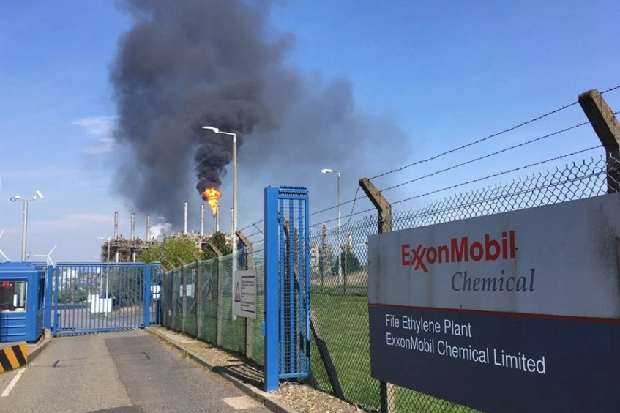
The impending closure of the Mossmorran chemical plant, set for February, poses a significant concern for the local community, especially for the 179 direct employees and 250 contractors at risk of losing their jobs. ExxonMobil, the plant’s parent company, has adamantly stated that there is no “competitive future” for the facility, citing a staggering need for nearly £1 billion in funding to make it viable. This announcement has sent ripples through the workforce and local economy, raising urgent questions about the future of Fife jobs and the potential fallout from losing such a crucial employer.
The urgency surrounding the Mossmorran chemical plant’s threat of closure has catalyzed a flurry of activity among government officials. The Scottish and UK governments are now grappling with how best to support the workers facing uncertainty in their employment. Parallel summits initiated by both Scottish Deputy First Minister Kate Forbes and Scottish Secretary Douglas Alexander illustrate the political stakes involved, as both parties scramble to demonstrate their commitment to protecting jobs and securing the economic stability of the Fife region.
Scottish Government Support for Mossmorran Workers
In light of the impending closure, the Scottish government is actively seeking ways to mitigate the impact on workers through cooperative measures involving local stakeholders. Deputy First Minister Kate Forbes aims to establish a task force in collaboration with Scottish Enterprise, focusing on retaining employment and exploring alternatives for those affected by the Mossmorran plant closure. This initiative is critical for the local workforce, as it seeks to provide immediate support, including financial packages, retraining programs, and potential relocation opportunities.
The response from the Scottish government underscores a broader commitment to ensuring that Fife does not bear the brunt of job losses without adequate support. Kate Forbes has emphasized that engaging with unions, councils, and the UK government is a priority in these discussions, which aims to keep the local community informed and involved in the decision-making process. It is essential that this coordinated effort focuses on the specific needs of the Fife economy and supports workers during this turbulent time.
UK Government’s Response to the Mossmorran Crisis
While the Scottish government is actively pursuing solutions to the situation at Mossmorran, the UK government’s response has been somewhat less supportive, as they have refrained from committing financial resources to keep the plant operational. UK Secretary Douglas Alexander has highlighted the importance of a localized approach in addressing the crisis, emphasizing collaboration with Fife Council and local businesses. This indicates a nuanced strategy focused on community-driven solutions rather than direct financial intervention.
Despite the lack of financial backing, the UK government’s role remains critical in ensuring that alternative pathways are explored for those affected by the Mossmorran chemical plant closure. By fostering partnerships with local entities and prioritizing the economic ramifications for Fife, UK ministers can still play a pivotal role in supporting a transition that seeks to protect jobs and stimulate economic resilience in the region.
The Stakes of the Mossmorran Summit Meetings
The dual summits planned by the Scottish and UK governments in response to the Mossmorran crisis reflect the gravity of the situation at hand, where hundreds of jobs are under threat. These meetings are crucial as they gather key stakeholders, including local business leaders and council officials, to discuss strategies for job preservation and economic adaptation. However, the lack of synchronized efforts raises concerns about the effectiveness of the proposed solutions and whether they can adequately address the immediate concerns of the workforce.
Moreover, the rivalry between the SNP and Labour in Fife intensifies the scrutiny on these meetings, adding layers of political significance to the proceedings. Both parties are eager to showcase their dedication to local workers, but the ultimate success of these summits will hinge on their ability to foster genuine collaboration and create actionable plans that prioritize the wellbeing of Mossmorran’s workforce during this crisis.
Job Transition Strategies for Mossmorran Workers
As the Mossmorran chemical plant prepares to close, discussions around job transition strategies have become paramount. The Scottish government is exploring various options, including retraining programs aimed at equipping displaced workers with skills for new employment opportunities, potentially at other facilities like the Fawley Petrochemical Complex. The goal is to ensure that those impacted by the Mossmorran closure can swiftly navigate the job market and find suitable roles that provide stability and security.
The urgency of these transition strategies cannot be overstated, especially considering the potential ripple effects on the broader Fife economy. Local leaders and government officials recognize that effective measures must be put in place to prevent further economic decline in the region. This includes investment in local job creation initiatives and ensuring that support is tailored to meet the specific needs of workers transitioning out of the chemical sector.
Impact of Mossmorran Closure on Local Economy
The closure of the Mossmorran chemical plant will likely have far-reaching implications for the local economy in Fife. With numerous jobs directly and indirectly affected, the potential economic void left by ExxonMobil’s exit poses a significant challenge for community leaders. The loss of such a key employer will affect not only the employees but also local businesses that rely on the spending power of those workers and their families.
Local government officials have expressed their commitment to addressing the economic challenges stemming from the closure and aim to mitigate its impact on the wider Fife economy. Strategies may include diversifying industries in the area or attracting new businesses to fill the gap left by the plant. Calibrating these efforts will be essential to revitalizing Fife’s economy and ensuring long-term sustainability, especially in response to the changing dynamics of the chemical industry.
Community Response to Mossmorran Closure Announcement
The announcement of the Mossmorran chemical plant’s closure has sparked a wave of concern and emotional responses from the local community. Town halls and public forums have become venues for residents to express their fears and seek clarity on what the future holds for the neighborhood. Workers, their families, and local supporters are advocating for immediate action and support from both the Scottish and UK governments to cushion the blow of the impending job losses.
Community leaders are urging residents to remain engaged in conversations about the plant’s future, emphasizing the need to collectively push for solutions that prioritize worker support and job retention. This grassroots movement is aimed at fostering resilience in the face of uncertainty and ensuring that local voices are heard as the situation unfolds.
Navigating the Future Post-Mossmorran
Looking beyond the closure of the Mossmorran chemical plant, the focus must shift to how the community and governments can collaboratively navigate the future. This involves not only addressing immediate job losses but also laying out a roadmap for sustainable economic growth in Fife. The challenge will involve harnessing the skills of displaced workers and redirecting efforts towards emerging sectors that can provide new employment opportunities and help redefine the local economy.
Moreover, developing strategic partnerships between the government, businesses, and educational institutions will be essential in preparing Fife’s workforce for the future. The transition may be daunting, but with combined efforts and an emphasis on innovation, there is potential for Fife to reinvent itself as a hub for green technologies and sustainable industries, paving the way for a more resilient economic landscape.
ExxonMobil’s Role and the Future of Mossmorran
As the owner of the Mossmorran chemical plant, ExxonMobil plays a critical role in the current crisis and the future of the site. The company has expressed its unwillingness to invest heavily in the plant, emphasizing that without substantial financial backing, the operation is no longer viable. This decision affects not only the workers directly employed but has broader implications for the local economy and the regional industrial landscape.
As conversations continue about the future of Mossmorran, the call for ex-ExxonMobil investment and commitment to sustainability increases. Stakeholders are hoping to develop plans that either involve a potential buyer or alternative uses for the site that align with Fife’s economic recovery efforts. The collaboration of local governments and businesses with ExxonMobil could lead to innovative solutions that reuse or repurpose the facility, contributing to a more sustainable industrial future for the region.
Frequently Asked Questions
What is the latest news regarding the Mossmorran chemical plant closure?
The Mossmorran chemical plant, operated by ExxonMobil, is set to close in February, putting 179 direct jobs and approximately 250 contractor jobs at risk. Both the Scottish and UK governments are planning task forces to mitigate the impact of this closure, but the UK government has stated it will not provide financial support to keep the plant operational.
What support is being planned for workers affected by the Mossmorran chemical plant closure?
In response to the Mossmorran chemical plant closure, Deputy First Minister Kate Forbes announced a summit to gather key stakeholders and explore options to retain employment at the site. Financial packages, retraining, and relocation support are being discussed to assist the workforce during this transition.
How are the Scottish and UK governments responding to the Mossmorran chemical plant closure?
The Scottish and UK governments are both formulating plans to respond to the Mossmorran chemical plant closure. Kate Forbes is leading a summit to engage with ExxonMobil and stakeholders, while Scottish Secretary Douglas Alexander is emphasizing a council-led task force approach to support affected workers.
Why is the Mossmorran chemical plant facing closure?
ExxonMobil has indicated that the Mossmorran chemical plant is facing closure due to a lack of a competitive future, requiring nearly £1 billion in investment to remain profitable. This announcement has led to discussions about the necessary steps to support employees and the local economy after its imminent closure.
What are the potential job impacts of the Mossmorran chemical plant closure?
The imminent closure of the Mossmorran chemical plant threatens 179 jobs directly and around 250 contractor jobs. It has sparked urgent discussions between governments and stakeholders on preserving employment and providing support for affected workers.
Will there be any funding from the UK government to assist the Mossmorran chemical plant closure?
The UK government has clarified that it will not provide financial support to keep the Mossmorran chemical plant operational despite recognizing the significant job losses and economic impact of its closure.
What is the purpose of the Mossmorran summit meetings?
The Mossmorran summit meetings aim to bring together key stakeholders—including the Scottish government, UK government, local councils, and unions—to discuss strategies for supporting the workforce affected by the impending closure of the chemical plant.
What are the next steps following the Mossmorran chemical plant closure announcement?
Following the announcement of the Mossmorran chemical plant closure, the next steps include the establishment of task forces by both the Scottish and UK governments to explore support options and discuss future opportunities for the site’s workforce.
What are the historical operations of the Mossmorran chemical plant?
The Mossmorran chemical plant has been in operation for approximately 40 years, primarily producing ethylene through thermal or steam cracking processes. Its closure marks a significant shift in the region’s industrial landscape.
How can local businesses react to the Mossmorran chemical plant closure?
Local businesses are encouraged to participate in the upcoming task force meetings to discuss the impacts of the Mossmorran chemical plant closure on the community and explore collaborative efforts to support displaced workers.
| Key Point | Details |
|---|---|
| Summits Planned | Scottish and UK governments are holding separate summits regarding the Mossmorran chemical plant closure. |
| Meetings with ExxonMobil | Deputy First Minister Kate Forbes will meet with ExxonMobil to discuss the creation of a task force. |
| Jobs at Risk | 179 jobs at the plant are directly at risk, plus the jobs of 250 contractors. |
| Closure Timeline | The plant is set to close in February. |
| Government Responses | Both governments announced plans for a task force but UK ministers stated they would not provide financial support for the plant. |
| Worker Support | Discussions include financial packages and retraining support for those affected by the closure. |
| Concerns About Coordination | There is confusion and a lack of coordination between the Scottish and UK government efforts. |
| Historical Context | Previous collaboration on similar issues (e.g., Grangemouth), but current communication is fragmented. |
| Future of the Site | ExxonMobil plans to clean up and demolish the site after the closure. |
Summary
The Mossmorran chemical plant closure has prompted conflicting responses from both the UK and Scottish governments, each holding separate summits to address the crisis. The looming closure in February threatens 179 jobs and 250 contractor positions, prompting urgent discussions on worker support and alternative employment strategies. As both governments aim to coordinate efforts, the future of Mossmorran remains uncertain, highlighting the need for effective collaboration to ensure the workforce transitions smoothly amid this challenging time.

