Listen to this article
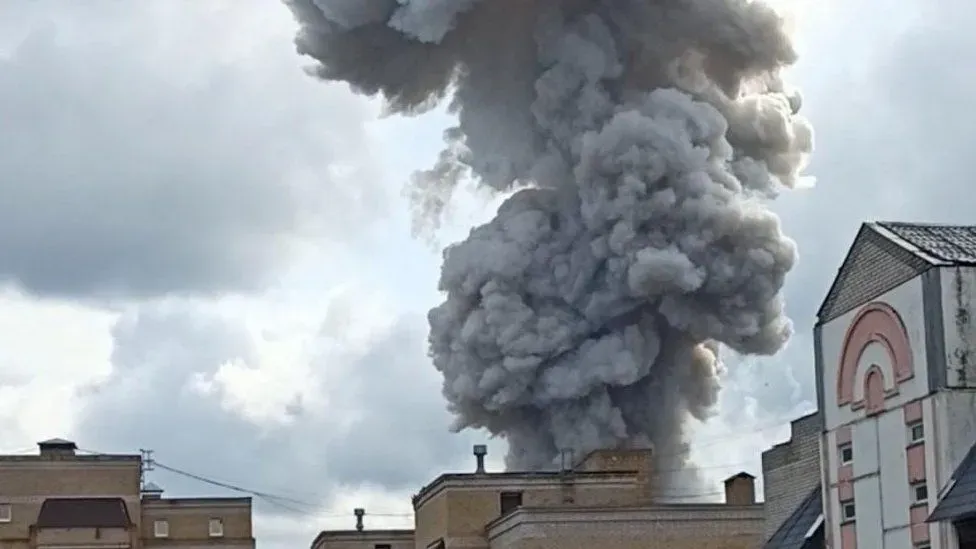
In a shocking act of violence, the recent Moscow explosion has left three people dead, including two police officers, raising alarms about Moscow terrorism. According to authorities, the blast occurred as traffic police approached a suspicious individual near a police car on Yeletskaya Street, leading to the detonation of an explosive device. This incident not only marks a tragic loss of police casualties in Moscow but also highlights the ongoing tensions surrounding Russia’s response to acts of violence amid escalating Ukraine Russia tension. The Investigative Committee has launched a criminal investigation into what appears to be an attempted attack on law enforcement, further complicating the already fraught atmosphere of security in the capital. As investigations unfold, the implications of such attacks on the stability of the region continue to garner international concern.
The recent detonation incident in the heart of Russia’s capital serves as a grim reminder of the escalating violence within the nation. An explosive device was activated in Moscow, resulting in the tragic deaths of law enforcement officers, which underscores significant issues regarding public safety and the broader implications of Russia’s internal conflicts. The situation reflects the growing dread surrounding police activities in the region, especially given the heightened tensions stemming from military engagements and conflicts related to Ukraine. Calls for heightened security measures are likely to increase in response to such attacks, which may further strain relations between the Kremlin and local citizens. As the investigation unfolds, there are pressing questions about the factors contributing to such violence and the long-term effects on Russian society.
The Recent Moscow Explosion: Key Facts and Figures
In a grim incident that rocked the capital, a Moscow explosion resulted in the tragic loss of three lives, including two police officers. The explosion took place as the officers approached a suspicious individual near a parked police vehicle on Yeletskaya Street. According to the Russian Investigative Committee, the explosive device detonated during this critical moment, revealing alarming patterns of violence and instability and highlighting the nation’s struggles with terrorism and safety. Reports suggest that the third casualty was the suspect himself; however, official confirmation is still pending.
This explosive incident is not isolated but rather part of a disturbing trend involving police casualties in Moscow. Just two days earlier, a car bombing claimed the life of Lt. Gen. Fanil Sarvarov, another significant figure lost to this wave of violence. These incidents draw a troubling picture of terrorism and targeted attacks against law enforcement, suggesting an emerging narrative of aggression against Russian authorities. With two fatal explosions in such rapid succession, concerns about the safety of police personnel and the public at large are understandably growing.
Understanding the Broader Context of Moscow Terrorism
The recent Moscow explosion can be viewed through the lens of ongoing tensions between Russia and Ukraine, marked by military confrontations and geopolitical strife. Authorities in Moscow are increasingly linking these violent acts to terrorism, reflecting widespread anxieties about security and stability amidst the backdrop of Ukraine-Russia conflict. As the situation escalates, there is a palpable fear that these types of attacks may become more frequent as individuals express their dissent against the Kremlin’s aggressive policies.
Additionally, the involvement of the identified police officers in operations against Ukraine raises questions about motivations behind such attacks on law enforcement. Allegations of human rights violations and torture linked to the officers have painted a troubling narrative that complicates the public’s perception of the events. This complexity reinforces the notion that these incidents may also be acts of retribution rather than mere acts of terrorism, revealing the intricate interplay between local dissent and larger geopolitical tensions.
Explosive Devices in Russia: A Growing Concern
The use of explosive devices in attacks against public officials is becoming a concerning trend in Russia, particularly in high-profile incidents like the recent explosion in Moscow. The detonation near a police vehicle not only resulted in tragic fatalities but also uncovered a chilling reality of targeted aggression towards individuals in uniform. As similar weapons are used in these attacks, they raise significant questions about security measures and the safety of law enforcement officers in their daily duties.
Russia’s law enforcement agencies are now under scrutiny regarding their preparedness to handle such violent outbreaks. The continued use of explosive devices against officials suggests a concerning escalation in methods employed by dissidents or terrorist groups. With each incident that unfolds, the intensity of fear surrounding police operations in urban areas grows, necessitating a reevaluation of strategy and public safety protocols to prevent further casualties and maintain order.
Investigative Responses to the Moscow Explosion
In the aftermath of the explosion, the Russian Investigative Committee promptly launched a criminal case with a focus on targeting those responsible for this violent act. This investigation is particularly crucial as it sheds light on the broader issue of attacks on law enforcement in the city. The rapid response by authorities reflects the pressing need for accountability and an assurance of safety for those sworn to protect the public.
Moreover, the investigation into these incidents could also look into the potential involvement of external forces, particularly amid the heightened tensions with Ukraine. The claims from military intelligence about local residents turning against law enforcement raise significant implications regarding the stability and effectiveness of Russian law enforcement in the face of such dissent. This investigation is set against a backdrop of suspicion and fear, as Moscow attempts to navigate the treacherous landscape of terrorism and unrest.
Ukraine-Russia Tensions: Implications for Internal Security
The ongoing tensions between Ukraine and Russia have significant implications not just for international relations, but also for internal security within Russia. The explosion in Moscow, attributed to dissent against Russian policy, underscores how these geopolitical conflicts spill over into domestic issues, manifesting as violence against state officials. The narrative suggests that as the war in Ukraine continues, the potential for domestic unrest may also escalate.
Furthermore, the potential backlash against law enforcement personnel, especially those previously involved in operations against Ukraine, illustrates the complexity of policing in such a politically charged environment. With public sentiment increasingly vocal and critical of government actions, there is a pressing need for authorities to assess and address the layers of discontent that may result in further violence. This growing discontent poses a dual challenge: managing external threats while ensuring the safety and security of internal operations.
The Role of the Media in Reporting Moscow Attacks
In light of the Moscow explosion and other related incidents, the media plays an essential role in shaping public perception and discourse around terrorism. Accurate and timely reporting provides crucial information about the evolving situation, allowing citizens to stay informed and aware of potential threats. However, the portrayal of these events can also influence public sentiment towards law enforcement forces and governmental policy.
Moreover, the narratives constructed by various media outlets raise questions about bias, particularly in the context of the Ukraine-Russia conflict. As international interest in these attacks grows, it is vital for reporters to provide balanced coverage that examines both the immediate consequences of violence and the deeper social and political contexts. Thus, responsible journalism becomes crucial to foster understanding and counter misinformation surrounding sensitive topics of national security and terrorism.
Explosions and Public Safety: A Call for Action
The explosion in Moscow serves as a dire reminder of the ongoing threats to public safety within urban centers. As violence against police officers and public officials increases, there is an urgent need for strategic security measures that can effectively address these emerging challenges. It is imperative that authorities prioritize the safety of both law enforcement and civilians to prevent future tragedies linked to terrorism.
Enhanced training, updated protocols, and community engagement are all essential components of a comprehensive approach to tackling the risks associated with explosive devices and public attacks. Ensuring that law enforcement personnel are equipped to identify potential threats before they escalate will be critical in restoring public confidence in the safety of their communities. Ultimately, a proactive rather than reactive strategy will be essential in creating a safer environment for all.
Analyzing the Motives Behind Attacks on Russian Police
The motives behind the recent attacks on police officers in Moscow, including the lethal explosion, necessitate careful analysis. Reports suggest that these actions are rooted in a growing resentment against the Kremlin’s policies, particularly regarding their involvement in Ukraine. This hostility not only reflects a backlash against government authority but also highlights the complex social dynamics that can influence individuals to resort to such extreme measures.
Furthermore, understanding the profile of those who commit these acts—often viewed as lone dissenters or radicalized individuals—provides insights into the undercurrents of unrest within society. By analyzing these responses to oppressive measures, authorities may find pathways to address grievances through dialogue and reform rather than escalating conflict through heavy-handed responses. Addressing the root causes of dissent could pave the way for a more peaceful resolution.
Future Implications of Violence Against Law Enforcement
As violence against law enforcement intensifies in Moscow, its implications may extend beyond immediate concerns for safety and security. This troubling trend could lead to increased militarization of police forces, curtailing civil liberties, and fostering an atmosphere of fear and repression. In a society grappling with public discontent, the government faces a delicate balance between ensuring order and respecting the rights of citizens.
Moreover, exploring the implications of these violent incidents on both a national and community level highlights the need for a comprehensive and robust strategy to foster dialogue and understanding within an increasingly polarized populace. It is critical that authorities recognize the broader societal trends driving these acts of violence to mitigate risks and promote a more cohesive social fabric. Without addressing the underlying issues, the cycle of violence may well continue, undermining both national security and community trust.
Frequently Asked Questions
What happened during the Moscow explosion involving police officers?
The Moscow explosion occurred when two traffic police officers approached a suspicious individual near a police car on Yeletskaya Street. As they attempted to detain him, an explosive device detonated, resulting in the deaths of the two officers, Ilya Klimanov and Maxim Gorbunov, as well as the suspected assailant.
Are there connections between the recent Moscow explosion and the ongoing Ukraine-Russia tension?
Yes, the recent Moscow explosion is believed to be linked to the escalating tension between Ukraine and Russia. Ukrainian military intelligence sources suggested that the assailant targeted the police officers as a protest against the Kremlin’s aggressive policies, indicating the potential implications of the Ukraine-Russia conflict.
What details have emerged regarding police casualties in the Moscow explosion?
Following the Moscow explosion, two police officers, identified as Ilya Klimanov and Maxim Gorbunov, were confirmed dead. The explosion is under investigation as part of a criminal case concerning an attack on law enforcement in Moscow, highlighting the risks faced by police amid rising terrorism threats.
What kind of explosive device was used in the Moscow incident?
While specific details about the explosive device used in the Moscow explosion have not been disclosed, it was described as having detonated while police attempted to detain a suspicious individual, suggesting it may have been a homemade or improvised explosive device.
Is there evidence linking the Moscow explosion to previous incidents of terrorism in the city?
The Moscow explosion is being scrutinized for possible connections to earlier terrorism incidents, including the car bombing that killed Lt Gen Fanil Sarvarov. Investigators are examining whether the two events are linked as part of an attempt on law enforcement lives.
How has Russia responded to the claims regarding the Moscow explosion’s connection to Ukraine?
Russia has indicated suspicion that Ukraine may be behind the Moscow explosion, particularly following claims of involvement by local Ukrainian sources. However, Moscow has not presented corroborative evidence and Ukraine has denied participation in the actions leading to the explosion.
What are the implications of the police officers’ past actions in relation to the Moscow explosion?
The two deceased police officers had reportedly been involved in operations against Ukraine, raising questions about potential motives behind the Moscow explosion. Allegations of their involvement in the torture of Ukrainian prisoners of war suggest the incident may be a retaliation linked to the ongoing conflict.
Can the Moscow explosion be classified as an act of terrorism?
Given the nature of the attack, the targeting of police officers, and the involvement of an explosive device, the Moscow explosion is being treated as a potential act of terrorism as part of an ongoing investigation by the Russian authorities.
What is known about the individuals injured in the Moscow explosion?
In addition to the fatalities, two individuals were hospitalized with serious injuries following the Moscow explosion. The details regarding their identities and conditions remain limited, but they were present at the scene during the detonation.
What measures are being taken by authorities in response to the Moscow explosion?
In the wake of the Moscow explosion, Russia’s Investigative Committee has launched a criminal investigation focused on the attempted murders of the traffic police officers. Enhanced security measures and vigilance in the capital may also follow as a response to increasing terrorist threats.
| Key Point | Details |
|---|---|
| Explosion Incident | Three people, including two police officers, were killed in an explosion in Moscow. |
| Location of Incident | The explosion occurred on Yeletskaya Street near a police car as two officers approached a suspect. |
| Victims | The deceased include two traffic police officers identified as Ilya Klimanov and Maxim Gorbunov, and potentially the suspect. |
| Previous Incident | The explosion site is near where Lt Gen Fanil Sarvarov was killed in a car bombing days earlier. |
| Investigation | The Investigative Committee announced a criminal case regarding an attempt on the lives of the traffic police officers. |
| Allegations of Resistance | A Ukrainian military intelligence source claimed that the suspect attacked the officers as a protest against Kremlin policies. |
| Number of Injured | Two additional individuals were hospitalized with serious injuries. |
| Claims Against Officers | According to sources, the deceased officers had participated in hostilities against Ukraine and allegedly tortured prisoners. |
| Government Response | Moscow hasn’t commented on claims made by Ukrainian sources regarding the incident. |
Summary
The recent Moscow explosion has raised significant concern and sparked a complex investigation involving multiple casualties. This violent event has drawn attention to ongoing tensions in the region, particularly regarding relations between Russia and Ukraine. As the situation unfolds, authorities continue to seek clarity on the motives and potential connections to previous acts of violence in the city.