Listen to this article
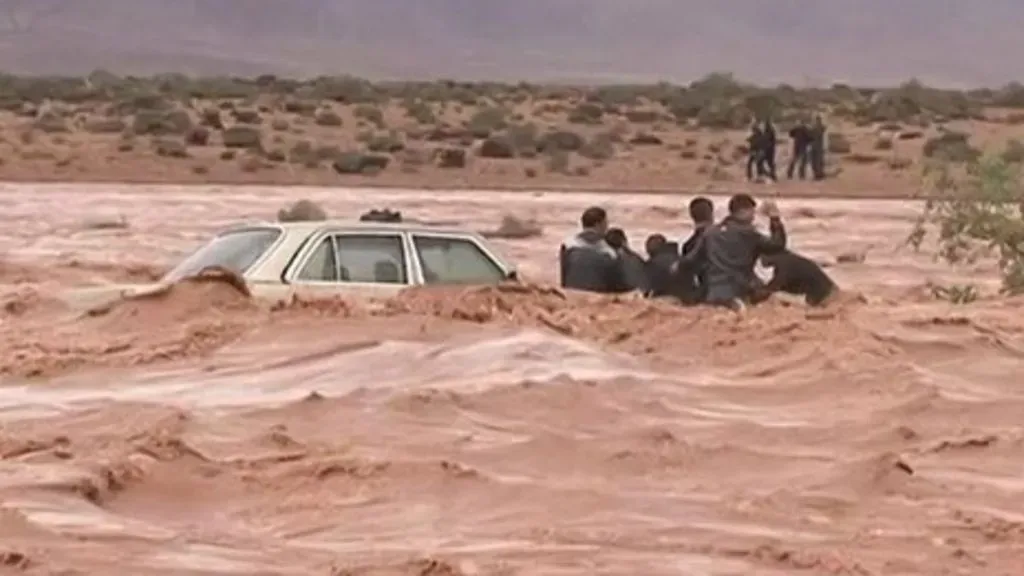
Morocco flash floods have wreaked havoc in the coastal Safi region, tragically claiming the lives of at least 37 individuals, as reported by state-owned television. This devastating event unfolded when torrential rains struck the area on Sunday, leading to chaotic scenes with cars and debris swept through the streets. With dozens injured and a significant number of homes submerged, local hospitals are overwhelmed by the influx of affected residents seeking medical attention. The aftermath of this disaster brings to light the urgent need for effective flooding recovery strategies, as access to the city remains perilous due to blocked roads. Amidst the turmoil, the climate crisis impact is evident, as experts link these extreme weather events to the ongoing issues of drought and rising temperatures that have plagued Morocco in recent years.
In recent news, the coastal city of Safi in Morocco has suffered catastrophic flooding events, which have led to loss of lives and considerable destruction. Such significant water inundation showcases the pressing challenges associated with extreme weather patterns becoming increasingly prevalent due to global climate changes. Many individuals in the region are left grappling with the aftermath, requiring substantial support for both rescue operations and infrastructure recovery. As the nation processes the sorrow caused by these floods, it is crucial to address the wider implications for Morocco’s weather patterns. The necessity for enhanced preparedness and response systems has never been more urgent in the face of such climate-related disasters.
The Impact of Morocco Flash Floods on the Safi Region
The recent flash floods in Morocco’s Safi region have had catastrophic effects, claiming at least 37 lives and causing widespread destruction. Torrential rain swept through the coastal port city, turning calm streets into raging torrents that carried away vehicles and debris. Emergency services have struggled to respond to the devastation as local hospitals report numerous injuries and ongoing rescue operations. Access to safe routes has been severely hindered, with many areas completely submerged under water, complicating rescue efforts and leaving residents stranded.
While immediate recovery plans are being implemented, the longer-lasting consequences of these floods will likely have a profound impact on the community. Homes and businesses have been destroyed, leading to crippling economic challenges for families in the region. The persistence of adverse weather patterns signals a pressing need for robust infrastructure improvements and flood mitigation strategies as Morocco faces ongoing climate challenges, including the impacts of the climate crisis that has spurred this extreme weather.
Injured residents recount harrowing tales, many having lost everything to the floods. One survivor shared, “I have nothing left. I’ve lost everything.” These emotional testimonies highlight not only the physical destruction but also the psychological toll such disasters inflict on the affected communities. As authorities conduct search and rescue missions, there is an urgent call for assistance with pumping water and clearing debris to restore some semblance of order in the city.
Frequently Asked Questions
What recent events occurred in Morocco flash floods in the Safi region?
The recent flash floods in Morocco’s Safi region have resulted in the tragic loss of at least 37 lives due to torrential rains that swept through the area, leading to severe damage and multiple injuries.
How have the Morocco flash floods impacted the local community in the Safi region?
The Morocco flash floods have severely impacted the Safi region, submerging approximately 70 homes in the old city center and leaving many residents without essential belongings and shelter.
What are the ongoing rescue operations in Morocco related to the flooding?
Ongoing rescue operations in Morocco aim to assist those affected by the flash floods, with local authorities conducting search missions and providing medical treatment to those injured during the disaster.
How is the climate crisis influencing Morocco’s weather patterns, especially concerning recent floods?
Experts indicate that the climate crisis is a significant factor behind the weather patterns in Morocco, contributing to the extreme fluctuations, including the recent flash floods and a history of severe droughts.
What steps are being taken for flooding recovery in Morocco’s Safi region?
Flooding recovery efforts in Morocco’s Safi region include emergency response teams clearing roads of debris and providing support to displaced residents, while authorities assess the full impact of the flash floods.
Where can I find more information on Morocco weather news following the floods?
For the latest information on Morocco weather news, including updates on the flooding and forecasts, refer to local news outlets and the Moroccan weather service, which provide timely updates.
What should residents prepare for in light of the flooding recovery in Morocco?
Residents in Morocco should prepare for ongoing flooding recovery measures by ensuring access to emergency supplies, staying informed through local channels, and being ready for potential additional weather challenges.
| Key Point | Details |
|---|---|
| Fatalities | At least 37 people have died due to flash floods in Safi. |
| Damage to Property | Dozens of people have been injured, and at least 70 homes are submerged. |
| Access Issues | Main roads into Safi are blocked by debris, hindering rescue efforts. |
| Survivor Accounts | Residents have lost their belongings and are in desperate need of assistance. |
| Ongoing Weather Concerns | Continuous rain and snow are expected, complicating rescue efforts. |
| Climate Impact | Experts link the severe weather to the ongoing climate crisis. |
Summary
Morocco flash floods have caused significant destruction and loss of life, underscoring the urgent need for effective disaster management and climate resilience strategies. The recent floods in Safi have not only claimed 37 lives but have also left many residents struggling with injuries and loss of property. As weather patterns become increasingly unpredictable due to climate change, Morocco must prioritize infrastructure improvements and emergency preparedness to safeguard its communities against future disasters.