
Listen to this article
Moor Park Underground Station is a hidden treasure in the city’s transport network that many Londoners might never encounter. Situated in the affluent Three Rivers district of Hertfordshire, this station on the Metropolitan line offers a unique access point for those commuting from the suburbs into central London. With its history rooted in London Underground history, Moor Park serves as a vital part of the daily commute for countless residents seeking a quick route to the city. Originally opened as a rural outpost in the early 20th century, it has evolved alongside the surrounding residential developments, embodying the charm of upscale living. Despite its elegant locale and historical significance, Moor Park Tube station remains one of the London Tube hidden gems, often overshadowed by busier stops on the network, yet fulfilling an essential role in logistics for those in Hertfordshire.
Nestled within a picturesque suburb, Moor Park station stands as a remarkable link in the metropolitan transport system. This unobtrusive stop, positioned along the Metropolitan line, has quietly transitioned from an isolated hub to a key player in regional commuting and urban development. As local residents navigate their daily journeys, they may not realize how this station has shaped their access to London over the decades. Its transformation from a rural train station to a modern transit point encapsulates the evolution of not just transport, but also the surrounding community’s growth and affluence. Furthermore, the historical context of this station adds layers to its significance, highlighting its role in London’s transportation narrative.
Discovering Moor Park Underground Station: A Hidden Gem
Moor Park Underground Station is a distinctive stop on the London Underground, hidden away in a posh neighborhood of Hertfordshire. Unlike many central stations that bustle with tourists and commuters alike, Moor Park offers a serene and upscale atmosphere, making it almost a secret location for most Londoners. This station, part of the Metropolitan line, is nestled between Croxley and Northwood, providing easy access to both urban life and the tranquil charm of suburban England.
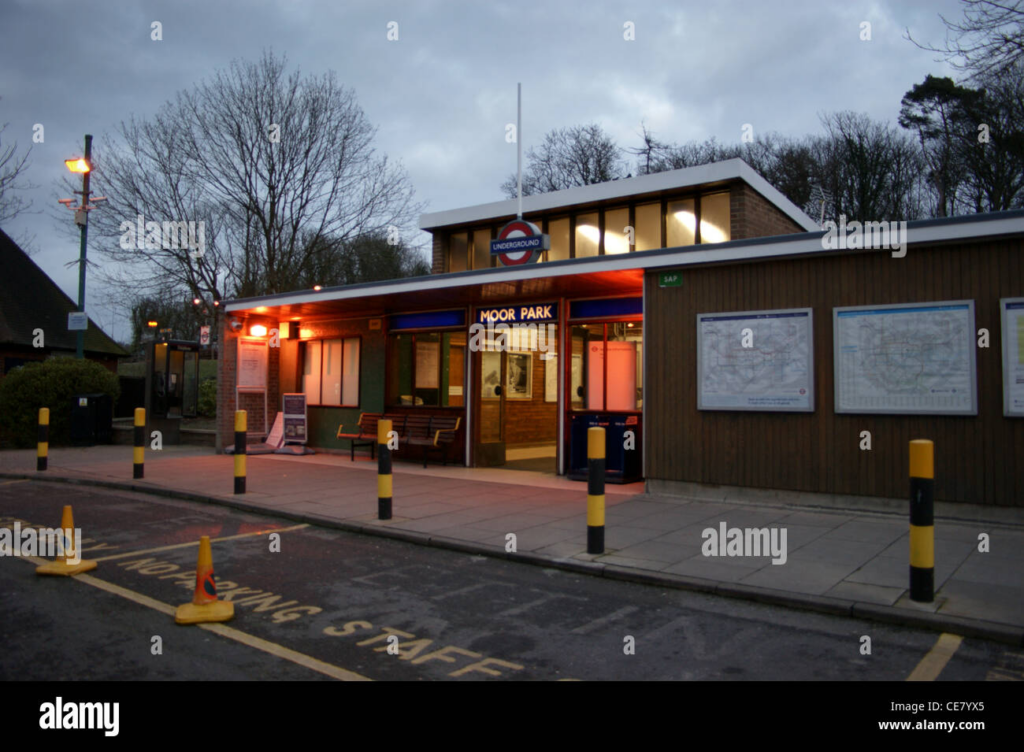
Originally opened as a rural outpost in the early 20th century, Moor Park has since evolved along with its surroundings into a residential suburb that attracts many commuters heading towards London. Its architectural significance is also noteworthy; the station was remodeled in 1932 by renowned architect Charles Holden, who gave it a modern brick structure that still stands today. This blend of historical charm and modern convenience makes Moor Park a unique spot on the Metropolitan line.
Moor Park Station’s Role in London Underground History
The history of Moor Park station intertwines with the broader narrative of the London Underground’s development. It first opened its doors in 1887 as part of the Metropolitan line, marking a significant expansion of urban transportation that would redefine commuting in the area. The station played a crucial role during the Second World War, acting as a life-saving conduit for evacuated children from London to the rural safety of Hertfordshire, showcasing its importance beyond just daily commutes.
Post-war, Moor Park station didn’t just continue to operate; it adapted to the needs of the growing population around it. The modernization efforts in the 1960s introduced contemporary facilities such as ticket machines and improved lighting, reflecting the increasing demand for efficient, user-friendly transport options. Today, Moor Park stands as a testament to the evolution of the London Underground, seamlessly blending its rich history with modern enhancements.
The Upscale Neighborhood Surrounding Moor Park Station
Moor Park station serves a community known for its affluence and beautiful residential areas, making it distinct from many other London Tube stations. The upscale surroundings are characterized by spacious homes, lush greenery, and exclusive amenities such as golf clubs and tennis courts. This serene suburban setting provides a stark contrast to the hustle and bustle of central London, making it a sought-after area for those looking to escape the urban grind while still having access to the city.
The neighborhood’s charm extends beyond its real estate; it fosters a strong community feel with local shops, cafes, and schools. However, despite its appeal, Moor Park station is somewhat isolated from public transport alternatives such as bus routes. This limitation has encouraged many residents to rely more heavily on the Underground for commuting, forming a tight-knit commuter community that treasures the quiet luxury of life in Hertfordshire.
Moor Park Tube Station: A Commuter’s Lifeline
For residents of Moor Park and nearby areas, the station is more than just a stop; it’s a vital link to London and a lifeline for commuters. The direct service to central London is particularly advantageous, allowing residents to travel to work or leisure destinations quickly and efficiently. The proximity to the Metropolitan line means that it connects users to major hubs like Baker Street and King’s Cross, making it an invaluable asset for the area’s professionals and families.
Moreover, Moor Park’s appeal is magnified by its clientele; many commuters are attracted to the area’s combination of luxury living and urban convenience. The lack of regular bus services has crafted a sense of exclusivity around the station, with the occasional private shuttle for MOD Northwood adding to its unique character. This situation emphasizes how indispensable the Moor Park station is for ensuring that residents can maintain a balance between suburban life and city accessibility.
Moor Park’s Connection to Hertfordshire Commutes
As part of the Metropolitan line network, Moor Park station is key for commuters traveling from Hertfordshire into central London. Many residents rely on this station for their daily journeys, benefiting from the efficiency and reliability of Tube services. The importance of Moor Park to Hertfordshire commutes cannot be understated; it not only alleviates traffic congestion on the roads but also supports the local economy by facilitating easy access to job markets in London.
Furthermore, the station’s unique positioning allows commuters from surrounding areas to enjoy a short travel time into the heart of London, which is invaluable for both professionals and students. The transformation of Moor Park into a commuter hub reflects broader trends in suburban living, where lifestyle choices increasingly favor access to urban amenities while enjoying the comforts of quieter neighborhoods.
Exploring the Local Attractions around Moor Park Underground Station
While Moor Park station itself is a delightful discovery, the surrounding area is brimming with local attractions that enhance its charm. Visitors can explore the nearby Moor Park Golf Club, a historic venue that attracts golf enthusiasts from afar. The picturesque scenery of the golf club, coupled with the upscale residential estates surrounding it, offers a serene escape from the city. This tranquility is especially appealing to those seeking relaxation or leisure activities just a short walk from the Tube station.
In addition to recreational opportunities, the area around Moor Park is rich in amenities, including quaint cafes, boutique shops, and parks. These local gems contribute to the area’s high quality of life, making it an attractive destination not just for commuters but also for families and individuals looking for a peaceful yet well-connected place to live. When venturing beyond Moor Park station, residents and visitors can immerse themselves in the local culture and community, which reflects the uniqueness of this upscale neighborhood.
The Architectural Significance of Moor Park Station
Moor Park station’s architecture is indicative of its historical significance as part of the London Underground. The stylish design by Charles Holden in 1932 showcases the Art Deco influence prevalent during that era. The station’s clean lines and robust materials have not only aged gracefully but also continue to set it apart from other stations across the network. Architectural enthusiasts often take note of how the station embodies a blend of functionality and aesthetic appeal, perfectly situating it within the English capital’s rich transport heritage.
Furthermore, the design intentions behind Moor Park are reflective of the broader modernization of the London Underground during a time of significant urban development. The station’s sturdy brick and concrete materials were chosen for durability and practicality, ensuring its longevity. This thoughtful approach to structural design plays a pivotal role in preserving the station’s legacy, allowing it to remain a beloved part of the Metropolitan line that residents and tourists can appreciate today.
Preserving Moor Park: The Future of a London Underground Icon
Looking towards the future, preserving Moor Park station as a heritage site is crucial for maintaining its historical significance and architectural integrity. As urban development continues to expand, the challenge of adapting this station for modern needs while preserving its character becomes increasingly important. Maintaining Moor Park’s unique features will be essential in revealing its charm to new generations of Londoners and visitors.
Moreover, local authorities and the Transport for London agency have started initiatives to ensure that while Moor Park serves as a commuter hub, it also retains its boutique charm and accessibility. Balancing modernization with heritage conservation is vital; Moor Park is not only an iconic transport link in the London Underground network but also represents a key piece of London’s cultural history, reinforcing the significance of preserving such hidden gems across the city.
Navigating Transportation Challenges at Moor Park Station
Despite its many advantages, Moor Park station faces challenges typical of suburban Tube stations, particularly concerning transportation connectivity. While the station serves as a busy hub for London commuters, the absence of regular bus services limits public transport options for residents and visitors alike. This singular reliance on the Underground for commuting can create congestion during peak hours, raising concerns about accessibility in the future.
Addressing these transportation challenges will require innovative solutions to enhance connectivity without compromising the station’s unique charm. Collaboration among local government, Transport for London, and community advocates will be essential in finding ways to improve access to Moor Park station. Utilizing shuttle services or integrating more comprehensive public transport routes could not only alleviate congestion but also connect this hidden gem more closely with the vibrant hub of central London.
Frequently Asked Questions
What is the significance of Moor Park Underground Station in the London Underground history?
Moor Park Underground Station is notable in London Underground history as a unique gem on the Metropolitan line, first opened in 1887. It transitioned from a rural outpost to a vital commuter hub in the 1920s and 1930s, reflecting the expansion of suburban areas in Hertfordshire.
How does Moor Park Tube station serve Hertfordshire commutes?
Moor Park Tube station provides essential service for Hertfordshire commutes, connecting residents to central London via the Metropolitan line. Although it lacks regular bus routes, it remains a popular choice for those traveling to and from the city.
What notable architecture can be found at Moor Park Underground Station?
The architecture of Moor Park Underground Station is significant, particularly its brick and concrete buildings designed by architect Charles Holden, replacing original wooden structures in 1932. This design is part of its charm and historical value within the London Underground.
Why is Moor Park Tube station considered a hidden gem of the London Underground?
Moor Park Tube station is considered a hidden gem due to its upscale neighborhood location in Hertfordshire and its historical significance. Many Londoners may never visit, but it offers a unique perspective on the evolution of the Metropolitan line and suburban living.
How did Moor Park station support evacuation during the Second World War?
During the Second World War, Moor Park station was crucial in transporting children evacuated from London to safer rural areas. This highlights its importance not only as a commuter hub but also as a historical site with community significance.
What changes were made to Moor Park Underground Station in the 1960s?
In the 1960s, Moor Park Underground Station underwent modernization with new ticket machines, updated lighting, and improved facilities. These upgrades helped to maintain its status as a key hub for daily commuters in the area.
Are there any bus services available at Moor Park Underground Station?
Currently, Moor Park Underground Station does not have any regular bus services. The only available transport option is a private shuttle for MOD Northwood, reflecting its unique positioning within Transport for London’s fare zones 6 and 7.
| Feature | Details |
|---|---|
| Location | Hertfordshire, Three Rivers district |
| Opening Date | Part of Metropolitan line’s extension, first opened 1925 |
| Architectural Highlights | Brick and concrete buildings designed by Charles Holden (1932) |
| Historical Significance | Served as an evacuation point during WWII |
| Modern Facilities | Upgraded in the 1960s with new services |
| Commuter Accessibility | No regular bus routes; only a private shuttle to MOD Northwood |
Summary
Moor Park Underground Station is a unique facility that stands out in London’s transportation network, located in a wealthy area few Londoners may ever visit. Originally a rural outpost, it has transformed into an essential hub for commuting to central London while also serving historical functions, particularly during the Second World War. Despite its importance and modern upgrades, lacking public transport links like regular bus services limits accessibility to the station.