
Listen to this article
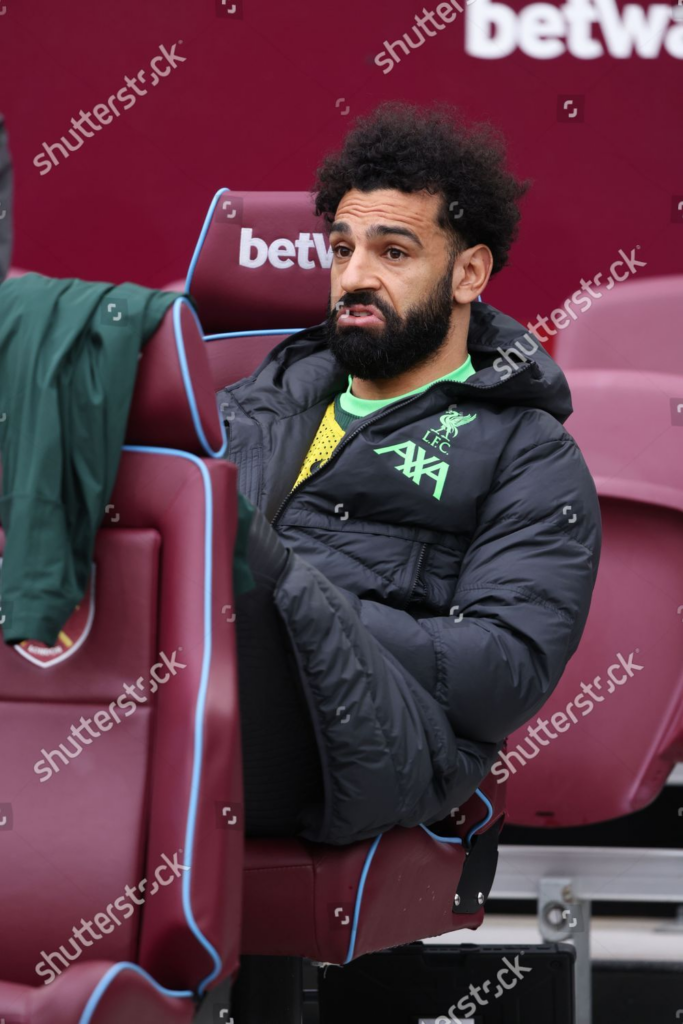
Mohamed Salah’s recent benching during Liverpool’s 2-0 victory over West Ham United has sparked a wave of discussion among fans and pundits alike. The Liverpool manager, Arne Slot, justified this decision by emphasizing the necessity to rest Salah, given the congested Liverpool fixtures that involve four matches within ten days. Critics have pointed to Salah’s performance, or lack thereof, raising concerns that he was not contributing defensively and was at risk of being outperformed by other players. With prominent figures like Peter Crouch and Wayne Rooney advocating for this strategic benching, the Premier League news is rife with analysis of how this move reflects deeper issues within the team. As Liverpool navigates its season, every decision—especially regarding key players like Salah—will have significant implications for the squad’s overall performance and morale.
The decision to bench Mohammed Salah signals a noteworthy shift in strategy for Liverpool FC during a critical point in the season. With intense scrutiny surrounding his recent contributions, some experts in football believe that this approach highlights the serious challenges faced by the club. Manager Arne Slot’s choice underscores the necessity for tactical adjustments, particularly when addressing performance discrepancies among key players. By utilizing the term ‘rosy outlook,’ Slot shed light on Salah’s past accomplishments while reinforcing the need for accountability within the squad. As Liverpool continues to rally through its demanding schedule, every match will be pivotal, prompting further evaluations on individual roles and the overall team dynamics.
Mohamed Salah Benching: A Tactical Move by Liverpool’s Manager
In a surprising twist during Liverpool’s recent match against West Ham United, Mohamed Salah was benched, a decision that raised eyebrows among fans and pundits alike. Liverpool manager Arne Slot communicated that Salah’s absence from the starting eleven was a calculated move necessitated by a grueling fixture list, with Liverpool facing four games in just ten days. The need for squad rotation is paramount, particularly when dealing with a restricted number of outfield players. Such a strategy aims to safeguard key players from burnout, ensuring that Salah, a crucial asset for Liverpool, remains fit and ready for the more demanding fixtures ahead.
Moreover, the decision to bench Salah sparked considerable discourse around his recent performance metrics. Critics, including former footballers like Peter Crouch, argue that Salah’s work rate has been questionable, warranting managerial decisions that prioritize team needs over individual star status. This line of thinking aligns with broader tactical adjustments needed to address the deep-rooted issues within the squad. By leveraging this delay in Salah’s appearances, Slot is crafting a strategy that could revitalize Liverpool’s form as they navigate through crucial Premier League news and fixtures.
Analyzing Salah’s Recent Performance and Criticism
The discussion surrounding Mohamed Salah’s recent performances has intensified, especially under scrutiny from football icons like Wayne Rooney and Jamie Carragher. Analysts have pointed out that Salah’s contributions—despite being statistically impressive—can sometimes lack consistency, especially in defensive duties. This analysis not only reflects on his individual performance but also highlights the broader implications for Liverpool’s squad dynamics, particularly in high-pressure games. The criticism from such respected figures emphasizes a collective expectation of accountability from star players, encouraging a culture of performance that extends beyond mere offensive statistics.
Moreover, Salah’s reaction to these critiques could be pivotal for his future with the club. As Liverpool’s fixtures become more critical in the quest for Premier League glory, every player’s role—including Salah’s—will be under the microscope. The club’s decision to bench him may serve as a wake-up call, pushing him to reassess his contributions on the pitch. It presents an opportunity for Salah to demonstrate his commitment not only to individual excellence but also to the collective ambitions of the team, effectively silencing critics and regaining his place as a vital player in Liverpool’s tactical arsenal.
The Impact of Managerial Decisions on Team Performance
Manager Arne Slot’s strategic decisions have sparked debates about the overall direction of Liverpool in the current Premier League season. By prioritizing a robust tactical framework over individual star power, Slot has demonstrated that no player, regardless of their history or accomplishments, is immune to being benched if their performance doesn’t align with the team’s needs. This bold approach also serves to reinforce a strong team ethos, as it sends a clear message that every player’s role is crucial in navigating the intense demands of the fixture schedule.
Such decisions are not merely punitive; they are intended to instill a sense of accountability across the squad. By making bold choices like benching Salah, Slot is not only addressing immediate performance issues but also fostering a competitive environment where every player must maintain high standards. Adjusting to such managerial decisions could bring revitalized energy to the squad, potentially translating into improved results in future matches as players rise to the challenge of proving their worth in each fixture.
Liverpool Fixtures and the Challenges Ahead
As Liverpool gears up for a packed fixture schedule, the challenges become more pronounced with each passing match. Having four games in such a short span puts immense pressure on the entire squad, necessitating thoughtful rotation to manage player fatigue while maintaining competitive performance levels. The decision to bench key players like Mohamed Salah is a reflection of the urgency to keep the squad fresh and strategically agile, particularly with the Premier League’s title race heating up.
Looking ahead, the upcoming Liverpool fixtures will not just test the tactical acumen of Slot but also the resilience of the players. As they confront varying playing styles from different opponents, each match provides an opportunity to reassess strategies and make necessary adjustments. The coaching staff and players must remain vigilant, adapting dynamically to game situations and learning from both successes and setbacks as they push for crucial points in the league.
Salah’s Future and Liverpool’s Long-Term Strategy
Mohamed Salah’s recent benching ignites conversations about his future with Liverpool, especially in light of his impending contract situation. While he is undoubtedly a pivotal figure in Liverpool’s attacking lineup, this current phase of questioning performance offers an opportunity for Salah to reflect on his contributions in conjunction with team goals. The support from management, as expressed by Slot, suggests that the club values his talent, but this moment also underscores a crucial turning point in maintaining his position among elite players.
Going forward, Salah’s ability to respond to both managerial criticism and team demands will likely dictate his longevity with the club. Liverpool’s long-term strategy hinges not just on individual brilliance but on cohesive team performance that aligns with their tactical vision. This necessitates that Salah, like all players, remains adaptable and proactive in meeting the expectations set upon him, ensuring that he contributes positively to the team’s overarching ambitions.
Fan Reactions to Salah’s Benching Decision
The decision to bench Mohamed Salah during a critical match has sparked mixed reactions among Liverpool fans. Many supporters recognize the tactical reasoning behind the benching, understanding the necessity of managing player fatigue during such a congested fixture schedule. Fans often appreciate that even the most celebrated players must sometimes take a step back for the good of the squad, advocating for a balanced approach that prioritizes overall team performance over star individualism.
On the other hand, some fans express frustration and disbelief at the decision, citing Salah’s historical contributions to Liverpool’s success. This split in opinion highlights the deep connection fans have with their star players, revealing a passionate desire for their heroes to perform at the highest level, at all times. The delicate balance between team strategy and fan sentiment is a recurring theme in football, and the club’s management must navigate this landscape thoughtfully as they work to build a competitive squad.
Comparing Salah’s Current Form to Past Seasons
When dissecting Mohamed Salah’s current form in comparison to previous seasons, it’s crucial to consider the overall dynamics of Liverpool’s playing style. In past seasons, Salah consistently demonstrated his ability to lead the line, both in terms of scoring and providing essential assists. However, this season has seen some inconsistencies in his play, sparking critiques from various football pundits. Analyzing these fluctuations can offer insights into broader team dynamics, influencing both tactical decisions and fan expectations.
Liverpool’s success has historically depended on harnessing Salah’s abilities to create opportunities and convert chances, yet there seems to be a departure from that narrative this season. Evaluating his performance metrics against the backdrop of the team’s overall form highlights a potential disconnect that the coaching staff must address. The expectation is that Salah will recalibrate his approach in tandem with team efforts, returning to the form that made him a pivotal player in Liverpool’s recent history.
Exploring the Role of Criticism in Player Development
In the world of professional sports, criticism plays a dual role—both as a potential deterrent and as a valuable catalyst for player development. For players like Mohamed Salah, criticism from fans and pundits alike can serve as an opportunity for growth, pushing athletes to re-evaluate their approach to the game. In Salah’s case, the recent benching may represent a turning point, where external voices reaffirm the importance of sustaining high performance levels for both personal success and team objectives.
Moreover, public reactions and media scrutiny are byproducts of the spotlight that stars like Salah find themselves in. Engaging constructively with criticism can lead to enhanced resilience and improved gameplay, ultimately benefiting the player and the team. By harnessing feedback, Salah has the potential to adjust his style and return stronger, embodying a spirit of continuous improvement that resonates well within Liverpool’s ethos.
Liverpool’s Strategic Adjustments in Star Player Utilization
Liverpool’s approach to utilizing star players like Mohamed Salah has seen strategic adjustments, especially in light of the current season’s demanding fixture load. Recognizing that player fatigue can drastically affect team performance, manager Arne Slot’s decisions reflect a new era of tactical flexibility aimed at maximizing overall output from the squad. This adaptive strategy demonstrates a conscious shift towards placing the collective squad’s health and performance above individual accolades, guiding the team through its most tumultuous periods.
As Liverpool adapts to numerous challenges, the ability to effectively leverage star players without overextending them will be crucial. Salah’s role, while still vital, will require careful management to ensure he contributes meaningfully without compromising his fitness. Emphasizing data-driven decisions in player rotation, coupled with a strategic understanding of opponents, will be integral for achieving success in upcoming fixtures as Liverpool seeks to reclaim their status among the league’s elite.
Frequently Asked Questions
Why was Mohamed Salah benched during Liverpool’s recent fixture?
Mohamed Salah was benched during Liverpool’s 2-0 victory over West Ham United due to the team’s congested fixture schedule. Manager Arne Slot explained that resting Salah was necessary as Liverpool is facing four matches in just ten days, and with a limited squad of only 14 or 15 outfield players, strategic changes had to be made.
What did Liverpool’s manager say about Mohamed Salah’s benching?
Liverpool manager Arne Slot emphasized that Mohamed Salah is a ‘special player’ with an ‘unbelievable career’ but noted the need for rotation in the squad due to a packed schedule. He justified the decision to bench Salah as a necessary step for the team’s overall performance and player management.
How did pundits react to Mohamed Salah’s benching?
The pundits had mixed reactions to Mohamed Salah’s benching. Former striker Peter Crouch supported the decision as necessary for addressing Liverpool’s ‘deep-rooted’ issues, while Alan Shearer called it a justified ‘big call’. Wayne Rooney suggested it was a strong message for Salah to improve his defensive work rate.
Is Mohamed Salah’s recent performance a reason for his benching?
Yes, Mohamed Salah’s recent performances have faced criticism from former players like Jamie Carragher and Graeme Souness, who pointed out his lack of defensive contribution. This criticism, alongside calls for his benching, may have influenced the decision by Liverpool’s manager during a challenging period for the team.
When was the last time Mohamed Salah was dropped from the starting lineup?
Mohamed Salah was last dropped from a Premier League starting lineup in April 2024. His recent benching against West Ham marked a significant moment in his career, highlighting the pressures and expectations on him as a key player for Liverpool.
| Key Point | Details |
|---|---|
| Unused Substitute | Mohamed Salah did not play in Liverpool’s 2-0 victory over West Ham. |
| Manager’s Rationale | Arne Slot stated the need to rest Salah due to a busy schedule with four matches in ten days. |
| Squad Limitations | Liverpool only had 14 or 15 outfield players available, prompting necessary changes. |
| Salah’s Status | Slot referred to Salah as a ‘special player’ with a bright future at Liverpool. |
| Expert Opinions | Peter Crouch and Alan Shearer supported the decision to bench Salah for poor performance. |
| Critiques on Form | Jamie Carragher and Graeme Souness criticized Salah’s recent form and lack of defensive effort. |
| Alternative View | Phil Jagielka pointed out the challenge of benching key players like Virgil van Dijk compared to Salah. |
| Historical Context | This marked Salah’s first benching from a Premier League starting lineup since April 2024. |
| Current Season Stats | Salah has scored four goals in the Premier League this season despite Liverpool’s struggles. |
Summary
Mohamed Salah benching during Liverpool’s recent match signals a pivotal moment in the team’s strategy. With manager Arne Slot emphasizing the need for rotation due to fixture congestion, the decision reflects a response to both squad limitations and Salah’s recent performance levels. The reactions from former players and analysts highlight the broader implications of performance accountability at top clubs. As Salah aims to reclaim his position, this situation could serve as a turning point for both him and Liverpool moving forward.

