
Listen to this article
In the realm of agriculture, the need to modernize mango farming has never been more critical. As the world’s largest producer of mangoes, India faces daunting challenges in mango cultivation due to climate change, rising input costs, and unpredictable weather patterns. Innovative farming techniques are essential to ensure sustainable mango farming practices that can meet the demands of a shifting climate while increasing yields. By adopting modern mango farming innovations, farmers can overcome traditional challenges related to pests, soil quality, and fruit quality. The future of mango cultivation lies in embracing these advancements to not only sustain but also enhance the productivity of this treasured crop.
As the agriculture sector evolves, revitalizing mango agriculture is becoming paramount for producers globally. With climate adaptation and agricultural efficiency being at the forefront, the implementation of advanced mango cultivation techniques has emerged. Many farmers are now turning to cutting-edge methods to address the challenges posed by environmental shifts and evolving market demands. Through addressing the obstacles in mango farming, such as pest management and optimizing growth conditions, a new era of sustainable farming is within reach. This transition not only promises better yields and profitability but also supports the health of the ecosystem, ensuring that mango farming can thrive for generations to come.
Modernize Mango Farming: Embracing Innovation
In today’s agricultural landscape, modernizing mango farming requires a blend of innovative techniques and advanced technology. Farmers are increasingly turning to scientific methods to enhance mango cultivation, which can significantly improve yield and quality. Techniques such as precise soil and leaf analysis allow growers to tailor their fertilizer application, maximizing crop nutrition and minimizing waste. By understanding the specific needs of their soil, farmers can make informed decisions that lead to healthier trees and better fruit production, counteracting the adverse effects of climate change.
Furthermore, innovations like fruit bagging and girdling are revolutionizing how mangoes are cultivated. Bagging protects fruits from pests and diseases, ensuring higher quality for export markets. Girdling redirects a tree’s energy towards fruit production, enhancing both the quantity and quality of mango yields. Such modern practices not only help in maintaining consistent productivity but also assist farmers in adapting to the erratic weather patterns caused by climate change. Embracing these innovations is crucial for the future of mango farming.
Challenges in Mango Farming: Navigating Climate Change
Mango farming faces numerous challenges, with climate change being at the forefront. Farmers like Upendra Singh lament that unpredictable weather patterns are disrupting traditional farming cycles, affecting flowering and fruiting times. The increased unpredictability results in a loss of yields and higher production costs, creating a significant strain on the livelihoods of mango farmers. With erratic temperatures, pests appear at unexpected times, compounding the challenges already posed by insects and diseases.
Additionally, the rising costs of inputs such as pesticides and labor further exacerbate the difficulties faced by mango growers. Many farmers are spending more but reaping less, highlighting the necessity for sustainable farming practices. Implementing sustainable mango farming techniques can help mitigate the impacts of climate change. By focusing on environmental stewardship, farmers can enhance the resilience of their crops and adapt to the new realities of farming in a changing climate.
Sustainable Mango Farming Techniques for a Healthy Future
Sustainable mango farming techniques are essential in addressing not only the economic viability of mango production but also its environmental impact. Methods such as integrated pest management reduce the reliance on chemical pesticides, promoting healthier ecosystems and producing cleaner fruits. Additionally, practices like crop rotation and intercropping can improve soil health, conserve water, and increase biodiversity, making mango orchards more resilient against climate stresses.
Moreover, sustainability practices contribute to the long-term viability of mango farming. Utilizing organic fertilizers, engaging in fair trade practices, and employing water conservation techniques help farmers maintain their land while yielding higher quality products. By prioritizing sustainable farming, mango producers can meet consumer demand for environmentally friendly products while ensuring a stable and profitable farming operation.
Mango Cultivation Techniques for Better Yields
Implementing effective mango cultivation techniques is crucial for maximizing yields and enhancing fruit quality. Many farmers are now focusing on scientific pruning and canopy management to control tree growth, which not only facilitates easier harvesting but also improves sunlight penetration, leading to better fruit development. These techniques enable farmers to create ideal growing conditions, optimize resource usage, and increase overall productivity.
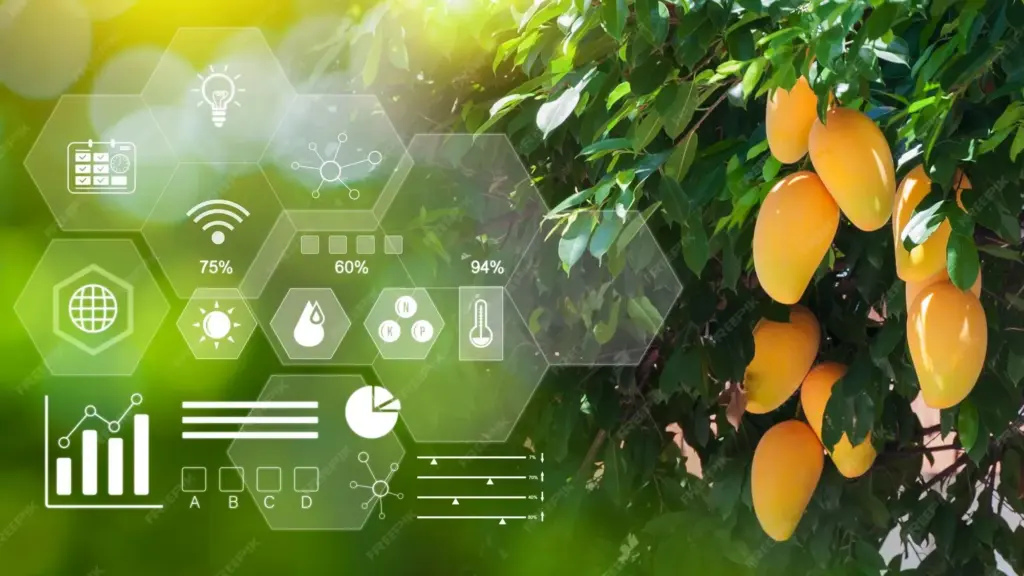
Additionally, technologies such as sensor-based irrigation systems are being introduced to mango farms, allowing for precise water management. With the rising challenges of climate change, optimizing water use is more critical than ever. Such advanced methods not only conserve water but also reduce costs associated with excessive irrigation, making mango farming more sustainable. By adopting these modern cultivation techniques, farmers can improve their resilience against climate variances while producing higher quality mangoes.
The Role of Research in Mango Farming Innovation
Research plays a pivotal role in driving innovation in the mango farming industry. Institutions like the Central Institute for Subtropical Horticulture have been at the forefront, developing new mango varieties that are resistant to pests and adaptable to varying climatic conditions. The sequencing of the mango genome has accelerated this process, allowing scientists to pinpoint genetic traits associated with desirable characteristics such as fruit size, sweetness, and resistance to diseases.
Investment in research not only enhances crop resilience but also promotes genetic diversity within the mango varieties cultivated. By providing farmers with access to improved cultivars, the likelihood of successful harvests during adverse climatic conditions increases. This collaborative effort between researchers and farmers affirms the importance of scientific and technological advancement in overcoming the numerous challenges faced in the mango farming sector.
Adapting to Climate Change in Mango Farming
As climate change presents new challenges for mango farmers, adaptation strategies have become essential for survival. Many growers are investing in climate-resilient mango varieties that can withstand unusual weather patterns, such as unexpected frosts or extreme heat. Such adaptations not only safeguard the crop but also ensure that farmers can continue to sustain their livelihoods despite unpredictable environmental factors.
Moreover, implementing practices such as rainwater harvesting and efficient irrigation can significantly mitigate the effects of climate change. These strategies not only help farmers cope with varying rainfall patterns but also support the sustainable use of water resources. By proactively adjusting their farming practices, mango growers can build a more resilient agricultural system capable of thriving in the face of ongoing climate challenges.
Innovative Practices for Enhanced Mango Quality
To meet the growing demand for high-quality mangoes in international markets, farmers are increasingly adopting innovative practices focused on enhancing fruit quality. Techniques such as meticulous temperature control through greenhouse cultivation allow farmers to produce superior mangoes that comply with export standards. This not only guarantees better market prices but also fosters a reputation for quality among consumers.
Additionally, the integration of precision agriculture technologies facilitates real-time monitoring of crop health. By employing tools that analyze leaf moisture and nutrient levels, farmers can promptly address any deficiencies before they impact fruit quality. As demands for excellent mangoes surge, the implementation of these innovative practices becomes crucial to maintaining competitiveness in a global market.
Evolving Consumer Preferences and Their Impact on Mango Farming
The rising awareness among consumers about sustainable sourcing and organic produce is reshaping the mango farming landscape. With consumers increasingly prioritizing sustainably farmed mangoes, growers are responding by adopting eco-friendly practices. This shift not only benefits the environment but also opens new market opportunities for farmers willing to invest in organic certifications.
As consumer demands evolve, farmers are now compelled to re-evaluate their production techniques. Encouraging practices such as sustainable land management and reducing chemical inputs align with growing preferences for food that is both healthy and responsibly sourced. By understanding and adapting to these evolving consumer trends, mango farmers can better position themselves in an increasingly competitive marketplace.
The Future of Mango Farming: Embracing Technology
Looking ahead, the integration of technology into mango farming is set to transform agricultural practices. Automation in planting, harvesting, and packing processes will not only enhance efficiency but also reduce labor costs. Furthermore, the use of drones for monitoring crop health and assessing field conditions represents a significant leap forward in agricultural technology, enabling farmers to address issues proactively.
Furthermore, digital platforms are providing farmers with access to crucial market information, weather forecasts, and pest management advice, empowering them to make informed decisions. By embracing these technological advancements, mango farmers can maximize their productivity, enhance resilience against evolving climate threats, and ultimately secure a sustainable future for their operations.
Frequently Asked Questions
What are the latest mango cultivation techniques for modernizing mango farming?
Modernizing mango farming involves adopting advanced mango cultivation techniques such as scientific pruning, proper canopy management, and using growth regulators. Techniques like ‘bagging’ fruit and ‘girdling’ branches help improve yield and quality, making mango farming more efficient.
How does climate change affect mango farming innovation?
Climate change significantly impacts mango farming innovation by introducing erratic weather patterns that disrupt flowering and fruiting cycles. To combat these challenges, researchers are focusing on developing mango varieties that can withstand temperature fluctuations and resist pests, ensuring sustainable mango farming amidst climate uncertainty.
What are some sustainable mango farming practices to overcome current farming challenges?
Sustainable mango farming practices include implementing soil and leaf analysis for accurate fertilizer application, using organic pest management, and integrating water conservation techniques. These practices enhance resilience against climate change effects and improve overall mango farm productivity.
What challenges do farmers face in modernizing mango farming methods?
Farmers face several challenges in modernizing mango farming methods, including rising input costs, unpredictable weather patterns caused by climate change, and the lengthy process of breeding new mango varieties. These factors contribute to decreased yields even as farmers invest more in their operations.
Can genetic science contribute to the modernization of mango farming?
Yes, genetic science plays a crucial role in modernizing mango farming. The sequencing of the mango genome has accelerated the breeding of resilient varieties that can tolerate climate variations and resist diseases. This scientific approach significantly shortens the traditionally lengthy breeding cycles.
What role does technology play in modern mango farming practices?
Technology enhances modern mango farming practices by enabling precise agricultural techniques, such as soil health monitoring, climate-controlled greenhouses, and digital pest management systems. This technological integration helps optimize yields and maintains fruit quality for better marketability.
How can innovative mango farming techniques improve fruit quality?
Innovative mango farming techniques, such as ‘bagging’ fruits during development and implementing scientific pruning, improve fruit quality by minimizing pest exposure and enhancing development conditions. These practices lead to larger, uniform, and higher-grade mangoes, meeting market demands.
What is the importance of climate resilience in mango farming innovation?
Climate resilience is vital in mango farming innovation as it enables farmers to adapt to changing weather patterns. Innovative mango varieties designed to withstand climate stressors play a crucial role in maintaining yields and ensuring consistent production despite adverse environmental conditions.
How do farmers utilize soil and leaf analysis for modernized mango farming?
Farmers use soil and leaf analysis to determine specific nutrient needs for their mango trees. This data allows for targeted fertilizer applications, optimizing growth and yield while avoiding overuse of chemicals, thereby promoting sustainable mango farming practices.
What are the benefits of greenhouse cultivation in mango farming?
Greenhouse cultivation in mango farming offers benefits such as controlled environments that mitigate the impact of climate change, protect against pests, and ensure consistent fruit quality. By adopting this method, farmers can achieve better yields and meet stringent export market standards.
| Key Point | Details |
|---|---|
| Mango Farming Challenges | Unpredictable seasons due to climate change, increased input costs, and decreased yields. |
| Varietal Diversity | India has around 700 varieties, with region-specific dominant varieties like Dasheri, Alphonso, Langra, and Malda. |
| Climate Impact | Erratic weather affects flowering, fruit development, and harvesting schedules leading to wastage. |
| Research & Innovation | ICAR is developing climate-resilient mango varieties and has sequenced the mango genome to enhance breeding. |
| Modern Cultivation Techniques | Techniques like ‘bagging’, ‘girdling’, scientific pruning, and using growth regulators help improve yields. |
| Quality Improvement | Innovative methods like soil analysis and greenhouse cultivation are used to enhance fruit quality and pest management. |
Summary
To modernize mango farming, it is essential to employ innovative techniques that address the challenges imposed by climate change. By integrating scientific research with traditional practices, farmers can significantly enhance their mango yields and quality. Methods such as genome sequencing and the development of climate-resilient varieties, along with advanced cultivation techniques such as bagging and girdling, are crucial. This strategic approach not only helps in adapting to changing climatic conditions but also promotes sustainable practices, ensuring that mango farming continues to thrive in India, the world’s largest mango producer.

