
Listen to this article
Modern slavery is an urgent and pervasive issue affecting countless individuals globally, including within urban hubs like London. Growing awareness of this hidden crisis has unveiled shocking realities, such as cuckooing, where vulnerable residents are manipulated into facilitating criminal activities. Increasing reports of modern slavery in London—up nearly 10% from the previous year—uncover the grim experiences faced by victims of modern slavery who often feel trapped and powerless. The stories of these individuals highlight the crucial need for modern slavery support services that not only assist survivors but also raise public awareness on how to help survivors reintegrate into society. As we confront the complexities of modern slavery, it’s imperative to cultivate community vigilance and compassion to combat this blight on human dignity.
In the broader context of human rights violations, the term “human trafficking” often surfaces alongside discussions surrounding modern slavery and exploitation. A myriad of individuals find themselves ensnared in situations of involuntary labor, deception, or coercion, stripped of their freedom and dignity. With the rise of such heinous acts bring services that identify victims and provide crucial support, communities are urged to recognize warning signs and unite against these injustices. The alarming trend of urban exploitation, particularly in areas like London, calls for immediate and concerted efforts to safeguard those vulnerable to criminal manipulation. Engaging with the complexities of this issue is essential, as it empowers us to better understand and combat the cycles of abuse and victimization.
Understanding Modern Slavery: A Growing Concern
Modern slavery remains a pressing issue in London, with recent statistics indicating that reports of exploitation have surged by almost 10% from the previous year. Victims face various forms of coercion and manipulation, often unaware of the precarious traps set for them by criminals. This insidious practice not only affects individuals like Christian, who found himself drawn into cuckooing—the act of criminals taking over someone’s home for illegal activities—but also has widespread implications for the community. Local residents may feel an increasing sense of fear and unease as they realize how common modern slavery has become in their own neighborhoods.
As awareness around modern slavery grows, it becomes essential to understand the underlying factors that contribute to this phenomenon. Isolation, particularly in the wake of the pandemic, has made many more vulnerable to exploitation. Cuckooing has become a prevalent form of modern slavery, with criminals targeting those who may be lonely or desperate for companionship. The ramifications of these crimes are profound, affecting not only the victims but also their families, neighborhoods, and the fabric of society itself. Recognizing these risks is the first step toward combating modern slavery at its roots.
Cuckooing: A Disturbing Trend in Modern Slavery
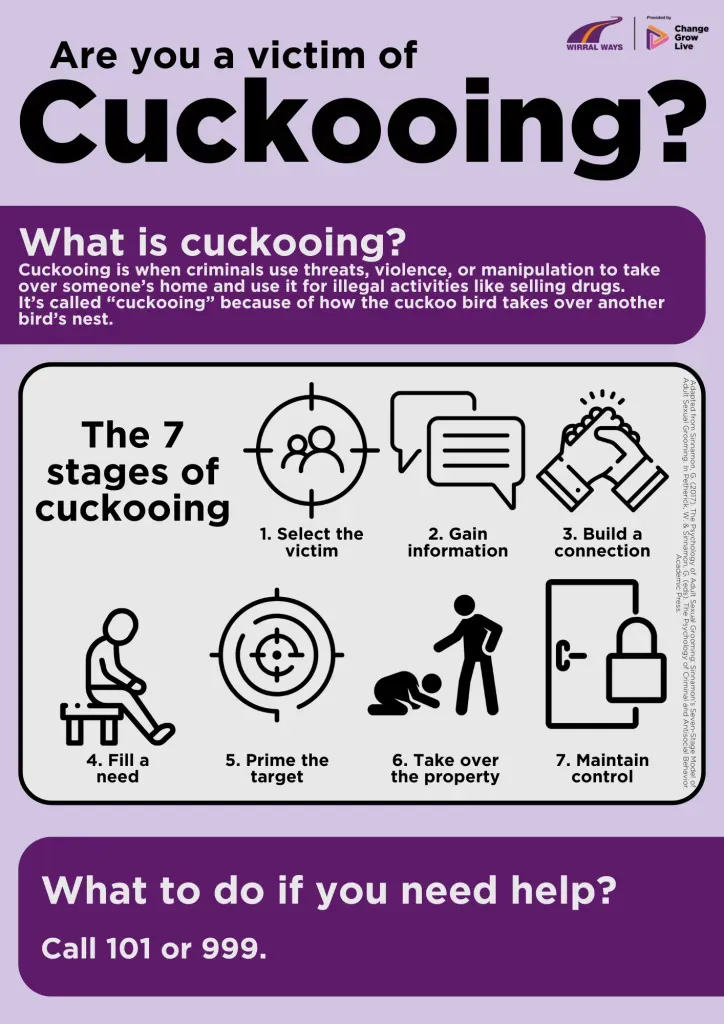
Cuckooing is a troubling modern slavery trend that exemplifies how criminals exploit the vulnerabilities of individuals, especially those living alone or in isolation. This practice involves taking over a victim’s home to use it as a base for drug dealing and other illegal activities, often initiated through a deceptive friendship. Victims, like Christian, can slowly lose control over their homes and, ultimately, their lives. Once a safe space, their residences turn into hubs of fear and exploitation, where intimidation and coercion dictate daily existence.
Understanding cuckooing is crucial in identifying potential victims and providing effective intervention. Organizations such as Hestia focus on raising awareness and offering support to survivors. By doing so, they help dismantle the networks that perpetuate modern slavery. Preventing cuckooing requires a community-centered approach to ensure that the signs of exploitation are recognized early. Education and outreach can empower potential victims, offering them resources and connections to support systems that help them reclaim their lives before it is too late.
Supporting Victims of Modern Slavery in London
Survivors of modern slavery face numerous challenges in rebuilding their lives after such harrowing experiences. Institutions like the Salvation Army and Hestia play a critical role in providing essential support services, such as safe accommodation and mental health assistance. These organizations help survivors navigate the complexities of recovery, offering a blend of emotional and practical support to facilitate their reintegration into society. Understanding how to help survivors through these difficult times can significantly impact their ability to heal and move forward.
Additionally, awareness and education are vital components in enhancing modern slavery support services. Community initiatives can help inform the public about the signs of exploitation, encouraging reports and intervention when necessary. By fostering a culture of compassion and understanding, we empower ourselves to stand against modern slavery. Every effort counts when it comes to supporting victims, from raising awareness in schools to volunteering for local organizations that provide assistance. Collective action can drive change and provide a pathway to recovery for many trapped in these unimaginable circumstances.
The Rise of Modern Slavery Reports in London
The increase in reported cases of modern slavery in London reflects a troubling trend that highlights the need for urgent action. With Home Office data showing a significant rise in exploitation offenses, it’s clear that the mechanisms for reporting and identifying victims are being utilized more frequently. However, the stark reality is that modern slavery may still be underreported, as many victims remain invisible to authorities due to fear, stigma, or hopelessness. This growing visibility raises important questions about how society addresses the root causes of exploitation and the safety nets available for at-risk individuals.
The upward trajectory in modern slavery cases serves as a call to action for both officials and the public. Policies must evolve to address this alarming situation effectively—whether through enhancing support mechanisms for victims or tightening restrictions on those who exploit them. Increasing collaboration among local governments, law enforcement, and community organizations can create a robust framework that protects individuals and reduces vulnerabilities. Only through concerted efforts can we hope to turn the tide against modern slavery and support those affected in their journey to recovery.
How to Help Survivors of Modern Slavery
Helping survivors of modern slavery is a collective responsibility that requires awareness, empathy, and proactive engagement. Individuals can start by educating themselves on the signs of modern slavery and understanding the complex realities faced by victims. By fostering a supportive environment, community members can create a safe space for survivors to share their experiences without fear of judgment. Local organizations that focus on modern slavery support often welcome volunteer efforts, providing opportunities for individuals to make tangible contributions to help those in need.
In addition to direct support, advocacy plays a crucial role in shaping public policy to protect victims of modern slavery. Engaging with policymakers to ensure that resources are allocated for prevention, education, and rehabilitation can help create long-lasting change. Spreading awareness through social media campaigns or community discussions can further amplify the voices of survivors. Each action, big or small, contributes to a united front against modern slavery and improves the likelihood that those affected will receive the help they deserve.
Identifying Victims of Modern Slavery: What to Look For
Identifying victims of modern slavery requires vigilance and awareness of the subtle signs that may indicate exploitation. Certain behaviors, such as fear of authority figures, lack of control over personal finances, and isolation from family and friends, can all be red flags. Victims might be reluctant to speak out, often conditioned to believe that they will not be taken seriously or may face punishment for seeking help. Understanding these indicators is crucial for those wishing to report suspected cases and assist in the rescue of individuals trapped in these situations.
Community training programs and workshops can enhance the ability to recognize potential victims of modern slavery, thereby bridging the gap between suffering and support. By equipping individuals, especially those in service industries or public-facing roles, with the knowledge to identify signs of exploitation, we increase the chances of intervention. Each community member can play a role in preventing modern slavery by remaining aware and empathetic to those around them, ensuring that they create an environment where victims feel empowered to seek help.
Regional Insights: Modern Slavery in Various London Boroughs
Modern slavery does not discriminate; it can occur anywhere, including seemingly tranquil neighborhoods across London. Each borough faces unique challenges in identifying and preventing modern slavery, influenced by factors such as socioeconomic conditions and levels of community engagement. For example, areas with higher rates of unemployment and social isolation may experience increased cases of cuckooing and other forms of exploitation, showcasing the need for tailored strategies in addressing these localized issues. Understanding the distinct dynamics within each borough is crucial for effectively combating modern slavery.
Collaboration among boroughs can enhance resource sharing, leading to more coordinated efforts in tackling modern slavery. Local authorities should pursue initiatives that unite community organizations, law enforcement, and residents, fostering a climate of vigilance and responsiveness. By integrating prevention strategies into community life, we can bring attention to the nuances of modern slavery in various London boroughs, understanding that this is a societal problem that places a burden on us all.
The Aftermath: Life After Escaping Modern Slavery
The journey of recovery for survivors of modern slavery is often fraught with emotional and psychological turmoil. While escaping from a traumatic situation is a monumental first step, the process of healing and rebuilding one’s life can be equally challenging. Many survivors, like Christian, experience deep emotional scars that persist long after leaving their abusive environments. Access to therapy, peer support groups, and resources that facilitate integration into society are crucial for helping these individuals reclaim their identities and establish a sense of normalcy.
Additionally, public and governmental support systems must adapt to the needs of survivors who may struggle with the aftermath of their experiences. This includes not only housing and financial assistance but also opportunities for education and employment that respect their unique journeys. Encouraging stories of recovery can help destigmatize the experiences of survivors, fostering a compassionate community that embraces rather than ostracizes. Ultimately, the path to recovery is complex, but with continuous support and understanding, survivors can find hope and purpose once more.
Community Action: Joining the Fight Against Modern Slavery
Communities play a pivotal role in the fight against modern slavery, serving as the first line of defense against exploitation. By coming together to establish local networks aimed at raising awareness and providing support, neighborhoods can create a formidable barrier against those who would exploit vulnerable individuals. Initiatives such as organizing community workshops, launching educational campaigns, and participating in local anti-trafficking efforts can empower residents to recognize and report suspicious activities and help reduce the prevalence of modern slavery in their areas.
Moreover, engaging local businesses in anti-slavery commitments can be a significant step towards creating a safer environment for everyone. Businesses can implement ethical practices in their supply chains and support local organizations that assist survivors. This collaborative effort cultivates a culture of accountability, ensuring that community members stand together to protect one another. As communities unite in the fight against modern slavery, they not only support victims and survivors but also contribute to building a more inclusive and hopeful society.
Frequently Asked Questions
What is modern slavery and how does it affect victims in London?
Modern slavery refers to situations where individuals are exploited through forced labor, human trafficking, and other forms of coercion. In London, victims often find themselves trapped in dangerous situations, manipulated into criminal activities, or subjected to cuckooing, where their homes are taken over for illegal purposes. Survivors frequently struggle with long-lasting psychological scars and may require extensive support to rebuild their lives.
What is cuckooing in relation to modern slavery?
Cuckooing is a specific form of modern slavery where criminals exploit vulnerable individuals by taking over their homes to use them for drug dealing or other illegal activities. This often involves manipulation and coercion, leading victims to unknowingly facilitate these crimes under the pressure of fear and aggression.
How can I help survivors of modern slavery?
You can help survivors of modern slavery by volunteering with organizations such as the Salvation Army or Hestia, which provide essential support services. Additionally, raising awareness about the signs of exploitation and reporting suspicious activities to local authorities can contribute to the protection of potential victims.
What support is available for victims of modern slavery in London?
Victims of modern slavery in London can access support through organizations like Hestia, which offers safe accommodation, financial aid, and counseling services. These resources are crucial for helping survivors regain stability and rebuild their lives after experiencing exploitation.
How prevalent is modern slavery in London?
Modern slavery is alarmingly prevalent in London, with reports increasing significantly according to recent Home Office data. The rise in cases of exploitation, including those involving British nationals, indicates that modern slavery is a pressing issue that affects communities across the capital.
What are the signs of modern slavery I should look out for?
Signs of modern slavery may include individuals working under unusual conditions, lack of freedom, signs of physical abuse, and an inability to speak for themselves. If you suspect someone is a victim of modern slavery, it is important to report your concerns to the authorities or a specialized support organization.
What are the legal measures in place to combat modern slavery in the UK?
The UK has established several legal measures to combat modern slavery, including the Modern Slavery Act 2015. This law provides a framework for identifying and supporting victims while imposing severe penalties for perpetrators. The government is continually working to enforce these laws and improve the support system for victims.
What resources are available for those experiencing cuckooing?
Individuals experiencing cuckooing can seek help from local authorities, charities like Hestia, and law enforcement. These resources provide crucial interventions and support to help victims reclaim their living situations and access safety from exploitative circumstances.
| Key Point | Details |
|---|---|
| Modern Slavery Survivor’s Story | Christian, a modern slavery victim, was manipulated into criminal activities by people he thought were friends. |
| Cuckooing Tactics | Christian became a victim of ‘cuckooing’, where criminals took over his home for drug storage. |
| Increase in Modern Slavery Cases | Reports of modern slavery in London rose by almost 10% in 2025 compared to 2024. |
| Support for Survivors | Organizations like Hestia provide essential services, safe accommodations, and mental health support. |
| Escaping Modern Slavery | Christian’s escape involved receiving support from friends and the Salvation Army, leading to a safe house. |
| Challenges Faced by Survivors | Survivors face barriers in finding permanent housing due to the housing crisis in London. |
Summary
Modern slavery remains a pressing issue across society, with increasing reports highlighting the depth of exploitation faced by vulnerable individuals like Christian. His harrowing story exemplifies how easily an ordinary life can devolve into a nightmare through manipulation and coercion. With the help of organizations dedicated to addressing modern slavery, survivors can gain access to vital resources, yet challenges remain in achieving long-term stability. As we strive to combat this insidious crime, awareness and support are key in helping victims reclaim their lives.