
Listen to this article
Modern architecture in London is reshaping the city’s landscape, showcasing a blend of innovation, sustainability, and bold design. As the skyline evolves, iconic structures such as The Shard and the Gherkin symbolize a new era of contemporary architecture, which enhances both functionality and aesthetics. These London buildings not only add to the urban development of the capital but also reflect a commitment to sustainable design practices that prioritize environmental responsibility. The juxtaposition of historic landmarks with modern designs creates a dynamic visual contrast that captivates both residents and visitors alike. In this exploration of modern architecture, we will delve into how these developments contribute to the vibrant fabric of London’s cultural identity and future.
The architectural landscape of London is undergoing a remarkable transformation, marked by innovative construction that embraces modernity and environmental consciousness. This contemporary building movement highlights a fusion of style and sustainability, offering a refreshing perspective on cityscapes that once seemed dictated by traditional forms. As London reinvents its urban core, the new architectural marvels not only redefine the skyline but also foster community interaction through accessible public spaces. With an eye towards eco-friendly initiatives, the shift in design approach engages city dwellers and contributes significantly to the urban ecosystem. From striking towers to thought-provoking urban spaces, the world of modern architecture in London embodies the spirit of progressive urban living.
Modern Architecture: A New Era for London
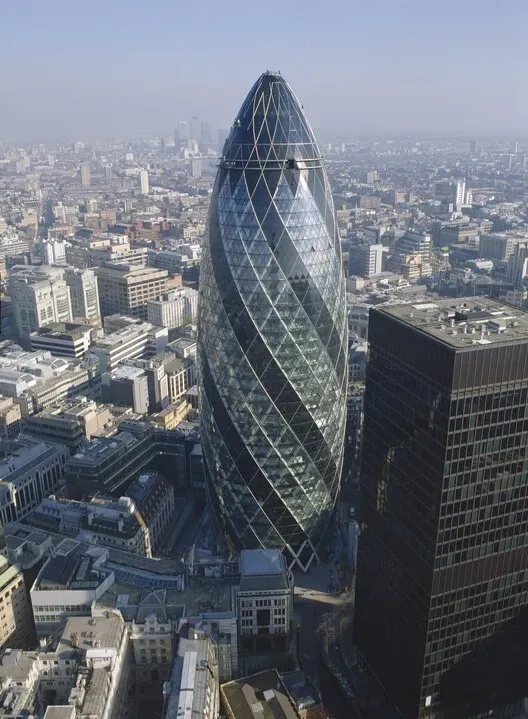
Modern architecture in London represents a significant departure from traditional styles, embracing innovative designs that challenge our perceptions of space and functionality. This new era showcases structures that not only serve their intended purpose but also enhance the urban landscape. Landmark buildings like The Shard and the Gherkin illustrate how contemporary architecture can be integrated with the city’s historical fabric, creating a skyline that tells a story of progress and creativity.
These modern buildings are not merely architectural feats; they are reflections of a city’s cultural and social evolution. The designs often incorporate advanced technologies and sustainable practices, setting a new standard for urban development. As architects prioritize designs that promote environmental sustainability and social interaction, we witness modern architecture reshaping not just skylines but also community dynamics across London.
Exploring the London Skyline Changes
The changing skyline of London is a fascinating representation of urban evolution, where historic architecture meets contemporary creativity. With iconic structures like the Shard and the Gherkin, the skyline now features shapes and materials that represent innovative construction techniques and sustainable philosophies. As these buildings rise, they reshape the visual identity of the city, offering both locals and tourists a view into a future where functionality and aesthetics coexist.
Moreover, the integration of modern structures into the skyline raises questions about urban identity and preservation. Balancing the modern elements with the city’s rich history is crucial. Initiatives to blend new designs with existing landmarks ensure that the London skyline remains diverse and appealing, showcasing the dynamic interplay between the old and the new, history and modernity, in shaping the city’s architectural narrative.
Sustainable Designs: The Future of London Architecture
London’s commitment to sustainability is increasingly visible in its modern architectural projects. Innovative designs now frequently incorporate green roofs, renewable energy sources, and energy-efficient systems that minimize environmental impact. Buildings like The Crystal stand as exemplars of this trend, as they not only provide spaces for business and creativity but also showcase the possibilities of sustainable design in urban development.
The shift towards sustainable architecture is not merely a trend but a necessity in the face of climate change and urban challenges. By prioritizing eco-friendly materials and designs, architects in London are pushing for a more responsible approach to urban growth. The focus on sustainability not only helps protect the environment but also enhances the quality of life for residents, contributing to a more livable and resilient city.
The Cultural Impact of Modern Architecture
Modern architecture in London transcends aesthetics; it has a profound cultural significance that reflects societal values and aspirations. Buildings like Google’s new headquarters are designed with an emphasis on collaboration and creativity, highlighting the role of architecture in fostering community engagement. Such projects embody the spirit of innovation that characterizes contemporary London, attracting a workforce eager to be part of a vibrant urban culture.
Additionally, the inclusion of public spaces and amenities in modern designs speaks to a growing recognition of the importance of communal areas. As architects envision buildings that serve not just their occupants but the wider community, the cultural fabric of London is enriched, creating spaces where diverse groups can connect and thrive.
Challenges of Modernization in London
While modern architecture brings exciting opportunities for growth and innovation, it also presents challenges, particularly in the realm of urban identity and heritage preservation. Critics argue that the relentless rise of skyscrapers and modern designs can overshadow the historic character of the city. The debate over gentrification and its impact on existing communities highlights the complexities of integrating new developments without displacing those who have long contributed to London’s diverse cultural landscape.
Moreover, challenges in the preservation of historical landmarks create a tension between progress and tradition. Ensuring that modern buildings respect and complement the historic sites is essential in maintaining the city’s unique charm. Stakeholders must navigate these complexities thoughtfully, striving for a harmonious coexistence of modern and traditional architectural styles.
Innovative Designs of London’s Iconic Buildings
The innovative designs of London’s modern buildings often set benchmarks in architectural ingenuity and functionality. Structures like the Walkie Talkie showcase how daring architectural concepts can transform urban spaces, making them more usable and aesthetically pleasing. With features such as elevated gardens and public terraces, these designs prioritize community interactions, inviting Londoners and visitors alike to experience the city in refreshing new ways.
Incorporating the latest technology and green building practices, these iconic structures highlight London’s role as a leader in contemporary architectural trends. As designers experiment with materials and forms, the result is a skyline that reflects not only the aspirations of its architects but also the needs of the community, showcasing a commitment to both innovation and inclusivity.
The Role of Technology in Modern Architecture
Technology plays a pivotal role in shaping the future of architecture in London. Advances in construction methods and materials have enabled architects to design buildings that were previously unimaginable. Incorporating smart technologies, architects can create spaces that are energy-efficient and responsive to the needs of their occupants, emphasizing a seamless integration of functionality and comfort.
Additionally, technological innovations facilitate sustainable practices, allowing for constructions that significantly reduce carbon footprints. As London moves towards an eco-conscious urban future, the embrace of technology in architecture is essential. This strategic use of modern tools ensures that developments not only meet today’s demands but also pave the way for a more sustainable and resilient city.
Community Engagement through Urban Design
Community engagement is increasingly recognized as a core element of modern urban design in London. By designing spaces that invite participation and interaction, contemporary architects are redefining how residents engage with their environment. Projects often incorporate public amenities, parks, and open areas that encourage social gatherings and community activities, reinforcing the idea that architecture can play a vital role in enhancing social connections.
Moreover, modern architecture initiatives take into account the feedback and needs of local communities, ensuring that designs resonate with the people they serve. This participatory approach not only fosters a sense of ownership among residents but also promotes a more inclusive urban environment where diverse perspectives are valued.
Prospects for London’s Architectural Future
The prospects for London’s architectural future are filled with potential as the city continues to evolve. Emphasizing sustainable practices and innovative designs not only shapes the urban landscape but also positions London as a global leader in contemporary architecture. The ongoing integration of green technologies into building designs creates opportunities for more resilient urban environments that can adapt to the challenges of the future.
As London forges ahead, collaboration among architects, urban planners, and community stakeholders will be crucial. By prioritizing imaginative approaches and sustainability, the city can create living spaces that honor its historical roots while embracing modernity. The vision for London’s architecture is undoubtedly bright, inviting all to explore and participate in the journey toward a vibrant, sustainable urban future.
Frequently Asked Questions
What is modern architecture in London?
Modern architecture in London refers to contemporary buildings and designs that integrate innovative aesthetics and technology. This approach shapes the city’s skyline through iconic structures like The Shard, the Gherkin, and the Walkie Talkie, emphasizing urban development and sustainable design.
How has modern architecture changed the London skyline?
Modern architecture has dramatically transformed the London skyline by introducing unique structures that challenge traditional architectural styles. Buildings such as The Shard and the Gherkin contribute to a contemporary urban silhouette, blending seamlessly with historical landmarks while enhancing the capital’s image.
What are some examples of sustainable design in London buildings?
In London, sustainable design is exemplified by structures like The Crystal and Battersea Power Station, which focus on eco-friendly materials, renewable energy, and energy efficiency. These buildings demonstrate how modern architecture can contribute to urban development while minimizing environmental impacts.
Why is the Gherkin significant in London’s modern architecture scene?
The Gherkin, designed by Sir Norman Foster, is significant because it represents the shift toward innovative and environmentally conscious design in modern architecture. Its energy-efficient features and distinctive shape make it an iconic symbol of London’s contemporary architectural landscape.
How does modern architecture promote community engagement in London?
Modern architecture in London promotes community engagement by incorporating public spaces and amenities into building designs, such as the landscaped gardens of the Walkie Talkie. These features encourage social interaction and provide accessible areas for residents and visitors alike.
What role does urban development play in modern architecture in London?
Urban development is crucial to modern architecture in London, as it guides the integration of innovative designs into existing neighborhoods. The focus is on creating functional, visually appealing spaces that enhance city life while addressing challenges such as gentrification.
How are technology and modern architecture intertwined in London?
Technology plays a vital role in modern architecture in London through smart building techniques, energy-efficient systems, and sustainable design innovations. This intersection helps create structures that are not only aesthetically pleasing but also contribute positively to urban ecology and living conditions.
What challenges does modern architecture face in London?
Modern architecture in London faces challenges such as balancing heritage preservation with new developments, public concerns about gentrification, and the potential disruption of the historic landscape. Addressing these issues is essential for sustainable urban development.
What future trends can we expect in London’s modern architecture?
Future trends in London’s modern architecture will likely focus on sustainable practices, the incorporation of green spaces, and smart technologies. Projects like the Thames Tideway Tunnel indicate a commitment to improving urban environments while respecting the city’s historical identity.
How does modern architecture impact London’s cultural identity?
Modern architecture impacts London’s cultural identity by reflecting contemporary societal values such as sustainability, innovation, and community. By incorporating artistic elements and public-use spaces, these buildings foster creativity and engagement, enriching the city’s cultural landscape.
| Key Points |
|---|
| Introduction to London’s modern architecture, highlighting the mix of old and new. |
| The skyline of London features iconic modern buildings like The Shard, The Gherkin, and The Walkie Talkie. |
| The Shard: Tallest building in the UK, completed in 2012, symbolizes London’s transition into modernity. |
| The Gherkin: Opened in 2004, showcases innovation and sustainability in modern office design. |
| The Walkie Talkie: Features public gardens and promotes social interaction in urban settings. |
| Sustainability is a focus with buildings designed to reduce carbon footprints, like The Crystal and Battersea Power Station. |
| Cultural significance of modern architecture, fostering creativity and community engagement, seen in projects like Google’s headquarters. |
| Challenges include disrupting historic landscapes and concerns about gentrification. |
| Future architecture must balance tradition with modernity, promoting sustainability and urban regeneration. |
Summary
Modern architecture in London represents a vibrant evolution of the city’s identity. As London embraces contemporary designs alongside its historic structures, it creates a dynamic urban landscape that not only enhances visual appeal but also promotes sustainability and community engagement. This architectural movement exemplifies the city’s commitment to blending innovative practices with a respect for its rich history, ensuring that modern architecture in London serves both residents and visitors alike as a testament to creativity and resilience.