Listen to this article
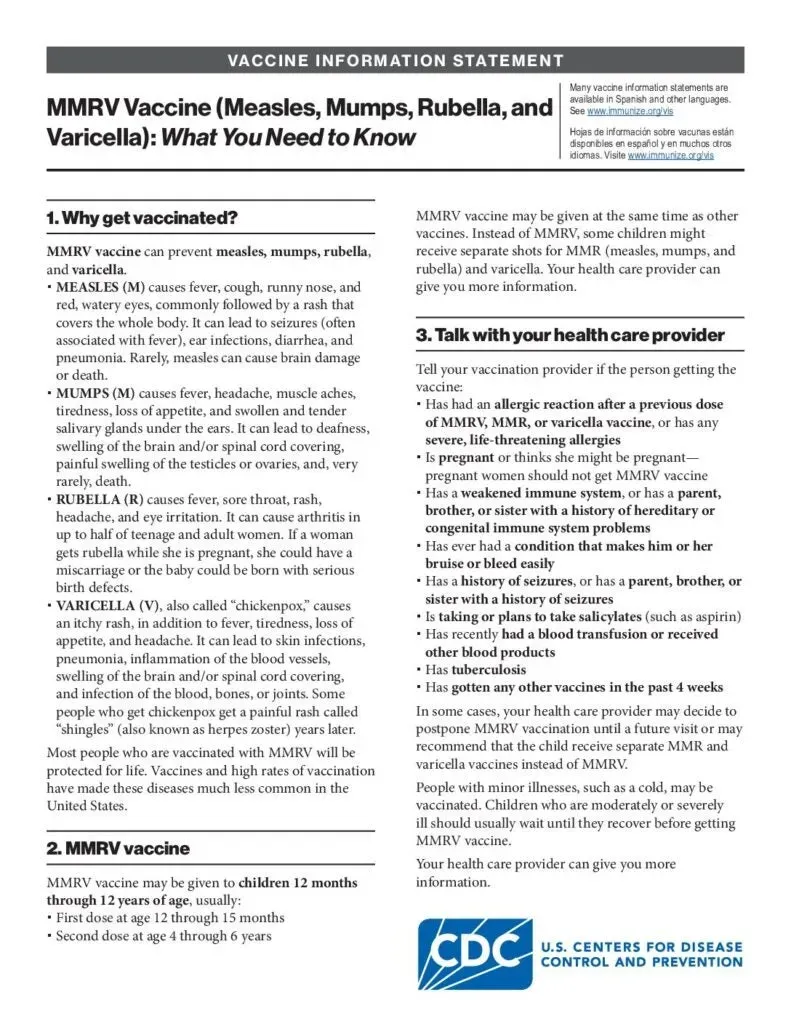
The MMRV vaccine, a groundbreaking combination vaccine, is now available to provide comprehensive immunization against chickenpox, measles, mumps, and rubella for young children in the UK. This innovative vaccination strategy marks a significant milestone in public health, as it integrates chickenpox vaccination into the existing NHS childhood vaccines program, which is administered at 12 and 18 months of age. By offering chickenpox protection through the MMRV vaccine, health experts aim to significantly reduce the incidence of this common childhood illness and its potential complications. The MMRV vaccine rollout will not only ease the financial burden on families who previously had to pay for private vaccinations but will also enhance overall childhood health. As the new year unfolds, parents are encouraged to participate in this pivotal vaccination initiative that promises a healthier future for their children.
Introducing the MMRV vaccine to the UK’s childhood vaccination schedule is a pivotal step in safeguarding young minds against a variety of infectious diseases. This advanced immunization, which includes protection against varicella, commonly known as chickenpox, is set to transform the landscape of pediatric health care. With the integration of chickenpox vaccination into standard immunization practices, parents now have a powerful tool to prevent severe health complications for their children. Coupled with the established measles, mumps, and rubella protection, this combined approach reinforces the importance of vaccination for children as a critical public health strategy. As families embrace this opportunity, the long-term benefits of widespread immunity are expected to yield a healthier next generation.
Understanding Chickenpox: Symptoms and Risks
Chickenpox is a highly contagious viral infection primarily affecting children, characterized by an itchy rash that starts as small red spots and progresses to blisters. These blisters eventually burst and form scabs, which can be both uncomfortable and painful. In addition to the rash, children may experience flu-like symptoms such as fever, fatigue, and muscle aches, leading to school absences. Approximately 90% of children under the age of ten will contract chickenpox at some point in their childhood, making it an extremely common illness.
While chickenpox is often mild for healthy children, it can lead to severe complications in some cases. Parents should be aware that chickenpox can worsen in young infants, pregnant women, or individuals with weakened immune systems. Complications can include bacterial infections of the skin, pneumonia, and even neurological issues like encephalitis. Given these risks, vaccination should be a priority for parents, especially with the new availability of the MMRV vaccine, which provides effective protection against chickenpox.
The New MMRV Vaccine: A Game Changer for Children’s Health
The launch of the MMRV vaccine represents a significant advancement in childhood immunization in the UK. This combined vaccine protects against measles, mumps, rubella, and chickenpox, ensuring comprehensive protection at a crucial time in children’s lives. The MMRV vaccine will be administered to children starting at 12 months, with a booster at 18 months, effectively streamlining the vaccination process for families. Experts are optimistic that this vaccine will reduce the incidence of chickenpox and associated hospitalizations, thereby relieving the burden on families and the NHS.
Many parents have long awaited the availability of a chickenpox vaccine on the NHS, as previous options required out-of-pocket expenses of up to £200. The introduction of the MMRV vaccine not only alleviates financial strains but also enhances overall public health by minimizing the risk of outbreaks. Countries like the US and Canada have successfully implemented similar vaccine programs, showing significant declines in chickenpox cases over the years. With the MMRV vaccine’s rollout, families can expect safer outcomes and fewer health complications related to chickenpox.
The Importance of Vaccination for Children
Vaccination is one of the most effective ways to protect children from preventable diseases like chickenpox. With the NHS now offering the MMRV vaccine, parents can ensure that their children receive this vital protection without facing financial burdens. Vaccination not only protects individuals but also contributes to community immunity, lowering infection rates and protecting those who cannot be vaccinated. The phrase ‘herd immunity’ captures this concept, as high vaccination rates can help eliminate the spread of contagious diseases within communities.
Moreover, the MMRV vaccine targets several serious diseases in one immunization, reducing the number of visits to the doctor for parents. It’s essential for parents to take advantage of this program and vaccinate their children according to the guidelines, as doing so can prevent the considerable health risks associated with chickenpox. Health officials emphasize that vaccines like the MMRV are safe, effective, and some of the most significant health interventions a parent can make for their child. By taking action now, parents help secure their children’s health for the future.
Historical Context: Chickenpox Vaccination in the UK
The introduction of the chickenpox vaccine into the standard NHS childhood vaccination schedule marks a notable shift in public health policy in the UK. Previous hesitations around the financial implications of a nationwide rollout and concerns regarding potential effects, such as an uptick in shingles cases, slowed progress. However, extensive studies in countries with established chickenpox vaccination programs have shown minimal negative consequences, alleviating many of these concerns. This historical decision reflects a greater understanding of the public health implications of chickenpox infection.
As the UK begins to align its childhood vaccination schedule with those of its international counterparts, expect to see an increase in awareness around the importance of vaccines like the MMRV. This historical move enables families to protect their children from a disease that can lead to serious complications, thereby enhancing the overall health of the population. The success observed in countries like Australia and Germany offers hope that similar positive outcomes will follow in the UK as public acceptance of the MMRV vaccine grows.
Challenges and Solutions in Vaccination Rollout
While the rollout of the MMRV vaccine is a significant advancement, challenges remain in ensuring that all eligible children receive it. Misinformation and vaccine hesitancy can impact parents’ decisions to vaccinate their children. Public health campaigns are essential to educate families on the benefits and safety of the MMRV vaccine and counter fears rooted in myths or misconceptions. Transparency about the vaccine’s efficacy and historical data demonstrating its safety will be crucial in fostering trust among parents.
Additionally, logistical challenges such as ensuring adequate vaccine supply and training healthcare providers to administer the new vaccine effectively are critical components of a successful rollout. Collaboration between government agencies and healthcare providers will facilitate smooth distribution while maintaining public outreach to ensure all families are informed about when and where to access the vaccine. With focused efforts on education and logistics, the UK can enhance its vaccine coverage rates significantly.
Parental Concerns: Addressing Vaccine Hesitancy
Despite the proven safety and effectiveness of vaccines like the MMRV, some parents remain hesitant about vaccination for their children. This hesitancy stems from fears about potential side effects, mistrust in pharmaceutical companies, and an overwhelming amount of misinformation available. It is crucial for healthcare providers to engage with parents, listen to their concerns, and offer solid factual information about the benefits of vaccination. Open dialogues can help mitigate fears and encourage more parents to participate in vaccination programs.
Additionally, sharing stories from families who have benefited from vaccinations can also help reassure hesitant parents about the life-saving potential of vaccines. For example, the experiences shared by Maria Horton about her daughter’s stroke connected to chickenpox illustrate the very real consequences of vaccine-preventable diseases. These personal narratives, combined with expert advice, can underscore the importance of the MMRV vaccine and its role in safeguarding children’s health. By combining compassion with information, healthcare professionals can significantly reduce vaccine hesitancy.
Economic Implications of Chickenpox Vaccination
The economic impact of chickenpox on families and the healthcare system can be substantial. With an estimated £24 million lost annually due to childhood chickenpox, the rollout of the MMRV vaccine presents not only a health solution but also a financial one. By preventing outbreaks and reducing the number of hospital visits, the NHS could save up to £15 million in treatment costs each year. This saving can then be redirected toward other crucial health initiatives, ultimately benefiting the broader community.
Furthermore, families can experience a respite from the financial burden of taking time off work to care for sick children. The MMRV vaccine serves to alleviate both the direct and indirect costs associated with chickenpox outbreaks. By embracing preventive measures like the vaccination program, families not only protect their children but also contribute to the financial well-being of the community and the health system as a whole. Investing in such vaccination initiatives is deemed an economically wise strategy, promoting both health and financial stability.
Future of Vaccination and Public Health Strategies
As the MMRV vaccine becomes integrated into the UK’s vaccination schedule, it signifies a shift towards a proactive approach to public health. Innovation in vaccine development, improved accessibility, and community engagement are all pivotal for ongoing success. Future public health strategies will likely focus on optimizing immunization rates through continuous education, strengthening trust in the healthcare system, and addressing barriers that families may face regarding access to vaccines. Collaboration between government, health organizations, and communities will be essential as they continue to build on the success of the MMRV rollout.
Moreover, as new data emerges about the long-term effects of universal chickenpox vaccination and potential correlations with diseases like shingles, adaptive strategies will be necessary. Continued surveillance, research, and community feedback will follow as public health officials remain committed to protecting children’s health. With the introduction of the MMRV vaccine, the UK is moving towards a future where preventable diseases are no longer a source of concern, forging a healthier environment for generations to come.
Frequently Asked Questions
What is the MMRV vaccine and how does it provide chickenpox protection?
The MMRV vaccine is a combined immunization that protects against measles, mumps, rubella, and chickenpox (varicella). It is designed for children, offering significant chickenpox protection by preventing the infection that affects most kids before the age of 10. The MMRV vaccine enhances the existing MMR jab, which is administered at 12 and 18 months.
Who is eligible to receive the MMRV vaccine in the UK?
In the UK, the MMRV vaccine will be offered to all children born after January 1, 2026, providing them with two doses at 12 months and 18 months. There is also a catch-up program for older children, ensuring those up to six years old have access to the MMRV vaccine and chickenpox protection.
When will the MMRV vaccine rollout start in the UK?
The MMRV vaccine rollout began in the UK on January 1, 2026. This vaccination is part of the NHS childhood vaccines and is aimed at reducing the incidence of chickenpox among young children.
What are the expected benefits of the MMRV vaccine rollout for families?
The MMRV vaccine rollout is expected to provide significant benefits for families. It will reduce hospital admissions due to chickenpox, limit lost income due to caring for sick children, and eliminate the previous financial burden of paying for private vaccinations. It ultimately aims to improve overall child health in the community.
Is the MMRV vaccine safe for children?
Yes, the MMRV vaccine is considered safe for children. It has been safely administered in other countries for decades, showing a high efficacy rate for chickenpox protection and significantly lowering the number of serious cases associated with the illness.
How effective is the MMRV vaccine in preventing chickenpox?
The MMRV vaccine has shown to be approximately 97% effective in preventing chickenpox after two doses. This high level of efficacy contributes to reduced cases of the disease and the associated health risks.
What should parents do if their child misses the MMRV vaccine?
If a child misses their scheduled MMRV vaccine, parents should contact their GP surgery to arrange catch-up doses. The NHS has implemented a catch-up program for children born within specific dates to ensure they can receive chickenpox protection as part of the MMRV vaccine rollout.
How does the MMRV vaccine relate to other childhood vaccinations on the NHS?
The MMRV vaccine is now part of the NHS childhood vaccines, replacing the traditional MMR jab. It combines the protection against measles, mumps, rubella, and chickenpox, simplifying the vaccination process for families while ensuring comprehensive protection.
| Aspect | Details |
|---|---|
| Introduction of MMRV Vaccine | All young children in the UK can now receive the MMRV vaccine that protects against chickenpox along with measles, mumps, and rubella. |
| Vaccine Availability | Starting January 1, 2024, the MMRV vaccine will be included in the NHS vaccination schedule for children. |
| Importance of Vaccination | The combined vaccine is expected to significantly reduce chickenpox cases and related complications. |
| Target Group | Children up to age six can catch up on missed doses when invited by the NHS. |
| Safety and Efficacy | The vaccine has shown around 97% efficacy after two doses and has been safely used in other countries for decades. |
| Impact on Health Services | The rollout is expected to save costs for families and the NHS by reducing medical treatments and lost productivity. |
| Vaccination Schedule | Children will receive two doses at 12 and 18 months. A catch-up program is available for older children. |
Summary
The MMRV vaccine is a significant advancement for children’s health in the UK, offering combined protection against chickenpox, measles, mumps, and rubella. Starting from January 1, 2024, this vaccine will be part of the NHS vaccination schedule, making it accessible to all children, thus preventing thousands of hospitalizations each year. By integrating chickenpox protection into the existing MMR vaccine framework, parents no longer need to seek private vaccinations, saving both money and time. The existing evidence suggests that the MMRV vaccine is highly effective, enhancing overall public health and reducing the burden of these diseases on families and the NHS. It is crucial for parents to take advantage of this opportunity to safeguard their children’s health.