
Listen to this article
In Minnesota, the recent shooting incidents have sparked a fierce national dialogue, particularly following the tragic deaths of U.S. citizens at the hands of federal immigration officers. The Minnesota shooting involving Alex Pretti and Renee Good has led President Donald Trump to announce a plan to ‘de-escalate’ federal operations in the state, a direct response to rising public outcry and protests. This situation has ignited discussions surrounding Trump immigration policy and its implications on community safety, especially as officials from the Department of Homeland Security (DHS) begin to intervene. Amid accusations of domestic terrorism and debates over the actions of border patrol agents, the haunting specter of violence continues to loom over Minnesota. As investigations unfold, the nation watches closely for updates on Pretti’s case and the broader implications for immigration enforcement strategies.
The unfolding narrative in Minnesota reflects a critical crossroad in the national discourse on law enforcement and immigration practices, particularly concerning federal agents’ use of force. Recent events have brought to light significant concerns regarding the actions of Border Patrol and immigration officers, particularly in the wake of the Pretti incident. The label of domestic terrorism has emerged within these discussions, prompting lawmakers and citizens to question the tactics and policies implemented under the banner of immigration enforcement. The broader implications for social justice and public safety are now at the forefront, compelling a reevaluation of existing strategies by DHS and the Trump administration. As Minnesota becomes a focal point of this escalating controversy, community voices call for reform and accountability.
Minnesota Shooting: A National Outcry
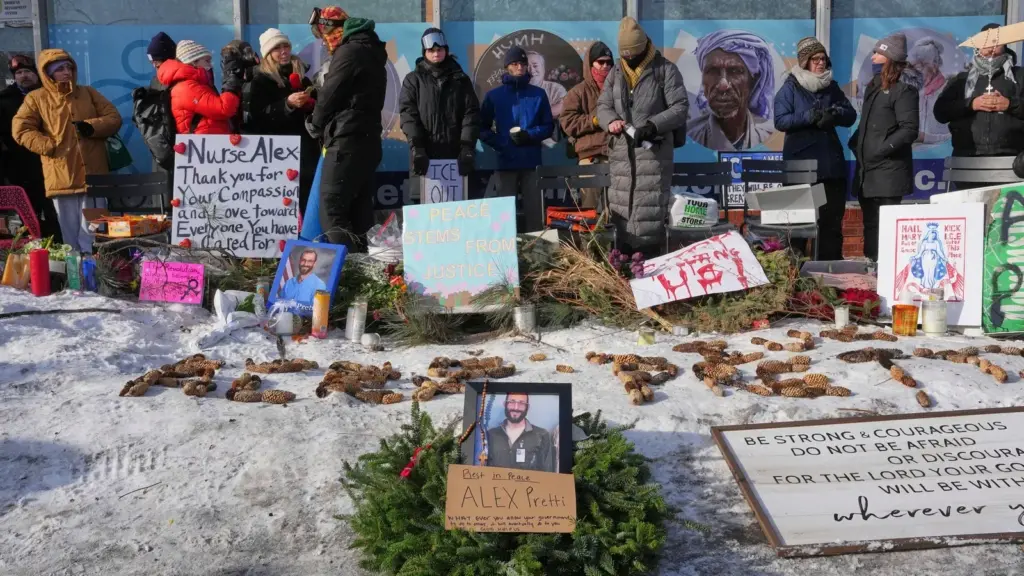
The tragic shooting of Alex Pretti in Minnesota has sparked a significant national debate surrounding immigration policies and the role of federal agents in local communities. Coming just weeks after the controversial death of Renee Good at the hands of immigration officers, these incidents have ignited local protests, calling for accountability from federal law enforcement. Many community members are questioning the effectiveness of the federal government’s approach and the repercussions on public safety. With renewed scrutiny on the Department of Homeland Security (DHS), both citizens and lawmakers are left pondering the implications of such shootings in the context of broader immigration enforcement efforts.
In light of these events, President Trump’s administration has signaled a potential de-escalation of operations in the state, reflecting a growing pressure to reassess the tactics employed by immigration officials. During a recent Fox News interview, Trump characterized the shootings as ‘terrible’ and acknowledged the public’s frustration over recent border patrol activities. This acknowledgment indicates a shift in the administration’s previously staunch stance on strict immigration enforcement, which aimed to address crime through aggressive deportation measures. As debates around domestic terrorism grow, many are left to wonder about the balance between ensuring national security and protecting the rights of citizens.
Trump Immigration Policy and Its Implications
The Trump administration’s immigration policy has always been a point of contention, particularly regarding its approach to enforcement. The recent shooting incidents in Minnesota highlight the ongoing conflict between federal immigration agents and local communities. With calls for an evaluation of government practices, many question how these policies contribute to not just public safety, but the social fabric of cities like Minneapolis. Trump’s stance on immigration has often emphasized taking ‘hardened criminals’ off the streets, yet the aftermath of the Pretti shooting suggests a need for a more humane approach that considers the complexities of human interactions during enforcement operations.
Furthermore, the administration’s commitment to aggressive deportation strategies, as evidenced by the president’s remarks regarding the removal of ‘criminals,’ raises dialogue around the impact of such policies on community trust and safety. Trump’s recent indication of a ‘de-escalation’ signals a potential shift, perhaps brought on by public outcry and bipartisan criticism following the shootings. The question now lies in how the DHS will balance enforcing immigration laws while addressing the concerns of those who feel endangered by these operations, especially as the narrative surrounding domestic terrorism continues to evolve.
DHS Intervention: Changes in Leadership and Strategy
In the wake of the Pretti shooting, the Department of Homeland Security has moved to change its leadership in Minnesota, appointing Tom Homan to oversee operations in the region. The removal of Border Patrol official Gregory Bovino indicates a response to the growing discontent and demands for accountability from local communities and stakeholders. Homan’s appointment may signify a new direction in how immigration enforcement is conducted, potentially aiming to alleviate tensions between federal agents and residents who are concerned about their safety.
As Homan begins his tenure, local leaders are looking for reassurances about the future of immigration enforcement in their communities. Meetings with officials like Governor Tim Walz and Mayor Jacob Frey highlight a collaborative approach that seeks to ensure that federal strategies align with community needs. However, how Homan navigates the complexities of public opinion and law enforcement efficacy remains to be seen, especially considering the larger narrative of ‘domestic terrorism’ being discussed in relation to Pretti’s involvement in the protests that preceded his fatal encounter with agents.
Border Patrol Controversy: Community Response and Lawmaker Reactions
The recent shootings in Minnesota have incited a fierce debate about the role of border patrol agents in urban areas, with community members and lawmakers expressing outrage and concern. Critics argue that the presence of federal agents undermines public safety and trust, as evidenced by the violent incidents involving citizens. This controversy has drawn statements from various leaders who demand investigations into the state of border patrol operations, especially with accusations surrounding domestic terrorism and allegations of excessive force.
Additionally, the calls for accountability are not just limited to local officials. National figures, including prominent Republicans, have called for thorough investigations into the circumstances surrounding the deaths of Renee Good and Alex Pretti. Such responses indicate a growing recognition that the actions of federal immigration officers have tangible consequences on the lives and safety of individuals in communities across the nation. As lawmaker sentiment shifts, it highlights an emerging consensus that a reevaluation of border enforcement strategies may be necessary to prevent further tragedies.
The Domestic Terrorism Debate in the Context of Immigration Policy
The characterization of individuals involved in confrontations with immigration officers has ignited a contentious debate about domestic terrorism within the context of immigration policy. After the killing of Alex Pretti, some officials labeled him a ‘domestic terrorist’ without fully understanding the nuances of his situation or the incident itself. This perspective raises troubling questions about how immigration policy and law enforcement practices can stigmatize individuals and contribute to broader societal fears.
Furthermore, labeling certain protests or actions as domestic terrorism influences public perception and the political narrative surrounding immigration. It solidifies a rhetoric that could further unjustly criminalize dissent and opposition against federal actions. As the domestic terrorism debate unfolds, it becomes critical to analyze how these labels affect individuals’ rights and the political landscape, especially in light of broader discussions about accountability and justice in immigration enforcement.
Future of Immigration Operations in Minnesota
The future of immigration operations in Minnesota is under scrutiny as recent events have prompted significant public outcry and demands for change. With President Trump indicating a willingness to ‘de-escalate,’ the path forward may involve reassessing the way immigration officers engage with local communities. The administration’s approach might pivot towards fostering collaboration with local law enforcement and community leaders, aiming to restore trust that has been eroded by previous aggressive tactics.
Moreover, the involvement of figures like Tom Homan and the DHS’s commitment to evaluation and transparency will be crucial in determining how immigration enforcement unfolds in the coming months. As community stakeholders seek reassurance and accountability, the administration’s response will likely shape perceptions about federal intervention in local matters. With significant pushback from both ends of the political spectrum, the challenge lies in achieving a balanced approach that respects both public safety and civil liberties.
Community Impact: Safety and Trust
The impact of federal immigration enforcement on community safety and trust is a critical issue that has come to the forefront following the recent shooting incidents in Minnesota. Residents are concerned about the safety of their neighborhoods and the potential for violent confrontations with federal agents. As protests arise and calls for investigations grow louder, it underscores a palpable sense of distrust between local citizens and federal law enforcement agencies.
This erosion of trust can hinder cooperation between communities and law enforcement, complicating efforts to ensure public safety as individuals become fearful of reporting crimes or assisting authorities. Addressing this trust deficit may require new strategies that prioritize communication and engagement between federal agents and local communities, fostering an environment where citizens feel safe and respected.
Investigative Developments Following the Pretti Shooting
In the aftermath of the Pretti shooting, various stakeholders have called for comprehensive investigations to ascertain the facts surrounding the incident and determine appropriate future actions. Lawmakers from both parties have expressed their demands for transparency as they seek clarity about the roles and decisions made by federal immigration officers involved. Such investigations are not only vital for accountability but also for setting precedents on how similar cases should be handled moving forward.
Additionally, a federal judge has intervened to prevent DHS from destroying evidence, marking a significant step toward ensuring that all facts are examined thoroughly. As the investigation progresses, it raises essential questions regarding regulations and protocols that govern federal agent actions during confrontational incidents. The outcomes could redefine operational standards and lead to reforms that aim to prioritize civilian safety while managing immigration enforcement.
Political Ramifications of Immigration Enforcement
The political ramifications of the recent shootings in Minnesota cannot be understated, as they threaten to reshape narratives surrounding immigration enforcement and domestic policy. As public outrage mounts, political leaders are forced to confront the consequences of aggressive immigration strategies favored by the Trump administration. This scrutiny isn’t just limited to the present; it could influence electoral outcomes and policies for years to come, as voters demand greater accountability and humane treatment within the immigration system.
Moreover, the incidents have opened the door for critical discussions regarding the balance between national security and civil rights. As Republican and Democratic lawmakers alike push for investigations and reforms, a bipartisan consensus may emerge around the need for more thoughtful and careful handling of immigration enforcement, reflecting the complexities and nuances inherent in the national conversation surrounding these issues.
Frequently Asked Questions
What are the key updates regarding the Minnesota shooting involving Alex Pretti?
The Minnesota shooting involving Alex Pretti occurred when federal immigration officers shot him after a confrontation. This incident has fueled protests and public outcry, reigniting the debate on domestic terrorism and law enforcement practices in Minnesota.
How has the Trump administration responded to the Minnesota shooting incidents?
In response to the Minnesota shooting incidents, President Trump stated that the government would ‘de-escalate’ its operations in the state. His administration has also removed key leaders from DHS operations in Minnesota, signaling potential changes in approach following the fatal shootings.
What role did the Department of Homeland Security play in the Minnesota shooting case?
The DHS has been heavily involved in the Minnesota shooting cases, deploying border officials and overseeing operations. Following the shootings, they have faced scrutiny regarding the use of force and the circumstances surrounding the death of Alex Pretti.
How have local officials in Minnesota reacted to the shootings by immigration officers?
Local officials have expressed outrage over the shootings in Minnesota, calling for investigations and a withdrawal of federal immigration agents from the area. These officials argue that incidents like those involving Renee Good and Alex Pretti underline issues of policing and immigration enforcement.
What controversies have arisen from the Minnesota shooting and Trump’s immigration policy?
The Minnesota shooting involving Alex Pretti has led to a broader debate around Trump’s immigration policy, particularly accusations of domestic terrorism and excessive force used by federal agents. The contrasting narratives from DHS and eyewitness accounts have intensified the controversy.
What does the term ‘domestic terrorism debate’ refer to in the context of the Minnesota shooting?
The ‘domestic terrorism debate’ refers to the discussions surrounding the classification of actions taken during protests or confrontations, such as those related to the Minnesota shooting incident. Officials and commentators have debated the applicability of this term concerning Ed Pretti’s actions during the confrontation with immigration officers.
What has been the public response to the Minnesota shooting incidents?
The public response to the Minnesota shooting incidents has been marked by protests and demands for action from community leaders and citizens. Many have called for accountability and changes to immigration enforcement policies, as well as investigations into the use of deadly force by federal agents.
| Key Points |
|---|
| President Trump announces intention to ‘de-escalate’ federal immigration operations in Minnesota after recent shootings. |
| Two fatal shootings of U.S. citizens by immigration officers in Minnesota have led to public outcry and protests. |
| The Department of Homeland Security removed the Minnesota mission leader amid the rising tensions. |
| Local and federal authorities have differing accounts on whether the victims were armed during the incidents. |
| Calls for the withdrawal of immigration officers from Minnesota have intensified following the shootings. |
| Republican leaders are demanding an investigation into the circumstances surrounding the shooting of Alex Pretti. |
| Trump claims his administration has successfully removed many criminals from Minnesota, highlighting the region’s crime reduction. |
Summary
The recent Minnesota shooting has raised significant concerns and sparked nationwide protests after two fatalities involving federal immigration officers. President Trump’s administration is now aiming to de-escalate its operations in response to public outcry and criticism from lawmakers. The discussions surrounding the incidents reveal a divide between local testimonies and federal accounts, compounding frustrations and calls for a thorough investigation into the actions of immigration agents. As Minnesota grapples with these challenges, the state’s leadership is outspoken in demanding accountability amidst the controversial enforcement actions.

