Listen to this article
Minnesota immigration enforcement has experienced significant changes in recent months, especially under the scrutiny of the Trump administration’s stringent US immigration policy. Recent operations, including Operation Metro Surge, aimed to bolster efforts against undocumented immigrants, leading to thousands of arrests, including individuals with serious criminal backgrounds. This intensified ICE enforcement in Minnesota raised concerns and sparked protests across the state, particularly following tragic incidents involving the loss of lives due to immigration officer actions. Amidst this tumultuous backdrop, local and federal officials grappled with the implications of President Trump’s immigration crackdown, advocating for a reevaluation of these practices. As Minnesota continues to navigate its role in the national immigration narrative, the balance between public safety and civil rights remains a pressing issue.
In the realm of immigration policy in Minnesota, the recent shifts in enforcement tactics and strategies have provoked extensive dialogue and debate. The directives aimed at controlling immigration and apprehending those without documentation have prompted both support and resistance from various sectors of the community. As federal agents ramped up collaborations with local law enforcement, incidents linked to the crackdown reverberated across the state, raising questions about public safety and civil liberties. Meanwhile, the prevailing atmosphere has drawn attention to the broader implications of these enforcement measures on communities, as citizens grapple with the meaning of effective governance and the role of immigrant populations within Minnesota’s social fabric. The outcome of these challenging dynamics will likely shape the future of immigration enforcement and policy in the state.
Minnesota Immigration Enforcement: A New Chapter
The recent ending of Minnesota immigration enforcement operations, specifically the much-criticized Operation Metro Surge, marks a pivotal shift in the state’s immigration landscape. Under the leadership of President Trump, the operation was aimed at detaining undocumented immigrants with violent crime backgrounds. However, it has also been met with severe backlash from local communities and protests spurring out from tragic incidents involving the deaths of US citizens at the hands of immigration officers. Critics argue that this heavy-handed approach to immigration enforcement compromised public safety and civil rights.
As President Trump indicated a desire to reduce the presence of federal agents in Minnesota, many local officials, including Governor Tim Walz, are cautiously optimistic. They highlight the urgency for rebuilding trust and addressing the socio-economic repercussions that the surge caused in the community. While proponents of the immigration crackdown maintained it was a necessary response to crime, the mixed reactions underscore the complexities of US immigration policy and its localized impact on communities. Further discussions are expected as local leaders seek pathways to heal and rebuild after the dramatic enforcement measures.
The Impact of Operation Metro Surge
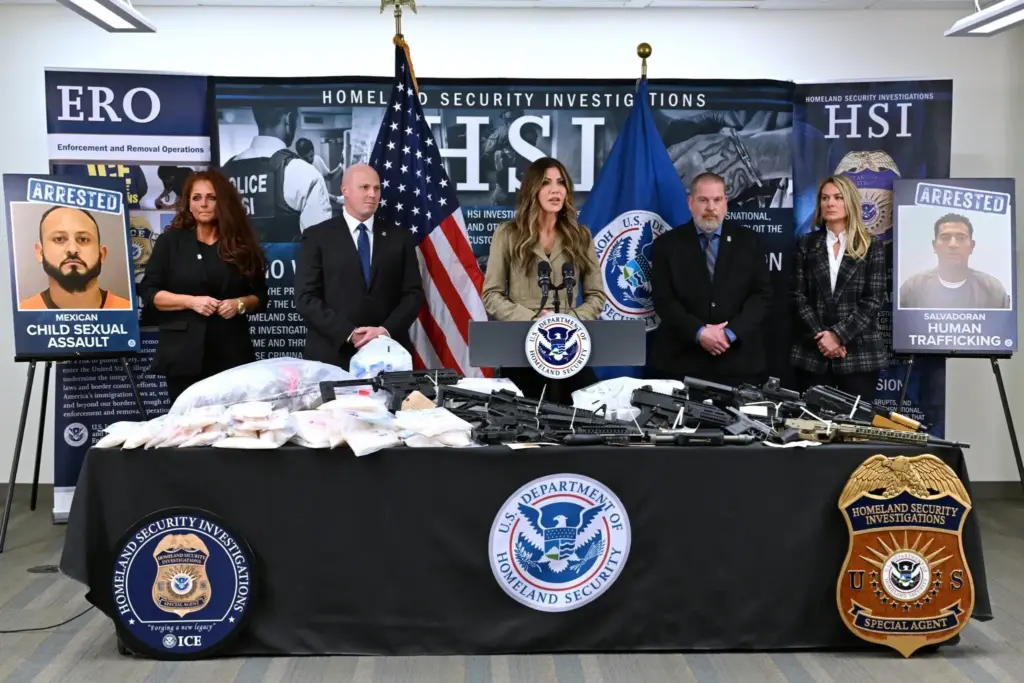
Operation Metro Surge’s implementation sparked intense discussions about the role of ICE enforcement in Minnesota. President Trump’s administration aimed to crack down on undocumented immigrants who were perceived as threats, such as those with previous criminal convictions. The operation reportedly led to over 4,000 arrests, which ironically included individuals having committed severe crimes, further fueling arguments for tougher immigration controls. However, the controversial nature of the operation raised questions about its effectiveness and the collateral damage inflicted on immigrant communities.
Reports indicate that this operation has not only led to the apprehension of targeted individuals but has also heightened tensions between immigrant communities and local law enforcement. Many Minnesotans view ICE actions with suspicion and fear, fearing overreach and violations of their civil rights. As the operation concludes, both supporters and detractors of such enforcement strategies are keen to assess the long-lasting consequences on public trust, community safety, and future immigration policies at both state and federal levels.
Federal Oversight vs. Local Authority in Immigration
This recent shift in federal enforcement strategy signifies a delicate balance between federal oversight and local authority regarding immigration matters. Throughout Operation Metro Surge, Governor Walz and Minneapolis Mayor Jacob Frey emphasized the need for local law enforcement to prioritize community trust over ICE mandates. The criticisms directed toward ICE during this operation reflect a broader sentiment among local leaders who argue that local jurisdictions should maintain some control over immigration enforcement practices to mitigate community fear and tension.
The administrative push from federal entities under Trump’s immigration policies has led to discomfort among local officials, who often argue that punitive measures only serve to foster distrust and disengagement within immigrant populations. As Congress deliberates on future funding measures for the Department of Homeland Security (DHS), incorporating measures that allow for greater local autonomy may present a necessary compromise to address the sentiments of communities while still acknowledging the federal interest in ensuring public safety.
Public Safety and Immigration Enforcement
The intersection of public safety and immigration enforcement remains a hotly debated topic, particularly in light of the recent events surrounding Operation Metro Surge. With the rhetoric from federal officials suggesting a focus on crime prevention, many community advocates argue that these assertions mask the fear and uncertainty caused by aggressive ICE activities. The shooting of two US citizens at the hands of immigration officers only exacerbated these fears and spurred protests demanding accountability and a reevaluation of ICE’s operational framework in Minnesota.
Public safety is a fundamental concern for all residents, but the methods employed in achieving it have left many questioning the efficacy and ethicality of such strategies. As residents voice their concerns, there is a growing call for community-oriented approaches that prioritize safety without compromising the rights of individuals. This pivotal moment in Minnesota’s immigration enforcement could provide a blueprint for how balancing public safety and humane immigration practices can be achieved without resorting to fear-based tactics.
Future of ICE in Minnesota and Beyond
As Operation Metro Surge comes to a close, the future of ICE’s presence in Minnesota is under scrutiny. Tom Homan, the acting director of ICE, assured that despite a reduction in field agents, ICE would retain a visible role in the state, albeit one that maintains a greater respect for community relations. This highlights a potential shift toward a more measured approach in oversight while still adhering to federal immigration laws. The ongoing political discourse around ICE’s role suggests an evolving understanding of how federal immigration policy should be aligned with community needs.
Moreover, how ICE operates in Minnesota could serve as a precedent for other states grappling with similar tensions between federal enforcement and local responses. With Congress considering the future funding and operational frameworks of ICE amid significant public unrest, it is imperative for policymakers to prioritize transparency and accountability. Efforts to engage local communities and mitigate fear may foster a more collaborative relationship between federal agents and residents, potentially reshaping the narrative surrounding US immigration policy for the better.
Community Reactions to Immigration Enforcement
Community reactions to the recent immigration enforcement surge have been largely polarized, with many expressing their discontent through protests and litigation against the federal government’s aggressive stances. The controversial actions taken during Operation Metro Surge have sparked outrage among advocates who argue that these measures have disrupted lives and instigated a climate of fear among immigrant populations. Activists point out that the outcomes of such enforcement efforts overshadow the intended goals, affecting families and local economies in Minnesota.
Local sentiments reveal a desire for more humane treatment of immigrants, alongside calls for systemic changes in how immigration policy is enacted. The protests and discussions following Operation Metro Surge signify a clear demand for accountability and reform, addressing not just the enforcement actions but the narratives and policies driving them. The ongoing discourse illustrates the importance of placing community voices at the center of immigration discussions to ensure any future policies align with the values of inclusivity and justice.
The Role of Local Governance in Immigration Policy
Governor Tim Walz’s administration is keenly aware of the implications resulting from federal immigration policies on communities within Minnesota. The governor has emphasized the need for a more humane immigration approach, combating the trauma left in the wake of Operation Metro Surge. He has indicated plans to introduce funding initiatives aimed at assisting small businesses adversely affected by recent immigration actions. This proactive stance illustrates the essential role local governance plays in addressing the socio-economic ramifications of broad federal immigration policies.
Local leaders assert that governance should strive for collaboration rather than confrontation, particularly concerning sensitive issues such as immigration enforcement. By focusing on community needs and fostering open dialogue between immigrants and local government, future strategies can be developed that balance public safety with human rights. Minnesota’s experience serves as a potential blueprint for how local governance can effectively navigate the complexities of immigration in partnership with federal agencies.
Legal Challenges to Immigration Policies
The legal landscape surrounding immigration enforcement in Minnesota has intensified, particularly in light of recent events spurred by Operation Metro Surge. Many community organizations and advocates are pursuing legal challenges against the federal government, arguing that existing practices contravene civil rights and due process protections. These challenges highlight a growing awareness and mobilization of local residents who are determined to protect their communities against perceived overreach by federal immigration authorities.
As lawsuits and legislative maneuvers continue, the outcome may provide significant implications for not only Minnesota but also other states grappling with similar issues. The intersection of law and immigration enforcement stands as a battleground where local voices seek justice and equality within the broader context of US immigration policy. Legal scrutiny and activism thus play a crucial role in shaping how immigration enforcement is carried out in the future, with potential ramifications for the national discourse surrounding immigration reform.
Economics and Immigration: The Minnesota Experience
The economic impact of immigration enforcement actions, particularly Operation Metro Surge, has left many small businesses in Minnesota struggling. With heightened fears surrounding ICE operations, local business owners have reported drops in customer turnout among immigrant communities, leading to financial strain. Governor Walz’s suggestion of a $10 million emergency fund reflects an acknowledgment of the economic disruptions and a commitment to rebuilding the fabric of businesses affected by immigration enforcement.
Beyond immediate economic impacts, the longer-term effects on Minnesota’s economic landscape due to tensions surrounding immigration policy cannot be overlooked. A robust and diverse economy relies on the contributions of all communities, including immigrants. Immigrant labor often fills vital roles across various sectors, and their presence is crucial for sustainable community growth. This economic interconnectedness outlines the need for a more balanced immigration approach that supports both enforcement and the contributions of immigrant communities to the state’s economy.
Frequently Asked Questions
What is Minnesota immigration enforcement and how has it changed recently?
Minnesota immigration enforcement refers to the activities and operations carried out by federal agencies like ICE to enforce US immigration laws within the state. Recently, the enforcement actions, particularly under Operation Metro Surge, have seen a reduction following President Trump’s decision to scale back these operations. This change was prompted by protests and concern over the treatment of undocumented immigrants.
What was Operation Metro Surge and its impact on immigration enforcement in Minnesota?
Operation Metro Surge was a focused initiative aimed at increasing immigration enforcement in Minnesota, leading to over 4,000 arrests of undocumented immigrants, including those with violent crime convictions. The operation sparked protests and conversations around the impact of such crackdowns in immigrant communities, resulting in scrutiny over federal tactics in the state.
How did Trump’s immigration crackdown affect Minnesota’s communities?
Trump’s immigration crackdown led to heightened federal presence in Minnesota and significant tensions within the community. While it aimed to deport undocumented immigrants with criminal backgrounds, it also resulted in community unrest and calls for accountability from local officials and activists compared to traditional policing practices.
What are the current roles of Minnesota federal agents regarding immigration enforcement?
Minnesota federal agents, primarily from ICE, continue to operate in the state, though their numbers are being reduced following recent announcements. Their roles include collaborating with local law enforcement to identify and detain undocumented immigrants, but they are under increased scrutiny and pressure to adhere to community safety standards.
What changes are being proposed for immigration enforcement in Minnesota amid concerns from local officials?
Local officials, including Governor Tim Walz, are proposing changes to ensure that immigration enforcement is less invasive, such as implementing policies for notifying individuals of their rights. There are also calls for greater transparency and accountability from federal agents in Minnesota, especially regarding interactions with immigrant communities.
How does the community perceive ICE enforcement in Minnesota?
The community’s perception of ICE enforcement in Minnesota has been largely negative, especially after incidents of violence and aggressive tactics used during Operations like Metro Surge. Many residents view these actions as excessive and harmful, leading to a atmosphere of fear among immigrant populations.
What role do local laws play in shaping immigration enforcement practices in Minnesota?
Local laws in Minnesota can impact immigration enforcement by defining how local agencies interact with federal immigration authorities. Sanctuary policies, for example, limit cooperation with ICE, fostering a more welcoming environment for immigrants and creating legal avenues to challenge aggressive enforcement tactics.
What are the implications of federal budget negotiations on Minnesota immigration enforcement?
Federal budget negotiations directly impact ICE’s funding and operations in Minnesota. Ongoing discussions may lead to modifications in how immigration enforcement is conducted, potentially reducing the aggressive tactics seen during the Trump administration’s crackdown and influencing future operational guidelines in the state.
How has public protest influenced immigration enforcement policy in Minnesota?
Public protests in Minnesota have significantly influenced immigration enforcement policy by bringing attention to the implications of aggressive ICE operations and demanding accountability. This civic engagement has contributed to the decision to reduce federal enforcement presence and has opened dialogue about more humane immigration practices.
What is the future direction of immigration enforcement in Minnesota following the conclusion of Operation Metro Surge?
The future of immigration enforcement in Minnesota is likely to focus on balance, with reduced federal presence and increased collaboration with local communities. Officials are expected to prioritize humane approaches while considering public safety, reflecting a response to the outcry over previous enforcement strategies.
| Key Points | Details |
|---|---|
| End of Surge | President Trump approved the conclusion of immigration enforcement operations in Minnesota. |
| Operation Metro Surge Outcomes | Led to the detention of over 4,000 undocumented immigrants, including those convicted of violent crimes. |
| Local and Federal Reaction | Protests arose following the deaths of U.S. citizens due to ICE operations. |
| Governor’s Response | Governor Tim Walz expressed cautious optimism but highlighted the deep damage caused by the operations. |
| Future Actions | Plans for a $10 million emergency fund for small businesses affected by the surge. |
Summary
Minnesota immigration enforcement is undergoing a significant transition as President Trump has ordered an end to the controversial Operation Metro Surge. This operation, which aimed to detain undocumented immigrants, has come under scrutiny due to tragic incidents involving U.S. citizens and sparked nationwide protests. Governor Walz’s cautious optimism regarding the reduction of federal agents reveals a complex narrative surrounding immigration policy in Minnesota. As officials aim to restore trust and balance in immigration practices, discussions point to the necessity for further reforms to ensure community safety and civil rights.