Listen to this article
In recent days, Minneapolis has been the epicenter of intensified protests against ICE (U.S. Immigration and Customs Enforcement), ignited by the tragic death of Renee Nicole Good, who was shot by an ICE agent. This fatal incident has fueled widespread outrage, leading thousands to take to the streets, demanding justice and accountability in immigration enforcement practices. As community demonstrations unfold, they highlight the intersection of local concerns with broader national issues surrounding immigration policies and law enforcement actions. Protesters are not only calling for justice for Good but also advocating for an end to aggressive immigration enforcement tactics that disproportionately affect vulnerable communities. The rallies in Minneapolis represent a larger movement, joining similar protests across the nation, uniting voices in a powerful stand against systemic injustices that many feel must change.
The recent mobilization in Minneapolis against immigration enforcement has sparked a wave of demonstrations across the nation. Following the tragic ICE shooting incident that took the life of 37-year-old Renee Nicole Good, community members have rallied to express their discontent with current immigration practices and policies. As cities like New York, Seattle, and Austin joined in solidarity, the theme of resisting oppressive enforcement has resonated widely among activists. With a focus on advocating for immigrant rights and equity within the justice system, these protests reflect mounting frustration with a system perceived as unjust. As advocates come together to shine a light on these critical issues, their collective actions signify a hopeful demand for change in how immigration enforcement is approached.
Understanding the Minneapolis Protests Against ICE
The recent protests in Minneapolis have sparked national attention, particularly due to the tragic incident involving Renee Nicole Good, who was shot by an ICE agent. These demonstrations are deeply rooted in issues surrounding immigration enforcement, the safety of immigrant communities, and the methods employed by federal agents. Thousands took to the streets in response to this unacceptable act, voicing their frustrations and calling for accountability from immigration enforcement agencies.
This ongoing unrest is not just limited to Minneapolis; similar protests have been witnessed across major cities in the U.S., illustrating a widespread demand for change in immigration policies. Supporters of the protests argue that these actions serve as a crucial response to problematic immigration enforcement tactics that disproportionately impact vulnerable communities, highlighting the need for reform in how agencies like ICE operate.
Who Was Renee Nicole Good?
Renee Nicole Good’s death has become a rallying point for those opposing ICE’s aggressive tactics. A 37-year-old woman with deep ties to her community, Good was killed during an immigration enforcement action that has been met with outrage. Eyewitness accounts reveal that an ICE agent’s actions directly led to a confrontation that tragically escalated and resulted in her shooting.
Her story resonates deeply with many, as her wife expressed to the media their goal to support their neighbors during a time of tension caused by ICE actions. As investigations into the shooting unfold, it is essential to recognize the human toll of immigration enforcement and how the narratives surrounding these events affect public perception and policy.
ICE Shooting Incident Sparks Nationwide Anger
The incident involving ICE agents and Renee Nicole Good has ignited a wave of anger and protest not just in Minneapolis but in cities across the nation. Videos capturing the protests show crowds filled with emotion as they demand justice, illustrating a growing frustration with ICE tactics that many believe may be excessive and unjustified. This particular case has drawn scrutiny from lawmakers and community leaders, calling for a reevaluation of immigration enforcement protocols.
As communities come together in demonstrations, the hashtag #JusticeforRenee has gained traction in social media discussions, highlighting individuals’ and groups’ desires to see changes in how immigration enforcement is conducted. The implications of this incident extend beyond individual tragedy, as they challenge long-standing narratives about safety and the treatment of immigrants in the U.S.
Community Demonstrations: A Response to ICE
In response to the ICE actions that resulted in tragedy, community demonstrations have become increasingly common. These protests focus on raising awareness about the impact of aggressive immigration enforcement policies. Local leaders and activists have emphasized the importance of standing in solidarity, particularly in the face of such egregious acts that threaten the safety of community members.
During these protests, demonstrators have often gathered not just to voice dissent but also to foster a sense of unity among those affected by these policies. Creative expressions through music, art, and public speeches have turned these demonstrations into powerful platforms for advocacy, seeking to promote a culture of empathy and justice for immigrants.
Minneapolis Protest Details: What Happened?
The details surrounding the Minneapolis protests illustrate the intensity of community response to the ICE shooting incident. Protests on the weekend following Good’s death were marked by marches through the streets, where participants carried placards and chanted slogans demanding justice and reform of immigration practices. City officials reported significant turnout, with thousands participating despite frigid temperatures.
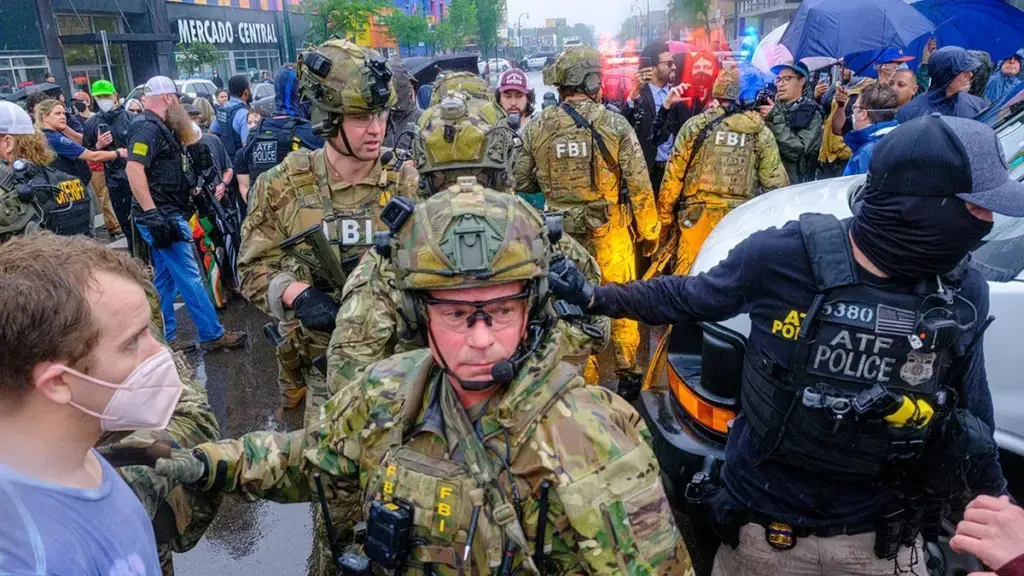
Clashes between law enforcement and protesters were reported, leading to a declaration of unlawful assembly by the police. The events captured the volatile mix of supported peaceful protests and tension that arises when communities confront law enforcement directly over controversial issues. Despite some confrontations, community organizers highlight that the core of the protests was rooted in a quest for justice and accountability.
The Broad Impact of Immigration Enforcement Protests
The impact of protests against ICE is felt not just within local communities, but nationally. The Minneapolis protests, like those in other major cities, have sparked conversations on immigration policy reform and have put pressure on local governments to reconsider their relationship with federal immigration enforcement agencies. Activists argue that systemic changes are necessary to protect the rights of immigrants and uphold community safety.
This wave of protests reflects broader societal shifts in understanding and addressing the challenges posed by immigration enforcement. As discussions continue to evolve, the Minneapolis protests serve as a reminder of the power of collective voices in advocating for change and upholding human dignity across the United States.
Local and National Reactions to the Protests
Both local and national leaders have responded to the Minneapolis protests against ICE with a range of reactions, from support to condemnation. Political figures have issued statements expressing solidarity with the protesters while calling for thorough investigations into the shooting of Renee Nicole Good. This incident has become a touchstone in discussions about police and ICE practices, igniting broader debates about justice and equity in immigration enforcement.
The involvement of lawmakers adds a political dimension to the grassroots protests, as the community seeks not only justice for Good but also systemic reforms that ensure the safety and rights of all individuals. The response to these protests will likely shape future policies and public discourse around immigration enforcement and community safety.
Investigating the Shooting: What Comes Next?
The investigation surrounding the shooting of Renee Nicole Good continues to unfold, with the FBI now involved in reviewing the circumstances leading up to her death. This pivotal moment marks a critical juncture in the ongoing tensions between local communities and federal immigration enforcement. Community activists emphasize the importance of transparency and accountability as families affected by ICE actions hope for justice.
As investigations proceed, the impact of Good’s death is likely to resonate in public policy discussions regarding immigration and law enforcement. Advocates are calling for independent oversight over ICE operations to prevent further incidents and ensure that similar situations are handled with the utmost care and consideration for human life.
The Role of Media in Covering ICE Protests
The media plays a critical role in shaping public perception of the Minneapolis protests against ICE and the shooting incident involving Renee Nicole Good. Coverage of the protests provides visibility for the demands of communities affected by immigration enforcement, illustrating the passionate response to acts of violence against civilians. Through various media channels, messages advocating for justice and reform are amplified, reaching audiences far beyond local participants.
In today’s digital age, social media has transformed how protests are portrayed, facilitating real-time updates that capture the atmosphere of demonstrations. However, media portrayal also raises questions about the narratives that dominate public discourse, and the responsibility of journalists to present balanced and accurate accounts of such sensitive events.
Future of Immigration Policy in Light of Protests
The protests against ICE in Minneapolis serve as a powerful reflection on the future landscape of immigration policy in the United States. As communities mobilize around calls for justice and reform, there is an increasing demand for lawmakers to address the grievances that have become amplified through these protests. This pivotal moment could lead to significant changes in how immigration enforcement agencies operate across the country.
Future immigration policy will likely be influenced by the stories of those like Renee Nicole Good and the activism that arises from tragic incidents. The momentum generated by these demonstrations could spark crucial debates in legislative bodies, prompting a reevaluation of current immigration laws and enforcement practices which many argue place undue burden on immigrant communities.
Frequently Asked Questions
What were the reasons for the Minneapolis protests against ICE?
The Minneapolis protests against ICE were sparked by the deadly shooting of Renee Nicole Good, a 37-year-old woman, by an ICE agent. Protesters demanded accountability and an end to immigration enforcement practices, indicating a broader reaction to perceived violence and aggression from immigration enforcement.
How many arrests were made during the recent Minneapolis protests against ICE?
During the recent protests against ICE in Minneapolis, approximately 30 individuals were arrested as demonstrators voiced their opposition to immigration enforcement and rallied in response to the ICE shooting incident involving Renee Nicole Good.
What actions took place at the Minneapolis protest details over the weekend?
The Minneapolis protest details of the weekend included thousands marching despite freezing temperatures, with some protesters shining lights, blowing whistles, and beating drums to draw attention to their cause. A significant police presence monitored the events, where some protesters reportedly clashed with law enforcement.
Who is Renee Nicole Good and what happened during the ICE shooting incident?
Renee Nicole Good was a 37-year-old woman shot and killed by an ICE agent in Minneapolis while sitting in her car. The confrontation occurred when agents attempted to apprehend her, and the subsequent shooting has led to widespread protests against immigration enforcement and calls for justice.
What has been the community response to the ICE shooting incident in Minneapolis?
The community response to the ICE shooting incident in Minneapolis has been characterized by large-scale protests, with thousands of individuals gathering to express their outrage and demand justice, while also emphasizing the need for accountability in immigration enforcement practices.
Were there any serious injuries reported during the Minneapolis protests against immigration enforcement?
While there were some altercations during the Minneapolis protests against immigration enforcement, including minor injuries to one police officer, there were no serious injuries reported among protesters or law enforcement, according to local news sources.
How are the Minneapolis protests related to similar demonstrations in other U.S. cities?
The Minneapolis protests against ICE are part of a nationwide wave of demonstrations in several U.S. cities, including Austin, Seattle, New York, and Los Angeles, reflecting a broader public outcry against immigration enforcement and calls for change following the shooting of Renee Nicole Good.
What role did the Minneapolis Police Department play during the protests against ICE?
The Minneapolis Police Department played a significant role during the protests against ICE by monitoring the crowds, declaring unlawful assemblies when necessary, and responding to any reported clashes or disturbances between protesters and law enforcement.
What were the demands made by protesters during the Minneapolis demonstrations against ICE?
The protesters during the Minneapolis demonstrations against ICE demanded justice for Renee Nicole Good, accountability for the actions of ICE agents, an end to violent immigration enforcement practices, and broader reforms in immigration policy.
What investigations are currently ongoing regarding the ICE shooting incident in Minneapolis?
Ongoing investigations into the ICE shooting incident in Minneapolis include a federal inquiry by the FBI and a separate investigation initiated by Minnesota officials, who expressed concerns over being excluded from the federal investigation process.
| Key Point | Details |
|---|---|
| Protest Background | Thousands protested in Minneapolis following the shooting of Renee Nicole Good by an ICE agent. |
| Shooting Incident | Renee Nicole Good was shot in her car by an ICE agent on a Wednesday. The incident has sparked nationwide protests against immigration enforcement. |
| Protest Activities | Demonstrators gathered despite cold weather, with protests also taking place in cities across the U.S. |
| Police Response | Minneapolis police declared an unlawful assembly and reported minor injuries among officers. |
| Investigation of the Incident | The FBI is investigating the shooting, and Minnesota state officials are also set to conduct their own inquiry. |
| Community Impact | Local officials and activists argue that the narrative of self-defense presented by the Trump administration is misleading. |
Summary
The Minneapolis protests against ICE have showcased a strong public outcry following the tragic shooting of Renee Nicole Good. This incident has ignited nationwide discussions around immigration enforcement and police conduct, prompting protests in various cities. While the local community rallies for justice and accountability, the investigation continues to unfold, drawing attention to the complex dynamics of immigration policy and law enforcement responses in the U.S.