Listen to this article
In recent weeks, Minneapolis has become a flashpoint for immigration tensions, exacerbated by the alarming frequency of violent encounters involving federal immigration officials. The recent fatal shooting of Alex Pretti by these agents has ignited a fierce debate over the role of federal oversight in local communities, particularly within the context of the Trump administration immigration policies. As federal officials reassess their strategy, with the departure of Border Patrol Commander Gregory Bovino, residents grapple with the implications of the DHS immigration policy and the local response from ICE. Community members, concerned about safety and civil rights, find themselves caught between federal directives and local governance, sparking protests and calls for accountability. This tense backdrop raises important questions about the balance of power and the future landscape of immigration enforcement in the city.
In the heart of Minneapolis, the climate surrounding immigration enforcement is growing increasingly fraught, raising urgent discussions about federal involvement in local law enforcement. The recent incident involving the tragic loss of Alex Pretti has thrown the spotlight on the complex relationship between community members and federal immigration authorities, particularly in the wake of troubling actions under the administration’s stringent immigration agenda. As community leaders and residents express their fears about aggressive measures taken by agencies like ICE, calls for reform and oversight resonate throughout the city. With ongoing scrutiny of the federal response to immigration challenges, it’s crucial to understand the implications for public safety and civil liberties in urban settings. This environment of tension, marked by protests and mourning, underscores the pressing need for dialogue between local and federal entities regarding immigration practices.
Minneapolis Immigration Tensions: A Reflection of National Policies
The recent tensions in Minneapolis regarding immigration enforcement have highlighted the ongoing struggles between local perspectives and federal immigration policies. Following the tragic shooting of Alex Pretti by federal immigration officials, many local residents expressed their fear and frustration about the heavy presence of ICE and Border Patrol agents in the city. This incident has sparked not only community outrage but also calls for re-evaluating the relationship between local authorities and federal immigration officials, particularly in light of the Trump administration’s aggressive immigration stance. As communities grapple with these incidents, it becomes clear that the overarching federal policies can strain local trust and safety.
These immigration tensions are compounded by the fact that two residents of Minneapolis have been killed by federal officials within a short span of time. The gravity of these incidents has made many residents question not only the federal approach towards immigration enforcement under the Trump administration but also its implications for individuals and families within the community. With over 3,000 immigration agents deployed to the area, local voices are increasingly calling for transparency and accountability from federal agencies like the Department of Homeland Security (DHS) in how they operate within their neighborhoods.
The Role of Federal Immigration Officials in Minneapolis
Federal immigration officials, particularly under the Trump administration, have adopted a hardline approach to enforcement in various cities, including Minneapolis. The recent departure of Border Patrol Commander Gregory Bovino has raised questions about the direction and strategy of federal immigration policies in the city. Commander Bovino was instrumental in promoting aggressive tactics that included high-profile raids and publicizing these operations through social media. This approach did not just draw attention to the federal agenda but also prompted local backlash and protests against perceived overreach.
As Tom Homan, known as ‘border tsar’, prepares to take over command in Minneapolis, the community is watching closely to see if there will be a shift in strategy or a continuation of the confrontational tactics that have characterized the past few years. While Homan has extensive experience in immigration enforcement, his past support for the Trump administration’s policies raises concerns for many Minneapolis residents who fear further escalations in tactics that have resulted in tragic outcomes in the past.
The Impact of Immigration Policies on Local Communities
The implications of federal immigration policies transcend mere legalities and greatly affect the daily lives of community members in Minneapolis. Residents have voiced their anxieties about the presence of federal agents, expressing concerns about their safety and their ability to go about their routines without fear of confrontation or violence. When local government leaders like Mayor Jacob Frey and Governor Tim Walz communicate their resistance to the immigration initiatives, they highlight a significant disconnect between federal directives and local needs for security and community trust.
Moreover, the aftermath of the recent shootings of Minneapolis residents by federal officials has galvanized community members to mobilize for their rights, advocating for independent investigations and accountability. The desire for a more localized approach to immigration enforcement has emerged as a crucial theme in local discussions, indicating that residents seek a partnership with federal authorities rather than the adversarial relationship currently underscored by federal immigration raids and aggressive enforcement.
Eyewitness Accounts and Community Reactions
Eyewitness accounts of the federal shooting incidents reveal a troubling narrative that contrasts sharply with official statements from immigration agencies. Many community members contend that Alex Pretti was merely filming the agents when he was shot, allegedly while holding a phone rather than a weapon. This disparity in narratives has caused significant public outcry, with families of victims and local leaders demanding accountability from federal officials. The varying accounts of these high-stakes encounters have strained trust, further fueling tensions between Minneapolis residents and federal immigration agents.
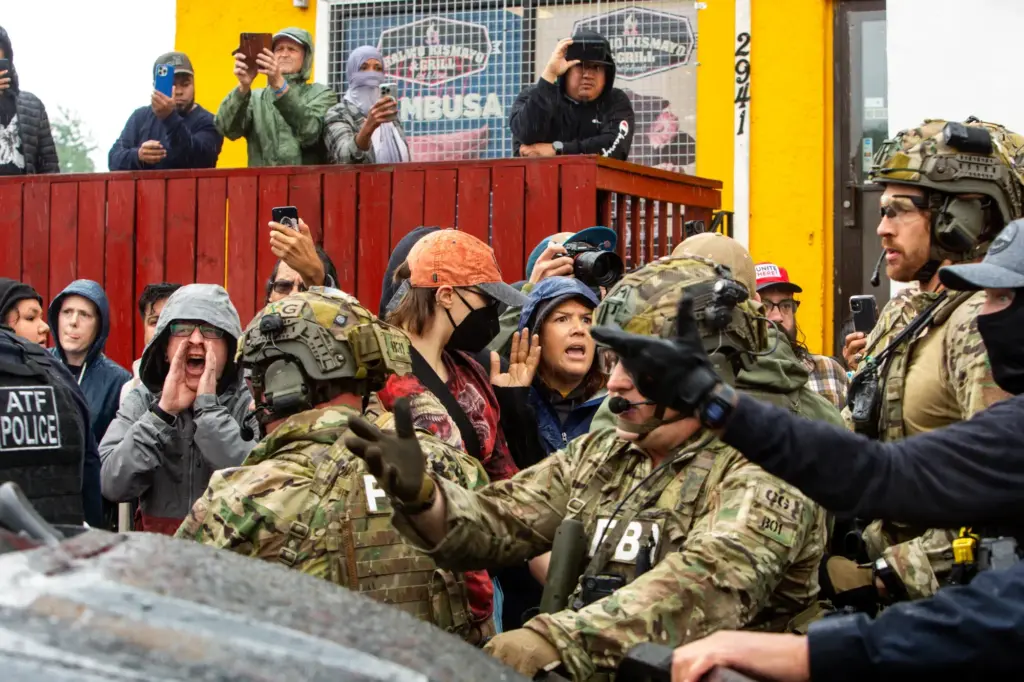
Residents and activists have held vigils and demonstrations to honor the victims of federal violence, illustrating their commitment to protest against what they consider to be unjust immigration enforcement practices. The public sentiment is increasingly one of anger and frustration, prompting many to call for systemic changes to federal immigration policy and the operational strategies of agencies like ICE. These grassroots movements demonstrate the community’s resolve to push back against federal overreach and to demand that their voices be heard in the ongoing dialogues about immigration.
Repercussions of Federal Aggressiveness in Minneapolis
The repercussions of the aggressive tactics employed by federal immigration officials in Minneapolis have been profound, creating long-lasting impacts within the local community. The tragic deaths of Alex Pretti and Renee Nicole Good have illuminated the dire consequences of these encounters, leading to a broader conversation about the morality and effectiveness of such military-style immigration enforcement. Citizens are now more aware than ever of how federal policy decisions can have fatal outcomes on their streets, prompting calls for reforms that prioritize community safety and civil rights.
Moreover, the growing dissent against immigration officers signifies a critical moment in the debate surrounding federal power versus local autonomy. Community leaders and residents argue that heavy-handed enforcement perpetuates cycles of fear and distrust within immigrant communities, stripping away the very rights and protections meant to ensure public safety. Consequently, advocates are urging for a more humane approach that balances enforcement with compassion and respect for human dignity, pushing for reforms that will prevent further tragedies.
Local Leaders’ Stance on Immigration Enforcement
Local leaders, particularly in progressive strongholds like Minneapolis, have taken a firm stance against the heightened presence of federal immigration officials in their communities. Mayor Jacob Frey and Governor Tim Walz have been vocal in their criticisms of the Trump administration’s policies, emphasizing the need for a more considerate and respectful approach to immigration enforcement. This juxtaposition between local leadership and federal action highlights a significant ideological divide that shapes public perception and response to immigration policies.
The insistence on a human-centered approach by local officials reflects the diverse makeup of Minneapolis, where a substantial portion of the population comprises immigrants and refugees. This advocacy for humane treatment underscores a broader movement within cities to resist federal overreach, asserting that community safety is best achieved when local laws and community values are prioritized over aggressive federal strategies. The relationship between city officials and federal immigration agencies will continue to evolve as both sides seek to navigate these complex issues moving forward.
Continued Protests Against Federal Immigration Practices
Despite the announcements regarding changes in the local federal immigration command, protests against ICE and other federal measures continue to gain momentum across Minneapolis. Demonstrations have become a platform for community members and advocates to express their discontent with federal enforcement practices, which they argue compromise public safety and violate civil rights. As calls for justice grow in the wake of violence against residents, these demonstrations serve as a critical response to the status quo of immigration enforcement and a demand for accountability from federal agencies.
The presence of activists and allied organizations at these protests signifies a broader coalition working toward systemic change. Local residents have expressed that they need to reclaim their streets from federal oversight and with that, their dignity and hope for a safe community. The ongoing vigils for victims are particularly poignant, as they represent the collective grief and anger of a community appalled by the tragic outcomes of heavy-handed immigration enforcement.
The Future of Immigration Policy in Minneapolis
Looking ahead, the future of immigration policy in Minneapolis remains uncertain, especially with federal agents still active in the community. Local officials have voiced their commitment to engaging with federal representatives, including Tom Homan, to discuss the operational strategies that have sparked such intense backlash. The discussions between local leaders and federal authorities have the potential to reshape the immigration landscape in Minnesota, particularly as residents demand changes to oversight and accountability in the wake of recent violence.
However, these dialogues must translate into tangible policy changes that address community concerns about safety and trust. As Minneapolis grapples with the implications of federal immigration enforcement, residents are advocating for reforms that align local values with federal practices. The determination of community members to participate in shaping these policies will be integral to fostering a safer environment that respects the rights and dignity of all individuals, regardless of their immigration status.
Local and Federal Collaborations on Immigration Issues
Efforts to achieve collaborative frameworks between local and federal authorities can foster improved relationships and enhance trust within communities. In light of the recent incidents that brought federal immigration practices under scrutiny, local leaders are encouraged to foster dialogues that prioritize public safety and justice, while considering the input of community stakeholders. The challenge lies in balancing the needs of local residents with federal mandates, particularly amidst the backdrop of a contentious immigration landscape.
Both city and federal governments must seek common ground to establish policies that provide a sustainable approach to immigration enforcement. By involving community voices in these discussions, especially those directly affected by immigration policies, local leaders can advocate for empathetic and fair law enforcement measures that reflect the diverse fabric of the Minneapolis community. Successful collaborations can bridge the gap between accountability and enforcement, ensuring that public safety is prioritized without sacrificing the rights of vulnerable populations.
Frequently Asked Questions
What are the current Minneapolis immigration tensions following the federal immigration officials’ actions?
Following the recent shooting incidents involving federal immigration officials in Minneapolis, tensions have escalated. The shooting of Alex Pretti by Border Patrol agents has raised significant public outcry, with many residents expressing fear and frustration over federal immigration enforcement in the city. This incident, alongside the previous shooting of Renee Nicole Good by ICE, has intensified scrutiny of the DHS immigration policy and the presence of federal agents in local communities.
How has the Trump administration’s immigration policies affected Minneapolis immigration tensions?
The Trump administration’s hardline immigration policies have significantly influenced Minneapolis immigration tensions. The aggressive actions taken by federal officials, including Border Patrol and ICE agents, have resulted in fatal confrontations, heightening community fears. Local leaders have criticized these policies, calling for a reduction in federal presence, especially after incidents like the shooting of Alex Pretti, which have drawn national attention and sparked public protests.
What is the response from Minneapolis local officials to the recent DHS immigration policy actions?
Local officials in Minneapolis have responded strongly to the DHS immigration policy actions, particularly following the violence involving federal agents. Mayor Jacob Frey and Governor Tim Walz have publicly opposed the aggressive tactics used by ICE and Border Patrol, advocating for an independent investigation into the shootings and demanding a reduction in federal agents in the area. They emphasize community safety and the need for local oversight.
What role did ICE play in the Minneapolis immigration tensions as per recent events?
ICE has played a central role in the Minneapolis immigration tensions, particularly after the death of Alex Pretti, who was shot by federal agents during an incident involving immigration enforcement. This event, along with previous actions by ICE in the community, has led to increased protests and public outrage against their operations. Critics argue that ICE’s presence instills fear among residents and contributes to a volatile climate surrounding immigration law enforcement.
What changes in federal immigration leadership are expected in response to the Minneapolis immigration tensions?
In response to the escalating Minneapolis immigration tensions, a change in federal immigration leadership is underway with Border Patrol Commander Gregory Bovino’s departure and Tom Homan’s increased involvement. Homan will take charge of on-the-ground operations, indicating a potential shift in the approach to immigration enforcement in the area, as local leaders seek to negotiate with the Trump administration for a calmer and more measured response to community concerns.
How are the community and activists responding to the federal immigration presence in Minneapolis?
The community and activists have responded to the federal immigration presence in Minneapolis with protests, vigils, and demonstrations, particularly following the tragedies of Alex Pretti and Renee Nicole Good. These gatherings aim to honor the victims and raise awareness about the dangers of aggressive immigration enforcement. Local residents are calling for accountability and a reevaluation of DHS immigration policies that lead to such violent encounters.
| Key Points |
|---|
| US immigration tensions heightened after the shooting of Alex Pretti by federal officers in Minneapolis. |
| Border Patrol Commander Gregory Bovino is leaving Minneapolis as part of a shift in federal immigration strategy following the shooting. |
| Tom Homan, the nation’s “border tsar,” will take over efforts in Minneapolis amid ongoing tensions. |
| The shooting of Pretti marked the second fatal shooting of a Minneapolis resident by federal officers since January. |
| Eyewitnesses dispute claims by DHS that Pretti was armed, asserting he was holding a phone during the incident. |
| Local officials express dissatisfaction with federal immigration enforcement and demand more independent investigations. |
| Tensions remain high in Minneapolis, with residents fearing the ongoing presence of immigration agents in the city. |
| Governor Walz and Mayor Frey have criticized federal immigration policies and emphasized the need for local autonomy in investigations. |
| Demonstrations continue in response to the shootings and perceived abuses by federal immigration powers. |
Summary
Minneapolis immigration tensions have surged following the tragic shooting of Alex Pretti by federal agents, marking a significant point of conflict between local communities and federal immigration enforcement. The departure of Border Patrol Commander Gregory Bovino signals a potential shift in federal policies amidst growing local unrest and calls for accountability. The dissatisfaction among residents, local leaders, and the bereaved family members continues to fuel protests and demonstrations within the city, underscoring the deep divisions around immigration enforcement strategies.