Listen to this article
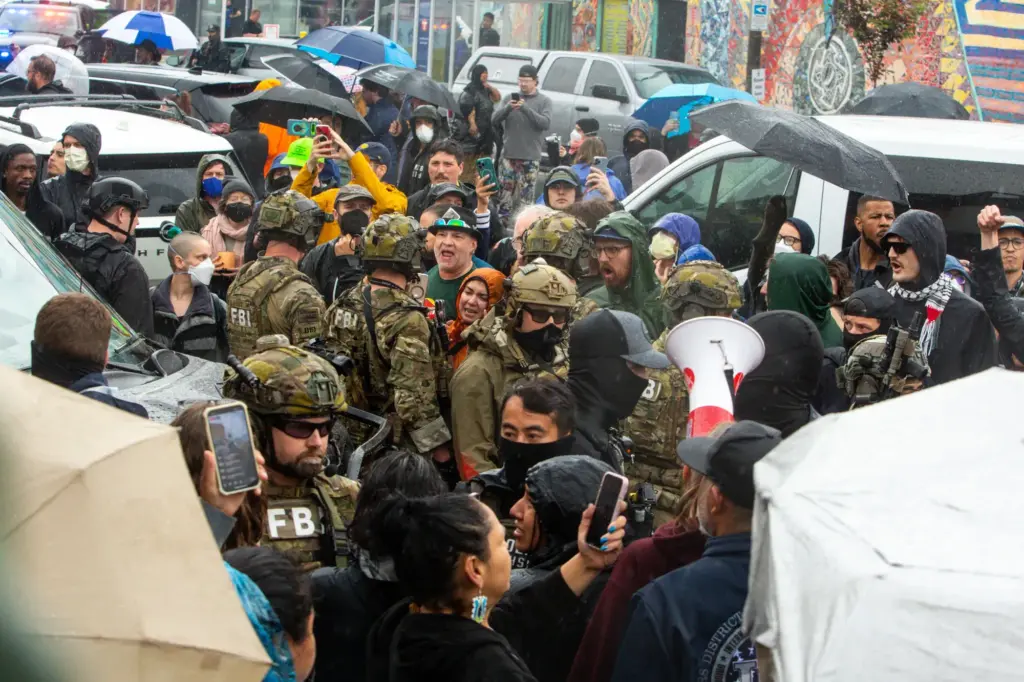
The recent Minneapolis ICE crowd control ruling has raised significant questions regarding the measures employed by Immigration and Customs Enforcement against demonstrators. In an unprecedented decision, Judge Katherine Menendez has limited the agency’s ability to utilize aggressive crowd control methods on individuals participating in peaceful protests in Minneapolis. This ruling comes in response to the growing tensions following the tragic death of Renee Good, who was shot by an ICE agent earlier this month. The judge’s order notably prohibits the use of pepper spray and arrests for those merely observing or monitoring ICE activities, ensuring the right to peaceful assembly is upheld. As the city braces for upcoming protests against immigration enforcement, this landmark decision emphasizes the importance of protecting civil liberties in the face of federal authority.
In a crucial development regarding public demonstrations, a federal judge in Minneapolis has imposed restrictions on the tactics used by Immigration and Customs Enforcement (ICE) agents during protests. Judge Katherine Menendez’s ruling focuses on ensuring the protection of peaceful protestors amidst rising tensions over immigration policies. The ruling comes in light of unfortunate events, including the recent fatal incident involving an ICE agent. It sets a precedent for how federal authorities engage with demonstrators and aims to safeguard the right to assemble peacefully. As the city prepares for future demonstrations, the implications of this ruling resonate deeply within the ongoing discourse about crowd management and civil rights.
Limitations on Crowd Control Methods by Judge Menendez
In a significant ruling by Judge Katherine Menendez, the court has placed clear limitations on the methods that ICE agents can use to manage crowds during demonstrations in Minneapolis. This decision arrives at a critical time as it aligns with impending protests aimed at challenging the agency’s stringent immigration enforcement. The ruling specifically prohibits the use of forceful crowd control methods such as pepper spray against peaceful protesters, thereby reinforcing the right to free assembly and speech. This judicial stance signals a growing recognition of the need for maintaining civil liberties during heightened tensions surrounding law enforcement practices.
Furthermore, the order stipulates that federal agents are not permitted to make arrests of non-violent demonstrators, emphasizing that merely observing or following ICE agents does not warrant a stop or detention. Judge Menendez’s 83-page order underscores the judicial commitment to protecting the rights of peaceful protestors against potentially aggressive actions by federal authorities. This position reflects broader sentiments across Minnesota, where many residents have been vocal against aggressive immigration measures enacted by ICE.
The Impact of ICE’s Crowd Control Policy in Minneapolis
The recent ruling on ICE’s crowd control policies in Minneapolis has sparked significant discussions surrounding immigration enforcement and constitutional rights. With the federal government’s use of forceful tactics against demonstrators being fundamentally challenged, many advocates for immigration reform see this as a harrowing victory for protest rights. Supporters argue that the ruling enables a safer environment for those exercising their right to dissent against what they perceive as unjust immigration practices. It is seen as essential to fostering a space for dialogue and peaceful expression in a deeply divided political climate.
In the context of ongoing protests, the ruling reduces the risk of violent confrontations between demonstrators and ICE agents. The federal acknowledgment of peaceful protests as legitimate forms of expression could lead to more measured response strategies by federal law enforcement in the future. As preparations intensify for weekend protests involving various groups united against ICE’s methods, the public is on high alert. This heightened sensitivity to crowd control could potentially shape the dynamics of civil disobedience in Minneapolis and beyond.
Reactions to Judge Menendez’s Ruling
The ruling made by Judge Katherine Menendez has garnered mixed reactions from various stakeholders, including law enforcement, government officials, and civil rights advocates. A spokesperson for the Department of Homeland Security expressed strong disapproval, characterizing the decision as an impediment to lawful operations and asserting that officers must be protected from potential rioters. This tension illustrates the complicated relationship between immigration enforcement and the civil liberties protected by the Constitution, especially in light of recent events that have exacerbated division and distrust between communities and federal agents.
On the other hand, many anti-ICE advocates celebrate this decision as a crucial step forward in safeguarding the rights of peaceful protestors. By limiting the tools available to ICE for crowd control, the ruling not only highlights the expectation of upholding constitutional rights but also challenges a narrative that often criminalizes dissent. As protests unfold, the emphasis on systemic change in immigration enforcement gains traction, and Judge Menendez’s ruling is seen as a beacon for activists fighting against perceived abuses by ICE in the realm of crowd control methods.
The Broader Context of Protests in Minneapolis
Minneapolis has recently become a focal point for intense protests against the operations of Immigration and Customs Enforcement (ICE). With the fatal shooting of protestor Renee Good by an ICE agent earlier this month, the city has been flooded with demonstrators voicing their dissatisfaction with federal immigration policies. The protests have underscored a growing discontent with law enforcement approaches to immigration, highlighting the strain on community relations and the pressing need for reform. The legal challenges against ICE practices are increasingly important, as activists seek to shift the narrative around immigration enforcement in the state.
These protests not only highlight the local implications of ICE operations but also reflect the broader national debate over immigration policies. Protesters argue for humane treatment and transparency within immigration enforcement, calling for a complete reassessment of current methods used by federal agents. As demonstrations gain momentum, the implications of Judge Menendez’s ruling will be closely monitored, as it could set a significant precedent for how ICE responds to dissenters moving forward in other parts of the country.
Law Enforcement’s Response to Tensions
In anticipation of the protests and in response to the recent judicial ruling, law enforcement agencies in Minneapolis have taken precautionary measures to maintain order. The Minnesota National Guard has been placed on high alert, indicating the seriousness with which authorities are approaching planned demonstrations. These measures include increased deployments of law enforcement officials prepared for potential conflict during the protests, particularly because of the criticisms aimed at ICE activities and the likelihood of counter-demonstrations from opposing groups.
Authorities have publicly urged protesters to remain peaceful, emphasizing the importance of non-violent demonstration as central to their message and objectives. The dialogue initiated by law enforcement encourages community cooperation while addressing concerns about public safety. The situation remains tense, as the upcoming weekend could lead to significant encounters between law enforcement and various factions opposing federal immigration strategies, all under the watchful eye of judge-imposed restrictions on crowd control.
Implications for Future Immigration Enforcement
The recent limitations imposed on ICE regarding crowd control during protests present numerous implications for future immigration enforcement tactics in Minneapolis and potentially across the nation. As ICE faces increased scrutiny over its operational methods, the ruling by Judge Menendez could prompt changes in how the agency approaches protests and interactions with community members. It fosters a legal precedent that could encourage individuals to engage more robustly in peaceful protest without fear of excessive force or unlawful detentions, thereby changing the way ICE operates when facing gatherings or demonstrations.
In light of the court’s decision, ICE may also need to reassess its overall approach toward demonstrators, particularly in urban areas with a history of active protests against their methods. If federal agents are required to rethink engagement strategies, we may see a shift towards reliance on dialogue and community engagement rather than enforcement. This change could lead to more sustainable relationships between immigrant communities and federal enforcement agencies, ultimately aligning with calls for reform and humane treatment of immigrants.
Political Fallout from Minneapolis’s Protests
The political ramifications of the protests in Minneapolis surrounding ICE operations are significant and multi-faceted. Governor Tim Walz and Minneapolis Mayor Jacob Frey have both been vocal critics of ICE’s aggressive tactics, and their public positions have led to investigations into their actions by the Justice Department. This political fallout points to a larger struggle between state and federal powers over immigration policy and enforcement priorities. As both leaders face scrutiny regarding their responses to federal actions, the outcome of this conflict could influence their political futures and those of other state leaders across the nation.
Moreover, the investigations set a concerning precedent for political opposition to federal agencies. Critics argue that using the justice system to target political opponents – as suggested by the investigations into Walz and Frey – is an authoritarian tactic that undermines democratic values. Such a view resonates with many in the community, where dissent against ICE’s policies is increasingly framed as a moral imperative. As the situation evolves, the interplay between local governance and federal enforcement will continue to be a hotbed of political contention, reflecting broader discussions on civil rights and justice.
A Shift Towards Peaceful Protests
The ruling by Judge Menendez aligning with the protection of peaceful protests signals a transformative moment for civil liberties in the context of immigration policy. Advocates for social change are viewing this development as an encouraging sign that the voices of the marginalized are being heard. The emphasis on maintaining peace during demonstrations can foster an environment where dialogue is prioritized over confrontation. With upcoming protests scheduled, the expectation is that demonstrators will organize in a manner that echoes the spirit of non-violent protest, reflecting principles of civil disobedience rather than aggression.
This ruling also foreshadows a potential shift in how communities engage with ICE and other law enforcement agencies in the future. As state actors like the Minnesota National Guard prepare to manage protests, there is also a concurrent opportunity for cooperative dialogues to emerge. The directive to avoid violence, coupled with the judge’s emphasis on lawful protest, strengthens the foundation for enduring peace and cooperation, ultimately shifting the way communities address systemic issues surrounding immigration enforcement together.
Community Responses to Recent Developments
Communities in Minneapolis are reacting proactively to the recent developments regarding ICE operations and the federal ruling. Many local organizations are mobilizing resources and organizing training sessions aimed at teaching demonstrators about their rights during protests. This community-driven effort highlights an awareness of civil liberties that has gained momentum, showing a willingness to engage peacefully yet assertively in challenging unjust practices. The commitment to informed and organized responses sets a powerful tone for future demonstrations, ensuring that community members can advocate for change effectively.
Additionally, such measures reflect a growing solidarity among various groups opposing aggressive immigration tactics. This coalition of community advocates, local politicians, and legal defenders underscores the need for a unified front in advocating for reform. As residents prepare for upcoming protests, including counter-marches from various perspectives, the community’s response will likely be heavily influenced by the recent court ruling. Ultimately, how these groups navigate this turbulent landscape could reshape the ongoing dialogue around immigration enforcement in America.
Frequently Asked Questions
What is the Minneapolis ICE crowd control ruling issued by Judge Katherine Menendez?
The Minneapolis ICE crowd control ruling, issued by Judge Katherine Menendez, restricts Immigration and Customs Enforcement (ICE) agents from arresting or using pepper spray against peaceful protesters. The ruling emphasizes the protection of individuals engaging in unobtrusive demonstrations and comes in response to a lawsuit filed by protestors. It prohibits crowd control methods that could infringe upon the rights of peaceful demonstrators.
How does Judge Katherine Menendez’s ruling impact ICE’s crowd control methods?
Judge Katherine Menendez’s ruling significantly impacts ICE’s crowd control methods by restricting their ability to use force, such as pepper spray and non-lethal munitions, against peaceful protesters in Minneapolis. The order mandates that agents cannot arrest individuals engaged in peaceful protest activities and cannot stop or detain vehicles without reasonable suspicion.
What prompted the ruling on crowd control methods for Immigration and Customs Enforcement in Minneapolis?
The ruling on crowd control methods for Immigration and Customs Enforcement in Minneapolis was prompted by ongoing protests against ICE activities, particularly following the fatal shooting of Renee Good by an ICE agent. The protests highlighted concerns about excessive force used against peaceful demonstrations, ultimately leading to the lawsuit that resulted in Judge Menendez’s order.
What does Judge Menendez’s order say about peaceful protests and ICE?
Judge Menendez’s order states that ICE agents are prohibited from using aggressive crowd control tactics against individuals participating in peaceful protests. It highlights that simply following ICE agents at a safe distance does not establish reasonable suspicion and emphasizes the right to unobtrusive protest activities without fear of arrest or force.
What are the implications of the Minneapolis crowd control ruling for future protests?
The implications of the Minneapolis crowd control ruling for future protests include heightened protections for demonstrators, allowing them to engage in peaceful protests without the threat of arrest or force from ICE. This ruling may encourage more individuals to participate in protests against ICE activities, knowing their rights are legally upheld.
How has the Department of Homeland Security responded to the Minneapolis ICE crowd control ruling?
The Department of Homeland Security has responded critically to the Minneapolis ICE crowd control ruling, asserting that it will continue to take appropriate measures to protect its officers and maintain public safety. They have expressed concern that the ruling could hinder their ability to enforce immigration laws and maintain order during protests.
What measures are being taken in Minneapolis in anticipation of protests following the ICE ruling?
In anticipation of protests following the ICE ruling, Minnesota officials have placed the National Guard on alert and deployed additional law enforcement personnel to manage the situation. They are urging demonstrators to remain peaceful, while also preparing for potential counter-demonstrations organized by conservative groups.
What does the ruling say about stopping and detaining vehicles related to ICE activities?
The ruling by Judge Menendez explicitly states that ICE agents cannot stop or detain vehicles unless there is reasonable suspicion that the occupants are forcibly obstructing or interfering with their operations. This protects individuals simply monitoring or following ICE agents as part of their peaceful protest activities.
| Key Point | Details |
|---|---|
| Federal Judge Ruling | Judge Katherine Menendez issued an order to limit ICE crowd control methods against peaceful protesters in Minneapolis. |
| Restrictions on Arrests and Force | Federal agents cannot arrest, use pepper spray, or similar nonlethal measures against peaceful demonstrators monitoring ICE agents. |
| Context of Ruling | The ruling comes amidst heightened tensions in Minneapolis following the shooting of Renee Good by an ICE agent. |
| State of Readiness | Minnesota officials are prepared for protests, with the National Guard on alert and law enforcement deployed. |
| Legal Commitments | The order reinforces that agents cannot detain individuals without reasonable suspicion, such as following agents at a safe distance. |
| DHS Response | DHS insists it will continue to uphold the law while protecting its officers, emphasizing lawful operations. |
| Political Reactions | Criticism has risen from the White House and ongoing investigation against Minnesota leaders for obstructing immigration enforcement. |
Summary
The Minneapolis ICE crowd control ruling marks a significant evolution in the legal landscape governing immigration enforcement operations. Judge Katherine Menendez’s order restricts ICE agents from employing force against peaceful protesters, ensuring protections for those peacefully observing immigration enforcement activities. This ruling not only reinforces the right to protest but also reflects the tensions and complexities surrounding immigration enforcement in the area. As protests continue, the implications of this decision will unfold, likely impacting future interactions between federal agents and the community.