Listen to this article
The recent minimum wage increase is set to make a significant impact on the lives of millions across the UK starting in April. With an hourly rate for workers over 21 rising to £12.71 and a notable pay rise for younger employees, Chancellor Rachel Reeves has announced that this initiative will benefit approximately 2.7 million individuals. This move is not just a response to inflation, but also reflects a growing recognition of the need for a living wage that can sustain families through rising costs. However, businesses express concerns about how these wage increases might affect their operational costs and hiring practices. As this 2023 pay rise approaches, it is essential to consider both the positive outcomes for workers and the potential challenges ahead for employers.
The proposal to enhance the minimum wage, often termed the National Living Wage, represents a shifting landscape in employee compensation in the UK. This prospective living wage rise has sparked dialogue about equitable pay in an environment where living costs are soaring. As the government seeks to implement these adjustments, the effects on various business sectors need careful examination, especially as some employers voice apprehensions regarding affordability and employment opportunities. Additionally, the actions taken by figures like Chancellor Rachel Reeves underscore a broader policy commitment to uplift worker earnings amidst economic pressures. This subject showcases the intricate balance between ensuring fair payment for labor while maintaining a healthy economic climate for businesses.
Understanding the Minimum Wage Increase in 2023
As of April 2023, millions across the UK will benefit from a significant increase in the minimum wage. Chancellor Rachel Reeves announced that the hourly rate will rise for those over 21 by 50p, bringing it to £12.71. This adjustment is not only crucial for improving the living standards of workers, but it also highlights the government’s commitment to tackling the cost of living crisis that has plagued many households. Furthermore, workers aged 18 to 20 will experience an even larger proportional increase of 85p, raising their minimum wage to £10.85. These changes underscore the shifts in wage policy aimed at ensuring fair compensation across various age groups, especially as inflation continues to affect buying power.
It’s important to note that the implications of the UK minimum wage increase extend beyond just those receiving the pay rise. This, coupled with past increases, may prompt businesses to reassess their hiring strategies, particularly in sectors that leverage minimum wage labor. The government aims to balance the needs of workers with the affordability for businesses, acknowledging that rising wage costs could potentially impact hiring decisions. Companies might respond by limiting job creation or adjusting their pricing strategies to accommodate heightened labor costs.
The Impact of the Minimum Wage on Businesses
Experts are voicing concerns regarding the rising minimum wage and its potential repercussions on the labor market. Business leaders, such as Kate Nicholls from UK Hospitality, have expressed that while a wage increase is necessary to support workers, it places an unsustainable burden on businesses, particularly smaller enterprises. Nicholls emphasizes that without tax relief, many hospitality venues may struggle to maintain their current workforce as they grapple with soaring operational costs. The pressure to comply with higher wage rates, alongside other rising expenses, could lead to hiring freezes or even layoffs, altering the landscape of employment in the UK.
In essence, the balance between maintaining a livable wage and supporting businesses is delicate. The Treasury asserts that historical data indicates prior increases in minimum wages have not led to significant job losses, yet the current economic climate introduces unique challenges. The rising cost of materials and inflation complicate businesses’ ability to absorb these wage hikes, leading to the possibility of increased consumer prices. Such scenarios can create a ripple effect, highlighting the need for a collaborative approach between government and industry to ensure that a living wage rise does not hamper economic growth or employment opportunities.
Reactions to the Minimum Wage Adjustment
The recent announcement regarding the minimum wage adjustments has provoked a spectrum of responses from various stakeholders within the UK. Labor organizations like the Trades Union Congress (TUC) have welcomed the decision to phase out the separate minimum wage rate for younger workers, viewing it as a necessary step to ensure equitable pay. TUC General Secretary Paul Nowak emphasized that this increase is critical given the current living costs, which have adversely affected the lowest-paid workers. Their concrete stance advocates for fair compensation, arguing that all workers, regardless of age, deserve to be paid adequately for their labor.
Conversely, think tanks such as the Resolution Foundation have raised alarms over the potential negative consequences of the substantial increases slated for younger workers. They argue that an excessively high pay rise could deter employers from hiring, exacerbate youth unemployment, and increase the rates of young individuals who are not in education, employment, or training (NEET). By understanding both sides of the dialogue surrounding minimum wage policy, it’s clear that while boosting incomes is essential, careful consideration must also be given to the implications for job security among vulnerable age groups.
Chancellor Rachel Reeves and Wage Policy
Chancellor Rachel Reeves has become a pivotal figure in shaping the UK’s wage policy as the government navigates the complexities of the cost of living crisis. Her recent announcements have aligned with broader objectives to elevate the living wage, while concurrently addressing the economic realities faced by businesses. Reeves has been vocal about ensuring that wage increases help alleviate the financial pressures burdens on households, notably for those earning minimum wage as they struggle to make ends meet amid rising living costs.
Furthermore, as wage policies evolve, Reeves’ leadership is essential in fostering dialogue between employees and employers. By engaging different sectors in conversations about wage adjustments, the government seeks to strike a balance that promotes fair compensation while safeguarding economic viability. This approach acknowledges that minimum wage increases, while beneficial to workers, require a nuanced framework that considers the fiscal capabilities of businesses, especially smaller entities that form the backbone of the UK economy.
The Role of the Low Pay Commission
The Low Pay Commission plays a crucial role in advising the government on national minimum wage increases. Their research into the effects of wage changes on employment has significantly influenced policy-making. Historically, the Commission has asserted that raising the minimum wage for those over 21 has not led to considerable job losses, which is a pivotal element in the conversation about whether to incrementally increase these rates further. Their assessments help inform how the government can best support low-income earners without jeopardizing the employment landscape.
This accountability mechanism serves as a safeguard against potential overreach in wage policy, ensuring that increases are justifiable and beneficial to both workers and employers. The Commission’s recommendations are based on thorough analyses and stakeholder consultations, emphasizing the importance of data-driven decision-making in wage policy. Such an approach is essential to foster confidence in a labor market that increasingly supports living wage rises while mitigating risks to job security and business stability.
Navigating the Cost of Living Crisis
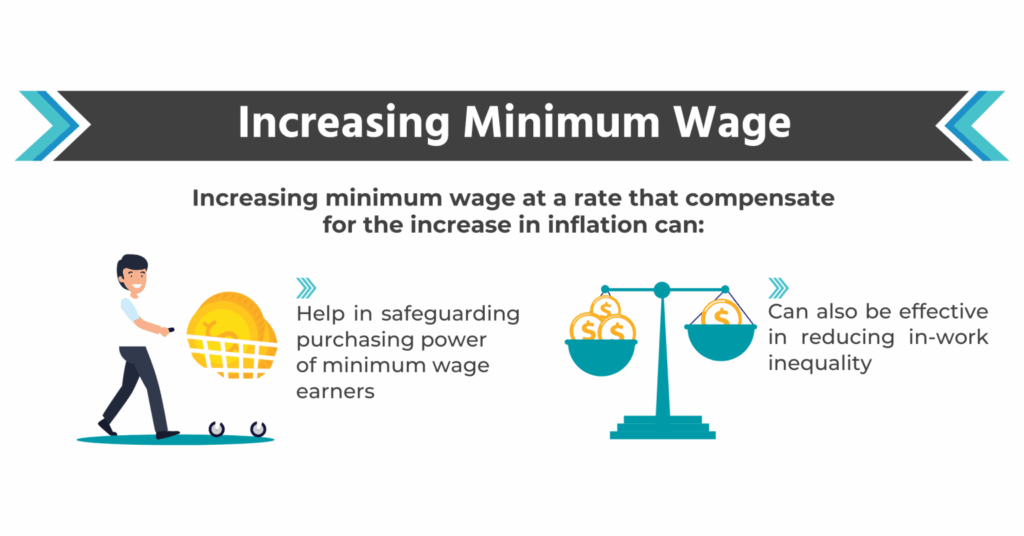
With rising inflation and increased living costs central to many discussions surrounding wage policy, the 2023 minimum wage increase represents a critical effort to alleviate some of these pressures on low-income households. The government’s decision reflects a commitment to ensuring that those on the minimum wage can afford basic necessities, addressing widespread public concern. As the Real Living Wage remains higher than the statutory minimum wage, there is ongoing debate regarding the need to align both rates more closely to adequately support individuals and families.
However, while the wage increases are a step in the right direction, it is important for policymakers to remain vigilant about the potential consequences on hiring and business operations. The balance between robust wage policies and economic health must be carefully navigated to prevent negative outcomes, such as increased inflation rates or reduced employment opportunities. As public discussion continues, the focus will likely remain on how best to support low-income workers while fostering a sustainable economic environment.
Future Challenges and Opportunities for Wage Policies
The upcoming minimum wage changes present both challenges and opportunities for the UK workforce. As businesses adapt to rising wage costs, there is a possibility of resistance against further increases, especially from sectors already struggling with operational costs. The potential for hiring freezes or modifications in employment strategies could change the dynamics of worker demand in different industries. This reality poses a challenge for policymakers who must find ways to stimulate employment while ensuring that workers receive fair compensation.
On the other hand, these challenges could also be viewed as an impetus for innovation in how businesses approach labor costs. Companies might invest more in automation or efficiency improvements to offset wage costs, fostering a different landscape of job opportunities. Therefore, as the minimum wage policy continues to evolve, it will be crucial to stay attuned to the labor market’s responses and adapt strategies that ensure fair income for workers while supporting business growth.
Engaging with Employers on Wage Increases
As the government pushes forward with minimum wage increases, engaging with employers becomes increasingly vital. Many businesses have voiced their concerns about the pressure these changes place on their operations and overall profitability. Industry leaders advocate for a collaborative approach, urging for support measures such as tax relief or funding programs to sustain themselves amidst rising costs. Engaging in meaningful dialogue with business representatives will allow the government to tailor its policies in a way that mitigates adverse effects on employment while encouraging fair pay for workers.
This collaboration can also help to set realistic wage expectations that reflect economic conditions, ensuring that both workers and employers can thrive. By working together, stakeholders can focus on creating pathways for sustainable wage growth that do not compromise employment levels. Such inclusive engagement is crucial in fostering a stronger economy that fulfills the needs of all participants in the labor market while keeping the focus on improving living standards.
Evaluating the Long-Term Effects of Wage Increases
As we look to the future, assessing the long-term effects of recent wage increases on both workers and businesses is essential. Historical data from the Low Pay Commission indicates that previous wage hikes have typically resulted in minimal negative impacts on employment levels. However, continuous monitoring will be necessary to evaluate the real-world consequences of the 2023 increases. These assessments will provide invaluable insights into how ongoing wage adjustments influence labor markets and economic stability.
Moreover, understanding the long-term benefits for employees is fundamental. As workers experience improved financial security, this can translate into greater consumer spending, which in turn supports economic growth. The challenge remains in ensuring that wage increases do not inadvertently lead to rising costs of living or inflation, thereby negating the intended benefits of the policies. Thus, a comprehensive evaluation framework must be established, allowing for adaptative strategies that respond effectively to the dynamic economic landscape.
Frequently Asked Questions
What is the new UK minimum wage for adults aged 21 and over from April 2023?
From April 2023, the UK minimum wage for adults aged 21 and over will increase to £12.71 per hour, reflecting a rise of 50p in the National Living Wage. This initiative aims to improve earnings for millions across the country.
How will the living wage rise affect workers aged 18 to 20 in the UK?
The living wage rise sets the minimum wage for workers aged 18 to 20 at £10.85 per hour, an 85p increase. This change is part of the government’s commitment to ensure fair compensation for younger workers.
What did Chancellor Rachel Reeves say about the 2023 pay rise?
Chancellor Rachel Reeves stated that approximately 2.7 million individuals will benefit from the 2023 pay rise, as higher minimum wage rates will help address the cost of living crisis impacting lower-income workers.
What impact on businesses is anticipated due to the increased minimum wage in 2023?
Businesses have expressed concerns that the minimum wage increase could lead to hiring freezes and higher operational costs. The added financial burden may force companies to raise consumer prices or limit employee pay increases.
What is the overall increase in the minimum wage for those under 18 from April 2023 in the UK?
The UK minimum wage for workers under 18 will increase to £8 per hour, marking a 45p rise. This adjustment aims to support younger employees in managing living costs.
How do recent minimum wage increases compare to previous pay rises in the UK?
The 2023 pay rise reflects an ongoing trend, with last year’s minimum wage increase for those over 21 being 6.7% and 16.3% for 18 to 20-year-olds. These rising rates aim to improve wage standards amid rising living costs.
What is the Real Living Wage compared to the new minimum wage set for 2023?
The Real Living Wage, which is higher than the minimum wage, currently stands at £13.45 in the UK and £14.80 in London. While the minimum wage increases help many, the Real Living Wage better reflects actual living expenses.
What was the reaction of the Resolution Foundation to the minimum wage rise for young workers?
The Resolution Foundation criticized the substantial minimum wage rise for 18 to 20-year-olds, suggesting it may negatively impact job opportunities for young people amid concerns of discouraging employers from hiring.
How are businesses likely to respond to the increasing costs due to the minimum wage rise?
Businesses might respond to increasing costs from the minimum wage rise by passing expenses onto consumers, reducing investment, or limiting hiring, as they strive to balance profitability with wage obligations.
What role does the Low Pay Commission play in the minimum wage increase process?
The Low Pay Commission recommends minimum wage adjustments, analyzing the impacts on both workers and employers. They believe that previous rises have not significantly harmed job availability, balancing wage growth with business sustainability.
| Category | Current Rate | New Rate | Increase | Annual Income (Full-Time) |
|---|---|---|---|---|
| Over 21 (National Living Wage) | £12.21 | £12.71 | £0.50 | £24,784.50 |
| Ages 18-20 (National Minimum Wage) | £10.00 | £10.85 | £0.85 | £21,157.50 |
| Under 18 / Apprentices | £7.55 | £8.00 | £0.45 | N/A |
Summary
The minimum wage increase set to take effect in April is a significant step towards improving the lives of millions of workers across the UK. With substantial rises in pay for not only adults but also younger workers, the government aims to address the challenges posed by the rising cost of living while balancing the needs of businesses and employment opportunity constraints. This measure reflects a commitment to fair compensation and aims to alleviate financial pressures for many, although the response from businesses indicates potential challenges ahead as they adjust to these increased wage obligations.