
Listen to this article
When it comes to traveling, a key strategy to minimize add-on costs when you fly is to be proactive and savvy. Airlines often lure passengers with low ticket prices only to recoup their profits through various airline fees for additional services such as luggage, seat selection, and priority boarding. To truly enjoy affordable travel, you need to learn how to save money on flights by avoiding unnecessary charges. This means packing efficiently to dodge hefty luggage fees and being aware of the small print in your airline’s policies. With some smart travel tips, you can keep your costs down and ensure your journey is not only enjoyable but also budget-friendly.
Traveling can quickly become expensive if you’re not careful, especially when you consider the extra costs associated with flying. Many airlines are notorious for charging for baggage, seat assignments, and more, which can catch travelers off guard. Therefore, understanding how to avoid these fees is essential to maintaining a budget during your trips. Whether it’s through smart packing techniques or being aware of your rights as a passenger, there are numerous strategies one can employ to minimize expenses and make the most out of cheap flights. Embracing these alternative methods can help you navigate the world of airline charges while ensuring that your travel experience remains smooth and affordable.
Understanding Airline Fees and How to Save Money on Flights
In the contemporary air travel landscape, understanding the hidden costs associated with airline tickets is crucial. Often perceived as a bargain at first glance, the ticket prices advertised by budget airlines can become deceptive once additional charges come into play. From luggage fees to priority boarding costs, these add-ons can significantly inflate the overall price of your journey. It’s essential for travelers to educate themselves on these potential expenses to effectively budget for their trips—and ultimately save money on flights.
One effective strategy is to conduct thorough research on various airlines’ fee structures before booking your ticket. Understanding what each airline charges for checked and carry-on baggage can provide insights into which carriers may actually offer the best deal. For instance, some airlines might charge exorbitant luggage fees while offering cheaper tickets, while others could include a reasonable baggage allowance in their pricing. Taking the time to compare these factors can yield significant savings.
Be Ruthless When Packing to Minimize Add-On Costs
Packing strategically plays a pivotal role in flying costs. To minimize add-on costs when you fly, it’s advisable to limit yourself to just a carry-on bag whenever possible. This requires ruthless packing, ensuring you only bring essential items and utilizing clever techniques to optimize space. For instance, consider wearing bulkier clothing, like jackets or sweaters, and using travel-sized toiletries to avoid the need for checking luggage altogether.
Moreover, splitting luggage with a travel companion can further reduce fees. By coordinating what each person packs and sharing a bag, you can circumvent those costly luggage fees. The key is to be innovative with your packing techniques—using clothing to fill empty spaces in your bag and packing lighter items into larger coats or outer clothing can make a significant difference.
Choosing the Right Cabin Bag to Avoid Unexpected Fees
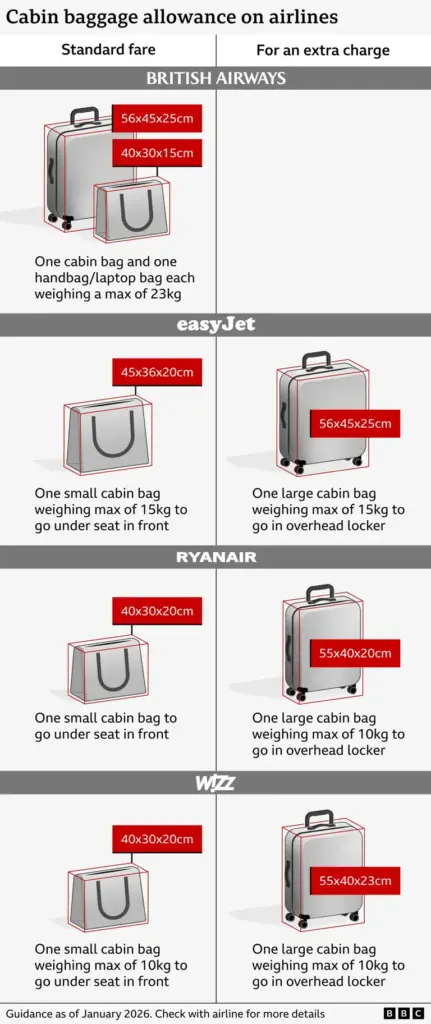
Choosing the right cabin bag is critical to avoid unexpected fees and ensure a smooth boarding experience. Different airlines often have specific regulations regarding the dimensions and weight limits of cabin luggage. Thus, it’s paramount to measure your bag before heading to the airport; don’t just rely on the bag’s labeling. Even bags marketed as ‘cabin size’ may not comply with the airline’s regulations, leading to costly fines at the gate.
Additionally, there are innovative luggage options available that bypass many of these issues. Some luggage firms design bags with removable wheels, allowing travelers to easily adjust the size of their bags to fit airline regulations as needed. Investing in one of these flexible solutions can save you from the hassle of dealing with luggage fees and the uncertainties of boarding.
Avoiding Sneaky Sales Tactics During the Booking Process
When booking your flight, it’s crucial to stay vigilant against sneaky sales tactics that airlines may employ. As you navigate through the booking process, you may encounter prompts suggesting additional fees for seat selection or priority boarding. However, if you are flexible about your seating, it’s often possible to skip these costs altogether by allowing the airline to assign your seat. This simple decision can save you a significant amount of money on your ticket.
Moreover, be wary of other add-on services presented during the booking. While some airlines may offer seemingly valuable options such as insurance or hotel stays, they usually come at inflated prices. By resisting the urge to purchase these add-ons and sticking with basic booking options, you can retain more money for your travel budget, ensuring a better overall experience on your trip.
Tips for Traveling Light and Smart
Traveling light is not only about saving on luggage fees but also about ensuring a stress-free journey. By minimizing the weight of your bag, you enhance your mobility through busy airports and reduce the chances of issues such as lost luggage. Consider packing only versatile clothing items that can be mixed and matched, and always prioritize lightweight materials that won’t add unnecessary weight to your bag.
In addition, utilizing packing aids such as compression bags or packing cubes can help maximize space without requiring extra baggage. These tools can help you organize your items neatly while keeping your luggage within the airline’s permissible limits. The less you carry, the more you save, and you’ll find that traveling light can lead to a more enjoyable experience.
How to Leverage Frequent Flyer Programs
Frequent flyer programs can be an effective way to reduce the overall costs associated with air travel. By accumulating points through regular flights or partnering with affiliated services, travelers can earn free flights, upgrades, or even free check-ins for luggage. For those who fly often, signing up for these programs is an excellent investment for future savings.
Additionally, many airlines have partnerships with hotels and rental car companies, allowing travelers to earn points that can be redeemed for various travel expenses. Utilizing these partnerships not only enhances your travel experience but can ultimately lead to reduced costs on future trips—an invaluable strategy for budget-conscious travelers.
The Importance of Staying Informed About Airline Policies
Staying informed about the latest airline policies can greatly influence your travel budgeting. Airlines frequently update their fees and baggage rules, and being unaware of changes can catch travelers off guard. Regularly checking the airlines’ websites or signing up for newsletters can ensure you have the most accurate information regarding your upcoming flights.
Moreover, keeping an eye out for special promotions can yield significant savings. Many airlines offer limited-time deals on baggage fees or incentives for booking through their app. Being proactive in understanding these policies and rewards can make a significant difference in your flying costs.
Using Alternative Airlines for Cost Savings
Exploring alternative airlines is an often-overlooked strategy for budget travel. Smaller carriers or lesser-known airlines can frequently provide better deals on flights, especially when traveling to popular destinations. While larger airlines might charge more due to their established reputation, new competitors often offer lower rates to build their customer base.
However, it’s essential to be mindful of the potential fee structures of these alternative airlines. Before booking, always review their policies on baggage fees and other add-ons to avoid unexpected charges. Thorough research and comparisons can lead to discovering fantastic deals that meet your travel needs while significantly reducing costs.
The Role of Technology in Reducing Travel Costs
Modern technology has revolutionized the travel industry, making it easier to find cheap flights and minimize add-on costs. Various flight comparison websites and apps allow travelers to quickly search and compare ticket prices across numerous airlines, ensuring they secure the best deals available. By using these tools, travelers can be more strategic in selecting flights that offer true value.
Additionally, price tracking features can alert travelers to fluctuations in fares, enabling them to book flights when prices drop. These technological advancements create numerous opportunities for savvy travelers to maximize their savings and enhance their overall travel experience.
Frequently Asked Questions
How can I minimize add-on costs when I fly?
To minimize add-on costs when you fly, prioritize packing light to avoid luggage fees. Additionally, familiarize yourself with the airline’s luggage rules and consider using a carry-on bag that meets the size requirements. Booking extras like seat selection or priority boarding only if necessary can also save money.
What travel tips can help me save money on flights?
To save money on flights, consider booking well in advance, comparing prices across different airlines, and being flexible with your travel dates. Utilizing travel hacks like taking a soft backpack or wearing layers can also minimize add-on costs when you fly.
What are common airline fees to watch out for?
Common airline fees include charges for checked luggage, seat selection, and priority boarding. Knowing how to pack efficiently and avoiding extra services can help you minimize add-on costs when you fly.
How can I avoid luggage fees when booking cheap flights?
To avoid luggage fees when booking cheap flights, opt for airlines that allow free carry-on baggage, pack wisely, and share luggage with travel companions. Always check the airline’s cabin bag rules to ensure compliance and avoid surprise fees.
Are priority boarding fees a waste of money?
Often, paying for priority boarding is unnecessary and can be considered a waste of money. If you don’t mind where you sit, allow the airline to assign your seat. This method can help minimize add-on costs when you fly.
Should I pay for extra low-cost airline services or skip them?
It’s wise to skip unnecessary extras from low-cost airlines unless they add substantial value to your trip. Always evaluate if paying for seat selection or insurance is really worth the price, as many travelers find better deals elsewhere.
How do I know if my bag meets an airline’s size requirements?
To ensure your bag meets an airline’s size requirements, always measure it beforehand and verify with the airline’s website. Remember, bags labeled as ‘cabin size’ may not meet limits due to wheels and handles, so double-check before you fly.
What are some effective strategies for packing light?
Effective strategies for packing light include using packing cubes, wearing bulkier items on the flight, and sharing luggage with travel partners. Consider versatile clothing that can be mixed and matched to further minimize add-on costs when you fly.
When is the best time to pay for checked luggage to avoid high fees?
The best time to pay for checked luggage to avoid high fees is at the time of booking, as prices often rise closer to the departure date. Avoid adding luggage at the airport as it is typically the most expensive option.
How can I take advantage of baggage firms to avoid airline fees?
Baggage firms offer luggage solutions that comply with airline limits. Use innovative bags that can adapt, such as those with removable wheels, to help minimize add-on costs when you fly and to keep your travel expenses low.
| Strategy | Tips | Remarks |
|---|---|---|
| Pack smartly | Be ruthless with packing; consider sharing luggage with travel companions. | Use hotel toiletries to save on space. |
| Be aware of cabin bag rules | Double-check size limits on the airline’s website. | A labeled ‘cabin size’ bag may not meet the airline’s actual rules; avoid rigid bags. |
| Avoid extras | Do not pay for seat selection or priority boarding unless necessary. | Airlines won’t charge you for checked bags if overhead bins are full; just wait longer. |
| Decline unnecessary insurance offers | Evaluate the value of hotel or transfer offers; insurance is rarely beneficial. | Watch out for add-on fees during booking process. |
Summary
To minimize add-on costs when you fly, it is essential to plan your packing and be aware of the airline’s restrictions. By packing efficiently, such as sharing luggage and choosing the right bag size, travelers can avoid expensive fees associated with checked luggage and carry-on items. Additionally, being cautious of the alluring upsells, like priority boarding and insurance, can further help keep costs down. Ultimately, the key to keeping your travel expenses low lies in thoughtful preparation and negotiation of airline rules.