
Listen to this article
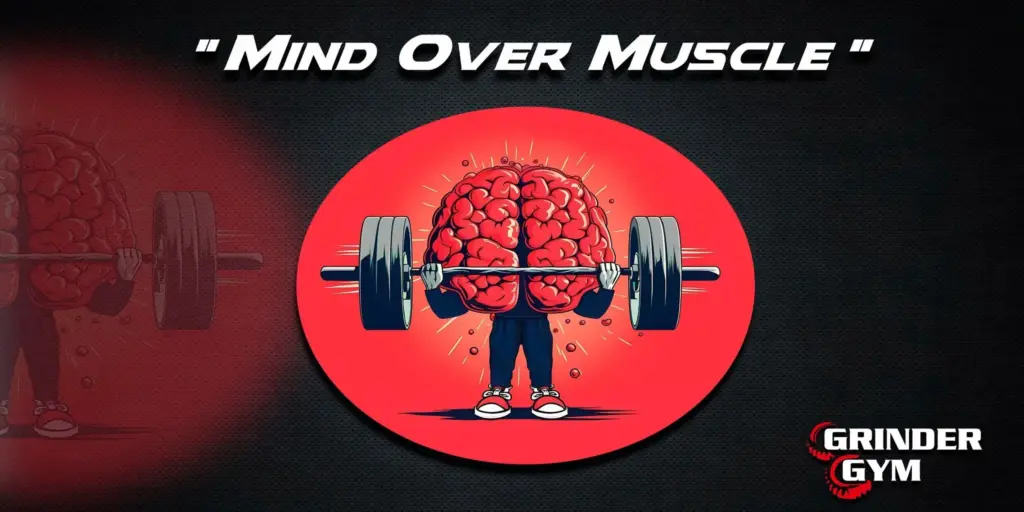
Mind Over Muscle is a guiding principle that highlights the crucial psychological aspects of success in sports. As athletes navigate the pressures of competition, understanding the mental dimensions of their performance becomes paramount in achieving their goals. Focusing on mental toughness in sports equips athletes with the resilience needed to overcome adversity, enabling them to not just compete, but excel. Moreover, cultivating a strong sports motivation can significantly enhance an athlete’s ability to perform under pressure. Thus, the intersection of psychological strength and athletic ability underscores the essential role that mindset plays in determining success in the competitive sports arena.
The concept of prioritizing psychological strength over sheer physical capability in athletics is gaining prominence, often encapsulated by phrases like “mind over matter” or emphasizing mental resilience in sports performance. Many athletes find that their toughest competition lies not with their opponents but within their own minds, where mental fortitude can dictate the outcome of a contest. By developing strategies to boost their concentration, control their emotional responses, and maintain motivation, athletes can learn to navigate challenges effectively. This holistic approach to training, which integrates both physical and psychological elements, reflects an evolving understanding of the sports landscape. Ultimately, a focus on mental adaptability and growth can inspire athletes to reach new heights, as they learn to leverage their minds in tandem with their athletic prowess.
Understanding Mental Toughness in Sports
Mental toughness is a crucial trait that can significantly influence an athlete’s performance. It is characterized by resilience, confidence, and the ability to handle pressure effectively. Athletes who exhibit mental toughness often find themselves performing better under stress, as they possess the strategies and mindset required to navigate challenging situations. This psychological strength not only enables them to stay focused on their goals during competitions but also empowers them to push through setbacks and remain committed to their training schedules.
To build mental toughness, athletes can employ several techniques, such as visualization and positive self-talk. Visualization allows athletes to mentally prepare for competitions by picturing themselves achieving success, which can enhance their belief in their capabilities. On the other hand, positive self-talk helps replace negative thoughts with affirmations, reinforcing a mental environment conducive to success. Together, these strategies contribute to a robust mental framework that supports athletes during pivotal moments in their careers.
Overcoming Adversity in Competitive Sports
Adversity is an inherent part of an athlete’s life, manifesting in various forms such as injuries, defeats, or personal challenges. Learning to overcome these difficulties is vital for long-term success. Embracing a growth mindset—where setbacks are viewed as opportunities for growth—can shift an athlete’s perspective, enabling them to rebound from disappointments more effectively. By recognizing that failures provide valuable lessons, athletes can cultivate resilience and a stronger commitment to their sport.
Techniques to overcome adversity include maintaining a flexible mindset and seeking support from peers and mentors. Athletes who focus on their progress rather than fixating on their setbacks often find new motivation to persist. The role of a supportive environment cannot be understated; having coaches, friends, and family who encourage and uplift can make all the difference during tough times.
The Role of Motivation in Athletic Performance
Motivation is a central factor that drives athletes toward achieving their goals. It can be influenced by both intrinsic factors, like personal satisfaction, and extrinsic factors, such as rewards and recognition. Understanding what motivates them is essential for athletes to maintain high performance levels. Psychological theories, such as the Self-Determination Theory, emphasize the importance of autonomy and competence in fostering intrinsic motivation, suggesting that athletes who feel in control of their training are likely to perform better.
Additionally, discovering a personal passion and purpose can ignite a stronger motivation within athletes. When athletes align their training with their core values and reasons for participating in their sport, they often experience enhanced commitment. A network of social support, including family and teammates, also plays a significant role in maintaining motivation, reinforcing a sense of belonging that can propel athletes to new heights.
Concentration Techniques for Athletes
Concentration is vital for athletes, particularly during competitive events where distractions could lead to costly mistakes. Being able to focus unwaveringly allows athletes to execute their skills effectively and make quick decisions under pressure. Mindfulness training is one effective method that encourages athletes to stay present and engaged in their performance, helping to mitigate anxiety and boost their confidence.
Moreover, establishing a consistent pre-performance routine can enhance an athlete’s concentration by providing a structured framework for mental and physical preparation. These routines help create a sense of familiarity, allowing athletes to enter a focused mindset each time they compete. By prioritizing concentration strategies, athletes can improve their execution and ultimately their performance outcomes.
Building Resilience in Athletes
Resilience is the ability to bounce back from adversities and is a cornerstone of sustained athletic success. Athletes who are resilient tend to adapt more effectively to setbacks and maintain their focus on long-term goals. Emotional regulation techniques, such as journaling and discussions with trusted mentors, can empower athletes to articulate their feelings and navigate the emotional landscape of their sports careers.
Viewing failure as a learning experience is another critical aspect of building resilience. Instead of seeing mistakes as dead ends, resilient athletes analyze their performances to extract valuable insights that inform their future endeavors. This perspective fosters a growth-oriented mindset essential for continuous improvement and helps athletes maintain their determination and passion for their sport.
The Connection Between Mindset and Performance
The relationship between mindset and performance in sports is profound. A positive mindset can significantly elevate an athlete’s performance, leading to increased opportunities for success. Athletes who approach challenges with a growth mindset are more likely to embrace difficulties as opportunities for improvement. This mental framework not only enhances their resilience but also positively impacts their ability to perform under pressure.
Conversely, a fixed mindset can lead to discouragement and anxiety, significantly hindering an athlete’s performance capabilities. By promoting a culture of growth and adaptability, coaches and trainers can help instill a mindset that embraces challenges and seeks continual improvement, ultimately benefiting the athlete’s competitive edge.
Harnessing the Power of Visualization
Visualization is a powerful psychological tool that many successful athletes utilize to enhance performance. By mentally rehearsing their routines and envisioning themselves succeeding, athletes can bolster confidence and reduce anxiety. Visualization not only prepares the athlete for actual performance scenarios but also helps to solidify techniques and strategies in their mind, making execution during competition more seamless.
Integrating visualization into daily training routines can lead to remarkable improvements in performance. Athletes are encouraged to set aside time for this practice, crafting detailed mental images of their goals and the processes required to achieve them. Consistency in visualization can develop a mental library of experiences that athletes can draw upon in real-time situations during competitions.
The Impact of Self-Talk on Performance
Self-talk can heavily influence an athlete’s mindset and performance. Positive self-talk can enhance an athlete’s belief in their abilities, while negative self-talk can create self-doubt and anxiety. Athletes are encouraged to replace negative thoughts with affirmations that reinforce their confidence and capabilities. This practice not only improves performance but can also contribute to overall mental well-being.
Exploring various self-talk strategies can help athletes find the technique that works best for them. For example, some may prefer motivational quotes, while others might rely on personal affirmations. The key is to cultivate inner dialogue that empowers rather than hinders confidence, fostering an athlete’s ability to overcome challenges while performing optimally on the field.
Creating a Supportive Environment for Athletes
A supportive environment is crucial for fostering motivation and resilience among athletes. Support from coaches, peers, and family can uplift spirits, especially during challenging times. An encouraging atmosphere can reinforce an athlete’s commitment to their sport and bolster their mental toughness, ultimately contributing to better performance outcomes.
Moreover, building strong relationships within the sports community encourages open discussions about challenges and successes, promoting mental well-being. Athletes who feel valued and understood are more likely to thrive and push through adversities, underscoring the importance of fostering a nurturing environment that celebrates perseverance and resilience.
Frequently Asked Questions
How does Mind Over Muscle apply to mental toughness in sports?
Mind Over Muscle encapsulates the idea that mental toughness is crucial for athletic success. Athletes who develop strong psychological resilience through techniques like visualization and positive self-talk can maintain high performance levels during pressures and challenges.
What are key psychological aspects of success emphasized by Mind Over Muscle?
Key psychological aspects include mental toughness, motivation, resilience, focus, and the ability to overcome adversity. These elements work together to enhance an athlete’s performance and help them excel in competitive environments.
How can athletes enhance their mental toughness according to Mind Over Muscle principles?
Athletes can enhance their mental toughness by practicing visualization, engaging in positive self-talk, setting SMART goals, and utilizing relaxation techniques to manage stress and pressure effectively.
Why is motivation important in the context of Mind Over Muscle?
Motivation is essential within the Mind Over Muscle framework as it drives athletes towards their goals. Whether intrinsic or extrinsic, motivation fuels perseverance and dedication, enabling athletes to overcome obstacles.
How does Mind Over Muscle help athletes overcome adversity?
By fostering a growth mindset, Mind Over Muscle encourages athletes to view setbacks as growth opportunities. This perspective helps them recover and enhance their performance following challenges such as injuries or losses.
What role does concentration play in the Mind Over Muscle approach?
Concentration is vital in the Mind Over Muscle approach, as it allows athletes to maintain focus during competitions. Techniques such as mindfulness training can aid in achieving better concentration and reducing anxiety.
What strategies can athletes use to build resilience based on Mind Over Muscle?
To build resilience, athletes can practice emotional regulation, learn from failures, maintain a positive outlook, and engage in discussions with coaches or mentors to process challenges and emotions effectively.
How can visualization techniques improve sports performance in alignment with Mind Over Muscle?
Visualization techniques enable athletes to mentally rehearse their performances, creating a clear sense of success and boosting their confidence, which is essential for achieving optimal results in competition.
What benefits does positive self-talk provide within the Mind Over Muscle framework?
Positive self-talk helps athletes shift their focus from negative thoughts to affirming statements, enhancing their performance, boosting self-esteem, and promoting greater mental resilience against stress.
How does having a strong social support system relate to Mind Over Muscle?
A strong social support system plays a significant role within the Mind Over Muscle concept, as encouragement from coaches, family, and peers enhances motivation, resilience, and overall mental toughness during competitive sports.
| Key Aspect | Description |
|---|---|
| Mental Toughness | Attributes like confidence, perseverance, and coping under pressure. Mental training techniques such as visualization and positive self-talk enhance this toughness. |
| Overcoming Adversity | A growth mindset helps athletes view setbacks as opportunities for development, enabling better recovery from challenges. |
| Motivation | Intrinsic and extrinsic motivators drive athletes. Self-determination theory outlines the need for autonomy and purpose in fostering motivation. |
| Concentration and Focus | The ability to maintain focus during competition improves performance. Mindfulness and routine development help strengthen concentration. |
| Resilience | The capacity to recover from setbacks by managing emotions and learning from failures leads to sustained performance. |
Summary
Mind Over Muscle highlights the crucial importance of psychological factors in achieving success in sport. The mental dimensions, including mental toughness, resilience, and motivation, significantly impact an athlete’s performance. Understanding and cultivating these psychological qualities can empower athletes to overcome physical limitations, face challenges head-on, and attain their competitive goals. Hence, prioritizing the mind as much as the body is essential for any athlete looking to succeed in their sporting endeavors.

