
Listen to this article
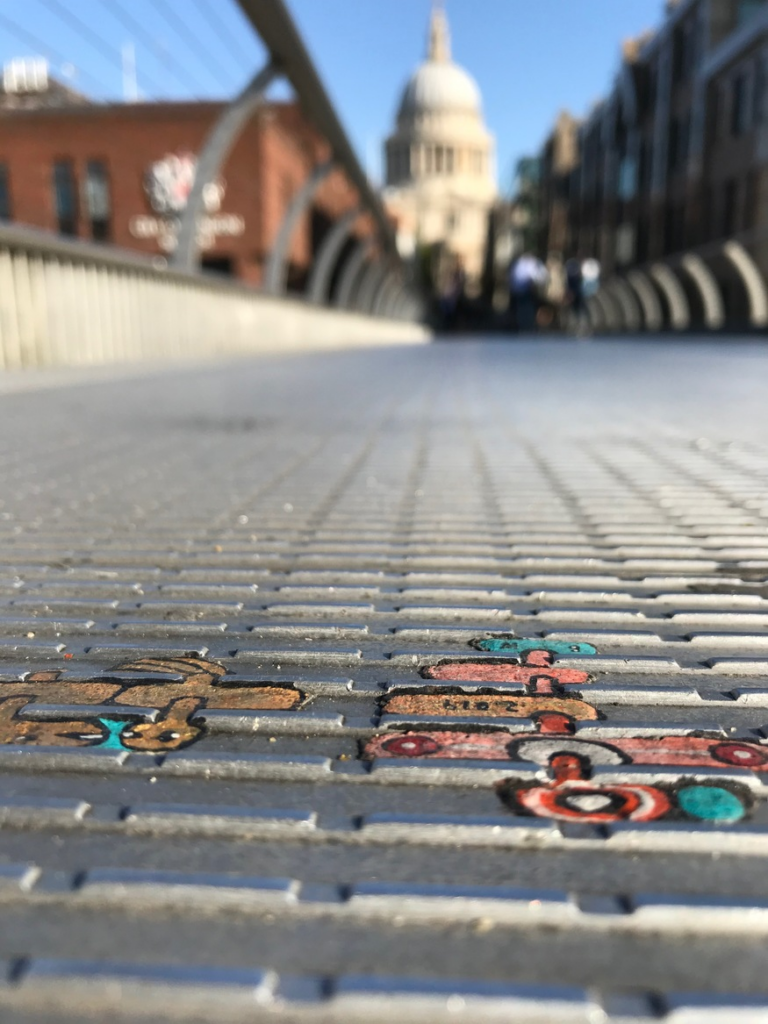
The Millennium Bridge gum art phenomenon offers a unique urban experience that often goes unnoticed by the thousands crossing the iconic bridge each day. Beneath the busy foot traffic lies a kaleidoscope of tiny art pieces, created by the talented artist Ben Wilson who has turned discarded chewing gum into captivating miniature paintings. As you navigate from St Paul’s Cathedral to Tate Modern, glancing down reveals Wilson’s intricate creations, which together form one of London’s most enchanting art trails. This innovative form of chewing gum art transforms everyday litter into meaningful expressions, drawing attention to the overlooked beauty of the environment. With every step, art enthusiasts and casual walkers alike can discover the stories embedded within each gum artwork, making the Millennium Bridge not just a crossing but a gallery of modern creativity.
The creative expression found on the Millennium Bridge is not limited to traditional mediums but is beautifully represented through what some call gum art or chewing gum artwork. This unconventional form of artistic endeavor has captivated many, showcasing the work of local artists who turn everyday waste into memorable visuals. As you stroll along this famous London landmark, you might encounter pieces that tell personal stories, adding emotional depth and narrative to the experience. In essence, the bridge itself transforms into a vibrant canvas, celebrating the intersection of community, art, and urban life. Explore the fascinating gallery beneath your feet, where each tiny art piece is a nod to both creativity and environmental awareness.
The Unique Concept of Chewing Gum Art
Chewing gum art is an innovative form that repurposes what many consider litter into exquisite works of creativity. The art form gained traction in urban environments where discarded gum can transform the mundane into the extraordinary. Artists like Ben Wilson have pioneered this movement, making it a celebrated aspect of London’s art culture. Rather than toss gum to the sidewalk, Wilson skillfully paints miniature masterpieces that blend seamlessly into the urban fabric, offering a fresh perspective on waste and creativity.
Wilson’s pieces are more than just artistic expressions; they tell stories of the city and its inhabitants. Each gum painting serves as a testament to personal experiences and community interactions. By utilizing chewing gum as a canvas, Wilson invites viewers to reevaluate their surroundings and consider the hidden beauty in everyday materials. This unique approach has sparked interest in chewing gum art, prompting discussions about street art, sustainability, and the power of grassroots creatives in urban settings.
Exploring the Millennium Bridge Gum Art Trail
The Millennium Bridge art trail captivates pedestrians with its intriguing collection of gum art created by Ben Wilson. Spanning the bridge, the art pieces act as a bridge themselves—connecting passers-by to the narratives tied within each gum artwork. With over 600 vibrant creations dotting the walkway, visitors can embark on an unexpected art journey from St. Paul’s Cathedral to the Tate Modern, where each step reveals new stories emerging from beneath their feet.
Walking along this unique trail, one can appreciate the creativity and skill that go into each painting. Each tiny artwork is painted with intricate details, requiring hours of dedication from the artist. The Millennium Bridge serves as the perfect backdrop due to its pedestrian-friendly design, encouraging people to pause, observe, and engage with the art. As visitors explore, they often find themselves immersed in the cultural tapestry of London, where gum art stands as a testament to the city’s vibrant street art scene.
Ben Wilson: The Visionary Behind Chewing Gum Art
Ben Wilson’s journey as an artist began with a foundation in traditional woodworking, giving him a unique perspective and appreciation for form and detail. However, his evolution into a street artist focusing on chewing gum art has set him apart. This transformation not only showcases his talent in crafting tiny masterpieces but also reflects his desire to challenge conventional boundaries of art. By utilizing discarded materials, Wilson aligns his practice with themes of recycling and urban commentary.
Wilson’s approach to art encapsulates the vibrant spirit of London’s artistic community, providing opportunities for collaboration and interaction with the public. Many spectators now recognize him as a fixture on Millennium Bridge, often stopping to discuss his work or request personalized paintings. By weaving personal stories into his art, he creates an emotional connection with viewers, transcending typical artist-spectator dynamics. This engagement with the community deepens the significance of his work, transforming chewing gum into a poignant medium for telling stories.
Hidden Stories Behind Each Tiny Art Piece
Each tiny art piece found along the Millennium Bridge is a window into the lives of those who commissioned them. Visitors often stop to chat with Ben Wilson, sharing their stories and requesting custom pieces that honor significant personal moments, from heartfelt proposals to tributes for lost loved ones. This interaction adds a layer of intimacy to Wilson’s work, demonstrating how chewing gum art becomes a collective narrative that resonates with the community.
The gum art pieces serve as markers of shared experiences, solidifying the bond between artist and audience. For example, one artwork honors a family affected by the devastating Japanese tsunami, commissioned by a relative who personally connected with Wilson. These heartfelt requests not only enrich the art itself but also emphasize the impact of art in commemorating life’s milestones. As such, Millennium Bridge emerges not just as a thoroughfare but as a gallery of collective histories and shared human experiences.
The Cultural Impact of Millennium Bridge Art
The cultural impact of Millennium Bridge gum art cannot be understated; it reshapes the perception of street art and commodifies the overlooked aspects of urban life. While traditional gallery art exists in curated spaces, Wilson’s work invites the chaos of city life into the art experience. By transforming chewing gum into art, he challenges the public to see beauty in the overlooked and offers an alternative way to engage with their environment.
Moreover, this art form opens conversations about waste, creativity, and the role of community in fostering artistic expression. As more people share their stories and contribute to the gum art narrative, it becomes evident that Millennium Bridge stands as a symbol of creative resilience—a place where art transcends forms and materials, breathing life into the mundane. In a world where space for traditional art is limited, chewing gum art presents a new frontier for artistic exploration in contemporary culture.
Visitor Experiences on the Millennium Bridge
Visitors crossing the Millennium Bridge often find themselves inadvertently partaking in an art experience unlike any other. Beyond the awe-inspiring skyline views, the gum art scattered on the bridge provides a tactile and visual feast for curious pedestrians. Many discover that by slowing down and observing the ground, they can encounter elegant art pieces that evoke intrigue and sparking conversations about urban art forms.
As enthusiasts share their findings on social media, the public’s interest in the Millennium Bridge art trail grows, leading to a newfound appreciation for street art and its connection to community culture. Local residents, tourists, and art lovers alike become part of this living gallery, contributing to the growing legacy of chewing gum art that thrives underfoot as they traverse London’s iconic structure.
Preserving and Restoring Gum Art
With the ongoing urban development and maintenance efforts in London, the future of the gum art on the Millennium Bridge necessitates careful preservation strategies. Some of the original pieces have been lost to restoration efforts, but Ben Wilson remains dedicated to reviving and recreating new artworks on the bridge. This commitment highlights the transient nature of street art and the artist’s role in preserving his creations for future generations.
Ben’s meticulous technique often includes thorough touch-ups and repairs to previous artworks, ensuring that the gum art continues to captivate audiences. With each restoration, he not only brings back lost pieces but also infuses newer stories and emotions into the existing artworks. As the Millennium Bridge evolves, so does the gum art that defines it, constantly reflecting the dynamic relationship between the artist, urban space, and community engagement.
Exploring More of London’s Art Trails
The Millennium Bridge gum art trail is just one of many art experiences waiting to be discovered in London. The city is a veritable canvas, with various street art trails leading through vibrant neighborhoods and showcasing a plethora of artistic styles. From the murals of Shoreditch to the intricately painted walls of Camden, London is rich in its street art culture, inviting enthusiasts to explore diverse expressions of creativity.
By venturing beyond the Millennium Bridge, visitors can uncover more unique art forms that evoke the spirit of their surroundings. These explorations not only enhance the appreciation of local artists but also enrich the overall cultural landscape of London, highlighting how art can emerge from unexpected places. Whether it’s chewing gum art or large-scale murals, each artistic experience adds depth and narrative to the city’s vibrant history.
Engaging with the Community Through Public Art
Public art, such as the gum artworks on Millennium Bridge, serves as a powerful tool for community engagement. Ben Wilson’s approach encourages public participation, inviting individuals to connect through shared stories and collective memory. This engagement highlights how art can foster relationships within communities, turning spectators into active participants who contribute to the narrative of their urban environment.
By creating art that reflects the community’s experiences, Wilson’s chewing gum paintings become a touchpoint for dialogue and reflection. This interactive aspect transforms simple crossings into meaningful journeys as people pause to share their stories and experiences with one another. In doing so, the bridge becomes a living embodiment of the social fabric of London, where art thrives amid everyday life.
Frequently Asked Questions
What is the significance of Millennium Bridge gum art in London?
Millennium Bridge gum art, created by artist Ben Wilson, is significant for its unique transformation of discarded chewing gum into miniature artworks, turning the bridge into an unconventional open-air gallery. This project highlights environmental awareness and artistic innovation, as it showcases the overlooked details of urban life in London.
Who is the artist behind Millennium Bridge gum art?
The artist behind Millennium Bridge gum art is Ben Wilson, known for his intricate hand-painted pieces crafted from discarded chewing gum found on the streets of London. His work has made the Millennium Bridge a notable spot for both tourists and locals to experience art in an unexpected form.
How does Ben Wilson create his tiny art pieces on Millennium Bridge?
Ben Wilson creates his tiny art pieces on Millennium Bridge by hand-painting flattened pieces of chewing gum, which he finds pressed into the walkway. Each piece serves as a unique canvas that he transforms into small artworks, showcasing a variety of themes and personal stories.
Where can I find chewing gum art in London?
You can find chewing gum art, particularly Ben Wilson’s creations, along Millennium Bridge, which features a trail of his miniature artworks spanning from St Paul’s to Tate Modern. Observing the ground while crossing the bridge can reveal these tiny art pieces embedded in the walkway.
What themes do the artworks on Millennium Bridge reflect?
The artworks on Millennium Bridge often reflect personal stories and significant moments in people’s lives. Ben Wilson frequently receives requests for paintings that commemorate friendships, proposals, and other milestones, making each piece not only a work of art but also a heartfelt tribute.
Is Millennium Bridge art a permanent installation?
Millennium Bridge art is not a permanent installation, as the artworks can be affected by weather and foot traffic. Ben Wilson often returns to restore his tiny artworks to ensure they remain visible and part of the bridge’s evolving art trail, despite some pieces being removed during restorations.
How does chewing gum art contribute to London’s art scene?
Chewing gum art contributes to London’s art scene by offering a fresh perspective on urban art forms, turning street litter into meaningful artworks. Ben Wilson’s Millennium Bridge gum art invites passers-by to engage with their environment creatively and appreciate the hidden beauty in everyday items.
What should I look for when visiting Millennium Bridge art?
When visiting Millennium Bridge art, look down at the ground for the colorful, tiny artworks that resemble small coins. Many of these pieces are cleverly integrated into the bridge’s surface, creating an unexpected gallery that rewards those who take the time to observe their surroundings.
| Key Point | Details |
|---|---|
| Art Trail | Hidden artworks made of chewing gum line Millennium Bridge. |
| Artist | Ben Wilson creates miniature paintings on discarded gum. |
| Technique | Gum is a ready-made canvas, flattened by foot traffic. |
| Cultural Impact | Artworks embody personal stories and memories of passers-by. |
| Restoration and New Works | Older pieces are restored; new paintings are added despite changes. |
Summary
Millennium Bridge gum art uniquely blends urban creativity with personal narratives, making it a captivating aspect of London’s art scene. As visitors traverse the bridge, they encounter Ben Wilson’s tiny masterpieces, which transform discarded chewing gum into intimate expressions of life’s moments. This unexpected exhibit encourages a deeper appreciation of the everyday and underlines the message that art can emerge from the most unusual places. So, when crossing Millennium Bridge next, take a moment to look down and discover the artistic surprises waiting underfoot.