Listen to this article
Military service in Afghanistan has been a pivotal chapter in modern military history, marking two decades of intense conflict, sacrifice, and international cooperation. Following the tragic events of 9/11, the world watched as NATO’s Article 5 was invoked for the first time, prompting an international military coalition to respond under Operation Enduring Freedom. Thousands of brave servicemen and women ventured into the unpredictable landscape of Afghanistan, facing the constant threat of improvised explosive devices (IEDs) and treacherous ambushes. The commitment displayed by Afghanistan veterans, alongside their international counterparts from countries such as the UK, Canada, and Australia, remains a testament to their resilience and courage. Their experiences in the harsh realities of war provide invaluable lessons about sacrifice, valor, and the complex dynamics of military engagements.
The involvement of armed forces in Afghanistan signifies a critical phase in global military collaboration, as countries rallied together in a concerted effort to combat terrorism. The invocation of collective defense measures under NATO’s Article 5 galvanized an international force, leading to crucial operations aimed at establishing stability in a region ravaged by conflict. From the relentless pursuit of insurgents to confronting the pervasive threat of improvised explosive devices, soldiers from diverse nations took on significant risks in their pursuit of peace. The stories of Afghanistan veterans encapsulate a legacy of bravery, commitment, and the shared desire to support local allies while navigating a complex battlefield. As we reflect on these experiences, it is essential to recognize not only the soldiers’ valor but also the broader implications of their service on international relations and military strategy.
The Global Impact of NATO’s Article 5
When the United States invoked NATO’s Article 5 in response to the 9/11 attacks, it marked a pivotal moment in global military history. This action transformed the alliance into a collective force, compelling member nations to unify under a common cause. Article 5, which states that an attack on one member is an attack on all, galvanized an international military coalition to deploy to Afghanistan. Countries from various corners of the globe contributed troops and resources, enhancing the effectiveness of Operation Enduring Freedom. This unprecedented solidarity underscored the threat that international terrorism posed, prompting nations to prioritize collective security and operational cooperation.
The ramifications of invoking Article 5 were not just felt in military terms, but also politically and socially. It led to a prolonged engagement in Afghanistan that would redefine NATO’s mission well into the 21st century. NATO’s commitment illustrated a concerted effort to combat extremism and stabilize regions affected by terrorism. The diverse makeup of the coalition highlighted a shared responsibility among allies, reflecting global interconnectedness in security matters. Despite the challenges and inherent dangers, the unity forged through NATO’s response established a new paradigm for international relations and military collaboration.
Military Service in Afghanistan: A Shared Responsibility
Military service in Afghanistan was not solely an American effort; it emerged as a collective endeavor involving many nations, including British, Canadian, and Australian forces. The decisive action taken by these countries emphasized a shared commitment to restoring peace and security in a war-torn region. Each nation brought unique capabilities to the battlefield, enhancing the operational strength of the international coalition. From the intense urban combat in Kabul to the counter-insurgency operations in Helmand Province, troops from various backgrounds risked their lives daily to achieve common objectives.
This multinational effort has fostered strong relationships and camaraderie among service members, creating a bond that transcended national borders. The coalition’s operations were marked by strategic intelligence-sharing and joint missions, demonstrating how diverse military forces can complement one another in pursuit of a common goal. The bravery exhibited by soldiers from countries like Denmark and Estonia, alongside their American counterparts, stands as a testament to the enduring spirit of cooperation. Their collective sacrifices embody the essence of international partnership in addressing complex global security challenges.
The Dangers Faced by Afghanistan Veterans
Afghanistan veterans face unique challenges as a result of their service in a combat environment fraught with dangers, including the ever-present threat of improvised explosive devices (IEDs). These hidden explosives were a constant menace, claiming lives and causing devastating injuries. For many veterans, the psychological scars from witnessing their comrades being injured or killed by IEDs can linger long after they return home. The unpredictability of such attacks created a heightened sense of alertness and fear, which profoundly impacted the mental well-being of service members.
Moreover, surviving an IED blast doesn’t always equate to returning unscathed. Many veterans have had their lives permanently altered, facing physical disabilities and the complicated process of rehabilitation. The resilience displayed by these individuals is commendable, as they navigate through the challenges of reintegration into civilian life. Support systems and veteran organizations play a crucial role in helping them cope with the transition, offering therapeutic resources, job training, and mental health support. Their stories of overcoming adversity reflect a commitment to heal and adapt, showcasing the indomitable human spirit.
Lessons Learned from Operation Enduring Freedom
Operation Enduring Freedom provided extensive insights into modern warfare and international military cooperation. With over two decades of engagement in Afghanistan, a wealth of lessons emerged regarding counterinsurgency tactics, the importance of cultural understanding, and the necessity of robust intelligence capabilities. The U.S. and its allies learned that military might must be coupled with strategic planning, diplomacy, and support for building local governance to achieve long-term stability. This holistic approach emphasizes the importance of recognizing the socio-political nuances of conflict zones.
Additionally, the operations revealed the complexities involved in managing multinational coalitions. Successfully coordinating diverse military forces from various nations requires effective communication and unified leadership. The experiences gained from Operation Enduring Freedom have informed subsequent military strategies, ensuring that future operations are more adaptive, responsive, and culturally aware. These lessons highlight the significance of learning from past challenges to improve future engagement strategies in response to global security threats.
The Role of Technology in Combat Operations
As Operation Enduring Freedom progressed, technology played an increasingly critical role in combat operations in Afghanistan. Advanced surveillance systems, drone technology, and precision-guided munitions dramatically changed the landscape of warfare. These innovations enhanced situational awareness and allowed for more accurate targeting of threats while minimizing collateral damage. The integration of such technologies into military strategies exhibited a significant evolution in how conflicts are managed in the modern age.
Moreover, technology impacted not just battlefield tactics but also logistics and soldier safety. For instance, the use of armored vehicles equipped with blast-resistant technology provided vital protection against IEDs. Communication advancements ensured that troops could maintain connectivity even in remote areas, facilitating rapid decision-making and coordination. The ongoing development and implementation of cutting-edge technology during the Afghanistan deployment have set a precedent for future military engagements, emphasizing the need for continuous innovation in defense strategies.
Honoring the Sacrifice of Afghan Allies
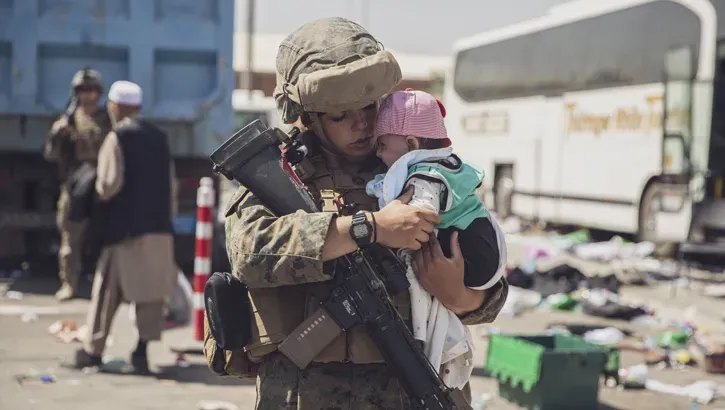
During the two-decade engagement in Afghanistan, the contributions and sacrifices of Afghan allies have often been overlooked. Local interpreters, security personnel, and residents risked their lives to support coalition forces, providing critical intelligence and assistance in navigating complex cultural landscapes. Their dedication has been instrumental in facilitating successful operations and establishing relationships with Afghan communities. The sacrifices made by these individuals are a significant aspect of the broader narrative of military service in Afghanistan.
As coalition forces transitioned out of Afghanistan, many Afghan allies faced dire consequences for their support of foreign troops. Those who assisted NATO forces often became targets for retribution from the Taliban, highlighting the moral responsibility to protect and resettle these individuals. Organizations are working tirelessly to ensure that Afghan allies receive the recognition and support they deserve, striving to facilitate their resettlement in safer territories. Honoring their sacrifices is critical in acknowledging the human impact of international military operations.
Navigating Post-Deployment Challenges for Veterans
Returning home from military service in Afghanistan presents numerous challenges for veterans, including mental health issues, reintegration difficulties, and navigating the bureaucracy of veteran affairs. Many veterans experience post-traumatic stress disorder (PTSD) due to the traumatic experiences encountered during deployment, complicating their return to civilian life. Addressing these mental health challenges requires a concerted effort from families, communities, and healthcare providers to create a supportive environment.
Moreover, the transition to civilian life can be daunting, as veterans adjust to a drastically different pace and lifestyle. This transition is often marked by feelings of isolation or a lack of purpose after returning from a highly structured and intense military environment. Support organizations play a key role in assisting veterans with employment opportunities, education, and social integration. Encouraging community engagement and fostering connections can help veterans find their place in society and facilitate a healthier transition back to civilian life.
The Legacy of Conflict in Afghanistan
The legacy of conflict in Afghanistan extends beyond military strategies and international coalitions; it encompasses the profound effects on Afghan society and culture. The prolonged conflict has resulted in significant loss of life, displacement of populations, and disruption of everyday life for millions of Afghans. As the country strives to recover from decades of violence, the need for healing and rebuilding remains ever-present. Understanding the historical context and impact of foreign interventions is critical in fostering a path toward peace.
Furthermore, as the world reflects on the end of combat operations, discussions must center on the future of Afghanistan and the resilience of its people. Rebuilding infrastructure, supporting education, and promoting social cohesion are essential steps in recovering from years of turmoil. The international community’s commitment to aid and support will be pivotal in this transition, underscoring the importance of collaboration in addressing the complex challenges that lie ahead for Afghanistan.
Preparing for Future Military Engagements
The experiences gained from military service in Afghanistan serve as vital lessons for future engagements. As global security threats evolve, it is imperative that military strategies and policies adapt accordingly. Understanding the dynamics of irregular warfare, counterinsurgency operations, and the importance of cultural competency will enhance military readiness in future conflicts. The complexities faced in Afghanistan underscore the need for all military personnel to be equipped with comprehensive training and resources.
Moreover, collaboration with international partners remains essential to addressing global threats effectively. The Afghan conflict demonstrated the importance of building coalitions that leverage diverse capabilities and resources to achieve collective objectives. Future military engagements will benefit from continued emphasis on joint operations, ensuring that forces can work seamlessly across borders and organizational structures. Preparing for these challenges involves not only strategic planning but also a commitment to learning from past experiences to inform future military doctrine.
Frequently Asked Questions
What role did NATO’s Article 5 play in military service in Afghanistan?
NATO’s Article 5 was invoked in response to the September 11 attacks, marking a historic moment in military service in Afghanistan. This mutual defense clause enabled an international military coalition, including the US and numerous allied nations, to engage in Operation Enduring Freedom, aimed at dismantling the Taliban regime and combating al-Qaeda.
What was Operation Enduring Freedom and its significance for Afghanistan veterans?
Operation Enduring Freedom was the official name for the US-led military operation in Afghanistan that commenced in October 2001. For Afghanistan veterans, this operation represented a commitment to global security, as they selflessly risked their lives to combat terrorism and assist in stabilizing Afghanistan, facing immense dangers such as improvised explosive devices (IEDs) and armed conflicts.
How did improvised explosive devices (IEDs) impact military service in Afghanistan?
Improvised explosive devices (IEDs) posed one of the greatest threats during military service in Afghanistan, claiming countless lives and inflicting severe injuries. The presence of IEDs forced troops to constantly remain vigilant during patrols, significantly impacting strategies and operations while amplifying the psychological strain on soldiers serving in the conflict.
What challenges did soldiers face while stationed at Forward Operating Bases (FOBs) in Afghanistan?
Soldiers stationed at Forward Operating Bases (FOBs) in Afghanistan faced numerous challenges, including the threat of rocket attacks, ambushes, and the potential of encountering IEDs during missions. Life in these bases was marked by high-stress environments, limited resources, and the constant need for vigilance, making it a critical aspect of military service in Afghanistan.
What were the primary objectives of the international military coalition in Afghanistan?
The primary objectives of the international military coalition in Afghanistan included dismantling al-Qaeda, overthrowing the Taliban regime, and fostering stability in the region. These efforts were aimed at preventing future terrorist attacks while providing support for the Afghan government and military as they worked towards self-sufficiency.
How did the perception of military service in Afghanistan change over the course of the 20-year conflict?
Initially viewed with urgency post-9/11, the perception of military service in Afghanistan shifted as attention moved to Iraq around 2003, leading some to refer to Afghanistan as ‘Op Forgotten.’ However, following the resurgence of Taliban activities in 2006 and the challenges faced by troops, the importance and seriousness of the mission gained renewed recognition.
What sacrifices did Afghanistan veterans make during their service?
Afghanistan veterans made profound sacrifices during their service, including risking their lives in combat and facing life-altering injuries from IEDs. Many veterans also cope with the psychological toll of war, having witnessed harrowing events and lost comrades, all while striving to fulfill their mission of promoting stability and security in Afghanistan.
What role did international allies play in military operations in Afghanistan?
International allies, including countries such as the UK, Canada, and Australia, played vital roles in military operations in Afghanistan. They collaborated within the framework of NATO to provide support, share intelligence, and engage in combat operations, significantly contributing to the overall effectiveness of the international military coalition.
| Key Points | Details |
|---|---|
| Deployment Experiences | Service members experienced various challenges including rocket attacks, IEDs, and long queues at canteens. |
| Response to 9/11 | The US invoked NATO’s Article 5 for the first time following the 9/11 attacks, leading to collective military action against terrorism. |
| Initial Military Operations | The Taliban were quickly driven from power, but the mission shifted to hunting down al-Qaeda members. |
| Shifting Focus and Challenges | After initial success, attention moved to Iraq, leaving Afghanistan vulnerable, where after 2006 violence surged in Helmand. |
| International Coalition | Soldiers from multiple nations including the UK, Canada, Denmark, and Estonia faced fierce combat in Afghanistan. |
| Fear of IEDs | IEDs were a significant threat, causing fear among soldiers regarding imminent danger during patrols. |
| Courage and Resilience | Despite the horrors, many service members showed resilience and bravery, exemplifying the strength of the human spirit amidst adversity. |
Summary
Military service in Afghanistan represents a significant chapter in modern warfare, marked by international collaboration and enduring sacrifice. Over the span of two decades, troops from various nations risked their lives to combat terrorism following the devastating 9/11 attacks. As service members faced relentless threats from IEDs and hostile combat conditions, their profound dedication highlighted the shared commitment to global security and stability. The human stories of courage and resilience, framed by the harsh realities of war, create a narrative that goes beyond politics, illustrating the indomitable spirit of those who served in Afghanistan.