Listen to this article
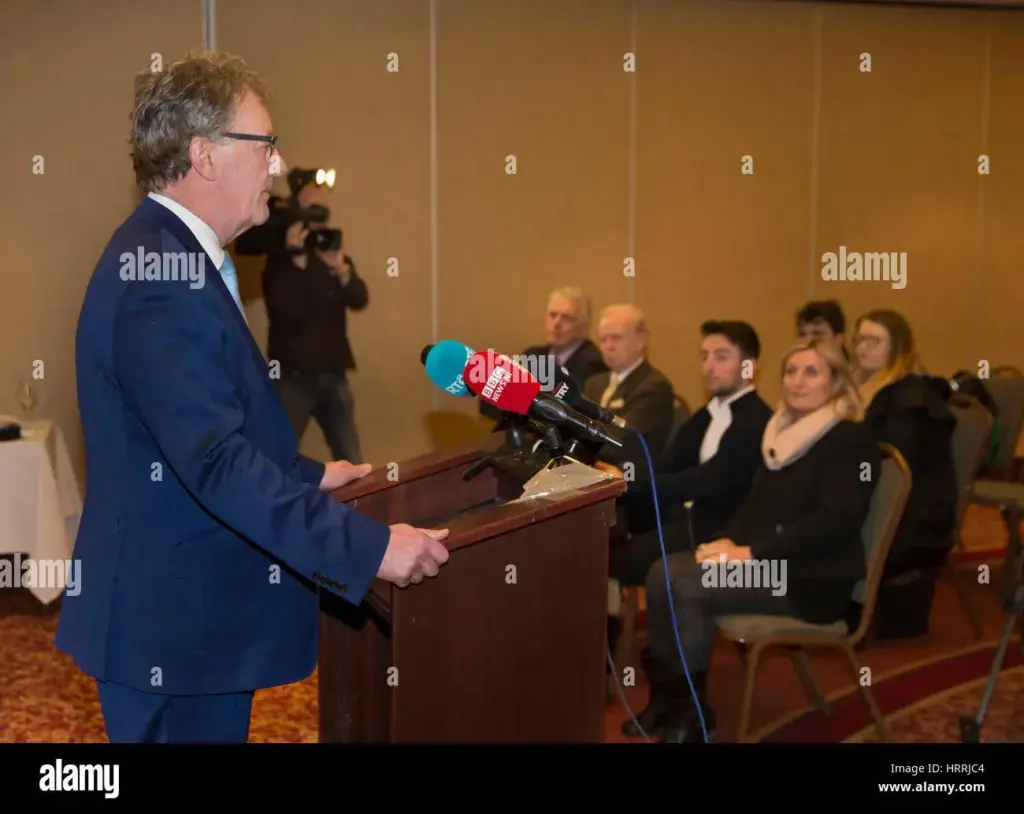
In a significant turn of events, Mike Nesbitt has announced his resignation as leader of the Ulster Unionist Party (UUP), marking a pivotal moment in Northern Irish politics. His decision comes as a strategic move to allow his successor adequate time to prepare for the next assembly election, highlighting his commitment to a smooth leadership transition. During a recent interview with BBC News NI, Nesbitt expressed his intent behind the timing, noting that managing the dual roles of health minister and party leader had become increasingly challenging. As discussions around potential successors stir within the party, many are keenly analyzing the implications for the UUP’s electoral strategy moving forward. Nesbitt’s legacy and choice of successor will undoubtedly play a crucial role in determining the future landscape of unionism in Northern Ireland.
In a notable shift within the Ulster Unionist Party, Mike Nesbitt’s resignation as party leader has set the stage for new leadership dynamics. This change prompts discussions about the future of unionism in Northern Ireland and raises questions about the effectiveness of current electoral strategies. As the party lays the groundwork for selecting Nesbitt’s successor, potential candidates are already becoming household names within political circles. The leadership transition serves as an opportunity for reflection and rejuvenation in a party that has faced significant challenges in recent years. Observers are keenly tracking how this pivotal moment might influence the broader landscape of Northern Irish politics.
Mike Nesbitt’s Resignation from UUP Leader: A Strategic Move
The announcement of Mike Nesbitt stepping down as the leader of the Ulster Unionist Party (UUP) has sent ripples through Northern Irish politics. His decision, communicated to party officials and assembly members, is framed as a strategic maneuver to allow his successor ample time to prepare for upcoming electoral challenges. By resigning now, Nesbitt ensures that the UUP leadership transition can be smooth while enabling the party to align its strategies ahead of the important May 2027 elections. This foresight is critical, especially for a party that seeks to revitalize its presence in a competitive political landscape.
During his tenure, Nesbitt played a pivotal role in steering the UUP through complex political waters. He returned to the leadership with an intriguing vision: a focus on confident, responsible unionism. This philosophy resonates well with traditional UUP values, particularly as the party seeks to regain its footing amidst a shifting Northern Irish political environment. His resignation, therefore, marks not only an ending but also the potential for a new beginning—one where a successor can build on his legacy and work towards a refreshed UUP electoral strategy.
Frequently Asked Questions
What led to Mike Nesbitt’s resignation as leader of the Ulster Unionist Party (UUP)?
Mike Nesbitt announced his resignation from the Ulster Unionist Party leadership to allow his successor sufficient time to prepare for the next assembly election. He stated that managing the responsibilities of health minister and party leader was too challenging, emphasizing his prior intent for a short-term leadership return.
Who is expected to succeed Mike Nesbitt after his resignation from the UUP leadership?
The UUP is currently speculating potential successors to Mike Nesbitt, with Robbie Butler, the deputy leader, and Jon Burrows being the prominent candidates. Butler represents a liberal approach, while Burrows is known for his more controversial stance.
How will Mike Nesbitt’s resignation impact UUP’s electoral strategy for future elections?
Mike Nesbitt’s resignation comes at a critical time as the Ulster Unionist Party prepares for vital elections. His successor’s leadership will shape the UUP electoral strategy leading into the May 2027 elections, promoting a brand of confident unionism.
What are the key outcomes anticipated from Mike Nesbitt stepping down as UUP leader?
The key outcomes expected from Mike Nesbitt’s resignation include the initiation of a leadership selection process aimed at a smooth transition and the establishment of a new strategy for the UUP’s future direction and electoral success.
What statement did Mike Nesbitt make regarding his future in politics after resigning from the UUP leadership?
In his resignation announcement, Mike Nesbitt expressed a commitment to retiring from full-time politics by May 2032, stating he wouldn’t feel comfortable seeking votes with intentions to retire during the mandate.
What was Mike Nesbitt’s previous experience before his second term as UUP leader?
Before resuming the UUP leadership in August 2024, Mike Nesbitt initially led the party from 2012 until his resignation in 2017 due to disappointing election results. His return aimed to prepare the party for upcoming electoral challenges.
Why did Mike Nesbitt emphasize the timing of his resignation as UUP leader?
Mike Nesbitt highlighted the timing of his resignation to ensure that his successor has ample time for acclimatization and to lead the Ulster Unionist Party effectively into the upcoming May 2027 elections.
How have party members reacted to Mike Nesbitt’s decision to resign from the UUP leadership?
Party members have reflected positively on Mike Nesbitt’s leadership, with tributes from potential successors Robbie Butler and Jon Burrows praising his service and vision for modern unionism within Northern Irish politics.
What challenges did Mike Nesbitt face during his time balancing the UUP leadership and his role as health minister?
During his leadership, Mike Nesbitt found it increasingly challenging to juggle the demands of being both the leader of the Ulster Unionist Party and the health minister, indicating that the dual roles were potentially overwhelming.
What is the historical context of leadership changes in the Ulster Unionist Party (UUP) related to Mike Nesbitt’s resignation?
Mike Nesbitt’s resignation marks a significant moment for the UUP as it could lead to its first leadership contest since 2012. His two non-consecutive tenures reflect ongoing changes in the party’s direction amid fluctuating electoral success.
| Key Point | Details |
|---|---|
| Resignation Announcement | Mike Nesbitt announced his resignation as leader of the UUP to assure his successor ample time for preparation. |
| Reason for Resignation | Nesbitt indicated that his role as health minister and party leader simultaneously was overwhelming. |
| Future Leadership | The UUP will soon initiate a leadership selection process; potential successors include Robbie Butler and Jon Burrows. |
| Historical Context | Nesbitt had previously resigned in 2017 following disappointing election results and returned for a short-term leadership role. |
| Next Steps | Nesbitt hopes to remain health minister until his successor is determined. |
Summary
Mike Nesbitt UUP resignation marks a significant shift for the Ulster Unionist Party as he steps down from leadership to focus on ensuring a smooth transition for a new leader. This decision underscores his commitment to the UUP’s future stability and preparation for upcoming elections, highlighting the need for effective governance within the party. As discussions of potential successors begin, the party stands at a pivotal moment to redefine its direction, making Nesbitt’s departure a crucial step toward revitalizing unionism in Northern Ireland.