Listen to this article
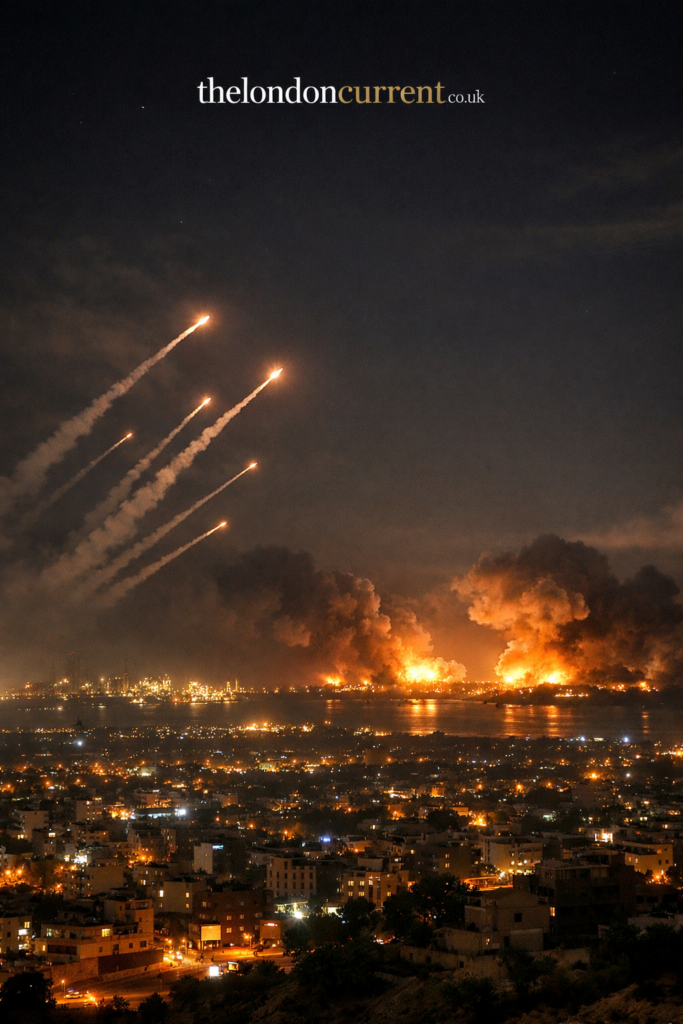
Middle East news today reveals a fascinating tapestry of political shifts, economic revitalization, and social movements that are currently shaping the region. As nations navigate complex relationships and alliances, particularly between long-standing rivals like Saudi Arabia and Iran, understanding these dynamics becomes increasingly vital. The ongoing post-pandemic recovery is also notable, with countries focusing on economic diversification and innovative technological advancements. Emerging trends highlight the importance of youth activism and women’s rights, reflecting a societal transformation that demands better governance and accountability. As the world watches these developments unfold, it becomes essential to stay informed about the latest headlines in Middle East politics, economics, and social trends.
Current affairs in the Middle East encompass a broad spectrum of topics, reflecting the region’s intricate political landscape, evolving economic strategies, and burgeoning social movements. The ongoing rivalry between key players in the area, such as Saudi Arabia and Iran, suggests a pivotal moment that could redefine regional alliances. Economically, many Middle Eastern countries are turning toward diversification efforts to reduce their dependence on oil, actively seeking innovation and investment in sectors like technology and renewable energy. Socially, there is a noticeable surge in activism among younger generations, particularly advocating for human rights and gender equality. Understanding these topical narratives is crucial for grasping the larger picture of Middle East developments as they resonate across the globe.
Understanding the Current Political Landscape in the Middle East
The political landscape in the Middle East is marked by an ever-changing tapestry of alliances and conflicts, influenced by both regional dynamics and external factors. Key players such as Saudi Arabia and Iran have begun to revisit their historical rivalry amid shifting foreign policy strategies from global powers like the United States. Understanding these developments is crucial, as they typify a broader trend of realignment in Middle Eastern politics, characterized by a search for stability in an unpredictable environment.
Moreover, the ongoing impact of the Abraham Accords continues to be significant. Countries like the UAE and Bahrain are experiencing enhanced diplomatic and economic ties with Israel, leading to increased trade and cultural exchanges. This new reality illustrates how diplomatic relations can rapidly evolve, reflecting a shifting paradigm in which former adversaries recognize mutual benefits in cooperation. Keeping track of these shifts is essential for stakeholders looking to understand the region’s political future.
Economic Trends: Post-Pandemic Recovery and Diversification
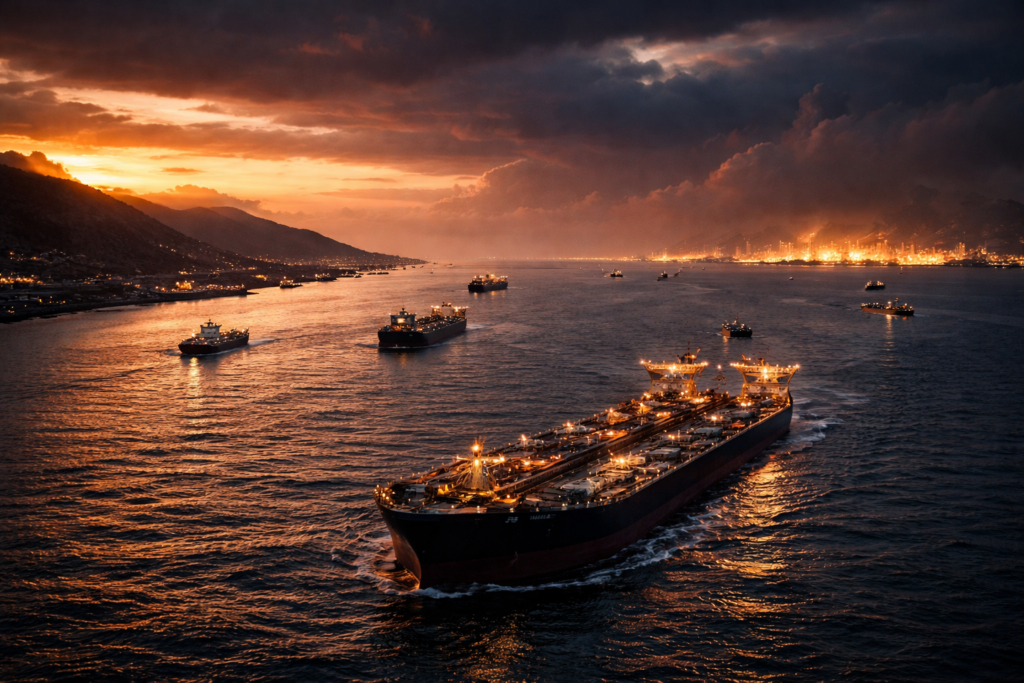
The Middle East’s economy is on a recovery path, particularly following the disruptive impacts of the COVID-19 pandemic. Many countries are eagerly pursuing diversification efforts to reduce their historical dependence on oil revenues. Nations like Saudi Arabia are spearheading this effort with ambitious initiatives like Vision 2030, aimed at fostering sustainable economic growth through investment in sectors such as technology and tourism.
This economic transformation is visible across the Gulf Cooperation Council (GCC) where international firms are flocking to invest in emerging opportunities. Renewable energy has emerged as a critical area for growth, with the UAE leading by example through substantial solar energy initiatives. Such investments not only boost local economies but also align with global sustainability goals, demonstrating the region’s adaptability and forward-thinking approach.
The Rise of Social Movements in Middle Eastern Societies
Across the Middle East, social movements are asserting themselves as powerful catalysts for change, particularly among the youth and female demographics. The recent protests demonstrate a growing discontent with existing governance models, as citizens increasingly demand accountability and human rights. This wave of activism is reshaping societal expectations and is fueled by a burgeoning sense of empowerment among younger populations who seek democratic reforms.
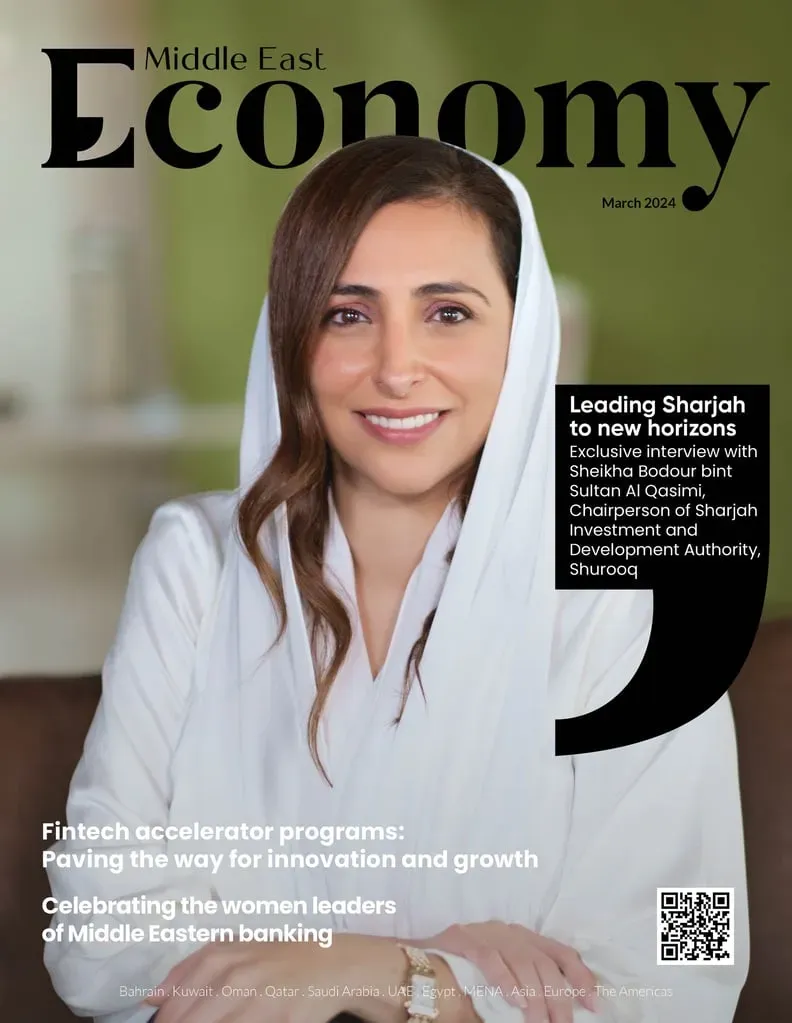
More notably, the rights of women have become a focal point within these social movements. Countries are beginning to recognize the importance of gender equality, with reforms such as allowing women to drive in Saudi Arabia serving as symbols of progress. Despite uneven progress throughout the region, the growing advocacy for women’s rights highlights a significant shift in societal norms and values, which could lead to broader reforms in the future.
Technological Innovation and the Digital Transformation in the Middle East
Technology is transforming the landscape of the Middle East, with cities like Dubai emerging as prominent tech hubs on the global stage. Investment in startups and innovation is surging, driven by a desire to harness advanced technologies such as artificial intelligence and blockchain. These developments not only enhance competitiveness but also play a pivotal role in economic diversification, encouraging a culture of entrepreneurship that is vital for sustainable growth.
The COVID-19 pandemic has further accelerated the digital transformation across various sectors, particularly in healthcare and education. The rise of telemedicine exemplifies this shift, as it provides accessible healthcare solutions to populations that previously lacked such services. Countries are increasingly focused on bolstering their digital infrastructure to support these innovations, reflecting a recognition that technological advancement is integral to future development and resilience in the region.
Keeping Informed: The Importance of Monitoring Middle East News Today
In the context of today’s rapidly changing global landscape, staying informed about Middle East news is more crucial than ever. The region’s political, economic, and social trends possess ramifications that extend beyond its borders, influencing global geopolitics and economics. Regularly monitoring developments allows investors and policymakers to better navigate risks and identify opportunities within this complex environment.
Furthermore, reliable news sources that provide nuanced analysis of ongoing events are essential for understanding the deeper implications of regional changes. As the Middle East continues to evolve, keeping a keen eye on the emerging trends and developments will not only aid in forecasting potential international shifts but also contribute to making informed decisions in various sectors.
Frequently Asked Questions
What are the latest Middle East news today regarding political shifts?
Today’s Middle East news highlights significant political shifts, particularly between Saudi Arabia and Iran, as they move towards normalizing relations. The regional dynamics are evolving with the ongoing impact of the Abraham Accords, as several nations engage in increased trade and diplomacy with Israel, fostering a new geopolitical landscape.
How is the Middle East economy recovering post-COVID-19?
In recent Middle East news today, the economy is witnessing a post-pandemic recovery, with countries like Saudi Arabia focusing on diversifying their economies away from oil through initiatives such as Vision 2030. Investment in sectors like renewable energy and technology is driving economic transformation and creating sustainable growth opportunities.
What social movements are emerging in the Middle East today?
Middle East news today reports a rise in social movements, particularly among youth and women, advocating for governance, accountability, and human rights. Recent protests across various Arab states emphasize the demand for democratic reforms and greater inclusion in societal roles, reflecting a shift towards activism and progressiveness.
How are technology and innovation shaping the Middle East today?
Today’s Middle East news highlights the rapid evolution of technology and innovation, with cities like Dubai emerging as global tech hubs. The surge in investments in artificial intelligence and blockchain technology, alongside the accelerated digital transformation resulting from COVID-19, underscores the region’s commitment to a future driven by innovation.
What are the key trends in Middle East news impacting global geopolitics?
Middle East news today reveals several key trends influencing global geopolitics, including the thaw in relations between Saudi Arabia and Iran, the effects of the Abraham Accords, and the region’s economic diversification efforts. These developments are pivotal as they reshape alliances and influence international strategies concerning security and trade.
| Topic | Key Points |
|---|---|
| Political Landscape | Evolving alliances, Saudi-Iran normalization, Abraham Accords fostering trade, ongoing Palestinian conflict discussions. |
| Economic Trends | Post-pandemic recovery focusing on economic diversification, UAE’s renewable energy projects, Egypt’s manufacturing appeal. |
| Social Movements | Youth and women demanding better governance and rights, gradual reform in women’s rights particularly in Saudi Arabia. |
| Emerging Technologies | Investment in innovation, Dubai as a tech hub, digital transformation accelerated by COVID-19, growth in telemedicine. |
Summary
Middle East news today reveals significant developments that are reshaping the political, economic, and social landscape of the region. The ongoing shifts in alliances, particularly between Saudi Arabia and Iran, align with broader trends of reconciliation that impact global geopolitics. Concurrently, the region’s economic recovery post-pandemic is driving a shift away from oil dependency, showcasing ambitious diversification initiatives like Saudi Arabia’s Vision 2030 and significant investments in sectors like technology and renewable energy. Social movements gain momentum, underscoring a demand for governance reforms and women’s rights, while emerging technologies are setting the stage for innovative growth, particularly in urban tech hubs. As these trends unfold, they offer both challenges and opportunities for both the Middle East and the international community, making it crucial to stay updated with reliable sources.