Listen to this article
Middle East News Today offers a crucial lens into the rapidly evolving dynamics of a region that has consistently piqued global interest. With its rich tapestry of political narratives, economic fluctuations, and cultural transformations, this area remains at the forefront of international discourse. From deep dives into Middle East politics to insightful analyses of the region’s economic recovery post-pandemic, today’s news highlights pivotal events and shifting alliances. Moreover, as Middle East conflict analysis grows increasingly relevant, understanding recent peace agreements provides a pathway to comprehending the complexities of these negotiations. By staying updated with Middle East News Today, readers can gain a clearer understanding of the ongoing changes that influence global affairs.
Today’s coverage of events in the Middle East sheds light on a region marked by intricate political shifts and revitalizing economic efforts. As we navigate the landscape of Middle Eastern affairs, we encounter discussions around governance fluctuations, socio-economic development, and cultural evolution that shape daily life. The ongoing dialogue regarding regional stability and emerging peace initiatives underpins the quest for harmony in a historically tumultuous area. Understanding the socioeconomic ramifications and cultural adjustments within this vibrant setting is vital for anyone looking to grasp the broader implications of current events. In this ever-shifting environment, keeping abreast of the latest developments is essential for an informed global audience.
Insights into Middle East Politics: An Evolving Landscape
The political landscape of the Middle East is marked by a confluence of stability and upheaval. Countries like the UAE have emerged as central players, rallying diplomatic ties and establishing partnerships within the global financial community. Conversely, nations such as Lebanon and Syria face daunting crises stemming from prolonged civil unrest and economic distress. This dichotomy underscores the complex nature of Middle Eastern politics, where some states pivot towards modernization, while others grapple with the remnants of conflict and instability.
Recent developments, particularly the Abraham Accords, represent a significant shift in diplomatic relations, as multiple Arab states have normalized ties with Israel. Although these agreements promise economic collaboration and peace, they also challenge the longstanding narrative concerning Palestinian rights, sparking debates and conflicts within the region. The delicate balance of fostering stability amidst dissent continues to frame the Middle Eastern political discourse.
In Iraq, the aftermath of recent election cycles reveals much about the resilience of its political system. After months of civil protests highlighting governmental corruption and economic failures, the political establishment now faces increased pressure to form a government that aligns with the public’s demands for transparency and accountability. Iraq’s navigation of this political quagmire is critical, as effective governance will determine the country’s capacity for recovery and future stability. International partnerships and investments remain vital for Iraq’s journey towards reconstruction, particularly in sectors needing urgent development.
Middle East Economy: Recovery from Pandemic Impact
As the Middle East embarks on its post-COVID-19 recovery journey, the region’s economic dynamics are shifting remarkably. Nations like Saudi Arabia are at the forefront, spearheading initiatives that aim to diversify their economies beyond oil dependence. The Vision 2030 plan, for instance, seeks to harness investments in technology, tourism, and entertainment to stimulate growth. This comprehensive approach not only aims to foster economic resilience but also to create a sustainable framework for future generations.
However, the transition is fraught with challenges. The fluctuating oil market continues to play a pivotal role in shaping economic outcomes, as geopolitical tensions influence production rates and global oil prices. The decisions made by OPEC+, along with the commitment to stabilize oil prices, underscore the interwoven nature of the region’s economy with global energy markets. As countries strive to diversify, their economic fates remain intricately linked to the oil sector’s performance.
Moreover, the tourism industry is witnessing a resurgence as regions adapt to post-pandemic realities. Countries such as the UAE and Egypt are investing in new travel protocols and safety measures to entice international visitors. Innovative travel packages and promotions have been strategically developed to revitalize tourism, a key economic sector, vital for regional prosperity. Upcoming events, like the 2022 FIFA World Cup in Qatar, also promise to shine a spotlight on the region, showcasing its cultural richness while attracting tourists eager to engage with diverse experiences.
Cultural Changes in the Middle East: Modernization and Tradition
The Middle East is experiencing a period of profound cultural transformation, driven largely by globalization and technological advancements. Social media platforms have become instrumental in providing a voice to younger generations, enabling them to express their views and advocate for change. This cultural shift is particularly prominent among youth demographics, who utilize these platforms to foster discussions surrounding social justice, political reform, and identity. The rise of digital communication has empowered a new wave of activism, encouraging broader societal engagement and mobilization across the region.
While traditional values continue to hold significance, the integration of modern ideas is reshaping societal norms. The cultural landscape now includes a blend of long-standing practices and emerging new values, showcasing the complex identity of Middle Eastern societies. This dynamic interplay underscores the importance of understanding these cultural changes as reflections of both local traditions and international influences.
Furthermore, women’s empowerment is gaining traction in many parts of the region, reflecting a critical evolution towards gender equality. Movements advocating for women’s rights have led to legislative changes promoting greater representation in political and economic arenas. For instance, Saudi Arabia’s decision to allow women to drive and participate in various sectors illustrates a shift towards greater inclusivity. This momentum is supported by local NGOs and international organizations, all striving to create environments where women’s rights are respected and advanced. The cultural recalibration towards gender equality signals a broader transformation within the Middle East, emphasizing the role of women as change agents in society.
Conflict Analysis in the Middle East: Key Factors and Trends
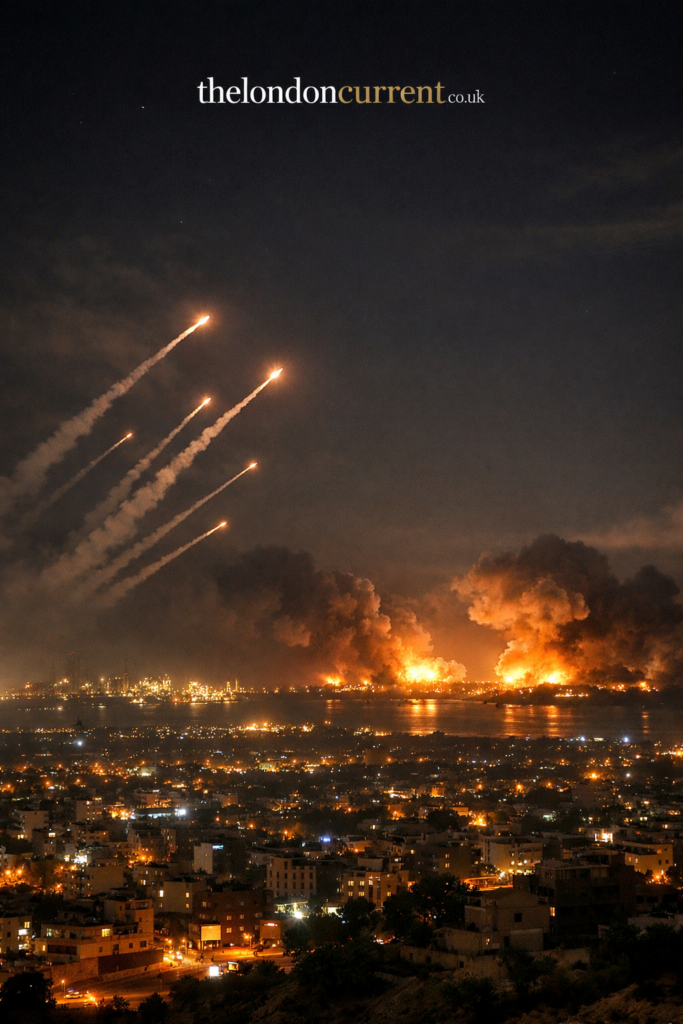
The ongoing conflicts in the Middle East reveal a tapestry woven with historical grievances, geopolitical ambitions, and cultural complexities. Analysis of these conflicts often highlights the impact of foreign intervention, sectarian divisions, and resource distribution as critical factors influencing violence and instability. The case of Syria exemplifies how internal strife, fueled by external influences, results in prolonged humanitarian crises and geopolitical tensions. Understanding the root causes of these conflicts is essential for identifying potential pathways to resolution, as is recognizing the interests of various stakeholders involved.
Countries like Iran have strategically positioned themselves within these conflicts through the use of proxy groups in Iraq, Syria, and Lebanon. Monitoring Iran’s activities and ambitions becomes crucial, as its pursuit of regional influence often exacerbates existing tensions. Consequently, peace agreements, such as those emerging from U.S.-brokered negotiations, play a pivotal role in reshaping the conflict dynamics, although their implementation and local acceptance remain subjects of ongoing debate.
The quest for peace in the Middle East is arduous and multifaceted, frequently obstructed by historical enmities and contemporary rivalries. Efforts like the Abraham Accords have sparked a renewed interest in dialogue, yet challenges persist as the legitimacy of such agreements is questioned amid threats to Palestinian rights. The fragile equilibrium between establishing peace and addressing underlying injustices remains a central theme in conflict analysis within the region. Observers assert that tangible progress will necessitate an inclusive approach that honors the interests and aspirations of all parties involved.
Middle East Peace Agreements: Prospects and Challenges
The pursuit of peace in the Middle East has led to several agreements garnering international attention, with the Abraham Accords serving as a notable recent development. These agreements have shifted the landscape of regional diplomacy, establishing diplomatic relations between Israel and several Arab states. While hailed as a milestone towards normalization, the accords also come with significant challenges, particularly concerning the unresolved Palestinian issue. Critics argue that these agreements could undermine the longstanding quest for a two-state solution, raising questions about their sustainability and broader implications for regional stability.
In examining these peace agreements, it is crucial to consider the reactions they elicit from various stakeholders, including Palestinian leadership, regional actors, and local populations. The potential for renewed conflicts or diplomatic fallout hinges on the ability of these agreements to address deep-seated grievances and foster genuine dialogue among the parties involved.
Despite the challenges, there remains a glimmer of hope as new diplomatic channels are forged. Historical precedents remind observers that durable peace requires not only agreements but also a shift in public sentiment and political will among local leaders. The continued involvement of global powers, alongside grassroots movements advocating for peace, may pave the way for constructive engagement and equitable solutions in the prolonged Middle Eastern conflict dynamic. The future of peace in the region relies on the ability to navigate complexities while fostering a culture of cooperation and mutual understanding.
Frequently Asked Questions
What are the latest developments in Middle East politics today?
Middle East politics today is characterized by a mix of stability and upheaval. Notable recent developments include the Abraham Accords that have established diplomatic ties between Israel and several Arab nations, creating new avenues for cooperation while also facing criticism regarding Palestinian rights. Political shifts in countries like Iraq and ongoing tensions related to Iran’s nuclear negotiations further complicate the political landscape.
How is the Middle East economy recovering post-COVID-19?
The Middle East economy is gradually recovering post-COVID-19, with countries like Saudi Arabia spearheading initiatives under Vision 2030 to diversify their economies away from oil dependence. Key sectors such as technology, tourism, and entertainment are showing growth, while oil remains crucial amidst fluctuations in global prices. This recovery is essential for political and economic stability in the region.
What cultural changes are occurring in the Middle East today?
Today, the Middle East is experiencing significant cultural changes driven by globalization and digital connectivity. Social media is empowering youth activism and enabling movements for women’s rights, reflected in legislative changes across several nations. As a result, societal norms are shifting towards greater inclusivity and empowerment, transforming the cultural fabric of the region.
How do Middle East conflict analysis reports reflect geopolitical dynamics today?
Middle East conflict analysis today reflects complex geopolitical dynamics involving ongoing tensions in Syria, Iraq, and relations with Iran. These reports highlight the interplay of local conflicts and broader international interests, showcasing how diplomacy efforts like the Abraham Accords aim to reshape regional alliances amidst persistent unrest and the need for peace agreements.
What role do peace agreements play in shaping Middle East politics today?
Peace agreements such as the Abraham Accords are pivotal in shaping Middle East politics today. These agreements foster new diplomatic avenues and partnerships but also elicit backlash from nations critical of their implications for Palestinian rights. The balance between establishing peace and addressing dissent is crucial for political stability and further engagement in the region.
| Key Points | Details |
|---|---|
| Political Landscape | Diverse political scenery with stable nations like UAE and crisis-hit nations like Lebanon and Syria. |
| Latest Developments | Abraham Accords promoting cooperation but facing backlash from some nations. |
| Iran’s Role | Nuclear negotiations affecting regional stability and Iran’s power projection monitored globally. |
| Economic Recovery | Countries like Saudi Arabia are diversifying their economies post-pandemic. |
| Tourism Resurgence | UAE and Egypt adapting to post-COVID travel market, 2022 FIFA World Cup in Qatar expected to boost tourism. |
| Societal Changes | Cultural transformations driven by globalization, women’s empowerment and youth activism are on the rise. |
Summary
Middle East News Today highlights the region’s complex narrative as it navigates through political instability, economic recovery, and significant cultural transformations. While nations strive for stability amid crises, the spirit of resilience among the populace is evident. The ongoing developments, from the impact of international agreements to local movements for change, shape the future of the Middle East. Understanding these dynamics is crucial for anyone interested in the region’s potential and challenges. The interplay of local and international forces will continue to define the Middle East’s trajectory in the years to come.