Listen to this article
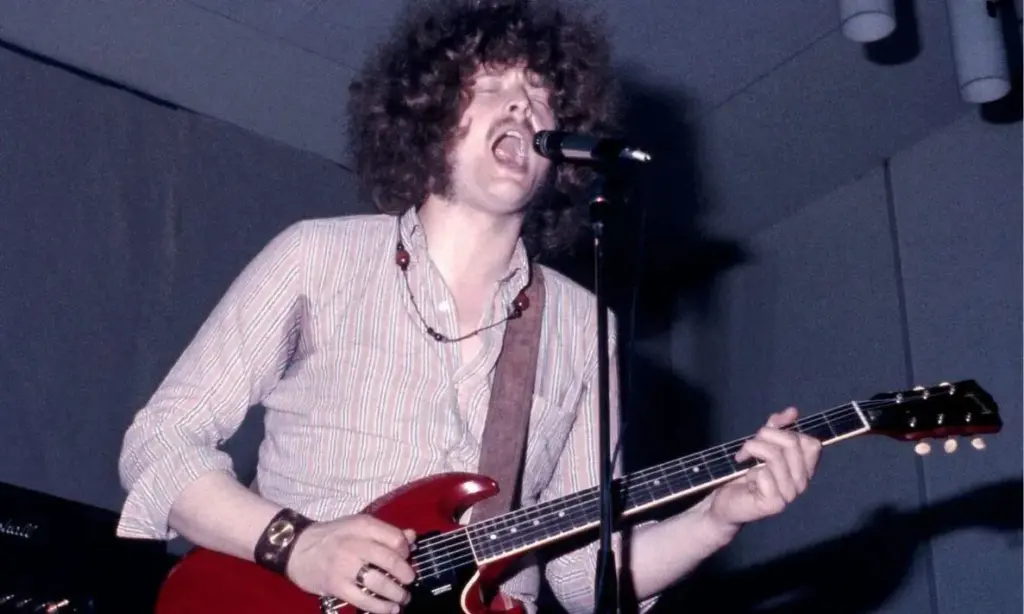
Mick Abrahams, the legendary rock guitarist and founding member of the iconic band Jethro Tull, has sadly passed away at the age of 82. His talent and contributions to rock music were not only pivotal during his time with Jethro Tull but also during his tenure with Blodwyn Pig, showcasing his exceptional skills as a strong vocalist and guitarist. Lead singer Ian Anderson expressed profound sorrow over Abrahams’ passing, acknowledging his importance to the band’s early sound and his influence within the rock genre. Known for his vibrant guitar work, Abrahams played a crucial role in defining Jethro Tull’s debut album, “This Was.” His legacy continues to inspire musicians and fans alike, as we reflect on the life and career of this remarkable artist, whose story deserves to be remembered, notably through a heartfelt Mick Abrahams obituary that honors his musical journey.
The music world mourns the loss of a significant figure today, as Mick Abrahams, a crucial player in the evolution of rock music, has departed. With a career that spanned several decades, Abrahams was instrumental not just in shaping the sounds of Jethro Tull but also in setting a foundation for future rock musicians. Before his breakthrough with Jethro Tull, he made waves with his band, Blodwyn Pig, which further cemented his status as a talented guitar virtuoso. His contributions to the genre were deeply felt, and his performances left an indelible mark on audiences. As we commemorate his life, we acknowledge the profound impact he had on the music scene and the countless artists he inspired along the way.
Remembering Mick Abrahams: Jethro Tull’s Rock Guitarist
Mick Abrahams, the blood and soul of Jethro Tull’s early sound, has left an indelible mark on the rock music scene. Born and raised in Luton, Mick’s early fascination with music led him to form numerous bands, ultimately culminating in the creation of Jethro Tull. As a founding member and a remarkable rock guitarist, his contributions helped shape the band’s unique style, blending blues with folk and rock influences. His vibrant guitar playing on Jethro Tull’s debut album, ‘This Was,’ established his prowess in the industry and paved the way for the band’s future successes.
Beyond Jethro Tull, Mick’s musicianship continued to shine with the formation of Blodwyn Pig, another significant chapter in his illustrious career. As a versatile musician, Mick not only played guitar but lent his voice to the band’s compelling tracks, emphasizing his role as a strong vocalist. His enduring legacy and the tributes from fellow musicians underline his importance not just as a guitarist, but also as an artist who influenced generations, earning him a revered place in rock history.
The Legacy of Mick Abrahams in Rock Music
Mick Abrahams’ influence extends well beyond his tenure with Jethro Tull and Blodwyn Pig. As a guitarist who innovatively fused various musical genres, he played a crucial role in the British blues-rock movement of the late 1960s and early 1970s. His distinct playing style, characterized by powerful riffs and lyrical improvisations, has left a lasting impression on aspiring musicians. Mick’s contributions to the realms of blues and rock continue to inspire new generations of guitarists who look up to his groundbreaking techniques and emotive playing.
Despite his remarkable achievements, Mick preferred a more modest lifestyle, often expressing his contentment with performing locally rather than seeking international fame. Ian Anderson’s heartfelt tribute to Mick highlighted not only his musical contributions but also his down-to-earth personality. The pride Mick’s family and friends had in his accomplishments is a testament to his character as much as it is to his musical genius. As we remember Mick Abrahams, we honor a rock guitarist whose spirit and artistry continue to resonate in today’s music.
Mick Abrahams: The Heart of Jethro Tull’s Early Years
Mick Abrahams’ time with Jethro Tull was pivotal in defining the band’s early years. Initially formed from the remnants of The John Evan Band and McGregor’s Engine, Jethro Tull relied heavily on Abrahams’ blues-infused guitar work and unique songwriting abilities. His work on their debut album, ‘This Was,’ showcased his diverse influences, drawing from blues legends while adding a unique twist that became synonymous with Tull’s sound.
Abrahams’ collaboration with Ian Anderson and Clive Bunker not only established a musical foundation for Jethro Tull but also set the stage for the band’s evolution into one of rock’s most celebrated acts. His early departure to create Blodwyn Pig was a significant moment, but his impact on the band remained undeniable. The way he shaped Jethro Tull’s early identity speaks volumes of his artistry, making his contributions critically significant to the legacy of rock music.
Tributes To Mick Abrahams: A Rock Icon
The passing of Mick Abrahams has elicited heartfelt tributes from fellow musicians and fans alike. Ian Anderson’s poignant words reflect not only the loss felt by Jethro Tull but also the broader music community that has been influenced by Mick’s work. Anderson described him as a ‘vital’ component of their initial success, highlighting his talents as both a guitarist and a vocalist. Such sentiments emphasize the profound impact Mick had on those who played alongside him and those who experienced his music.
Social media platforms and music forums are filled with memories and commemorations of Mick Abrahams, reminding us of his significant contributions to rock and blues music. Fans reminisce about his dynamic performances and the innovative soundscapes he created. As an integral part of Jethro Tull’s legacy, Abrahams will be remembered for his musical achievements and the inspiration he provided to countless artists in the industry.
The Influence of Jethro Tull and Mick Abrahams on Rock Music
Mick Abrahams’ contributions to Jethro Tull ushered in a new era of rock music that combined varied influences, from blues to folk. This eclectic sound distinguished the band during a time when traditional rock was becoming increasingly popular. Jethro Tull’s unique blend, thanks in large part to Abrahams’ rhythmic guitar style, captivated audiences and left a mark on the genre that continues to resonate. His role during the formative years of the band not only set a standard for rock music but also inspired other musicians to explore rich musical tapestries.
The significance of Jethro Tull’s innovative approach cannot be overstated, particularly as they gained traction in the competitive music scene of the late 1960s. Abrahams’ passion for both guitar and vocals attracted a diverse fan base that appreciated the band’s artistic integrity. His influence can be felt even today, as modern rock guitarists cite him as a primary inspiration. By melding various styles and prioritizing lyrical depth, Mick Abrahams helped pave the way for countless musicians who followed in his footsteps.
Celebrating Mick Abrahams’ Musical Heritage
Mick Abrahams’ musical legacy is a rich tapestry woven through the fabric of rock history. His work with Jethro Tull and later with Blodwyn Pig reflects a dedication to musical exploration that few can match. The stories of his early days in Luton, where he honed his skills playing in local bands, reveal a deep-rooted passion for music that cultivated his artistry. Fans and musicians alike celebrate the innovations that he brought to the scene, pushing boundaries and encouraging creative freedom.
Moreover, Abrahams’ influence extends beyond his personal achievements; it inspires a broader appreciation for rock music’s evolution. His collaboration with legendary figures in the industry, including Ian Anderson, is a reminder of the collaborative spirit that defines the genre. As we celebrate Mick Abrahams’ contributions, we also recognize the musical paths he paved for future generations. His artistry will continue to be channeled through those who admire and emulate his work.
Mick Abrahams: A Renaissance Rock Guitarist
Mick Abrahams exemplified the spirit of a renaissance musician in the rock genre. His ability to shift seamlessly between various styles—be it blues, rock, or folk—demonstrated his exceptional versatility as a guitarist. This adaptability not only made him a formidable performer but also a respected figure among his peers. His time with Jethro Tull showcased his unique flair for storytelling through music, coupling compelling guitar melodies with evocative lyrics.
As the key guitarist for Jethro Tull during their inception, Mick’s signature sound helped define the band’s character. Yet, his artistic journey did not culminate in one band; his work with Blodwyn Pig further enriched the rock landscape. By crossing genres and constantly evolving, Mick Abrahams proved himself as a multifaceted musician with a legacy that transcends his time. His commitment to artistic integrity resonates deeply in today’s musical ethos and continues to inspire a wide array of artists across different genres.
Mick Abrahams’ Musical Journey: From Jethro Tull to Blodwyn Pig
Mick Abrahams’ transition from Jethro Tull to forming Blodwyn Pig marked a significant shift in his musical journey. After his initial success with Jethro Tull, where he played an instrumental role in crafting the band’s hallmark sound, Mick sought to explore new creative avenues. By establishing Blodwyn Pig, he expanded his artistic expression, embracing a style that blended rock with intricate jazz elements. This evolution showcased his talents not just as a guitarist but also as a songwriter and bandleader.
Blodwyn Pig provided Mick the freedom to explore musical ideas that were often shaped by his experiences in the blues and rock scenes. The band achieved a notable following, with Mick’s leadership guiding them to create memorable tracks that highlighted his skillful guitar work and heartfelt lyrics. His journey from Jethro Tull to Blodwyn Pig is a testament to his adventurous spirit in the industry, illustrating his desire to challenge musical norms and continually push creative boundaries.
The Final Years of Mick Abrahams: A Reflection on His Impact
As Mick Abrahams faced the challenges of declining health in his later years, he remained an eternal figure in the hearts of fans and fellow musicians. Even in retirement, his influence and legacy continued to rise, as artists paid homage to the integral role he played in shaping rock music’s landscape. His dedication to authenticity and connection through music remains a guiding principle for aspiring musicians who look to him as an inspirational figure.
The sentiment expressed by Ian Anderson and others reflect the deep respect and admiration for Mick’s contributions. While he may have retired from performing due to health challenges, his impact is undeniable. Through his work with Jethro Tull and Blodwyn Pig, Mick Abrahams created a lasting musical legacy that will resonate for years to come, echoing in the eclectic sounds and styles of today’s rock guitarists.
Frequently Asked Questions
Who was Mick Abrahams and what was his role in Jethro Tull?
Mick Abrahams was a founding member of the iconic rock band Jethro Tull, recognized for his contributions as a powerful guitarist and vocalist. He played a significant role in shaping the band’s early sound, particularly on their debut album ‘This Was.’
What other bands was Mick Abrahams associated with?
In addition to Jethro Tull, Mick Abrahams was the leader of the band Blodwyn Pig, which he formed after leaving Tull. He also had a successful solo career until 2017.
When did Mick Abrahams pass away and how did Ian Anderson react?
Mick Abrahams passed away at the age of 82. Ian Anderson, the lead singer of Jethro Tull, expressed his grief on the band’s official website, highlighting Abrahams’ importance to the band and his exceptional skills as a guitarist.
What impact did Mick Abrahams have on the music of Jethro Tull?
Mick Abrahams had a vital impact on Jethro Tull’s music, contributing his distinct guitar style and lyrical vocals, which played a crucial role in defining the band’s early sound and direction.
What health issues did Mick Abrahams face in his later years?
Mick Abrahams faced declining health for the past 15 years, which eventually led to his retirement from performing after suffering a stroke.
What did Ian Anderson say about Mick Abrahams’ performing style?
Ian Anderson described Mick Abrahams as a ‘homebody’ who preferred performing in surrounding counties rather than on larger stages.
What is Mick Abrahams’ legacy in rock music?
Mick Abrahams’ legacy in rock music includes his influential work with Jethro Tull and Blodwyn Pig, as well as his recognition as a talented rock guitarist whose contributions continue to inspire musicians today.
Where was Mick Abrahams born?
Mick Abrahams was born in Luton, England, where he began his musical journey and later formed the blues band McGregor’s Engine.
| Key Points | Details |
|---|---|
| Mick Abrahams’ Passing | Mick Abrahams, founding member of Jethro Tull, passed away at the age of 82. |
| Cause of Death | He had been experiencing declining health for 15 years. |
| Band Contributions | Significant influence on Jethro Tull’s early sound; played on the debut album ‘This Was’. |
| Post-Band Career | Left Jethro Tull to form Blodwyn Pig and pursued a solo career until 2017. |
| Final Years | Retired from performing after suffering a stroke. |
| Legacy | Ian Anderson described him as a ‘strong vocalist’ and praised his guitar skills. |
| Personal Life | He was a ‘homebody’ who preferred local performances. |
Summary
Mick Abrahams has left a lasting legacy in the music world, particularly within the context of Jethro Tull. His contributions as a guitarist and vocalist were pivotal during the band’s formation and early success. As we reflect on his life, it’s clear that his artistry and passion for music will continue to resonate with fans and musicians alike.