Listen to this article
Methanol poisoning is an emerging health concern that has drawn significant attention from international health organizations and travelers alike. The UK Foreign Office recently expanded its travel advisory list to include 11 additional countries where the risks of methanol poisoning from contaminated alcoholic beverages are notably high. Methanol, a toxic industrial alcohol, poses severe dangers, with even minimal exposure leading to potentially fatal outcomes within hours. Many travelers are unaware of the threat posed by methanol, often found hidden in illicitly produced alcohol, making understanding methanol poisoning risk crucial for a safe travel experience. As incidents continue to rise, especially in nations like Nepal and Morocco, preventing methanol poisoning by adhering to travel safety advice becomes an essential priority for those venturing into high-risk areas.
Toxic alcohol related incidents are a growing global concern, particularly as awareness about the harmful effects of methanol rises. This dangerous substance, often referred to as industrial alcohol, can have catastrophic health implications when ingested, especially when contaminated with spirits. It’s crucial for travelers to be informed about the danger of consuming unregulated or homemade alcoholic drinks, as these can contain lethal levels of methanol. Recognizing the signs of methanol exposure is vital for anyone enjoying a night out abroad, as symptom onset can be rapid and severe. By being proactive and realizing the threats associated with contaminated alcohol, individuals can protect themselves and ensure safer experiences while exploring new cultures.
Understanding Methanol Poisoning Risk
Methanol poisoning, a serious health threat, arises from the consumption of methanol-tainted alcoholic beverages. In recent years, the UK Foreign Office has expanded its travel advisories to include several countries where the risk of methanol poisoning is particularly high. Travelers heading to countries like Bangladesh, India, and Iran should be aware of the dangers associated with consuming alcoholic drinks, especially those that are homemade or from unregulated sources. The expansion of this advisory follows alarming increases in poisoning cases globally, which highlights the need for vigilance when it comes to alcohol consumption abroad.
The implications of methanol poisoning go beyond mere intoxication. Small amounts of this toxic substance can cause severe health consequences, including blindness and even death, often occurring within just a few hours. Understanding the risk factors associated with methanol poisoning is crucial for tourists. Contaminated alcohol not only poses immediate health risks but also reflects broader issues of safety and regulation in the hospitality industry of the countries visited.
Toxic Alcohol Effects and Their Dangers
The effects of consuming toxic alcohol, particularly methanol, are severe and can be life-threatening. Unlike ethanol, the alcohol typically found in beverages, methanol is a potent toxin that the body metabolizes into formaldehyde and formic acid, both of which are harmful to humans. Symptoms of intoxication can manifest as headaches, dizziness, and nausea, quickly escalating to more severe reactions such as respiratory failure, seizures, and ocular toxicity leading to irreversible blindness. Understanding these toxic alcohol effects is vital for anyone consuming alcoholic beverages in countries known for methanol contamination.
The dangers associated with toxic alcohol extend beyond the immediate health issues. The fear of methanol poisoning can lead to a significant psychological impact on travelers, causing them to question the safety of drinks even in reputable establishments. This anxiety can further mar the travel experience. Individuals must educate themselves about safe drinking practices, ensuring they minimize exposure to potentially harmful alcoholic beverages while traveling.
Travel Safety Advice: How to Stay Safe
When traveling to regions known for methanol poisoning risks, it’s paramount to follow certain travel safety advice. One of the best practices is to remain within well-established bars and restaurants that adhere to safety standards and avoid places known for serving homemade alcohol or unregulated drinks. Always stick to reputable brands and opt for bottled or canned drinks where possible. This practice can greatly reduce the chances of unknowingly consuming methanol-contaminated beverages.
Additionally, being informed about the symptoms of methanol poisoning is a critical aspect of travel safety. If a traveler experiences unusual hangover effects, such as severe headaches or vision problems after drinking, seeking medical attention promptly is essential. Many countries that pose risks of methanol poisoning may lack adequate healthcare facilities, so knowing where to find medical help ahead of time can save lives.
Preventing Methanol Poisoning When Traveling
Preventing methanol poisoning involves heightened awareness and proactive measures by travelers. One of the foremost strategies is to avoid any alcoholic beverages that you cannot verify as safe through the manufacturer or local reputation. It’s important to engage in due diligence by researching destinations before arrival, determining the alcohol safety standards that establishments comply with, and taking heed of local recommendations for safe drinking.
Furthermore, educating yourself on preventing methanol poisoning also entails recognizing the signs of safe and unsafe practices. For example, knowledge about the types of alcoholic drinks that are more likely to be contaminated can significantly lessen risks. Understanding local alcohol laws and common practices in your destination—including potential illegal alcohol trade—can also contribute to safer choices when enjoying local beverages.
Contaminated Alcohol Dangers in Popular Destinations
Contaminated alcohol dangers vary by region and can significantly alter the experience of traveling to popular destinations. Countries like Mexico and Thailand, which are known for their vibrant nightlife, also have a reputation for unregulated alcohol production that can lead to risky drinking experiences. Tourists should exercise caution particularly in venues where the origin of the alcohol is unclear. Reports of poisoning have been linked to tainted beverages, which pose risks not only to health but also to personal safety.
In popular tourist areas, such as resorts with a penchant for cheap drinks, travelers need to remain vigilant. Regularly, methanol poisoning cases are reported following the consumption of local spirits, which may not go through the quality control processes seen in more regulated markets. Being aware of these contaminated alcohol dangers allows visitors to make informed decisions, keeping their health and safety a priority during their travels.
Recognizing Symptoms of Methanol Poisoning
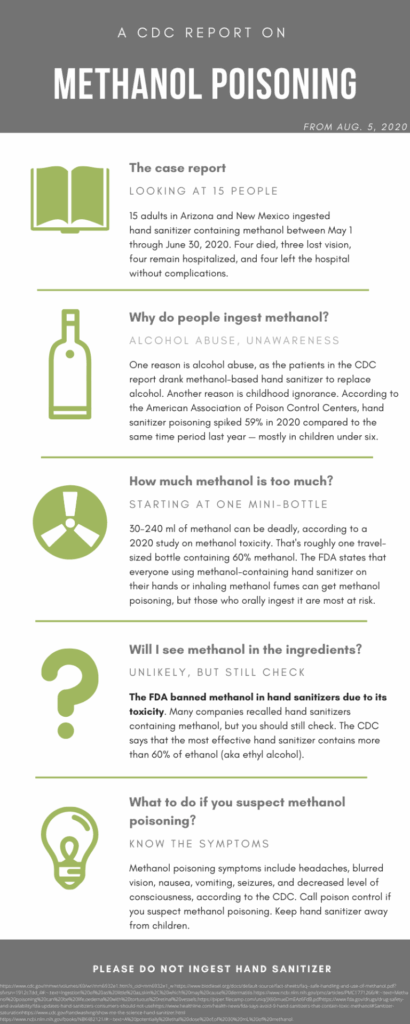
Recognizing the symptoms of methanol poisoning is crucial for timely intervention. After consuming potentially contaminated alcohol, individuals should monitor their health for any signs of distress. Symptoms typically begin with a severe headache and nausea, which can rapidly progress to more alarming indicators such as blurred vision or loss of sight. Understanding that these symptoms can arise distinctly and quickly is essential in accessing medical help swiftly, as delay can result in irreversible damage.
Additionally, recognizing these symptoms early can also protect others who may have consumed the same beverage. Individuals should be advised to seek immediate medical assistance if they suspect methanol poisoning, as prompt treatment can significantly improve outcomes. Awareness and education regarding the symptoms involved play a vital role in preventing severe health complications and can dramatically enhance safety during travel.
The Importance of Reliable Alcohol Sources
The importance of sourcing alcohol from reliable suppliers cannot be overstated when it comes to preventing methanol poisoning. Travelers should prioritize establishments that are renowned for their adherence to safety regulations and practices. Consuming local brands that have been vetted and are widely accepted can significantly reduce the risk associated with drinking in potentially hazardous environments.
Additionally, individuals should carry out background research on the alcohol brands and their sources before consumption. An informed traveler is less likely to become a victim of methanol poisoning or the associated toxic alcohol effects. Engaging with other travelers or checking recent reviews can also provide insights into safe drinking options, fostering an environment where alcohol consumption is both enjoyable and secure.
Emergency Protocols for Methanol Exposure
Establishing emergency protocols for potential methanol exposure is vital for all travelers. In regions where methanol poisoning risk is heightened, having a plan can be lifesaving. This protocol should include identifying the nearest medical facilities, understanding local emergency numbers, and knowing how to communicate a possible poisoning situation clearly.
Moreover, it is key to travel with a contact who can assist in emergencies. They can provide support, help communicate your issues to medical personnel, and ensure that you receive the necessary treatment promptly. Familiarity with local healthcare systems can also improve how effectively you navigate emergency situations related to methanol exposure.
The Role of Government in Preventing Methanol Poisoning
The role of governments in preventing methanol poisoning spans regulations, public health campaigns, and traveler advisories. By implementing strict regulations on alcohol production and distribution, governments can minimize the risk of methanol contamination in the alcoholic beverages sold within their borders. Coupled with robust public awareness campaigns that educate both locals and tourists about the dangers of consuming unregulated alcohol, there is potential for substantial impact on health and safety.
Additionally, government travel advisories, such as the ones issued by the UK Foreign Office, are crucial tools in alerting travelers to possible risks. They empower individuals to make informed decisions and take preventative measures, ensuring their safety while exploring new destinations. The active efforts from government entities to address this issue signify a commitment to public health and safety.
Frequently Asked Questions
What is methanol poisoning and why is it dangerous?
Methanol poisoning occurs when methanol, a toxic industrial alcohol, is ingested. It can cause severe health effects such as blindness and even death within 12 to 48 hours. Methanol is not intended for human consumption and is often present in contaminated alcoholic beverages.
How can travelers minimize the risk of methanol poisoning while abroad?
To reduce the risk of methanol poisoning while traveling, stick to reputable establishments for alcoholic beverages, avoid homemade alcohol, and do not accept complimentary shots from strangers. Always be aware of the countries with documented risks of methanol poisoning.
What are the symptoms of methanol poisoning to look out for while traveling?
Symptoms of methanol poisoning include severe hangover symptoms, dizziness, headache, and vision problems. If these symptoms occur, especially after consuming alcohol, seek medical help immediately as early intervention is crucial.
What countries are currently warned for methanol poisoning risks by the UK Foreign Office?
Countries warned for methanol poisoning risks include Bangladesh, India, Iran, Jordan, Libya, Malawi, Malaysia, Morocco, Nepal, Papua New Guinea, Rwanda, and previously reported nations such as Ecuador, Japan, and Mexico. Travelers should exercise caution in these areas.
How does methanol enter alcoholic beverages and what should travelers know?
Methanol can enter alcoholic beverages when illegally mixed with spirits to cut costs. It is tasteless and odorless, making detection difficult. Travelers should ensure their alcohol is from reputable sources to avoid the dangers of contaminated alcohol.
What health risks are associated with toxic alcohol consumption like methanol?
Toxic alcohol consumption, particularly methanol, poses serious health risks including potential blindness and death. Methanol is much more dangerous than ethanol (the alcohol typically consumed) and can lead to severe metabolic acidosis and organ failure.
Is there a difference between methanol and ethanol in terms of safety?
Yes, methanol is a toxic form of alcohol used industrially and is not safe for human consumption, while ethanol is the alcohol commonly found in beverages. Methanol poisoning results from ingestion of methanol, leading to severe health consequences.
What precautions should be taken regarding contaminated alcohol?
To avoid contaminated alcohol, it is safest to consume drinks from reputable brands and establishments. Pay attention to local warnings regarding methanol poisoning and avoid homemade or unregulated alcohol entirely.
What advice does the Foreign Office give regarding alcohol consumption abroad?
The Foreign Office advises travelers to drink only in reputable places, to avoid homemade alcohol and to be vigilant about symptoms of methanol poisoning. Prompt medical attention is critical if adverse symptoms are experienced.
Why is methanol poisoning a growing concern in travel safety?
Methanol poisoning is a growing concern due to an increase in reported cases globally, partly resulting from local alcohol production laws, illegal mixing, and a lack of public awareness about the dangers of toxic alcohol consumption.
| Country | Risk of Methanol Poisoning | Advice to Travelers |
|---|---|---|
| Bangladesh | High | Avoid homemade alcohol. |
| India | High | Stick to reputable establishments. |
| Iran | High | Be cautious with local spirits. |
| Jordan | High | Seek trusted sources for alcohol. |
| Libya | High | Avoid consumption of unknown brands. |
| Malawi | High | Check alcohol sources diligently. |
| Malaysia | High | Stick to popular, reputable spots. |
| Morocco | High | Consume alcohol only from licensed vendors. |
| Nepal | High | Prefer bottled drinks in restaurants. |
| Papua New Guinea | High | Be wary of local brews. |
| Rwanda | High | Choose known brands for safety. |
Summary
Methanol poisoning should be taken seriously by all travelers, especially those visiting countries listed by the UK Foreign Office. With the rising number of reported cases globally, it’s crucial to understand the risks associated with consuming contaminated alcohol. Being informed and cautious can prevent severe health consequences such as blindness or death from even small amounts of methanol.