Listen to this article
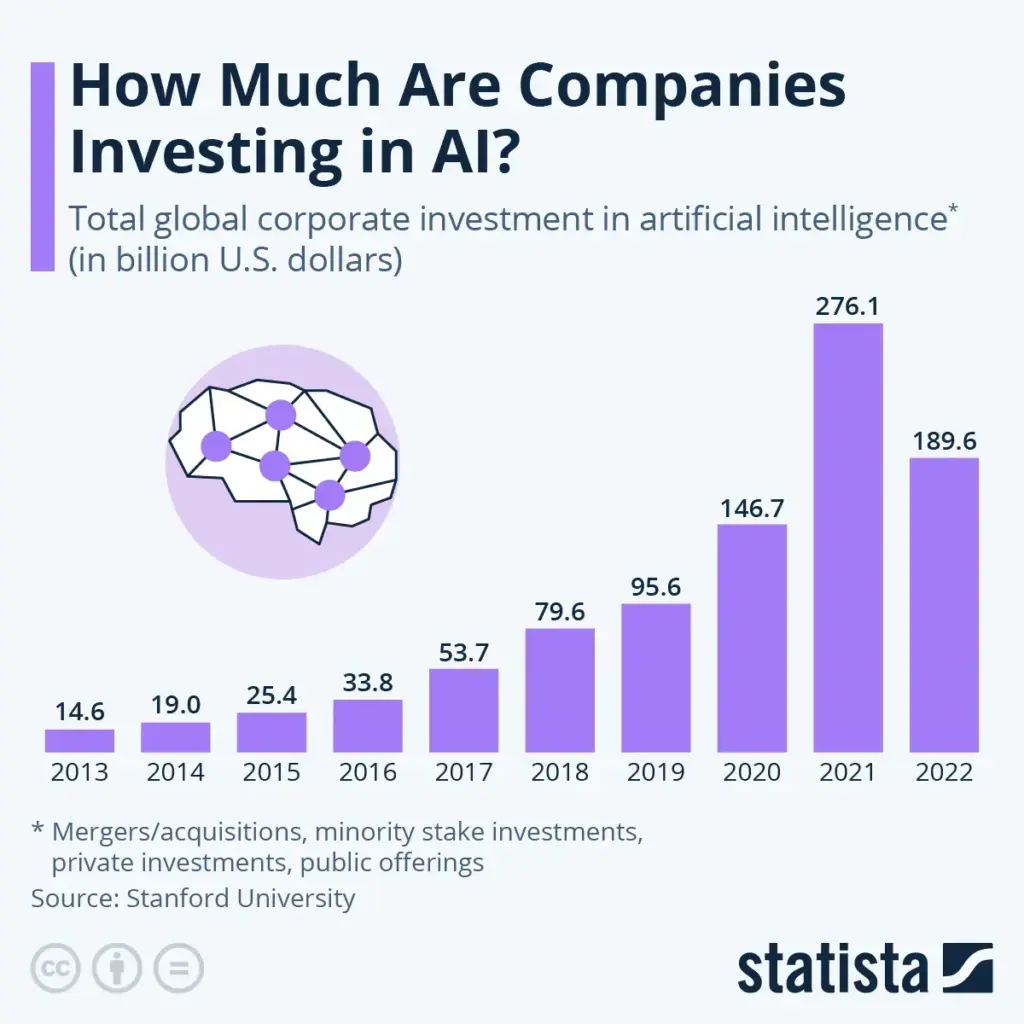
Meta AI investment is at the forefront of Mark Zuckerberg’s ambitious strategy as the tech giant significantly ramps up its financial commitment to artificial intelligence projects. In a recent discussion with financial analysts, Zuckerberg revealed plans for a staggering $135 billion investment in AI-related infrastructure for this year, nearly doubling last year’s expenditure. This increase comes amidst growing concerns from industry experts about the potential risks of an AI bubble, mirroring the caution seen during previous tech booms. As Meta continues to develop AI tools aimed at enhancing productivity among its workforce, the company’s trajectory is set to redefine workplace dynamics by 2026. With these strategic initiatives, Meta not only positions itself as a leader in the evolving AI landscape but also attracts significant investor interest, largely driven by the promise of groundbreaking advancements and increased efficiency.
The latest developments in Meta’s artificial intelligence strategy highlight a profound commitment from Mark Zuckerberg to propel the company into the forefront of AI advancements. This push involves substantial financial allocations towards AI projects, with projections pointing to a total expenditure that nearly doubles prior investments. Despite concerns regarding a potential bubble in the artificial intelligence market similar to the dot-com bubble, the focus on innovating AI tools is seen as crucial for enhancing productivity across the board. Zuckerberg anticipates that these investments will transform operational frameworks within organizations as early as 2026, thereby fundamentally altering how employees leverage technology. As Meta continues to unveil updates on their AI initiatives, the company’s journey reflects a larger narrative of both opportunity and caution within the tech landscape.
Mark Zuckerberg’s AI Investment Strategy
Mark Zuckerberg has announced a bold strategy for Meta’s investment in artificial intelligence, planning to significantly increase spending in this area to enhance the company’s position in the tech landscape. With an anticipated allocation of approximately $135 billion towards AI this year, nearly doubling the previous year’s investment, this ambitious approach signals a strong commitment to advancing AI infrastructure and capabilities. Zuckerberg sees the year 2026 as pivotal, suggesting that AI will fundamentally revolutionize workplace productivity and operations, aligning with broader trends in digital transformation across various industries.
As part of this strategy, Zuckerberg is focusing on improving productivity, especially among software engineers and other employees, by integrating advanced AI tools into their workflows. He noted that those who leverage these tools effectively will experience a considerable productivity boost, leading to potential changes in workforce dynamics. This move not only reflects Meta’s intent to be at the forefront of the AI boom but also indicates a shift towards more streamlined operations, potentially reducing team sizes while maximizing output.
AI Tools Driving Productivity at Meta
Meta’s initiative to enhance productivity through AI tools is a substantial aspect of Zuckerberg’s long-term vision. He emphasized the importance of these tools in empowering employees, allowing them to perform tasks that once required large teams, effectively shifting the balance of project execution. By equipping workers with innovative AI capabilities, Meta aims to foster a culture of efficiency and high performance, driving the company towards its ambitious goals of transforming digital interactions and work environments.
The integration of AI into workplaces is not merely a trend but a necessity for staying competitive in an increasingly digital economy. As Zuckerberg points out, a significant disparity exists between those who adeptly utilize AI tools and those who do not. This ‘delta’ signifies a potential reshaping of job roles and responsibilities, where individual talents can shine through technological empowerment. Furthermore, as AI tools evolve, they could redefine the skill sets required in the labor market, prompting ongoing training and adaptation among employees.
Understanding the Risks of AI Investment Bubbles
While the potential of AI is vast, industry leaders express caution regarding the substantial investments being poured into this sector, raising concerns about an impending AI bubble. Figures like Chuck Robbins and Jamie Dimon point to historical patterns reminiscent of the dot-com bubble, where overzealous investments led to significant market corrections. The current landscape presents a paradox: while AI could indeed revolutionize industries, the risks associated with such rapid valuation increases necessitate a more measured approach to investment.
Veteran leaders in technology underscore the importance of scrutinizing the sustainability of current valuations, suggesting that some companies could struggle to maintain viability as market enthusiasm wanes. There are calls for investors to adopt a more balanced perspective, appreciating the transformative potential of AI while also recognizing the signs of irrational exuberance. This prudent viewpoint is essential to navigating the complexities of a rapidly evolving tech landscape where the distinction between genuine innovation and speculative hype becomes crucial.
Meta’s Position in the AI Landscape
As Meta ramps up its artificial intelligence investments, the competition within the tech industry is intensifying. With players like Google and OpenAI advancing their AI projects, Meta’s proactive stance might offer it a competitive edge. By committing significant resources to AI, Zuckerberg is positioning the company not just as a participant but as a potential leader in the burgeoning AI field. This strategy aligns with broader trends in tech where companies are beginning to recognize that success hinges on their ability to harness AI effectively.
Moreover, Meta’s strategy appears to be a calculated response to the growing demand for AI solutions, as industries seek innovative ways to improve efficiency and enhance customer experiences. By harnessing AI technology, Meta aims to create sophisticated products that meet market needs while steering the company to profitability amidst increasing operational costs. Ultimately, this blend of investment and innovation could redefine Meta’s trajectory and solidify its place as a key player in the AI domain.
Predictions for AI’s Future Impact
Looking towards the future, Mark Zuckerberg’s insights on AI suggest that 2026 may serve as a watershed moment for the industry. The anticipated changes could redefine everything from business practices to employee interactions. As AI continues to evolve, its integration into everyday tasks will likely prompt demands for new skills and reshape organizational structures, making adaptability paramount for both companies and employees. This potential transformation highlights why strategic investments in AI remain a focal point for market leaders.
However, these predictions are intertwined with cautionary tales about the pace and sustainability of AI advancements. Industry experts like Sam Altman warn that while the hype is palpable, there is a genuine need for measured growth and realism in the tech sector’s approach to AI. By acknowledging both the opportunities and risks associated with AI, companies can better prepare for the future, ensuring they contribute to a healthy market environment that fosters innovation while minimizing the pitfalls of an investment bubble.
The Role of AI Training Programs
In line with the burgeoning interest in AI, training programs are becoming increasingly vital for harnessing its full potential. As organizations like Meta navigate the complexities of integrating AI into their frameworks, equipping employees with the necessary skills becomes paramount. Training initiatives that focus on both technical abilities and the strategic application of AI can significantly enhance employees’ adaptability in this dynamic landscape. Such programs not only support individual career growth but also contribute to organizational success.
Furthermore, fostering a culture of continuous learning around AI is essential as technology evolves rapidly. Companies should consider implementing comprehensive training schemes that align with their strategic goals in AI investment. By doing so, organizations can ensure that their teams remain at the forefront of innovation, capable of leveraging AI tools to optimize productivity and drive results. Emphasis on education in AI reflects a commitment to long-term growth and sustainability, positioning firms as leaders in the digital transformation era.
The Economic Implications of AI Expansion
As Meta and other tech giants dedicate vast resources to AI development, the economic implications are far-reaching. The investment focus not only affects the companies themselves but also has ripple effects across industries. Enhanced AI capabilities can drive efficiencies, lower costs, and create new job roles, ultimately contributing to economic growth. However, this rapid expansion also prompts discussions about job displacement and the future of work, particularly as automation increasingly takes over tasks once performed by humans.
Moreover, the economic landscape may see a shift in competitiveness among global markets as countries begin to prioritize AI-related innovations. Companies that effectively leverage AI may find themselves at the forefront of their respective industries, which could raise questions about market equity and access to these technologies. Addressing the disparities in AI capabilities will be essential for fostering inclusive growth, ensuring that advancements benefit a wide range of stakeholders rather than perpetuating existing inequalities.
Anticipating Challenges in AI Development
While the prospects of AI are exciting, numerous challenges accompany its development and integration into society. Ethical concerns surrounding data privacy, algorithmic bias, and the potential misuse of AI technologies necessitate careful consideration as companies like Meta push boundaries. There is a pressing need for regulatory frameworks that can keep pace with technological advancements, safeguarding public interests while fostering innovation. Balancing these dual objectives will be crucial for the healthy progression of AI.
Additionally, the rapid pace of AI evolution comes with inherent risks. Organizations must prepare for potential setbacks, including the fallibility of AI algorithms and the implications of malicious applications. Awareness and proactive measures against these risks will be vital for sustaining trust among consumers and stakeholders. As industries continue to navigate the complexities of AI advancements, addressing challenges collaboratively can lead to more robust and responsible AI development.
Meta’s Vision for AI Beyond 2025
Looking ahead, Meta’s vision for artificial intelligence extends beyond mere financial investment, reflecting a commitment to pioneering the integration of AI into everyday life. Zuckerberg envisions creating a more interconnected digital ecosystem where AI is seamlessly interwoven into user experiences. This broader ambition revolves around not only enhancing productivity within Meta but also transforming how individuals interact with technology across various platforms.
As Meta continues to refine its AI strategy, ongoing dialogues with stakeholders and market analysts will be necessary to align aspirations with practical realities. This vision will require a concerted effort in research and development, ensuring that Meta remains at the cutting edge of technological breakthroughs. Sustaining consumer trust and demonstrating clear value in AI innovations will be paramount for ensuring Meta’s leadership role in this transformative era.
Frequently Asked Questions
What is Meta’s AI investment strategy for 2025?
Meta’s AI investment strategy for 2025 involves a significant expenditure of up to $135 billion, aimed at enhancing AI-related infrastructure and projects. This marks a substantial increase from the $72 billion invested in the previous year, reflecting CEO Mark Zuckerberg’s commitment to positioning Meta as a leader in artificial intelligence.
How is Mark Zuckerberg planning to lead the AI boom through Meta’s investments?
Mark Zuckerberg plans to lead the AI boom by increasing Meta’s investment in artificial intelligence projects significantly in 2025. With a total of approximately $140 billion invested over the past three years, Zuckerberg envisions 2026 as a transformative year for how AI will influence work processes and productivity.
What are the potential risks associated with the rise of AI investments, as highlighted by Meta’s strategy?
The rise of AI investments, including Meta’s substantial financial commitment, comes with potential risks of an AI bubble. Industry experts, like Chuck Robbins from Cisco and JPMorgan’s Jamie Dimon, warn that the current market dynamics show signs of irrational investment behavior similar to the dot-com bubble, which could lead to instability.
How does Meta aim to enhance productivity with its AI tools?
Meta aims to enhance productivity by developing AI tools that empower employees, particularly software engineers, to work more efficiently. Mark Zuckerberg noted that these tools are intended to create a significant productivity gap between those who utilize them effectively and those who do not.
What recent changes has Meta made regarding its workforce in relation to AI investments?
In response to its AI investments and strategic realignment, Meta has already laid off several hundred employees, particularly in its Reality Labs division. These layoffs are part of a broader move to streamline operations and optimize for AI advancements.
What did Mark Zuckerberg predict about the future of work with AI by 2026?
Mark Zuckerberg predicts that by 2026, AI will dramatically change the way organizations operate, enhancing efficiencies and reshaping job roles. He emphasized the importance of AI agents in transforming traditional work structures, noting that the future of workplaces will be different from what we can predict today.
What are the latest developments in Meta’s AI projects and investments?
The latest developments in Meta’s AI projects highlight the company’s commitment to investing heavily in AI infrastructure and tools, with expectations of substantial changes in employee productivity and operational dynamics by 2026. News of a 6.5% rise in Meta’s shares following the investment announcement indicates market optimism about these AI initiatives.
| Key Point | Details |
|---|---|
| Increased AI Investment | Meta plans to invest up to $135 billion in AI projects in 2023, nearly double last year’s investment of $72 billion. |
| Long-term Commitment | Over the last three years, Meta has invested approximately $140 billion to lead the AI sector. |
| Productivity Enhancement | Zuckerberg anticipates that AI tools will significantly enhance employee productivity. |
| Concerns about AI Bubble | Industry leaders express concerns about a potential AI investment bubble similar to the dot-com era. |
| Stock Market Impact | Following Meta’s investment announcement, shares rose by approximately 6.5%. |
| Job Cuts | Meta has laid off several hundred employees within its Reality Labs division. |
| Future of Work | Zuckerberg believes AI agents will transform organizational structures and how work is done. |
Summary
Meta AI investment is poised for significant growth as the company seeks to double its financial commitments to artificial intelligence in 2023. With a planned expenditure of up to $135 billion, Meta aims to leverage AI to enhance productivity and transform workplace dynamics. However, this ambitious plan is accompanied by concerns from industry leaders about the sustainability of such investments, echoing fears of a potential bubble similar to the late 1990s dot-com era. As more companies grapple with the implications of AI, the investment landscape is likely to evolve, influenced by both innovation and caution.