
Listen to this article
Mental health and sport are intricately linked, as the psychological well-being of athletes can profoundly influence their performance and overall quality of life. In a competitive landscape, where the pursuit of victory can often dominate, the significance of mental health deserves equal attention. Athletes are not only required to hone their physical skills; they must also develop mental resilience, ensuring their emotional health supports their competitive aspirations. Integrating sports psychology concepts such as mindfulness for athletes and balancing sports and life becomes essential in nurturing athlete wellbeing. This introduction sets the stage for a deeper discussion on how mental health plays a critical role in maximizing athletic potential while preventing burnout and fostering a supportive environment.
The intersection of psychological wellness and competitive sports is a critical area that warrants attention, particularly as athletes navigate the pressures of performance. This discussion aims to highlight the significance of emotional stability in athletic contexts, focusing on how athletes can cultivate a supportive mental environment. With a strong emphasis on mental resilience and strategies like mindfulness practices, the path to enhanced athlete development emerges clearly. Moreover, understanding the nuances of balancing rigorous training with necessary mental health support can lead to a more sustainable approach to sports. Overall, prioritizing mental health alongside physical preparation ensures athletes achieve their peak potential while maintaining their overall well-being.
Understanding the Impact of Mental Health on Athletic Performance
Mental health plays a crucial role in determining an athlete’s performance and overall experience in sports. Athletes face unique pressures, including high expectations from themselves and others, performance-related anxiety, and the physical demands of their sport. These factors can lead to mental health challenges such as anxiety disorders, depression, or stress-related conditions. As such, understanding these effects is vital for athletes at all levels, as it can inform practices that support their overall well-being and enhance performance outcomes.
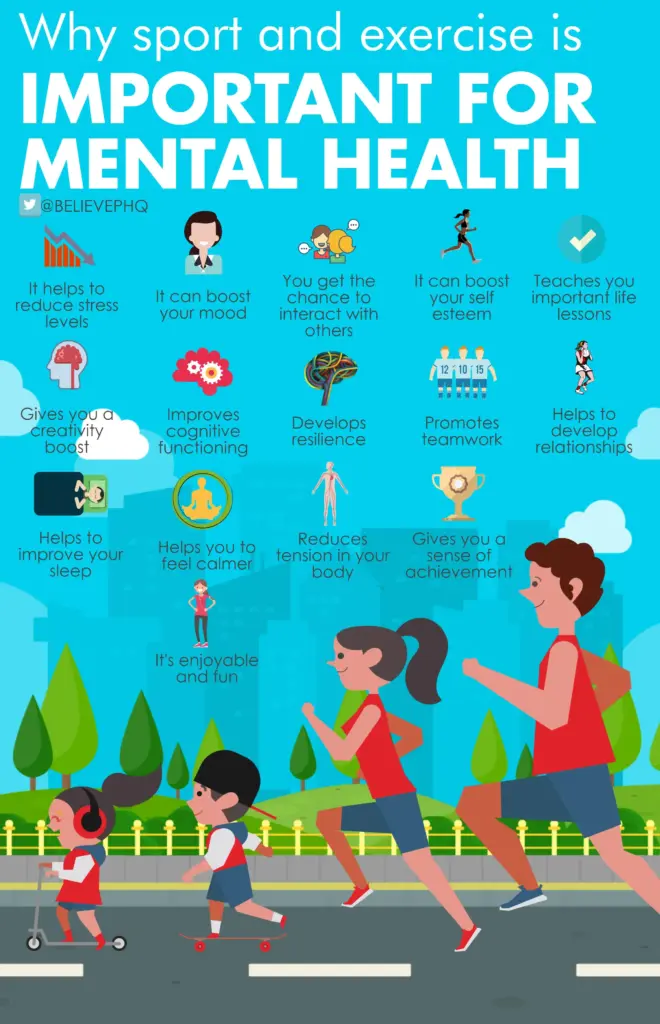
Studies show that when athletes prioritize their mental health, they often see improvements not just in their psychological state but also in their performance metrics. Mentally healthy athletes are more likely to experience increased focus, motivation, and resilience, allowing them to handle competitive pressure better. This is where sports psychology becomes essential; by integrating mental health awareness into training regimens, athletes can develop techniques to cope with the ever-present challenges within competitive sports.
Frequently Asked Questions
How does mental health impact athlete performance in sports?
Mental health significantly influences athlete performance by affecting motivation, resilience, and coping strategies. Conditions such as anxiety and depression can lead to decreased focus and increased stress levels during competitions, ultimately impacting overall performance.
What role does mental resilience play in sports psychology?
Mental resilience, a key concept in sports psychology, enables athletes to recover from setbacks and maintain focus amidst challenges. Developing mental resilience through positive mindset practices and mindfulness helps athletes navigate the pressures of competition effectively.
What are effective mindfulness practices for athletes to enhance mental well-being?
Mindfulness practices such as meditation and yoga allow athletes to reduce anxiety, improve concentration, and achieve mental clarity. These techniques help athletes stay present during competitions, enhancing their performance and overall well-being.
How can athletes balance their sports training with mental health?
Achieving balance between sports training and mental health involves incorporating rest, relaxation, and fun activities into their routines. Prioritizing mental well-being alongside physical training helps prevent burnout and promotes long-term success.
Why is communication about mental health important for athletes?
Open communication about mental health helps dismantle stigma and encourages athletes to seek assistance when needed. Discussing mental well-being with coaches and teammates fosters a supportive environment essential for athlete welfare.
What strategies can athletes use to maintain mental health during competition?
Athletes can maintain mental health by setting achievable goals, practicing regular check-ins on their emotional state, utilizing mental health resources, and prioritizing rest and recovery to alleviate stress and anxiety during competitive seasons.
How does injury affect an athlete’s mental health?
Injuries can lead to feelings of isolation, frustration, and anxiety among athletes. The mental impact of injury emphasizes the need for emotional support, effective communication, and mental health resources during recovery.
What educational resources are available for athletes to understand mental health better?
Athletes can access workshops, online courses, and literature that focus on mental health topics relevant to sports. These resources educate athletes on recognizing mental health issues and developing coping strategies.
What is the relationship between athlete well-being and team dynamics?
Athlete well-being is closely tied to team dynamics; supportive and communicative team environments foster camaraderie, significantly improving mental health and performance. Positive social interactions can enhance motivation and resilience.
How can sports organizations promote mental health awareness among athletes?
Sports organizations can promote mental health awareness by providing access to mental health resources, hosting workshops, and encouraging open discussions about mental well-being, thereby fostering a culture that values athlete mental health.
| Key Point | Explanation |
|---|---|
| Importance of Mental Health | Mental health significantly influences athletes’ performance and overall well-being. |
| Mental Resilience | Bouncing back from setbacks and maintaining focus through a positive mindset, mindfulness, and goal setting. |
| Balancing Training | Physical training must align with mental health practices to prevent burnout and promote recovery. |
| Strategies for Mental Health | Communication, utilizing resources, routine check-ins, prioritizing rest, and education on mental health are vital for athletes. |
| Future Considerations | Emphasizing mental health alongside physical training leads to improved performance and well-rounded athletes. |
Summary
Mental Health and Sport are intertwined aspects of an athlete’s performance and lifestyle. The significance of balancing mental health with physical training cannot be overstated; it is essential for ensuring athletes achieve their best performances while maintaining their overall well-being. As the conversation around these topics evolves, it becomes vital for athletes to be aware of their mental health, embrace open communication about their struggles, and integrate mental wellness strategies into their routines. By fostering an environment that prioritizes mental health, athletes can not only excel in their sports but also lead healthier, more fulfilling lives.

