Listen to this article
Meningitis vaccination is an essential safeguard, especially for young adults embarking on new journeys like university life. Tragically, the recent passing of 18-year-old Meg Draper from meningococcal type B meningitis (MenB) underscores the imperative need for such immunizations. Meg’s story highlights the importance of the MenB vaccine, which is currently not routinely offered to teenagers, despite them being one of the demographics most at risk. With meningitis symptoms often resembling flu at first glance, it can be challenging to recognize until it’s too late, making vaccination awareness crucial for public health. Advocates are pushing for the NHS to include routine MenB vaccinations for older children and teenagers to prevent more tragedies like Meg’s.
In recent years, there has been a growing focus on meningitis immunization, particularly concerning the MenB vaccine, which protects against one of the most dangerous strains of this disease. Young adults, especially those entering university environments, are at heightened risk due to close-contact living arrangements and socialization. It’s vital to understand that while the conversation about childhood vaccinations is prevalent, awareness around vaccinations for teenagers often falls short. Symptoms of meningitis can be deceptively mild at onset, leading to a severe escalation if left untreated. Efforts to enhance vaccination protocols and education are critical in ensuring that teenagers are informed and protected against life-threatening infections.
Understanding Meningitis Symptoms
Meningitis, the inflammation of the protective membranes covering the brain and spinal cord, often presents itself with severe symptoms that can escalate quickly. Common indicators include a high fever, severe headache, and a neck stiffness that can sometimes prevent the individual from looking down. Other symptoms such as a rash, vomiting, or confusion may also occur. It is essential for teenagers and young adults to be particularly aware of these symptoms, as they are at higher risk for meningitis, especially in communal living situations like university dorms.
Additionally, symptoms can develop rapidly within hours, making immediate medical attention crucial. A rash that does not fade when pressure is applied, often termed a ‘petechial rash,’ can be a sign of a more severe form and should prompt urgent evaluation. Young people, particularly those in their late teens to early twenties, should watch for these signs due to their increased likelihood of carrying meningococcal bacteria. Being proactive in recognizing these symptoms can help in securing timely treatment and preventing tragic outcomes.
The Importance of Meningitis Vaccination for Young Adults
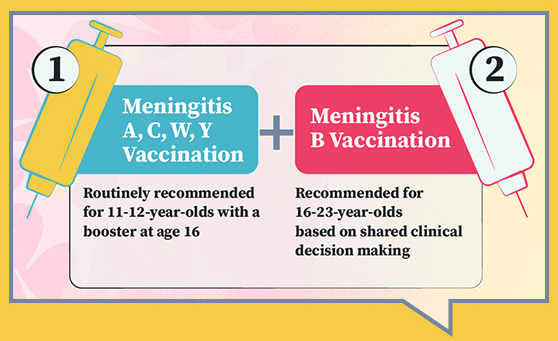
Vaccination plays a critical role in protecting against meningitis, especially for adolescents and young adults who are at a higher risk. The MenB vaccine specifically targets meningococcal B bacteria, which is responsible for a significant percentage of cases in the UK. Young people are often unaware of the necessity for these vaccinations, as they typically receive coverage for other strains like A, C, W, and Y but miss out on MenB due to a lack of public health campaigns focusing on this vital vaccine. Awareness initiatives are essential to educate both students and their families about the risks associated with meningitis and the protections offered by vaccination.
Accessibility to the MenB vaccine should be a priority on the NHS for young adults, particularly those transitioning to university life. The tragic case of Meg Draper underscores the critical need for broader vaccination awareness. Health organizations and universities should collaborate to ensure that young people receive timely information about available vaccines and the importance of receiving boosters when recommended. Providing easy access to the MenB vaccine can help protect young adults and significantly decrease the incidence of this potentially fatal disease.
Strengthening Vaccination Awareness in Universities: Addressing the Gap
As students head into university, it is vital to strengthen vaccination awareness beyond just the typical freshman flu. Institutions should actively promote information about all types of meningitis vaccinations, particularly the MenB vaccine, which is often overlooked. With students living and interacting closely, it raises the risk of bacterial spread, making vaccinations a critical component of public health on campuses. Routine reminders and health seminars can serve as valuable tools for increasing awareness and encouraging students to get vaccinated.
Furthermore, universities should consider making the MenB vaccine available to all incoming students. Addressing financial barriers and providing the vaccine free-of-charge or at a lower cost can significantly impact young adults’ willingness to be vaccinated. The heartbreaking story of Meg Draper has opened discussions about the urgent need for vaccination programs tailored specifically for teenagers and young adults, ensuring that all students have the opportunity to protect themselves against this life-threatening infection.
Public Health Implications of Meningitis Vaccination
Public health initiatives play a crucial role in managing the risks associated with meningitis, particularly among young adults. The availability of the MenB vaccine on the NHS is a vital component in combating the spread of this disease. By ensuring that vaccines are accessible and affordable, the government can significantly reduce the incidence of MenB and improve the overall health of the population. Fostering a culture of vaccination can lead to herd immunity, protecting those who may be unable to receive the vaccine due to medical reasons.
In addition, increased public health campaigns can educate communities about meningitis symptoms, the importance of timely medical intervention, and the benefits of vaccination. Such initiatives can close the knowledge gap that exists, as demonstrated by Meg Draper’s story, where her family was unaware of the MenB vaccination despite being proactive about other meningitis types. Public health organizations need to prioritize educational outreach to families, schools, and universities to promote vaccination awareness and ensure young people are adequately protected.
Advocating for Routine MenB Vaccination
The advocacy for routine MenB vaccination reflects a growing recognition of the need to protect young adults from this severe bacterial infection. Families impacted by meningitis, like Meg Draper’s, are pushing for NHS policies that prioritize access to the MenB vaccine for older children and young adults. By sharing personal stories and experiences, these families highlight the urgent need for change in vaccination protocols, aiming to prevent future tragedies that arise from a lack of knowledge and access.
Engaging with policymakers and the broader public is essential for instigating change. As public sentiment shifts toward the need for greater awareness and the expansion of vaccine eligibility, organizations like the National Union of Students UK are championing the cause for better vaccination policies. Their assertion that no financial barriers should exist for life-saving vaccines underscores the collective responsibility to protect this vulnerable population, ensuring that no young adult faces meningitis without appropriate preventive measures.
The Role of Universities in Health Education
Universities serve as a central hub for health education, making them uniquely positioned to address vaccination needs among students. With many young adults living in close quarters and interacting frequently, universities can play a proactive role in educating their students about meningitis and the importance of vaccination. They should implement comprehensive health programs that include information about the MenB vaccine, how to recognize meningitis symptoms, and available medical resources to seek help.
Furthermore, universities can facilitate vaccination clinics on campus, allowing students easy access to necessary vaccinations without the hurdle of finding external medical facilities. By taking these steps, institutions not only protect their student populations but also contribute to wider public health efforts in the community. Engaging students in discussions about health and wellness fosters a culture of safety and prevention that can have lasting positive effects beyond university life.
Encouraging Healthy Practices to Prevent Meningitis Spread
Preventive measures against meningitis extend beyond vaccination alone; healthy practices should be encouraged among young adults to further reduce the risk of infection. Basic hygiene practices, such as regular handwashing, using hand sanitizers, and avoiding sharing drinks or utensils, are essential in minimizing bacterial transmission in college dorms and shared living environments. Raising awareness about these simple yet effective actions can empower students to take charge of their health.
Moreover, educating students about the signs and symptoms of meningitis can lead to early detection and treatment, which are critical in reducing severe outcomes. Hosting workshops or informational sessions about living healthily, particularly during freshman orientations, can instill a sense of responsibility among students. By promoting these practices, universities can foster a safer community capable of taking proactive measures against infections.
Impacts of Meningitis on Survivors
The effects of meningitis can be far-reaching, particularly for those who survive the initial infection. Many survivors may face long-term complications, including hearing loss, learning disabilities, or disabilities that significantly impact their quality of life. Such repercussions underscore the importance of prevention through vaccination, as protecting young people from meningitis can help avert the profound physical and emotional challenges associated with surviving this disease.
Personal testimonies from meningitis survivors highlight the importance of raising awareness about the long-term impacts of the disease. For instance, parents and advocates stress that stronger public health initiatives must be launched to educate families about the signs of meningitis, further promoting the uptake of vaccines. It is vital to remember that prevention via vaccination is less costly than managing the long-term effects that can alter the course of a young person’s life.
The Future of Meningitis Vaccination Policies
The future of meningitis vaccination policies must adapt to new understandings of the disease’s risks among young adults. Policymakers, health organizations, and parents are increasingly recognizing the necessity of routine MenB vaccinations to protect vulnerable populations, such as teens transitioning into university life. Collaborative discussions among health authorities, school systems, and public health advocates are essential in shaping effective vaccination strategies that prioritize young adults.
Efforts to expand vaccine access and create supportive public health policies can ensure that future cohorts of young people have better protection against meningitis. The need for systematic reviews of vaccination recommendations will continue to evolve with population data and emerging health trends. By emphasizing comprehensive public health strategies, stakeholders can create a robust framework that prioritizes the health and well-being of all young adults against meningitis and other preventable diseases.
Frequently Asked Questions
What is the Meningitis vaccination and why is it important for teenagers?
The Meningitis vaccination protects against several strains of the disease, including MenB, which is particularly dangerous for teenagers and young adults. Vaccination is crucial as it helps prevent potential outbreaks in university settings where close contact among students is common.
What is the MenB vaccine and who should receive it?
The MenB vaccine is specifically designed to protect against meningococcal type B meningitis, responsible for the majority of meningitis cases in the UK. It is recommended for infants, but health advocates are urging that it should also be available as a booster for teenagers and young adults, especially those entering university.
How does the MenB vaccine contribute to public health?
The MenB vaccine plays a significant role in public health by reducing the incidence of meningitis, thereby preventing severe illness and fatalities among teenagers and young adults. Increased vaccination awareness can significantly lower transmission rates and protect vulnerable populations.
What are the common symptoms of meningitis that teenagers should be aware of?
Symptoms of meningitis include severe headache, high fever, vomiting, sensitivity to light, and a rash. Teenagers should seek immediate medical attention if they experience these symptoms, especially if they have recently been in close contact with others, such as on university campuses.
Why do some teenagers not receive the MenB vaccine, and how can awareness be improved?
Many teenagers and parents are unaware of the MenB vaccination’s existence or its importance, as it is not part of the standard vaccination schedule for young adults. Increasing vaccination awareness through educational campaigns, especially targeting high school and university students, is essential for preventing meningitis.
Is the MenB vaccine available on the NHS for older teenagers and young adults?
Currently, the MenB vaccine is not routinely provided by the NHS for teenagers and young adults, as it is primarily administered to infants. Advocacy groups are pushing for policy changes to make it accessible to older age groups to enhance protection against meningitis.
What should students do if they suspect they have meningitis symptoms?
If students believe they have symptoms of meningitis, they should seek medical help immediately. Early diagnosis and treatment are critical, and individuals are encouraged to be proactive in monitoring their health, especially during busy university life.
How can universities enhance vaccination awareness among students?
Universities can enhance vaccination awareness by providing information about available vaccines, hosting vaccination clinics on campus, and actively promoting the importance of immunization against meningitis, including MenB, during orientation events.
What impact can meningitis have on young adults and their families?
Meningitis can lead to severe complications such as brain damage, hearing loss, or even death. The emotional and financial toll on families can be devastating, making awareness of the MenB vaccination critical in preventing such tragedies.
What actions can parents take to ensure their teenagers are vaccinated against meningitis?
Parents should discuss the importance of the Meningitis vaccination, including the MenB vaccine, with their teenagers. They can consult healthcare providers about vaccination options and advocate for their children to receive all recommended vaccines before entering college.
| Key Points | Details |
|---|---|
| Tragic Case of Meningitis | Meg Draper, an 18-year-old university student, died from meningococcal type B meningitis after just weeks at Bournemouth University. |
| Vaccination Advocacy | Her parents and the National Union of Students UK are advocating for routine MenB vaccinations for young adults on the NHS. |
| MenB Vaccine Coverage | Currently, the MenB vaccine is only offered to young children, with older children facing costs of approximately £220 for private immunization. |
| Symptoms of Meningitis | Symptoms include fever, headache, vomiting, and rash. Quick diagnosis and treatment are crucial. |
| Increased Awareness | Efforts are being made to raise awareness about the availability of the MenB vaccine among parents and students. |
| Crisis Among Students | University students are at a higher risk due to close living conditions, raising concerns about meningitis outbreaks. |
Summary
Meningitis vaccination is a crucial topic, especially in light of tragic cases like that of Meg Draper, who passed away from meningococcal type B meningitis shortly after starting university. This incident highlights the need for increased awareness and accessibility of the MenB vaccine for young adults. By advocating for routine vaccinations, we can prevent further tragedies and ensure that students are protected against this serious disease. It is essential that health authorities recognize the importance of making life-saving vaccines available to all at-risk demographics, including university students.