Listen to this article
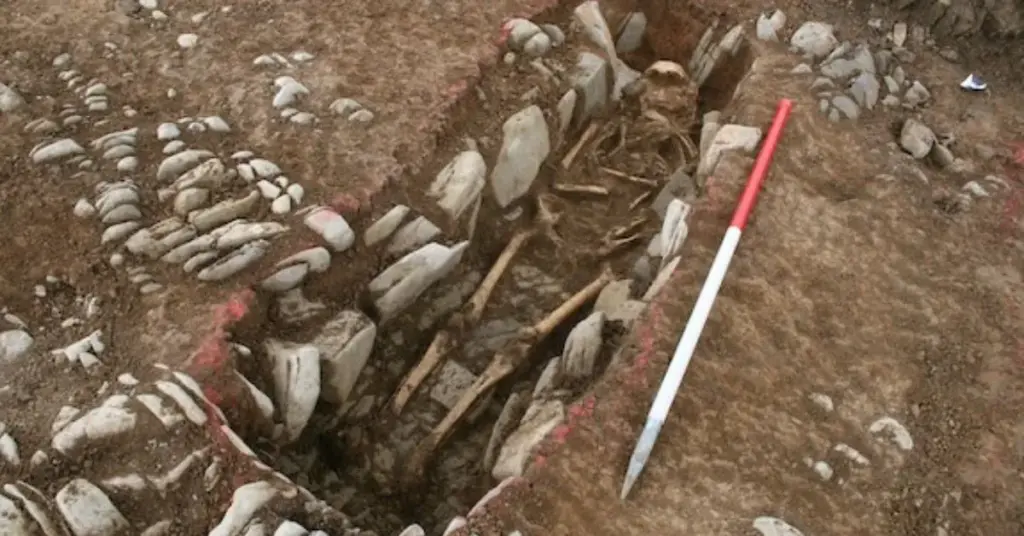
Recent medieval cemetery discoveries in Wales have revealed fascinating insights into the lives of women in medieval society. Excavation efforts at Fonmon Castle have uncovered a wealth of artifacts, including colored glass beads, alongside the remains of 58 women aged between the 6th and 7th centuries. These findings suggest that the cemetery was part of an early Christian burial site, likely tied to a religious community dedicated to female figures. Unique burial practices observed at the site complicate our understanding of societal norms, as some graves indicate multiple burials in close proximity. As archaeologists analyze these medieval artifacts, they are piecing together a narrative of wealth, spirituality, and community that adds depth to our understanding of this often overlooked period in history.
The excavation of a historic burial ground has unveiled a treasure trove of archaeological findings that cast light on women’s roles during medieval times. This site near the prestigious Fonmon Castle has yielded remnants of early Christian burial practices, revealing both domestic and decorative items associated with the deceased. The artifacts discovered, including intricate jewelry and personal belongings, provide a glimpse into the daily lives and status of those buried there. Furthermore, the potential presence of a small structure at the center of the site hints at communal rituals and gatherings. As researchers continue to examine this rich tapestry of medieval life, we are left to ponder the identities and stories of the individuals who once thrived in this vibrant community.
Amazing Discoveries at the Medieval Cemetery in Wales
The recent discoveries made at the medieval cemetery in Wales have sparked excitement within the archaeological community. Excavations have revealed an astonishing array of artifacts and human remains that provide insight into the lives of the women buried there. With 58 skeletons dating back to the 6th or 7th century, the findings challenge preconceived notions of medieval burial practices and what those practices reveal about gender roles in historical contexts.
Among the notable discoveries is a series of exquisite artifacts, including delicate colored glass beads, a copper brooch, and intricately carved items like a bone pin and an antler comb. These items suggest that the women once part of an elite community, possibly indicating their social and economic status. As archaeologists sift through these domestic and decorative items, they begin to piece together the lifestyle of the early female religious community, offering a unique glimpse into women’s roles within medieval society.
The Role of Women in Medieval Society Unveiled
The excavation at this medieval cemetery is shedding light on the often-overlooked roles of women in medieval society. With a majority of female skeletons uncovered, researchers are drawing parallels to the status women held, particularly in religious and domestic spheres. The presence of high-quality artifacts buried alongside these women indicates that they were not merely wives and mothers but possibly leaders or influential members of a spiritual community.
Additionally, the burial practices observed at this site highlight the different experiences women faced compared to their male counterparts. The grave sites suggest a nurturing and supportive burial tradition for women, potentially reflective of their revered status in this early religious context. Unearthing the stories of these women contributes significantly to the understanding of their roles and societal impacts during the medieval period.
Fonmon Castle Excavation: A Window into History
The ongoing excavation at Fonmon Castle has opened a captivating window into early medieval life. Each layer of soil and stone reveals remnants of the past, providing vital clues about the community that lived near this site. The castle’s location near Cardiff airport positions it as a significant uncovering in the region’s historical landscape, showcasing how artifacts from the burial site intertwine with the broader context of Welsh history.
As the team of archaeologists continues their research, they uncover not only burial practices but also insights into daily living and spirituality. The discovery of a potential structure, speculated to be a shrine or chapel, suggests that this site served a dual purpose: a sacred resting place for the dead and a center for a thriving religious community. The Fonmon Castle excavation is rapidly becoming one of the premier archaeological finds, intertwining local history with broader themes of early Christian practices.
Early Christian Burial Practices in Wales
The findings at the medieval cemetery raise interesting questions about early Christian burial practices in Wales. The careful placement of graves and the artifacts accompanying the skeletons indicate the possibility of a religious significance tied to these women. Archaeological experts, such as Dr. Seaman, are exploring whether these burials might exemplify early forms of Christian rituals, which still require extensive research to fully understand.
Moreover, the unusual aspects of some burials, such as the presence of two women found cast aside with their hands and feet bound, signals a complex interplay between faith, community norms, and societal punishment in early Christianity. Researchers hope to shed light on what these practices tell us about moral beliefs and the treatment of individuals within these early communities, which appear to have had strict codes of conduct.
Uncovering Medieval Artifacts: Insights into Daily Life
Medieval artifacts unearthed from the Fonmon Castle site provide rich insights into the daily lives of the community surrounding the cemetery. Items such as pottery, quern stones for grinding flour, and eating utensils highlight a domestic life that thrived alongside spiritual practices. Each artifact reveals the story of a vibrant community with established customs, reflecting both their culture and capabilities.
The diversity of found objects, including decorative items and elements for daily use, conveys a sense of daily living intertwined with spiritual beliefs. Artifacts like the brooch and glass beads suggest not only craftsmanship but also the possibilities for trade and cultural exchange. The rich collection found at this medieval cemetery illustrates a dynamic society where artifacts serve as poignant reminders of the complex lives led by its inhabitants.
Archaeological Findings: A Journey Through Time
The archaeological findings at the medieval cemetery in Wales represent a captivating journey through time, offering glimpses into an era not so well documented in history. Each artifact recovered, from decorative jewelry to everyday items, paints a broader picture of community life and norms in medieval society. The careful excavation process continues to yield revelations, contributing to a deeper understanding of how these early communities lived, worshiped, and conducted their social lives.
Moreover, these findings open a dialogue about the importance of continued archaeological work in understanding elusive historical narratives. As excavations press onward, the discoveries at Fonmon Castle challenge historical notions and call for further exploration of women’s roles and societal structure in medieval Wales. The richness of these findings fuels the excitement of historians and archaeologists alike, propelling interest in excavations of similar sites.
The Impact of Archaeology on Historical Narratives
The ongoing archaeological work at the medieval cemetery is crucial for reshaping historical narratives about the medieval period, particularly regarding the roles women played in society. With each skeletal find and artifact uncovered, researchers are actively rewriting the stories told about women, their religious significance, and their societal contributions. This excavation is not just about the past; it’s about reinterpreting history through the lens of modern understandings of gender and social structures.
In the realm of archaeology, the findings continuously challenge existing narratives, compelling experts to reconsider and reassess historical timelines and societal structures. By uncovering these women’s stories, the excavation at Fonmon Castle significantly contributes to broader discussions about medieval life, spirituality, and gender relations, thus allowing us to understand the complexities and intricacies of a society that shaped the contemporary world.
Continuing Research in Medieval Archaeology
The discoveries at the medieval cemetery signal a promising future for ongoing research in medieval archaeology, particularly as we delve deeper into early Welsh history. The excavation team is committed to unraveling the mysteries surrounding the cemetery and its inhabitants, providing opportunities for cross-disciplinary collaboration and knowledge sharing. With excavations set to continue into 2026, archaeologists are eager for what further insights may arise from the site.
The importance of continued study in this field cannot be overstated, as it serves not only to enrich our understanding of specific communities but also to piece together wider historical narratives of early Christianity and societal development. The medieval cemetery findings will serve as a critical reference point for future examinations of medieval life and burial practices, emphasizing the need for ongoing archaeological efforts in preserving and interpreting our historical heritage.
Exploring Community Life Near the Cemetery
An essential part of the discoveries made at the medieval cemetery includes understanding the community that surrounded it. The presence of various artifacts — from tools to domestic items — points to a vibrant, functioning society that lived in close proximity to the burial ground. Archaeologists believe that this community played a direct role in the burial practices observed, possibly reflecting their spiritual beliefs and cultural customs.
What intrigues researchers is the relationship between the cemetery and the everyday lives of its neighbors. Given the artifacts unearthed alongside the graves, it suggests that the living community maintained a strong connection to the dead, which raises thought-provoking questions about how life and death intertwined during that era. Ongoing research will focus on uncovering more about how daily practices and rituals informed communal interactions with the cemetery.
Frequently Asked Questions
What recent archaeological findings have been uncovered at the medieval cemetery in Wales?
Recent archaeological findings at the medieval cemetery in Wales, specifically in the grounds of Fonmon Castle, include the discovery of 58 skeletons primarily belonging to women, dating back to the 6th or 7th century. Artifacts like colored glass beads, copper brooches, decorated bone pins, and a quern stone were also unearthed, indicating a combination of burial practices and daily life.
How do the discoveries relate to women in medieval society?
The discoveries at the medieval cemetery suggest the presence of a female religious community in medieval society. With nearly all skeletons identified as women and the luxury items found among their graves, these findings may reveal new insights into the roles and status of women during this period.
What is the significance of the potential building found at the Fonmon Castle excavation site?
The potential building discovered at the Fonmon Castle excavation is significant as it may represent an early religious structure, possibly a shrine or chapel, indicating that the cemetery functioned as a communal site for burial and religious activities, with graves clustering around this central feature.
What types of medieval artifacts have been found at the cemetery in Wales?
Artifacts discovered at the medieval cemetery include exquisite colored glass beads, a gilded copper brooch, a decorated bone pin, and a carved antler comb. These medieval artifacts not only showcase the craftsmanship of the time but also offer insights into the cultural practices related to burial and daily life.
How does the medieval cemetery challenge previous notions of early Christian burial practices?
The medieval cemetery challenges previous notions of early Christian burial practices by suggesting that this site may reflect an understudied aspect of early Christianity, where communal and familial ties influenced burial locations and rites, as evidenced by multiple individuals being buried together in desired locations near a potential religious structure.
What insights do the bones and artifacts provide about the lives of the individuals buried at the Fonmon Castle cemetery?
The bones and artifacts found at the Fonmon Castle cemetery reveal that the individuals, predominantly women, lived hard lives yet were buried with objects indicating wealth and social standing. The presence of domestic items, such as pottery and quern stones, suggests a vibrant community life alongside the burial practices.
What questions remain unanswered regarding the medieval cemetery discoveries in Wales?
Several questions remain regarding the medieval cemetery discoveries, including the identities of the few male remains found, the relationships of the children buried with women, and the circumstances surrounding the unusual treatment of certain individuals, such as one found tied in a ditch, pointing to complex social dynamics and possible punitive measures.
Why is the ongoing excavation at the medieval cemetery significant for our understanding of early religious communities?
The ongoing excavation at the medieval cemetery is significant as it offers a unique opportunity to explore early religious communities in a formative period of history, enhancing our understanding of how early Christian sites were organized and functioned, particularly regarding gender roles and communal practices in medieval society.
| Aspect | Details |
|---|---|
| Location | Fonmon Castle, near Cardiff Airport |
| Timeline of Burials | 6th or 7th century |
| Number of Skeletons | 58 skeletons, predominantly women’s remains |
| Key Discoveries | Artifacts like glass beads, copper brooch, bone pin, and domestic items |
| Significance | Potential early female religious community, possible early Christian site |
| Excavation Duration | Four years, expected to continue until 2026 |
Summary
Medieval cemetery discoveries have significantly advanced our understanding of the potential early religious community in Wales. Recent excavations at Fonmon Castle have unveiled a rich site, revealing not only the remains of 58 women but also artifacts that suggest a life of both hardship and wealth. The findings, including decorative objects and indications of a communal living area, provide insights into social structures and practices of early medieval society. The mystery surrounding these burials raises intriguing questions about gender roles, societal values, and the religious beliefs prevalent during this formative historical period.