
Listen to this article
Measles is a highly contagious viral disease that poses a significant threat to public health, particularly among unvaccinated children. Recently, a disturbing measles outbreak in London has highlighted the urgent need for increased vaccination rates to protect against this potentially deadly illness. Understanding how measles spreads and recognizing its symptoms are vital for effective measles prevention, especially in areas experiencing an uptick in cases. With nine out of ten unvaccinated individuals likely to contract the virus upon exposure, protecting a child from measles has never been more critical. Vaccination not only safeguards individual health but also contributes to community immunity, helping to halt the spread of this dangerous virus.
The infectious disease known as measles, or rubeola, represents a serious health challenge, especially when vaccination efforts falter. Recently, there has been a surge in measles cases, drawing attention to how the virus can easily circulate within communities, particularly among those who are not immunized. Symptoms of measles include a high fever and distinctive rash, making early detection crucial in mitigating outbreaks. Addressing the rising concerns around the disease requires a concerted effort in educating families about the importance of safeguarding their children through vaccination. In a climate of skepticism surrounding vaccines, ensuring widespread immunization is essential for protecting vulnerable populations and preventing further spread.
Understanding Measles and Its Risks
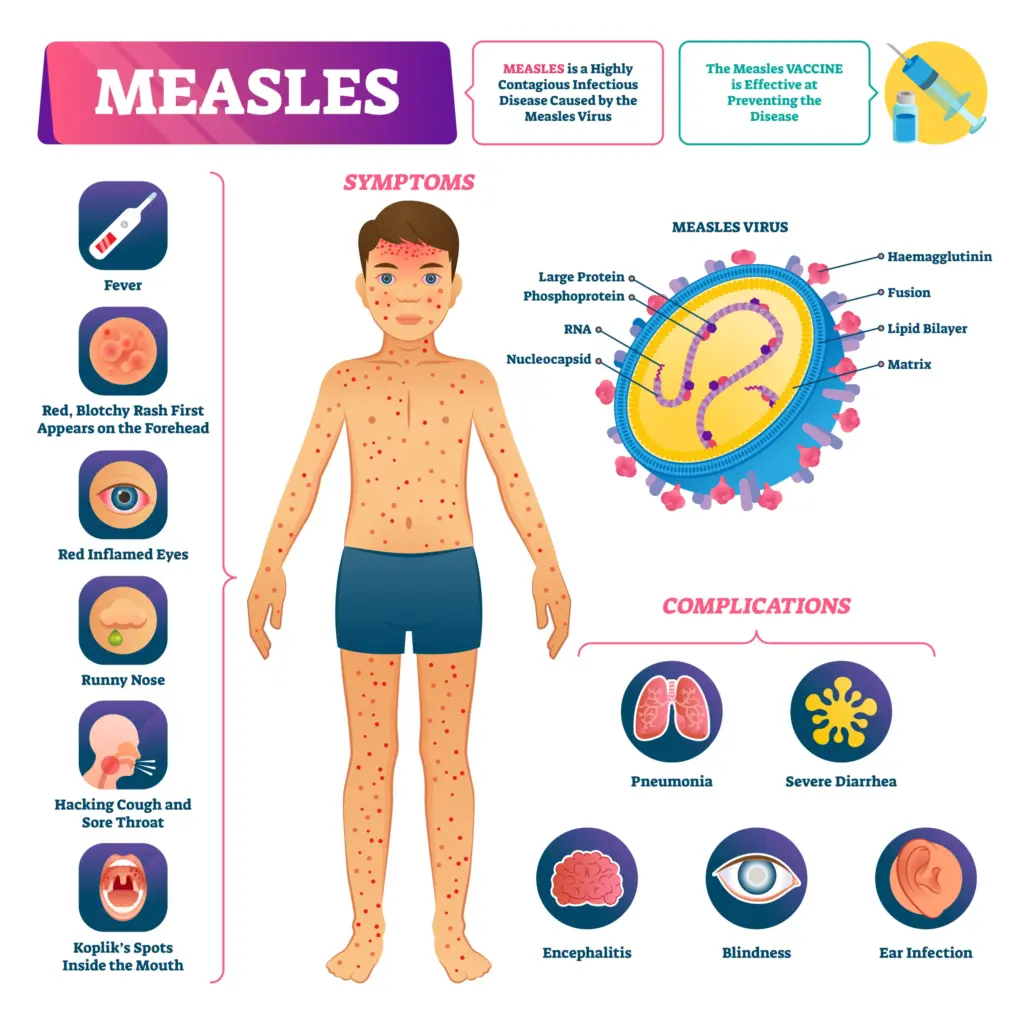
Measles is not just a childhood illness; it is a highly contagious viral infection that poses significant health risks, particularly for unvaccinated children. Characterized by a high fever, cough, runny nose, and distinctive rash, measles can lead to severe complications such as pneumonia and encephalitis. The World Health Organization (WHO) has reported that despite the availability of effective vaccines, the disease is resurging due to declining vaccination rates. This resurgence highlights the critical importance of understanding the implications of refusing the measles vaccine.
Moreover, the risks associated with measles extend beyond just the immediate health of the infected individual. Communities with low vaccination coverage are vulnerable to outbreaks, and the impact can be devastating. Babies, who are too young to be vaccinated, and individuals with compromised immune systems are at heightened risk. Additionally, pregnant women who contract measles may face severe pregnancy complications, such as miscarriage or low birth weight. Hence, protecting oneself and the community through vaccination is essential.
How Measles Spreads: Key Insights
Measles spreads primarily through respiratory droplets when an infected person coughs or sneezes. This makes it incredibly contagious; in fact, a single infected individual can infect up to 18 people who are not immune. The virus remains viable in the air or on surfaces for up to two hours, posing a real challenge for prevention, especially in crowded environments. Awareness of how measles spreads is crucial for implementing effective preventive measures.
Preventative strategies include ensuring good ventilation in crowded spaces and promoting hygienic practices such as frequent handwashing. Avoiding shared utensils and personal items can also significantly reduce the risk of transmission. It is vital for parents and caregivers to understand these modes of transmission to effectively minimize their children’s exposure, especially in light of recent outbreaks within unvaccinated populations.
Symptoms of Measles: What to Look For
Recognizing the symptoms of measles is key to timely intervention and preventing further spread of the virus. Initial symptoms often mimic those of a cold, including a high fever, cough, and runny nose, typically appearing 10 to 14 days after exposure. The classic rash, which usually follows these early symptoms, begins at the hairline and spreads downward. Additionally, small white spots known as Koplik spots may be visible inside the mouth.
Timely recognition of these symptoms can facilitate early medical advice and help in isolating the infected individual from others, especially those who are unvaccinated. Parents should be vigilant and consult healthcare providers immediately if they notice these signs, as early detection can significantly mitigate the risk of complications and further transmission.
Effective Measles Prevention Strategies
Preventing measles is best achieved through vaccination, which is responsible for the decline in measles cases and deaths worldwide. The MMR (measles, mumps, and rubella) vaccine is highly effective in preventing not only measles but also other dangerous diseases. For optimal protection, children should receive two doses of the vaccine, the first between 12 and 15 months and the second between 4 and 6 years of age.
In addition to vaccination, promoting community-wide awareness of herd immunity is critical. Health officials recommend a vaccination coverage of at least 95% to effectively prevent outbreaks. Pools of unvaccinated individuals create environments ripe for the spread of measles, underscoring the need for collective responsibility in immunization campaigns.
Protecting Your Child from Measles
Protecting your child from measles begins at home, with informed decisions about vaccinations. Parents should consult their pediatricians to ensure their child’s vaccination schedule aligns with health recommendations. If you are unsure about your child’s vaccination status or if the family has recently moved, it is vital to seek advice from local health authorities about upcoming vaccination clinics.
In addition to vaccinations, education plays a significant role in protecting children from measles. Parents should engage in conversations about the importance of vaccines and be attentive to health alerts about outbreaks in their area. Taking proactive steps to educate oneself and promote immunization can make a significant difference in safeguarding not only your child but also the wider community.
Current Measles Outbreaks and Their Impact
Information from health authorities highlights that recent measles outbreaks are rising, with London experiencing significant cases among unvaccinated children. These outbreaks are not isolated; they reflect a worrying trend internationally as countries that were once label-free from measles see a surge in infections. The socio-political environment post-COVID-19 has fostered vaccine skepticism, significantly increasing the vulnerability of children to diseases that were once under control.
Health experts repeatedly emphasize the need for increased vaccination efforts, particularly in urban areas where misinformation may deter families from vaccinating their children. Collaborative efforts from governments, health organizations, and community leaders are crucial in countering this trend and reigniting trust in vaccines as a primary means of preventing outbreaks. It is vital for community health to re-establish higher vaccination rates.
Awareness: Combating Measles Related Myths
Misinformation surrounding measles and vaccines often leads to confusion among parents, resulting in hesitancy to vaccinate their children. Various myths suggest that vaccines are unsafe or unnecessary, especially after the pandemic. To combat these myths, it is essential to disseminate accurate information through reliable health organizations, allowing parents to make informed choices.
Community outreach programs can play a significant role in educating families about the benefits of vaccination and the risks associated with measles. Parents should seek information from credible sources such as the Centers for Disease Control and Prevention (CDC) and the World Health Organization (WHO) rather than relying on anecdotal evidence or social media. The more informed the community is, the more equipped they will be to protect their children against measles and other vaccine-preventable diseases.
Revisiting Vaccination Protocols for Your Children
As measles outbreaks make the news, reassessing your child’s vaccination provisions becomes essential. Parents should proactively engage with healthcare providers to ensure that their children receive both doses of the measles vaccine, especially if they are nearing the ages when vaccinations are due. The MMR vaccine not only protects against measles but also against mumps and rubella, providing comprehensive coverage.
Furthermore, keeping vaccination records up to date aids in confirming your child’s immunization status during school registrations or community health checks. Awareness of local health advisories can also guide parents on the need for additional vaccinations or booster shots; ensuring each child is fully protected against measles and other preventable diseases respects their health and safety.
Global Efforts to Eliminate Measles
The global community has undertaken significant initiatives to combat measles through widespread vaccination campaigns. Organizations like WHO strive to eliminate measles worldwide, mobilizing resources to immunize children in high-risk areas. Despite setbacks in some countries due to decreasing vaccination rates, global cooperation continues to push for eradication.
Ongoing monitoring of measles cases allows for rapid responses to outbreaks as they occur. Programs educating about the importance of vaccines, particularly in developing countries where health infrastructure may be limited, are pivotal for reducing transmission rates. Strengthening healthcare systems worldwide can help maintain progress toward eliminating measles, ensuring future generations can enjoy the benefits of a measles-free environment.
Frequently Asked Questions
What are the common symptoms of measles?
Measles symptoms typically develop 10 to 14 days after exposure to the virus. Early signs include a runny nose, cough, red and watery eyes, and small white spots inside the cheeks. Around 7 to 18 days post-exposure, a prominent rash appears, starting on the face and spreading to the rest of the body. It can last up to a week before fading.
How does measles spread in communities?
Measles spreads easily in communities, particularly among unvaccinated individuals, when an infected person breathes, coughs, or sneezes. One infected person can transmit the virus to up to 18 others, and unvaccinated people have a 90% chance of contracting the virus if exposed. To reduce transmission, it’s essential to maintain high vaccination coverage.
What can I do to prevent a measles outbreak in my area?
To prevent a measles outbreak, focus on maintaining high vaccination rates within your community. The World Health Organization recommends achieving a 95% vaccination coverage to establish herd immunity. Encouraging friends and family to vaccinate their children against measles is crucial in thwarting potential outbreaks.
How can I protect my child from measles?
To protect your child from measles, ensure they receive two doses of the measles vaccine, typically given at 12 months and again at 18 months. The MMR and MMRV vaccines provide effective protection against measles, mumps, and rubella. Monitoring vaccination schedules and staying informed about local outbreaks also helps keep your child safe.
What should I do if I suspect my child has measles symptoms?
If you suspect your child has measles symptoms, such as fever, rash, or respiratory issues, contact your healthcare provider immediately. It’s crucial to isolate the child from others to prevent further spread and follow your healthcare provider’s guidance on testing and management.
Are measles complications serious?
Yes, measles complications can be very serious. While many recover without issues, some may experience severe complications such as pneumonia, encephalitis, and even death. Babies and individuals with weakened immune systems are particularly at risk, underscoring the importance of vaccination to prevent these severe outcomes.
Why are we seeing an increase in measles cases globally?
The increase in measles cases globally is largely due to declining vaccination rates, fueled by vaccine hesitancy and misinformation, particularly after the COVID-19 pandemic. Countries like the UK have lost their measles-free status, indicating the need for renewed efforts to increase vaccine uptake and community awareness.
What are the long-term effects of measles infection?
Long-term effects of measles infection can include severe complications such as permanent disability caused by encephalitis, and in rare cases, measles can lead to death. Additionally, there can be risks for pregnant individuals, including miscarriage or premature birth.
| Key Point | Details |
|---|---|
| Current Outbreak | Measles outbreak among unvaccinated children in London. |
| Definition of Measles | Highly contagious viral illness that presents with cold-like symptoms followed by a characteristic rash. |
| Transmission | Spreads via respiratory droplets; contagious from 4 days prior to rash to 4 days after rash appears. |
| Risks of Measles | Complications can include pneumonia, encephalitis, miscarriage, and death, often affecting unvaccinated children. |
| Rising Cases | Increase attributed to vaccine skepticism; several countries lost their measles-free status. |
| Prevention | Community vaccination is essential to achieve herd immunity; recommended coverage is 95%. |
| Vaccination | MMR and MMRV vaccines are effective in providing protection against measles. |
| Symptoms to Monitor | Symptoms emerge 10-14 days post-exposure; includes rash, runny nose, cough, and spots in the mouth. |
Summary
Measles is a serious and highly contagious viral infection that can devastate communities if vaccination rates fall. As seen in recent outbreaks, unvaccinated children are particularly at risk, highlighting the urgent need for widespread vaccination to protect public health. It is crucial for parents to ensure their children receive the recommended doses of the measles vaccine to help curb this preventable disease.