Listen to this article
The recent UK State Pension changes have raised crucial questions for individuals approaching retirement. Understanding these modifications is vital as they can materially impact your financial landscape post-retirement. These changes affect how pension benefits are calculated, the state pension age, and the requirements surrounding National Insurance contributions. With the introduction of the new state pension, individuals must be proactive in retirement planning to ensure they maximize their entitlements. Staying informed about these shifts is key to securing a comfortable future.
Navigating the landscape of recent alterations to the UK pension scheme is increasingly important for future retirees. The adjustments not only redefine how pension funds are calculated but also influence the criteria for accessing these critical retirement benefits. Known broadly as pension reforms, these modifications necessitate a thorough understanding of your contributions through National Insurance. Awareness of the fluctuating retirement age is essential for effective retirement strategies, allowing individuals to plan financially for their later years. Understanding all aspects of this pension framework will empower you to optimize your retirement income.
Navigating New UK State Pension Changes
The recent adjustment in the UK State Pension landscape has brought forth a host of changes that are essential for potential retirees to navigate wisely. The modifications primarily focus on how National Insurance contributions are calculated, along with alterations to the state pension age. With the state pension now increasingly linked to individual contributions, it is vital for individuals nearing retirement to grasp what these changes mean for their financial future. Staying informed will help ensure that you don’t miss out on benefits you may rightfully claim based on your contribution history.
Moreover, understanding the implications of these changes also includes awareness of the full new state pension amount, which stands at £179.60 weekly as of 2023. Recognising how various factors, including your employment history and National Insurance contributions, impact this figure is crucial. Those with gaps in their contributions might face lower pensions, making it all the more critical to address this before reaching state pension age.
Understanding the Types of State Pension
The UK operates two types of state pension: the Basic State Pension and the New State Pension. The Basic State Pension caters to individuals who’ve reached state pension age before the 6th of April, 2016, and fundamentally relies on the number of qualifying National Insurance contributions made during one’s working life. Meanwhile, the New State Pension is designed for those whose state pension age falls on or after April 6, 2016. This system simplifies the state pension structure and provides fairer benefits based on contributions.
Understanding these two types is essential for effective retirement planning. Proper knowledge of which pension you qualify for can influence how you approach saving funds and making supplementary contributions. For instance, if you slip into the New State Pension category, being aware of how the amount is calculated based solely on your own contributions can prompt you to fill any gaps to secure the highest possible pension.
Gaps in National Insurance Contributions and Their Impact
Gaps in your National Insurance contributions can significantly impact the amount you receive from the state pension. To qualify for the full New State Pension, you need at least 35 qualifying years of contributions. If you find that you have less than this due to periods of self-employment, unemployment, or other factors, it’s imperative to consider making voluntary contributions or filling these gaps. The government allows contributions to be made up for gaps spanning up to six years.
Addressing these gaps is not just about maximising immediate pension income, but it can also enhance other benefits linked to your National Insurance record such as your ability to claim certain state benefits in the future. Ongoing assessments of your contributions can aid in shaping a more secure retirement plan.
The Importance of Deferred Claims for State Pension
Deferring your state pension may be a strategic move if you’re in good health and able to afford to wait. For every year you delay your claim beyond the state pension age, the amount you receive weekly can increase significantly. In fact, the incentive for deferral may often yield a higher financial reward than claiming earlier. It’s a vital choice that can dramatically shape your long-term retirement finances.
Moreover, waiting to claim your state pension allows you to explore other financial avenues, such as drawing down on personal or occupational pensions. Understanding the full scope of how pension deferral works, including the potential benefits of delayed payments can further optimise your retirement income, ensuring you have a more comfortable financial future.
Setting Up Personal and Occupational Pensions
In addition to relying solely on the state pension, exploring personal and occupational pensions can significantly boost your retirement income. Personal pensions allow for flexible contributions and can be tailored to your financial situation, making them ideal for self-employed individuals or those wanting to enhance their state pension. Additionally, contributions to personal pensions often come with tax benefits, making these options attractive for building your retirement fund.
Occupational pensions, on the other hand, are usually employer-driven schemes where both the employee and employer contribute. Understanding how these accruals work can significantly add to your retirement savings, enriching your overall financial portfolio. Engaging with your employer regarding their pension scheme can reveal opportunities for enhanced pension benefits.
Staying Updated with Policy Changes
The pension system in the UK is subject to frequent changes by the government, making it imperative to stay updated with the latest policy announcements and adjustments. Regularly checking the government’s official pension website or trusted financial news sources allows you to stay informed about potential changes in state pension age, eligibility, contribution requirements, and payment rates. Armed with this knowledge, you can adjust your retirement planning accordingly.
Moreover, proactively seeking out information on policy changes can empower you to make wise financial decisions, whether it involves adjusting your saving strategy or exploring new pension options. Being reactive to these changes not only helps you prepare adequately but also enhances your ability to make the most of available pension benefits, resulting in a more secure retirement.
Frequently Asked Questions
What are the recent changes to the UK State Pension age?
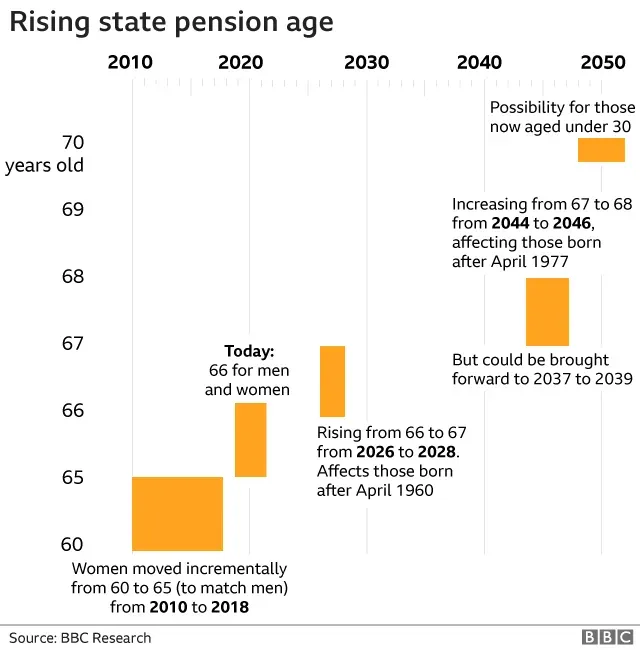
Recent changes to the UK State Pension age include gradual increases as life expectancy rises. Currently, the state pension age is 66, but it’s slated to increase further in the coming years. It’s important to verify your specific state pension age to plan your retirement effectively.
How does the new state pension differ from the basic state pension?
The new state pension, for those reaching pension age post-April 6, 2016, is designed for simplicity and fairness based on National Insurance contributions, unlike the basic state pension. This change ensures recipients receive a pension reflective of their contribution history, without prior earnings-related benefits.
How can I check my National Insurance contributions for my UK state pension?
You can check your National Insurance contributions online on the official government website. This will inform you how many qualifying years you have, and highlight any gaps that could affect your state pension amount.
What are the implications of gaps in National Insurance contributions on my state pension?
Gaps in National Insurance contributions can significantly reduce your UK state pension amount, especially under the new state pension scheme. It is advisable to address these gaps, possibly by making back payments, to maximize your benefits upon retirement.
What is the maximum amount of the new state pension I can receive?
As of 2023, the maximum amount for the new state pension is £179.60 per week. However, your actual amount depends on your National Insurance contribution history and any gaps in it.
What strategies can I employ to maximize my UK state pension benefits?
To maximize your UK state pension benefits, check your National Insurance record, fill any contribution gaps, consider deferring your claim for a higher weekly amount, and stay updated on any policy changes that may affect your pension.
| Aspect | Details |
|---|---|
| Types of State Pension | 1. Basic State Pension: For those reaching pension age before April 6, 2016, needing 30 qualifying years. 2. New State Pension: For those reaching pension age on or after April 6, 2016, simplified and fairer based on contributions. |
| Key Changes | 1. Increase in State Pension Age: Gradually rising due to increased life expectancy. 2. Changes in Calculation Methods: New pension is based solely on contribution record, affecting eligibility. 3. Adjustment in Amounts: Full amount of new state pension is £179.60 per week (as of 2023), varies with contributions. |
| Maximizing Benefits | 1. Check National Insurance Record: To identify gaps. 2. Fill Gaps: Make back payments if eligible. 3. Consider Delaying Claim: Increases future pension payments. 4. Stay Updated: Monitor policy changes. 5. Seek Financial Advice: For tailored strategies. |
| Additional Options | 1. Personal Pensions: Tax-efficient contributions for self-employed. 2. Occupational Pensions: Employer-contributed schemes can enhance retirement funds. 3. Investments/Savings: Look into various accounts to build greater retirement funds. |
Summary
UK State Pension changes are critical for anyone approaching retirement, as they impact how much you can claim and when you can take your pension. Grasping these changes ensures you make informed decisions that maximize your benefits. By actively checking your National Insurance contributions, being aware of changing regulations, and exploring additional savings like personal and occupational pensions, you pave the way for a secure financial future. Proactive approaches, such as delaying claims or seeking financial advice, can significantly enhance your retirement income. In this evolving landscape, staying informed and planning effectively is key to achieving a comfortable retirement.