Listen to this article
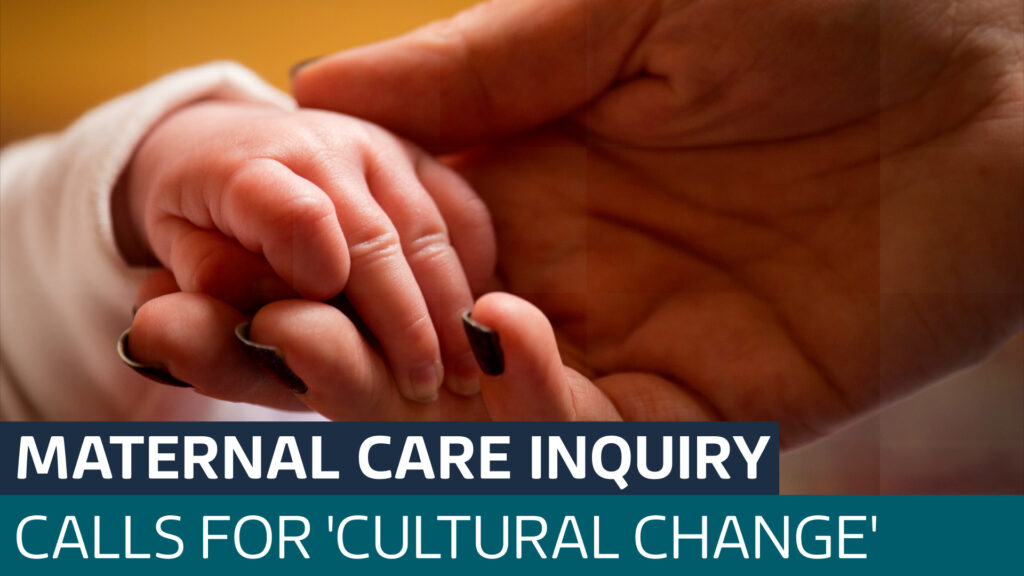
The ongoing maternity care inquiry into Leeds Teaching Hospitals NHS Trust has garnered significant attention, particularly after Health Secretary Wes Streeting’s acknowledgment of the serious concerns raised by bereaved families. With at least 56 baby deaths in the last five years potentially linked to preventable factors, families are urgently seeking clarity and accountability. Streeting has publicly emphasized the necessity of a thorough investigation to restore trust in the NHS after a BBC report shed light on these tragic cases. As the inquiry unfolds, families are calling for decisive leadership, including the appointment of senior midwife Donna Ockenden, to ensure a comprehensive review of these heartbreaking incidents. The strong advocacy from those affected reflects a deep desire for change and transparency within maternity services across Leeds and beyond.
The investigation of maternity services within Leeds is not just a matter of protocol, but a crucial step for families affected by the devastating loss of their infants. This thorough examination, spearheaded by the NHS and influenced by figures like Wes Streeting, is essential for addressing the gaps and failures that have emerged in the healthcare system. The voices of bereaved families highlight the urgent need for a structured approach to understanding these occurrences, ensuring that such heart-wrenching tragedies are not repeated. Moreover, the push for skilled leadership, such as that offered by Donna Ockenden, could significantly improve the reliability of the forthcoming review. By fostering an environment of trust and accountability, the maternity care inquiry aims to provide the answers families deserve, paving the way for safer birthing practices in the future.
Importance of Maternity Care Inquiry in Leeds
The ongoing inquiry into maternity care at Leeds Teaching Hospitals NHS Trust is critical due to alarming reports about preventable baby deaths. With recent statistics revealing that at least 56 infants may have lost their lives due to potential oversights in care, it is imperative that this inquiry gains the urgency it warrants. Families have waited too long for accountability and answers regarding the safety and quality of maternity services they rely on during such a vulnerable time in their lives.
Health Secretary Wes Streeting’s commitment to addressing the hurt and fears of bereaved families demonstrates the government’s acknowledgment of past failures in maternity care. The inquiry’s importance goes beyond just investigating past incidents; it serves as a catalyst for change, aiming to rebuild trust between families and the healthcare system. Ensuring thorough scrutiny into Leeds maternity services will not only help in understanding what went wrong but also in fostering more robust practices across NHS Trusts, thus preventing future tragedies.
Reactions from Bereaved Families
Bereaved families have been vocal about their concerns regarding the inquiry process and the perceived lack of urgency from health authorities. Their anguish is palpable as they navigate the aftermath of unimaginable loss, seeking answers and accountability for their babies’ deaths. The emotional weight of their experience has led them to actively engage with government officials; they are determined to see justice served for their children. Many families have called for specific leaders, like senior midwife Donna Ockenden, to oversee the inquiry, believing that her experience from the Nottingham maternity services investigation could bring the necessary rigor to the Leeds case.
Families have expressed that while the Secretary of State often articulates supportive words during meetings, these reassurances have not been translated into actionable outcomes. Their expectations include a transparent, accountable investigation that reflects their needs and concerns. As they push for change, the strength and dignity shown by these families highlight not just their desire for answers, but also their need for a healthcare system that prioritizes the safety and well-being of mothers and babies. The emotional advocacy from bereaved families is critical in driving the inquiry’s momentum and ensuring that lessons are learned to protect future generations.
Challenge of Rebuilding Trust in NHS Maternity Services
Rebuilding trust in the NHS maternity services, particularly within Leeds Teaching Hospitals NHS Trust, has become an integral focal point in the discourse surrounding maternal healthcare reform. Given the reports of alarming baby deaths, families and advocates are understandably frustrated with the lack of prompt action in appointing a lead for the inquiry. Trust in healthcare providers is crucial, especially for expectant parents, and the perceived delays in addressing critical issues only deepen existing wounds among those who have suffered loss.
Health Secretary Wes Streeting’s promise to collaborate with bereaved families is a step towards rebuilding that trust. However, for many, the proof will be in the execution of the inquiry. Transparency, assertiveness in management, and a commitment to learning from past mistakes are essential elements that must accompany the investigation into maternity care. Without significant efforts to reassure families that their voices are heard and valued, skepticism towards the NHS may linger, posing a risk to the standard of care offered to pregnant women and new mothers.
The Role of Leadership in NHS Trust Inquiry
Leadership plays a pivotal role in the effectiveness of the NHS maternity care inquiry, particularly in the Leeds case. With calls for trusted figures like Donna Ockenden to lead the investigation, it’s clear that families seek a credible and experienced leader who understands the intricacies and sensitivities involved in maternity care. Effective leadership not only ensures the integrity of the inquiry but also fosters an environment where bereaved families feel their concerns are prioritized and addressed.
Moreover, a competent leader can galvanize comprehensive scrutiny into the systemic issues that have led to failures in care. The focus must be on identifying shortcomings in the maternity services and implementing actionable recommendations to avert similar tragedies in the future. Leadership that prioritizes empathy alongside accountability can create a path toward systemic improvements, ensuring that families receive the high standard of care they expect and deserve during one of the most critical times in their lives.
Addressing Delays in the Inquiry Process
The ongoing delays in the inquiry into Leeds maternity services have raised significant concerns among bereaved families and the public. With the Health Secretary acknowledging the issues yet failing to appoint a lead for the investigation, anxiety continues to grow regarding the timely resolution of these crucial complaints. Families who have already endured devastating losses find it unacceptable to experience further delays in understanding the truth about their loved ones’ deaths.
Addressing these delays is essential not only for the grieving families who desperately seek answers but also for restoring faith in the NHS as a whole. Speeding up the inquiry process would not just bring closure to those affected, but it would simultaneously allow for necessary changes to the healthcare system to be implemented sooner. The urgency behind this inquiry cannot be overstated, as it has the potential to save lives and improve maternity care standards across NHS Trusts.
Impact of Recent Findings on Baby Deaths
The recent findings that at least 56 baby deaths could have been preventable underscores a critical failure within the healthcare system, particularly regarding maternity services at Leeds NHS Trust. Such statistics are startling and have served as a wake-up call for families, healthcare providers, and government officials alike. Each case represents a tragic loss of potential and emphasizes the need for immediate action and reform in maternity care practices.
These findings not only amplify the urgency for the inquiry, but they also spotlight a systemic issue that demands attention. As investigations unfold, the focus must be on learning from these heartbreaking cases to ensure that future expectant parents receive better care. The inquiry should not only aim to dissect the failures that led to these avoidable tragedies, but it should also strive to implement robust policies that reinforce safety and quality in maternity care, setting a precedent for other NHS Trusts to follow.
The Importance of Independent Investigations
Independent investigations into healthcare practices, such as the ongoing inquiry into Leeds maternity services, are vital for ensuring accountability and fostering trust in the system. Families affected by baby deaths need to know that the inquiry will not only be thorough but also free from any conflicts of interest that might compromise its integrity. Independent oversight ensures that findings are impartial, which is critical for achieving justice and transparency in cases involving bereaved families.
Moreover, empowering independent investigators can lead to uncovering patterns and systemic failures that internal reviews might overlook. This broader perspective is essential not just for addressing specific cases of negligence but for implementing widespread changes that enhance the safety and efficacy of maternity care as a whole. When families see that their concerns are taken seriously by an unbiased entity, it can help rebuild confidence in the healthcare system.
Call for Government Action in Maternity Services
The ongoing crisis in maternity care, particularly highlighted by the Leeds investigation, has prompted a renewed call for government action. Families have expressed their frustration over the slow response from the Department of Health and are advocating for immediate reforms to ensure that similar tragedies do not occur in the future. With Health Secretary Wes Streeting under pressure, it is clear that the public demands accountability and swift actions from their leaders.
The government must prioritize enhancements to maternity services by providing necessary resources, staffing, and training to NHS Trusts. Additionally, establishing better reporting systems for families to voice their concerns can play a significant role in preventing future issues. By committing to substantial policy changes and addressing the systemic failures highlighted in the Leeds inquiry, the government can demonstrate its dedication to protecting the health and well-being of mothers and babies across the country.
Future of Maternity Care in the NHS
The future of maternity care in the NHS is contingent upon the outcomes of critical inquiries like the one into Leeds maternity services. Stakeholders must capitalize on this moment to advocate for comprehensive reforms that strengthen care processes and enhance patient safety. Lessons learned from past failures must shape a more responsive and accountable healthcare system and redefine the standards of care for all families navigating pregnancy and childbirth.
Moreover, the involvement of bereaved families in shaping the future of maternity services is pivotal. Their experiences can inform best practices and inspire initiatives that prioritize maternal and infant health. The inquiry must reflect a commitment to continuous improvement, ensuring that no family has to endure the pain of losing a child due to systemic failures. Only by engaging families and learning from past mistakes can the NHS truly transform its approach to maternity care.
Frequently Asked Questions
What is the current status of the Leeds maternity services inquiry led by Wes Streeting?
As of now, the inquiry into Leeds Teaching Hospitals NHS Trust maternity services has been announced, but a chair has not yet been appointed to lead it. Health Secretary Wes Streeting takes concerns of bereaved families seriously and has pledged to restore trust in the process.
How are bereaved families involved in the inquiry into baby deaths in Leeds maternity services?
Bereaved families are encouraged to participate actively in the inquiry into Leeds maternity services. Health Secretary Wes Streeting is expected to meet with affected families to discuss their experiences and ensure that their voices are included in the investigation.
Why are families calling for Donna Ockenden to lead the Leeds NHS Trust inquiry?
Families are advocating for the appointment of senior midwife Donna Ockenden to lead the inquiry into Leeds NHS Trust due to her expertise and experience overseeing similar investigations. They believe her leadership would enhance the credibility and thoroughness of the inquiry.
What concerns have been raised regarding the inquiry into maternity care in Leeds?
Concerns about the inquiry into Leeds maternity services primarily center around delays in its initiation and the methodology proposed for the investigation. Families have expressed the need for a comprehensive and independent inquiry to address the serious issues around baby deaths.
How can families ensure their voices are heard during the Leeds maternity inquiry?
Families seeking to ensure their voices are heard during the Leeds maternity inquiry should actively engage with the process, attend meetings with officials like Secretary of State Wes Streeting, and express their expectations and concerns regarding the investigation into the maternity services.
What prompted the NHS Trust inquiry into maternity care in Leeds?
The NHS Trust inquiry into maternity care in Leeds was prompted by a BBC report revealing that at least 56 baby deaths potentially resulted from preventable causes over the past five years, leading to significant public concern and demands for accountability.
What commitment has Wes Streeting made regarding the Leeds maternity services inquiry?
Wes Streeting has committed to ensuring that the Leeds maternity services inquiry is comprehensive and independent, emphasizing the need to place bereaved families at the heart of the investigation to seek the truth about the circumstances surrounding baby deaths.
| Key Point | Details |
|---|---|
| Addressing Trust Issues | Health Secretary Wes Streeting acknowledges that trust regarding the maternity care inquiry has been damaged. |
| Investigation Background | An inquiry into Leeds Teaching Hospitals NHS Trust was announced after reports revealed preventable deaths of at least 56 babies. |
| Lack of Leadership | No one has been appointed to lead the inquiry, leading families to seek involvement from Prime Minister Sir Keir Starmer. |
| Meeting with Families | Streeting committed to working with bereaved families to regain their trust before an upcoming meeting. |
| Call for Experienced Leadership | Families are urging the appointment of senior midwife Donna Ockenden to lead the investigation. |
| Families’ Concerns | Concerns have been raised about delays and methodologies proposed for the inquiry. |
| Personal Impact Stories | Families have shared personal stories of loss, emphasizing the grave implications of failures in maternity care. |
Summary
The ongoing maternity care inquiry highlights serious issues within the Leeds NHS Trust and the urgent need to restore families’ trust in the healthcare system. As Health Secretary Wes Streeting prepares to engage with bereaved families, it is clear that addressing the concerns arising from preventable infant deaths is paramount. Families demand a rigorous and transparent inquiry led by experienced professionals like Donna Ockenden to ensure that lessons are learned and such tragedies do not recur.