
Listen to this article
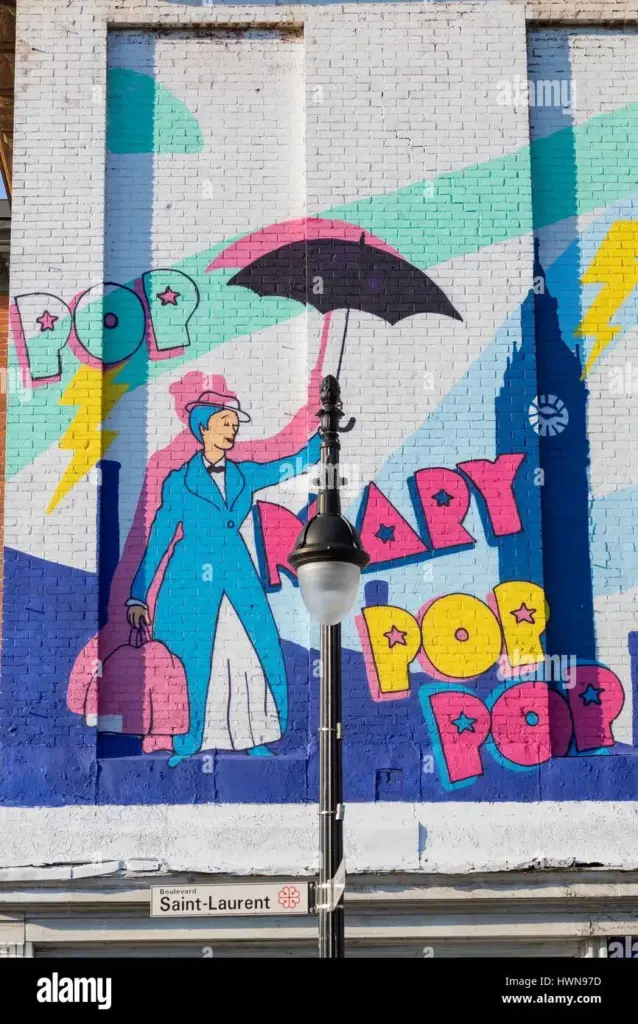
The Mary Poppins mural, a vibrant tribute on a home in Earl’s Court, has become a beloved symbol of hope amid recent controversies. Following a dispute with the Kensington and Chelsea Council, which had ordered the mural’s removal due to claims of “demonstrable harm” to the local conservation area, the artwork can now stay. Patrick Spens, the mural’s creator, commissioned this enchanting piece after witnessing the pandemic’s devastating impact. Its imagery of Mary Poppins soaring with an umbrella and a heart-shaped backdrop encapsulates joy in challenging times. Local reactions have varied, but ultimately, the decision to keep the mural underscores a growing conversation about street art, planning regulations, and its place within conservation areas.
The vibrant mural depicting the beloved character from a classic children’s film has stirred significant public interest and debate in Earl’s Court. Often highlighted in discussions regarding artistic expression in urban settings, the artwork has sparked talks around street art and the local planning framework established by the council. As residents call for a more inclusive approach to public art, the implications of the Earl’s Court mural controversy resonate widely, reflecting diverse opinions on the intersection of creativity and community standards. This situation illustrates the evolving landscape of urban aesthetics, as councils navigate the balance between heritage preservation and contemporary artistic endeavors. The dynamic between public sentiment and regulatory measures presents compelling insights into modern city life.
The Significance of the Mary Poppins Mural in Earl’s Court
The Mary Poppins mural in Earl’s Court has emerged as a poignant symbol of hope amid the challenges faced during the pandemic. Commissioned by Patrick Spens, the artwork is not just a vibrant reflection of the beloved character but also serves as a reminder of resilience in difficult times. It illustrates the spirit of creativity and positivity that can thrive in urban environments, even when faced with regulations and constraints. The mural’s imagery, featuring Mary Poppins soaring through the air, captures the imagination of passersby, inviting them to pause and reflect on the joys life has to offer, despite adversity.
However, the mural’s placement raised significant concerns among local authorities, leading to a controversy that put it at the center of a legal dispute. The Kensington and Chelsea Council initially viewed the mural’s existence as a violation of street art planning regulations, arguing that it potentially harmed the local conservation area’s aesthetic integrity. As public reaction surged, the community’s mixed responses highlighted the mural’s impact, sparking discussions about the balance between artistic expression and regulatory compliance.
The Earl’s Court Mural Controversy: Community Response and Planning Regulations
The Earl’s Court mural controversy serves as a case study in the challenges faced by street art within the context of strict planning regulations. After the council’s warning to remove the mural, many local residents rallied in support of the artwork, expressing their belief in its value to the community. This public reaction underscores the evolving landscape of street art, where murals can become celebrated landmarks or points of contention depending on community sentiment and regulatory frameworks. In this instance, the mural not only sparked debate over aesthetic value but also prompted deeper inquiries into the role of art in public spaces.
The ensuing conflict highlighted the complexities of local governance and the challenges artists face in navigating these regulations. Critics of the council’s decision pointed out that the enforcement of street art planning regulations could stifle artistic innovation and community expression. As the planning inspector ultimately sided with Spens, acknowledging the mural’s compliance with regulations, it became clear that public perceptions and community values play substantial roles in shaping local arts policies. Street art, particularly in conservation areas, raises critical discussions about preservation, expression, and the need for balanced oversight.
Planning Inspector’s Ruling and the Future of Public Murals
The ruling by planning inspector Grahame J Kean not only saved the Mary Poppins mural but also underscored the importance of maintaining a visually harmonious streetscape. His opinion reaffirmed that the mural did not detract from the traditional features of the Earl’s Court area, and its limited visibility meant it could coexist with the neighborhood’s character. This decision signals a potential shift in how planning regulations are interpreted, especially regarding murals that serve community interests rather than detract from them. It also opens up avenues for more dialogues between artists, councils, and the public in similar situations.
Looking forward, the resolution of this controversy could inspire further public art initiatives throughout Kensington and Chelsea, fostering an environment where creativity and regulations can coexist. As local authorities reassess their approach to street art planning regulations, artists may find encouragement to create pieces that resonate with their communities while remaining within legal frameworks. This outcome ultimately reflects a growing recognition of public art’s ability to enrich urban spaces and foster community identity, paving the way for a more open discourse on the value of murals and artistic installations in conservation areas.
Understanding Public Sentiment Towards Street Art
Public sentiment plays a crucial role in the discussion surrounding street art and murals. In the case of the Mary Poppins mural, community support ultimately swayed the decision of the planning inspector to allow the mural to remain. This scenario encapsulates how public reaction can significantly influence local decision-making processes, illustrating the potential power of community voices in arts advocacy. The emotional connection many residents have to such artworks often surpasses technical assessments about permissibility, showcasing the mural as an emblem of hope that resonates deeply with the local populace.
Moreover, examining the public’s response sheds light on the broader cultural landscape concerning murals and street art. Many people view street art as an essential component of urban identity, providing a canvas for storytelling and community values. These artworks often spark fervent discussions about heritage, creativity, and the right to public expression. As debates surrounding murals increase, they may lead to more inclusive policies that appreciate the nuances of artistic contributions while still addressing conservation concerns.
The Role of Local Councils in Governing Street Art
Local councils play a transformative role in shaping the environment for street art through their planning regulations and enforcement actions. In the Earl’s Court case, the Kensington and Chelsea Council initially aimed to uphold conservation standards, reflecting the tension that can exist between protecting historical areas and embracing modern artistic expressions. Their approach raises vital questions about the extent of control councils should exert over public art and whether current regulations adequately accommodate the dynamic nature of urban creativity.
As local councils navigate the complexities of street art regulations, ongoing dialogues with artists and community members become imperative. By establishing frameworks that consider both the aesthetic and cultural significance of public art, councils can foster a more harmonious relationship between urban planning and artistic expression. This collaborative approach not only nurtures creativity but can also bolster community engagement, ensuring that artistic endeavors like the Mary Poppins mural are embraced as positive contributors to the local landscape.
Art in Conservation Areas: Balancing Tradition and Innovation
The presence of art in conservation areas presents unique challenges that require a careful balancing of tradition and innovation. The Mary Poppins mural’s situation exemplifies this tension; while the council initially deemed it a violation of local aesthetics, the eventual approval by a planning inspector highlights a shift towards accommodating contemporary artistry within historical contexts. This outcome suggests that conservation policies may benefit from adaptive revisions that consider the evolving nature of art as a vital part of community identity.
Moreover, the dialogue surrounding the Mary Poppins mural opens the door to reevaluating historical preservation efforts within urban landscapes. It suggests a movement towards a broader understanding of what constitutes aesthetic value in these areas. Many modern councils are recognizing that art can coexist with historical features, enhancing such neighborhoods’ appeal while preserving their legacy. By embracing this dynamic, localities can cultivate enriched, vibrant environments that reflect both their heritage and the voices of contemporary artists.
Community Engagement and Advocacy for Public Art Projects
Community engagement emerges as a crucial element in advocating for public art projects like the Mary Poppins mural. The passionate responses from local residents advocating for the mural’s retention illustrate the importance of grassroots efforts in influencing public policy regarding street art. Engaging with community members and integrating their feedback can empower artists and help shape projects that resonate thoughtfully with the locality, leading to stronger bonds among residents.
Furthermore, successful advocacy can inspire similar initiatives in other parts of the city, encouraging a vibrant public art culture. Local councils that actively listen to their constituents may find it beneficial not only to approve creative projects but also to promote artistic expressions at their core. Encouraging dialogue and interaction between artists and the community paves the way for future murals and installations that reflect collective hopes, dreams, and shared experiences, ultimately enriching urban life.
The Impact of Public Art on Urban Identity and Well-Being
Public art, such as the Mary Poppins mural, plays a vital role in shaping urban identity and community well-being. By transforming ordinary spaces into avenues of inspiration, murals foster a sense of belonging among residents and visitors alike. Artworks like this one invite interaction, provoke thought, and provide a canvas for collective memory, essentially serving as unifying symbols within the urban fabric. The emotional resonance of such pieces underscores art’s capacity to uplift and regenerate local spirits, particularly in times of societal hardship.
Moreover, the presence of vibrant public art can enhance mental well-being, invigorating streetscapes, and encouraging social engagement. Studies have shown that art can reduce stress and promote happiness among urban populations. The ongoing popularity of community-supported murals elevates the visibility of cultural expressions while encouraging people to appreciate their surroundings. As cities strive to become more inclusive and mindful of their residents’ well-being, public art is essential to revitalizing spaces and creating environments that foster joy and resilience.
Lessons Learned from the Earl’s Court Mural Case
The Earl’s Court mural case serves as a significant lesson for all stakeholders involved in public art – from artists to local councils and community activists. As the controversy unfolded, it became evident that open communication and a willingness to collaborate are essential for navigating complex regulations surrounding public artwork. The council’s initial stance has prompted discussions on how best to balance preservation concerns with the need for innovative artistic expression. This case exemplifies the necessity for ongoing dialogues that consider community values and artistic intent.
Additionally, this situation highlights the vital role of public opinion in shaping policy and the outcomes of street art projects. The enthusiastic support for the Mary Poppins mural indicates that public art can serve as a bridge, bringing people together around shared cultural symbols. As municipalities reflect on the implications of this case, they can formulate more inclusive policies that recognize the potential of public art to enhance urban aesthetics while fostering community resilience and spirit.
Frequently Asked Questions
What is the significance of the Mary Poppins mural in Earl’s Court?
The Mary Poppins mural in Earl’s Court represents a ‘symbol of hope’ created by Patrick Spens after the devastation of the pandemic. It illustrates the beloved character flying toward a chimney, infused with a sense of whimsy and resilience during challenging times.
Why was there controversy surrounding the Mary Poppins mural?
The controversy surrounding the Mary Poppins mural stemmed from the Kensington and Chelsea Council’s initial claim that the artwork caused ‘demonstrable harm’ to the local conservation area, leading to an order for its removal due to alleged violations of street art planning regulations.
How did the local council’s decision regarding the Mary Poppins mural change?
Initially, the Kensington and Chelsea Council ordered the removal of the Mary Poppins mural, but after an appeal and assessment by a planning inspector, they reversed their decision, acknowledging that the mural complied with local and national planning regulations.
What role did planning regulations play in the Mary Poppins mural controversy?
Planning regulations were central to the Mary Poppins mural controversy, as the Kensington and Chelsea Council argued that it violated street art planning regulations. However, subsequent inspections concluded that the mural fit within the guidelines for artworks in conservation areas.
How has the public reacted to the Mary Poppins mural in Earl’s Court?
Public reaction to the Mary Poppins mural has been mixed, with many viewing it favorably as a beacon of hope, while others supported the council’s enforcement action to preserve the area’s traditional aesthetics.
Is the Mary Poppins mural considered in harmony with the local streetscape?
Yes, a planning inspector determined that the Mary Poppins mural is visually harmonious with the local streetscape, concluding it does not dominate the roofscape and is not readily visible, thus preserving the traditional features of the area.
What steps did Patrick Spens take regarding the Mary Poppins mural after the council’s removal order?
Patrick Spens appealed the council’s enforcement notice regarding the Mary Poppins mural, explaining that he believed the wall was his own and submitted a planning application that had not been validated due to issues concerning ownership.
What is the artistic depiction of the Mary Poppins mural?
The Mary Poppins mural features the character Mary Poppins holding an umbrella and a carpet bag, symbolically flying toward a chimney, framed by a red heart, which adds a cheerful and heartwarming element to the Earl’s Court area.
| Key Point | Details |
|---|---|
| Mural Purpose | Symbol of hope created by Patrick Spens. |
| Council Dispute | Kensington and Chelsea Council ordered its removal claiming harm to conservation area. |
| Inspector’s Ruling | Planning inspector ruled mural not ‘inharmonious’ and complies with regulations. |
| Artwork Description | Features Mary Poppins with an umbrella and carpet bag, framed by a heart. |
| Community Reaction | Spens characterized the mural as a ‘picture of hope’ and sought to address concerns. |
Summary
The Mary Poppins mural stands as a vibrant symbol of hope in Earl’s Court, having successfully resisted removal despite initial objections from the local council. This artwork not only brightens the neighborhood but serves as a reminder of resilience amid challenging times. The decision to retain the mural underscores the importance of artistic expression and its role in community spirit.