Listen to this article
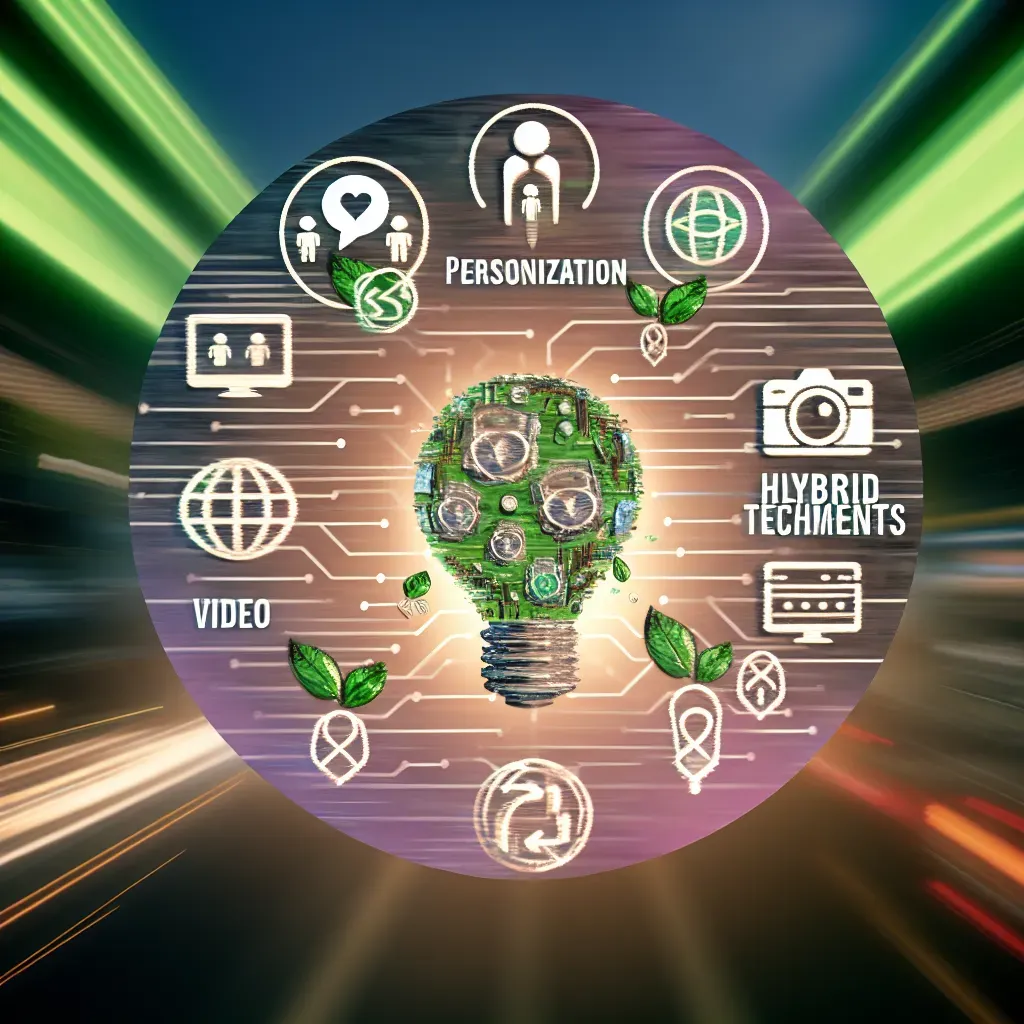
As we delve into Marketing Trends 2023, businesses must embrace the evolving dynamics of digital engagement to remain competitive. This year, the spotlight is on personalization, sustainability in marketing, and the rise of video content as key drivers for successful campaigns. With advancements such as AI in marketing and the integration of social commerce, companies are transforming how they connect with consumers. Additionally, the increasing importance of voice search and privacy-first marketing is reshaping strategies to prioritize trust and transparency. By understanding these trends, brands can leverage innovative approaches that resonate with today’s audiences.
Exploring the marketing landscape for the year ahead reveals essential shifts in how brands connect with their clientele. In 2023, tailored marketing strategies, eco-conscious practices, and engaging multimedia content are set to define the industry. With innovations such as artificial intelligence enhancing customer interactions and social commerce simplifying purchase experiences, brands are adapting to meet contemporary consumer expectations. Furthermore, optimizing for voice and visual search will be crucial as digital interaction continues to evolve. By addressing data privacy and focusing on sustainability, businesses can forge stronger relationships while driving meaningful engagement in this competitive marketplace.
Personalization: The Key to Competitive Advantage in 2023
As we enter 2023, the trend of personalization in marketing is not merely a passing phase but rather a strategic necessity. Consumers today are inundated with choices and are more likely to engage with brands that offer tailored experiences. Marketers are leveraging advanced AI algorithms and machine learning techniques to analyze consumer behavior and preferences, allowing them to deliver content that resonates with individual customers. This personalization extends beyond simple product recommendations; it encompasses every touchpoint in the customer journey, ensuring a cohesive experience tailored to the unique needs and desires of each consumer.
The focus on personalization is expected to deepen in 2023 as brands integrate comprehensive data analytics into their marketing strategies. Marketers will use insights garnered from various channels, including social media interactions and purchase history, to create 360-degree profiles of their customers. By doing so, they can anticipate needs and personalize communication at every level, from personalized emails to customized web experiences. This heightened focus on personalization not only enhances customer satisfaction but also fosters brand loyalty, making it a critical trend for marketers to prioritize moving forward.
Sustainability in Marketing: Meeting Consumer Expectations
In 2023, sustainability is not just a buzzword; it has evolved into a core component of effective marketing strategies. As consumers increasingly align their purchasing decisions with their environmental values, brands that emphasize sustainability can distinguish themselves in a crowded marketplace. This year, companies are expected to adopt more sustainable practices, from eco-friendly packaging to renewable energy sources, signaling their commitment to the planet. By promoting these initiatives, brands can engage with eco-conscious consumers and build long-term loyalty.
Furthermore, the transparency surrounding sustainable practices will be paramount in 2023. Consumers are becoming more educated and discerning, making it essential for brands to articulate their sustainability efforts clearly and authentically. This involves not only communicating their eco-friendly practices but also ensuring compliance with sustainability standards. As brands focus on building trust through transparency, sustainability in marketing will not only enhance brand reputation but also contribute positively to the overall marketing landscape.
Video Content: Engaging Audiences through Dynamic Storytelling
Video content continues to reign supreme in 2023, serving as a primary driver of consumer engagement and brand loyalty. With the rise of platforms like TikTok and Instagram Reels, marketers are shifting their focus towards creating short, impactful videos that tell compelling stories and capture audience attention. This dynamic form of content allows brands to showcase their personalities, introduce new products, and connect emotionally with consumers. In a world where attention spans are shrinking, video content’s ability to deliver information quickly and engagingly makes it an indispensable tool for marketers.
Moreover, live streaming is expected to gain significant traction in 2023, offering brands an authentic way to interact with their audience in real time. By hosting live events, product launches, or Q&A sessions, brands can create a sense of immediacy and community among viewers. This trend not only enhances audience engagement but also allows brands to showcase their authenticity, fostering deeper connections with consumers. As video content continues to dominate the marketing landscape, embracing innovative storytelling formats will be crucial for brands aiming to capture and retain consumer interest.
Voice Search Optimization: Adapting to Evolving User Behavior
As voice-activated devices proliferate in 2023, optimizing content for voice search is becoming increasingly crucial for marketers. With consumers primarily using conversational language to interact with these devices, brands need to rethink their SEO strategies. This year, a focus on natural language processing and incorporating long-tail keywords that reflect everyday speech patterns will be essential in ensuring discoverability. By acknowledging the shift toward voice search, brands can better align their content with consumer behavior and enhance their visibility in search results.
Furthermore, as voice search continues to evolve, there is an increasing emphasis on local SEO. Consumers frequently use voice search to seek local information, such as store hours or directions. By optimizing for geographical keywords and ensuring accurate listings on platforms like Google My Business, brands can capture local traffic and engage potential customers more effectively. As user behavior grows more reliant on voice search technologies, marketers must prioritize this optimization to maintain a competitive edge in 2023.
Privacy-First Marketing: Building Trust with Consumers
In an era where data privacy is at the forefront of consumer concerns, the shift towards privacy-first marketing is set to redefine the landscape in 2023. With regulations like GDPR and CCPA shaping how brands handle consumer data, marketers need to prioritize transparency in their data practices. By clearly communicating how consumer information is collected, used, and safeguarded, brands can establish trust with their audience. This emphasis on data ethics will not only ensure compliance with legal requirements but also foster loyalty among increasingly privacy-conscious consumers.
Moreover, privacy-first marketing encourages brands to adopt innovative approaches. Rather than relying solely on third-party data, marketers are turning to first-party data strategies, where they actively engage customers to willingly share information in exchange for value. This shift not only enhances trust but also allows brands to develop more personalized experiences without compromising customer privacy. In 2023, embracing privacy-first marketing will be essential for brands to remain relevant and resonate with consumers who prioritize data protection.
Social Commerce: The Future of Shopping
As the lines between social media and e-commerce continue to blur, social commerce is poised to explode in 2023. Platforms like Instagram and Facebook are now incorporating features that allow users to browse and purchase products seamlessly without leaving the app. This trend presents a unique opportunity for brands to engage customers where they already spend their time—on social media. By creating shoppable content and leveraging social proof, brands can incentivize purchases and create a more interactive shopping experience.
In 2023, the enhancing of user experience will be crucial for brands looking to capitalize on the social commerce trend. This includes optimizing product visibility through high-quality visuals, as well as making the shopping process as seamless as possible. Brands must invest in effective social media marketing strategies that not only promote products but also foster community and engagement. As social commerce evolves, those brands that adapt to this trend will find themselves at the forefront of consumer purchasing decisions.
Harnessing Artificial Intelligence in Marketing Strategies
The integration of artificial intelligence (AI) in marketing is transforming how brands operate, streamline processes, and engage with customers. In 2023, more businesses are expected to adopt AI-powered tools to analyze data, manage customer relationships, and enhance marketing strategies. This technology allows marketers to predict consumer behavior and preferences, enabling them to create highly targeted campaigns that enhance customer experiences and drive conversions. With AI’s ability to process vast amounts of data, brands can identify emerging trends and optimize their marketing efforts accordingly.
Additionally, AI is revolutionizing customer service through chatbots and automated interactions. These tools provide instant responses to customer inquiries and offer personalized recommendations, improving overall satisfaction. As the deployment of AI in marketing becomes more widespread in 2023, brands must remain aware of the challenges of integrating such technology while ensuring that it complements human creativity rather than replacing it. A successful approach will blend AI insights with authentic consumer engagement, paving the way for more innovative marketing strategies.
Frequently Asked Questions
What are the top digital marketing trends for 2023?
In 2023, top digital marketing trends include an increased focus on personalization at scale, greater emphasis on sustainability, the dominance of video content, and the rise of social commerce. Marketers are leveraging AI in marketing to enhance customer experiences and improve engagement.
How is personalization shaping marketing trends in 2023?
Personalization is a key marketing trend in 2023, driven by advancements in AI and machine learning. Brands are using behavioral data to create tailored experiences, such as personalized emails and web content, significantly enhancing customer satisfaction and loyalty.
What role does sustainability play in marketing trends for 2023?
Sustainability has become a major marketing trend in 2023 as consumers favor brands that demonstrate eco-friendly practices. Businesses are focusing on sustainable packaging, promoting eco-conscious products, and engaging in corporate social responsibility to attract environmentally aware customers.
Why is video content important in the marketing landscape for 2023?
Video content is crucial in 2023 due to its ability to captivate audiences and drive engagement. Short-form videos on platforms like TikTok and Instagram Reels are particularly popular, and brands are utilizing storytelling through video to foster stronger connections with consumers.
How should brands prepare for voice search in 2023?
To prepare for voice search in 2023, brands must optimize their SEO strategies by focusing on natural language processing and long-tail keywords that mimic conversational speech. Voice-activated devices are becoming ubiquitous, making this an essential trend for marketers.
What is privacy-first marketing and why is it important in 2023?
Privacy-first marketing is essential in 2023 due to stringent data regulations like GDPR and CCPA. Brands must prioritize transparency in how they collect and use consumer data, building trust with customers while ensuring compliance with privacy laws.
How is social commerce evolving in the marketing trends of 2023?
Social commerce is rapidly expanding in 2023, blending social media with e-commerce functionality. Platforms like Instagram and Pinterest are enhancing shopping features, allowing consumers to buy products directly from social apps, thus creating a seamless and engaging shopping experience.
| Marketing Trend | Key Points |
|---|---|
| Personalization at Scale | Use of AI and machine learning for creating tailored consumer experiences. |
| Greater Emphasis on Sustainability | Brands prioritizing eco-friendly practices to win over conscious consumers. |
| Video Content Dominance | Growth of short-form videos on platforms like TikTok and Instagram. |
| Voice and Visual Search Optimization | Focusing on natural language processing and visual content strategies. |
| Privacy-First Marketing | Emphasis on data transparency and consumer trust amidst regulations. |
| Social Commerce Expansion | Integration of e-commerce features into social media platforms. |
| Artificial Intelligence in Marketing | Adopting AI for personalized marketing and predictive analytics. |
| The Rise of Hybrid Events | Combining virtual and in-person experiences for broader engagement. |
Summary
Marketing Trends 2023 will significantly impact the business landscape as brands recalibrate their strategies to meet evolving consumer expectations. Throughout the year, personalization will take precedence, with AI playing a crucial role in delivering customized experiences. Sustainability will emerge as a core value, influencing consumer preferences and purchase decisions. Video content will continue to engage audiences, while optimization for voice and visual search will enhance visibility. A focus on privacy will shape how brands interact with consumers, ensuring transparency and trust. The rise of social commerce will blur the lines between social media and shopping, creating seamless purchasing opportunities. Additionally, artificial intelligence will offer innovative solutions for marketing challenges, and hybrid events will redefine engagement. By embracing these trends, businesses can position themselves for success and thrive in a dynamic market.