
Listen to this article
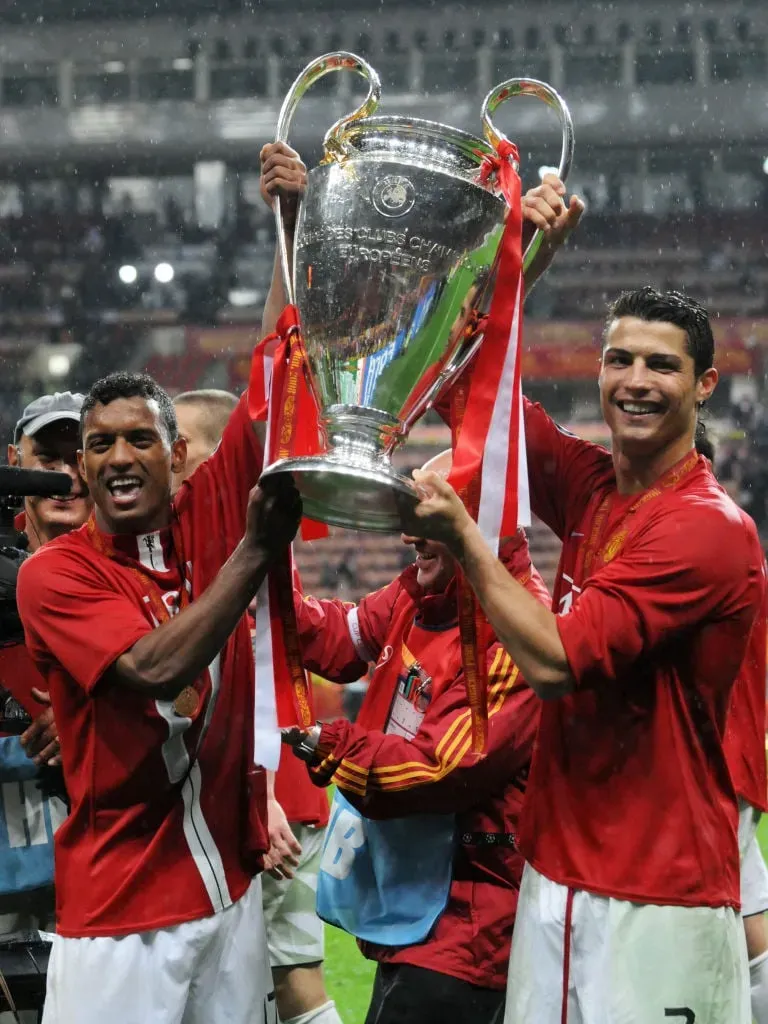
Manchester United Champions League aspirations have become a focal point amid significant changes at the club, particularly following Ruben Amorim’s recent departure as head coach. With the Red Devils struggling to secure European competition last season, recent investments, including an impressive £200 million overhaul of their attacking lineup, have raised expectations for the ongoing campaign. Currently positioned seventh in the Premier League and just three points shy of fourth-placed Liverpool, the club’s hierarchy remains determined to reclaim their place among Europe’s elite next season. In a recent private meeting, director of football Jason Wilcox emphasized the importance of unity within the squad to achieve their Champions League qualification hopes. As the club navigates this crucial period, the situation surrounding the Manchester United manager remains pivotal to their ambitions in both domestic and international football.
The search for a return to the Champions League for Man Utd highlights the club’s ongoing challenges and objectives in top-flight football. With the recent exit of head coach Ruben Amorim stirring uncertainty, the focus shifts to how the players can respond and perform in the remainder of the season. Investors and fans alike are keenly interested in how United can maneuver through their Premier League targets while ensuring they contend with rival teams for European opportunities. Moreover, the current Manchester United manager situation is crucial for strategizing their efforts in reclaiming a spot in the prestigious UCL. This determination reflects a larger ambition to restore the club’s former glory following a tumultuous period.
Manchester United’s Champions League Aspirations
Following the recent exit of Ruben Amorim, the management at Manchester United remains steadfast in their goal to secure a spot in the UEFA Champions League. Despite a tumultuous start to the season, United’s hierarchy recognizes that the prestige and financial implications of Champions League qualification are paramount to the club’s success. They are acutely aware that last season’s failure to qualify for any European competition has left a significant void, one that they are eager to fill this time around. With squad investments totaling around £200 million over the summer, expectations have been recalibrated, and the urgency to achieve a top-four finish is more intense than ever.
In the wake of Amorim’s dismissal, a clear directive has been communicated to the players: focus on coming together and producing results. Jason Wilcox, the director of football, has emphasized that qualifying for the Champions League is not only a target but an achievable one. As players huddle together to strategize their approach, they need to harness their collective strength to overcome the challenges that lie ahead. Currently, Manchester United sits three points adrift of a Champions League spot, and with the right approach and a bit of perseverance, aspirations to return to Europe’s elite competition could become a reality.
The Manchester United Manager Situation
The managerial situation at Manchester United remains precarious after Ruben Amorim’s abrupt departure. Amidst an underwhelming performance in the Premier League, the Red Devils have found themselves in a position of uncertainty as they search for a permanent solution. In the meantime, Darren Fletcher has stepped into the caretaker role, trying to stabilize the team during this transitional phase. Talks about a potential return for former boss Ole Gunnar Solskjaer hint at a deeper desire for continuity, proving that the management is weighing its options carefully.
Critics have pointed out how the inconsistency in managerial appointments impacts team morale and performance. Amorim’s fallout with the club’s hierarchy illuminated underlying tensions that can spiral out of control if not managed effectively. The requirement for a decisive management approach is clear; Manchester United’s goals span beyond merely finishing in the top four. The club aspires to reclaim its status as a dominant force in both the Premier League and European competitions, something that necessitates stability at the managerial level.
Evaluating potential candidates not only involves tactical acumen but also how well they fit into the club’s long-term vision. The next appointment will be crucial for Manchester United’s trajectory, as the pressure of returning to the Champions League looms heavily. Having a manager who can effectively navigate the challenges of the Premier League while also gearing up for European competitions is essential for United’s ambitions.
Challenges Ahead for Manchester United in the Premier League
Despite the recent turbulence, Manchester United must refocus on their immediate Premier League commitments. The team currently stands seventh in the league, trailing behind teams like Liverpool who occupy the coveted fourth position. This is a critical moment for the Red Devils; securing points against upcoming opponents will be essential to closing the gap. The pressure to produce results is ever-increasing, especially as the squad aims to reverse the stark disappointments of the past.
Furthermore, upcoming fixtures against fierce competitors such as Manchester City and Brighton cannot be taken lightly. These matches will test the team’s resolve and their ability to perform under pressure. United’s aspirations for Champions League qualification hinge on their ability to secure crucial victories in these encounters. The path forward may be daunting, but with a renewed focus and the right mindset, the players can rise to the challenge and reignite their season.
Responses to Amorim’s Departure
Ruben Amorim’s exit from Manchester United has sparked significant discussion among fans, analysts, and club insiders alike. The circumstances surrounding his departure indicate deeper issues within the club. Critics have noted relationships within the management and coaching staff could have impacted performance adversely. The breakdown of communication between Amorim and key figures like Jason Wilcox raises questions about the club’s internal dynamics and decision-making processes.
Moving forward, Manchester United’s ability to learn from this experience is crucial. There’s a pressing need for a unified vision between coaching staff and management. To avoid similar pitfalls in the future, the club must foster open lines of communication and support for its leaders, whether they’re on the pitch or in the boardroom. The reorganizing phase post-Amorim’s exit is an opportunity for the club to reassess and strengthen its strategies for both short-term and long-term goals.
Focus on Team Cohesion
As Manchester United navigates through leadership changes, team cohesion is paramount. Players must unite and communicate effectively to address the challenges they face on the pitch. Wilcox’s message to rally the team underscores the importance of collective effort in achieving their Champions League aspirations. A cohesive team can overcome the psychological barriers that arise from setbacks and uncertainties.
Moreover, fostering a strong bond within the team will be crucial during the pressure cooker environment of the remaining season. The sense of camaraderie is essential not only in training sessions but also during high-stakes matches. Players supporting one another will enhance resilience and performance levels when it matters most. United’s next steps will not only define their current season but also lay the groundwork for a more stable and successful future.
Future Transfer Strategies for Manchester United
In light of the current managerial instability, Manchester United must also consider its transfer strategies for the upcoming windows. The significant investment made over the summer indicates a commitment to reinvigorating the squad, yet further adjustments may be necessary to address gaps exposed during the season. As the management re-evaluates the team’s requirements, the focus must extend beyond on-field performance to ensure the right players are brought in to complement the existing squad.
The club’s ambitions in the Premier League and Champions League will hinge on their ability to attract and sign quality talents. This includes targeting players who not only fit the current system but also exhibit the potential for growth within the club’s framework. Establishing long-term success through strategic acquisitions aligned with Manchester United’s philosophy will be vital for reestablishing their status as a powerhouse in both domestic and European football.
The Role of Youth Development at Manchester United
Traditionally, Manchester United has prided itself on a robust youth academy that produces world-class talent. However, as the club faces challenges in the first team, there is an urgent need to integrate young players more effectively into senior-level matches. By providing opportunities for youth players to gain experience, the club can ensure a steady pipeline of talent, complementing their strategic focus on both short-term and long-term goals.
Investing in youth development serves multiple purposes: it fosters loyalty, garners fan support, and reduces transfer fees for high-priced alternatives. With the right guidance and mentorship from experienced players and staff, the young talents could bring much-needed energy and innovation to the squad as Manchester United strives to revive its glory days. Balancing youth integration with seasoned professionals will be essential for enhancing the team’s competitive edge in both the Premier League and European competitions.
Looking Ahead: Manchester United’s Roadmap to Success
As Manchester United looks ahead, there’s a roadmap emerging that could guide them back to their former glory. With Champions League qualification as a primary target, the club’s commitment to clarity in its vision and objectives will be instrumental. The narrative from both management and players should align with these goals, fostering an environment of purpose and determination.
Every decision made, from managerial appointments to player signings, will require careful alignment with this vision. As they navigate through transitions, focus should remain on creating a resilient and competitive squad capable of challenging for the Premier League title and turning their fortunes around in Europe. The journey ahead may be challenging, but the foundational steps taken now will set the precedent for a more successful Manchester United in the years to come.
Frequently Asked Questions
What are Manchester United’s Champions League qualifications hopes after Ruben Amorim’s departure?
Despite Ruben Amorim’s departure, Manchester United remains focused on qualifying for the Champions League next season. Following conversations with the team, club officials emphasized that a top-four finish in the Premier League is attainable, urging players to unite for success in the second half of the season.
How did Ruben Amorim’s exit impact Manchester United’s Champions League ambitions?
Ruben Amorim’s exit has not altered Manchester United’s aspirations for Champions League qualification. Club chiefs insist qualifying for UCL remains a priority despite his departure, which followed an unsatisfactory season where they failed to secure European football.
What is the current Manchester United manager situation regarding Champions League targets?
Currently, the Manchester United manager situation features Darren Fletcher as caretaker while the club evaluates long-term managerial options. Regardless, the club’s commitment to qualify for the UCL next season is a clear priority that they aim to achieve under any potential manager.
What recent developments in Man Utd news are related to their Champions League goals?
Recent Man Utd news highlights the club’s determination to secure Champions League qualification, particularly following Ruben Amorim’s exit. Officials are motivating players by stating that achieving a place in the UCL is realistic despite setbacks in their season.
What are Manchester United’s Premier League targets in relation to their Champions League aspirations?
Manchester United’s Premier League targets intertwine with their Champions League aspirations. The club aims to finish in the top four of the Premier League, thereby qualifying for the Champions League, as part of their broader strategy for success in the coming years.
| Key Points |
|---|
| Manchester United aims for Champions League qualification after Ruben Amorim’s departure. |
| Amorim was sacked after a disappointing 14-month tenure at the club. |
| United did not qualify for any European competition last season under Amorim. |
| The club spent £200 million to revamp their squad in hopes of better performance. |
| Currently, they are 7th in the Premier League, 3 points behind 4th-placed Liverpool. |
| Director of Football, Jason Wilcox, emphasized unity and improvement to achieve Champions League status. |
| CEO Omar Berrada aims for Manchester United to win the Premier League by 2028. |
| Darren Fletcher is serving as caretaker manager while discussions with Solskjaer are ongoing. |
| Amorim’s exit was believed to stem from a clash with Wilcox over managerial roles. |
| United faces Brighton in the FA Cup before clashing with Manchester City in the league. |
Summary
Manchester United Champions League ambitions have come into sharp focus following the departure of coach Ruben Amorim. The club’s management has made it clear that requalifying for the Champions League is a primary goal despite last season’s failures. Despite the challenges faced during the current season, Manchester United is determined to unify and elevate their performance levels, aiming for both Champions League qualification and future Premier League success.

