
Listen to this article
Recent events surrounding the Manchester London train service confusion have left many commuters puzzled about why a critical peak-time train was deemed unfit to carry passengers. The Office of Road and Rail (ORR) has admitted to making a misinformed decision that led to the train running empty, a situation that came under fire for its apparent disregard for passenger needs. This controversy calls into question the ORR train service explanation that originally justified such a perplexing ruling, suggesting a lack of communication and clarity in transport regulation issues. Additionally, the fallout exemplifies how peak-time train decisions can affect travel plans and sentiments towards public transportation. As the governing bodies work to address these passenger rail service policies, the hope is for clearer protocols that prioritize commuter welfare and operational transparency.
The recent turmoil around train services between Manchester and London highlights the confusion that can arise in such critical transportation routes. Miscommunications and regulatory oversights have led to a situation where an operable train was prohibited from carrying passengers, raising significant eyebrows among the traveling public. This situation sheds light on the complexities of train service management, including the intricacies of transport regulation issues and the need for effective oversight by bodies like the Office of Road and Rail. As policymakers deliberate on adjustments to passenger rail service protocols, it’s essential to foster an environment that minimizes controversy and enhances the passenger experience. Recognizing the importance of timely and accurate information can substantially improve peak-time train decisions and restore public confidence in rail services.
Understanding the Manchester-London Train Service Controversy
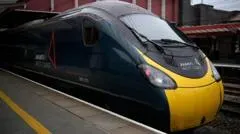
The recent controversy surrounding the Manchester London train service has highlighted significant lapses in the decision-making processes of the Office of Road and Rail (ORR). Initially, the ORR decided to stop passengers from boarding a peak-time train service, leading to uproar among commuters and stakeholders alike. The turmoil escalated when it became public that the train, which was intended to operate a crucial route, was fully crewed and situated to depart from Manchester Piccadilly towards London Euston. This confusion raised critical questions about transparency and operational procedures within the ORR, prompting a broader discussion about effective passenger rail service policies.
As the ORR chief executive John Larkinson admitted, the organization did not possess all relevant information during their decision-making process. This oversight has obliterated trust among the public, emphasizing the need for more stringent oversight and better communication with train operating companies. Such transport regulation issues could pave the way for significant operational reforms that ensure accountability and clarity in future service management. The Manchester London train service situation underscores how inadequate information and assessment can have far-reaching implications for commuters.
Furthermore, this situation casts light on the vital role of the ORR in maintaining a fair and efficient rail service environment. The review of peak-time train decisions, especially following public backlash, illustrates the need for a more comprehensive understanding of rail service dynamics. This incident is not merely an isolated case; it resonates with broader patterns observed in train service controversies where regulatory bodies may falter in their responsibilities, leading to operational challenges and passenger dissatisfaction.
To prevent similar situations from arising in the future, thorough investigations and evaluations of decision frameworks will need to be prioritized. The legislation supporting transport authorities must incorporate mechanisms for comprehensive oversight, ensuring that decisions account for all operational variables, particularly during peak travel times when railway networks experience the highest demand.
Implications for Future Transport Regulation Issues
The implications of the Manchester London train service confusion extend beyond immediate passenger dissatisfaction, inviting scrutiny of transport regulation issues at large. As the ORR recognizes errors in their evaluation process, it’s critical to explore how these regulatory oversights will inform future policies and procedures in the railway sector. The need for enhanced scrutiny in peak-time train decisions becomes increasingly evident, as the flow of information between authorities and train operators like Avanti must be streamlined for more effective collaboration.
This incident raises the question of whether current transport regulation frameworks adequately address the complexities faced by growing urban rail networks. With increasing commuter demands, regulators must innovate strategies that can adapt swiftly to emerging challenges. Misjudgments about train schedules and operational readiness must not only be rectified but anticipated, ensuring that such passenger rail service policies evolve in response to tangible needs of travelers.”}]},{
Reforming Passenger Rail Service Policies After the ORR Backlash
In response to the backlash faced by the ORR for its management of the Manchester London train service, there is a critical need for reform in passenger rail service policies. As demonstrated by the ORR’s admission of lacking essential facts in their planning, transportation authorities must focus on enhancing their evaluation frameworks. This situation reveals the constant balancing act between maintaining service efficiency while also adhering to passenger needs. For example, the widespread confusion regarding the operational status of what could have been an essential train route for commuters signifies that the existing policies require immediate attention.
To enact meaningful change, it’s vital for transport regulators to engage in a continuous dialogue with train operators and stakeholders. By fostering transparency and cooperation, they can mitigate the risks associated with poor service decisions. Looking ahead, the establishment of Great British Railways ought to serve as a transformative platform to enhance current policies with innovative approaches that include feedback mechanisms that empower users to voice their concerns.
The ORR’s previous justifications regarding ‘firebreaks’ in train schedules further complicate the service dynamic, marking the need for a more thorough examination of such protocols. In crafting public transport regulations, authorities must ensure that they align with operational realities and the expectations of passengers, ensuring that future passenger rail service policies can withstand scrutiny and adapt effectively to change.
To summarize, while this particular incident has drawn attention to the shortcomings in train service management, it also provides an opportunity for substantial reform in the UK’s rail policy landscape. Embracing lessons learned from the Manchester London service confusion can help shape a more responsive and responsible transportation framework.
Frequently Asked Questions
What caused the Manchester London train service confusion related to the peak-time train decisions?
The confusion regarding the Manchester to London train service stems from the Office of Rail and Road’s (ORR) lack of complete information when it made its decision to prevent passengers from boarding a fully crewed peak-time train. This led to what was mistakenly termed a ‘ghost train’ scenario. The ORR initially believed the train’s operation was not viable, but later evidence revealed it was capable of transporting passengers.
How did the ORR explain its decision regarding the train service controversy?
The ORR explained that their decision was based on incomplete facts, which included inaccurate assumptions about the train’s crew status and departure point. The chief executive, John Larkinson, acknowledged that had they consulted with Avanti, the train operating company, the outcome might have been different. He accepted full responsibility for the oversight, highlighting the need for improved processes in future transport regulation issues.
What impact did the ORR’s decision have on passenger rail service policies?
The ORR’s decision to initially prevent the Manchester London train from carrying passengers was met with significant public backlash, highlighting the need for better communication and understanding of operational realities in rail service policies. This incident has prompted discussions within the Transport Committee to ensure that similar situations do not arise in the future, as they work towards establishing more reliable regulatory practices in passenger rail services.
Why did the Manchester London train service become a ‘ghost train’ according to the regulators?
The term ‘ghost train’ was used to describe the situation where a train, fully crewed and operational, was not allowed to carry passengers due to the ORR’s earlier decision. This decision was based on an erroneous belief that the train was only to be operated for logistical purposes, thus rendering the slot ineffective for passenger use and leading to confusion regarding its actual service capability.
What flaws were identified in the ORR’s assessments of Manchester London train service operations?
Flaws in the ORR’s assessment included a failure to gather comprehensive data regarding the train’s operational needs, such as its crew status and required routes. The ORR was managing multiple competing applications at the time and did not escalate Avanti’s concerns, which led to a misjudgment about the service’s necessity and functionality during peak hours.
How did the public react to the train service controversy between Manchester and London?
The public expressed significant bewilderment over the ORR’s decision to allow a fully crewed train to operate without passengers while a popular service was available. This led to widespread criticism, including insights from Transport Secretary Heidi Alexander, which ultimately contributed to the ORR reversing its decision and calling for more transparency in future rail service operations.
What lessons did the ORR learn from the Manchester London train service confusion?
The ORR recognized the importance of thorough evaluations and communication with train operating companies to prevent future confusion similar to that observed with the Manchester London services. They aim to strengthen their decision-making processes and enhance their oversight capabilities, ensuring that all relevant information is accurately considered in future regulatory assessments.
| Key Point | Details |
|---|---|
| Regulator’s Mistake | The ORR admitted it did not have all facts when stopping the Manchester-London service. |
| Critical Information Missing | The ORR was unaware that the train was fully crewed and departed from a station, impacting their decision. |
| Backlash from Previous Decision | Significant criticism arose after allowing a 07:00 train to operate empty, only carrying staff. |
| Change in Understanding | New facts indicated the train’s slot could not serve as an effective firebreak as previously claimed. |
| Larkinson’s Acknowledgment | The ORR Chief Executive took responsibility and emphasized improving decision-making processes. |
| Public Confusion | MP Ruth Cadbury described public bewilderment over the decision and the need for an explanation. |
| Future Preventive Measures | The Transport Committee aims to prevent similar mistakes in the future with the establishment of Great British Railways. |
Summary
The Manchester London train service confusion highlights significant gaps in communication and decision-making processes within the ORR. The regulator’s admission of lacking essential facts leading to the handling of the railway service ignited frustration among passengers and stakeholders alike. Moving forward, it is crucial for the ORR to refine their approach to regulatory decisions to ensure that passenger services are consistently prioritized and to avoid further misunderstandings. This incident serves as a learning opportunity for all governing bodies involved in public transport.

