Listen to this article
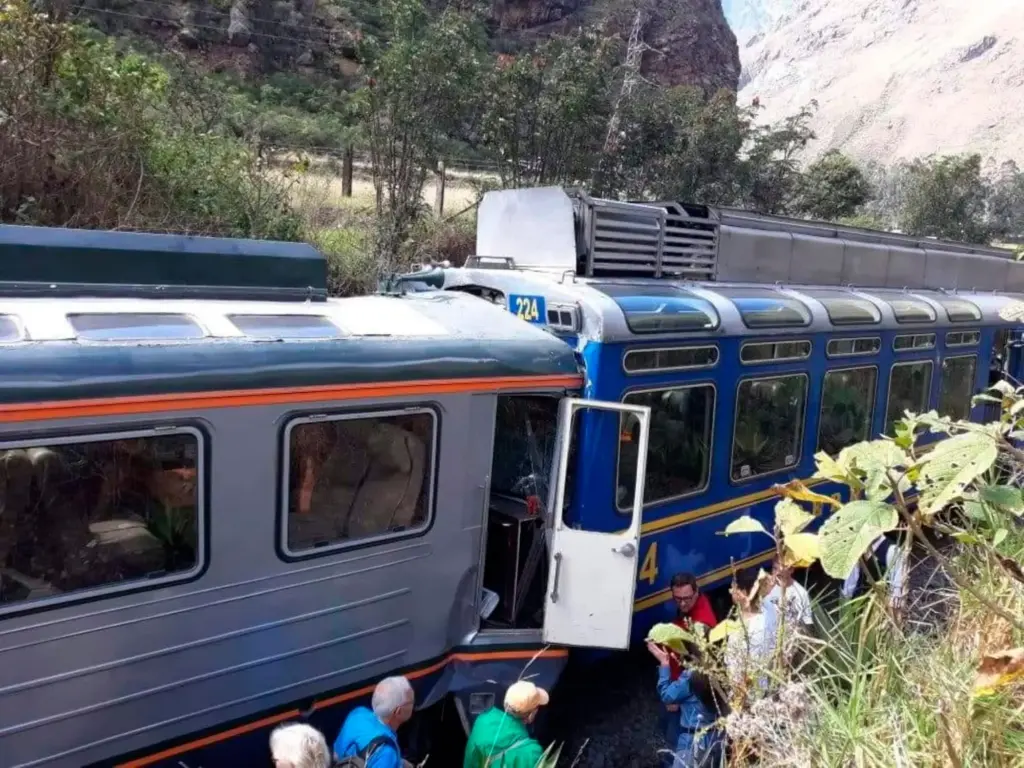
In a tragic turn of events, the Machu Picchu train collision has left one train driver dead and over 40 passengers injured, marking one of the most severe Peru train accidents in recent history. The incident occurred on Tuesday along the single track leading to Peru’s iconic tourist destination, prompting a swift response with 20 ambulances dispatched to the scene. As reports from local authorities reveal, many injured individuals are being transported to Cusco’s medical facilities, with some in critical condition. The US embassy reported that American citizens were among those affected, emphasizing the worrying aspect of tourist safety in Peru. Local media outlets further highlight that hundreds of tourists remain stranded at the collision site, complicating evacuation efforts due to the challenging terrain surrounding Machu Picchu, home to the famous ancient Inca ruins.
The incident involving a head-on rail crash near Machu Picchu has raised significant alarms regarding transportation safety for tourists visiting this UNESCO World Heritage site. As travelers flock to Peru to experience the breathtaking beauty of the Incan city, the recent PeruRail and Inca Rail incident has sparked urgent discussions about rail safety and emergency response protocols. The collision on the track connecting Ollantaytambo to Aguas Calientes reminds us of the potential risks while navigating this picturesque yet rugged landscape. With heightened concerns over injury rates among visitors, the importance of tourist safety in Peru is now more crucial than ever. As investigations into the causes of the rail crash continue, many are left pondering the implications for future journeys to one of the Seven Modern Wonders of the World.
Understanding the Machu Picchu Train Collision
The tragic Machu Picchu train collision has raised significant concerns regarding tourist safety in Peru. On the fateful Tuesday when two trains collided, the entire region was thrust into a state of crisis, highlighting potential flaws in the rail system that serves one of the world’s most renowned heritage sites. This incident not only claimed the life of a train driver but also left dozens of passengers injured, with reports indicating that at least 20 suffered serious injuries. The local government responded promptly, deploying numerous ambulances to assist those affected and ensure swift medical attention was provided in Cusco.
As tourism to Machu Picchu resumes following pandemic disruptions, the safety of train travel to this iconic location must be a priority. The collision involved trains from PeruRail and Inca Rail, both popular carriers for tourists heading to the ancient ruins. As investigations proceed to determine the cause, it prompts a critical discussion on the railway infrastructure that transports thousands of visitors each year and the urgent need for stringent safety protocols to prevent future accidents.
The Aftermath of the Peru Train Accident
In the aftermath of the Peru train accident near Machu Picchu, authorities are scrambling to respond to the logistics challenges posed. Hundreds of tourists found themselves stranded at the crash site, facing difficulties in evacuation due to the rugged terrain surrounding Aguas Calientes. Reports circulating from sources like Peru21 indicate a chaotic scene with first responders working tirelessly to facilitate transfers to medical facilities and assist evacuated tourists. The urge to return to safety amid a tragic backdrop amplifies their distress, making it evident that contingency measures are crucial for future incidents.
The US Embassy in Peru confirmed that American citizens were among those injured, prompting queries related to tourist safety in the area. Following this incident, travelers might reconsider their travel plans, as the rail crash at Machu Picchu has highlighted vulnerabilities in the tourism transport system. Local representatives and transport companies must address perceptions of safety and challenge the bureaucratic inefficiencies that have left many distressed. Public confidence can only be restored through transparency in the ongoing investigations and comprehensive safety reforms.
Impact of the Rail Crash on Tourist Perception of Machu Picchu Safety and Experience
The recent rail crash leading to Machu Picchu is likely to influence tourists’ perceptions regarding safety and travel in Peru. With the ancient Inca city being one of the most frequented landmarks in the world, incidences like the Machu Picchu train collision can deter potential visitors who may now question the overall safety of the region. Tourists expect seamless transportation while embarking on their journeys to such globally adored sites, and any disruption can sour their experiences and bring forth a fear factor that maligns the attraction.
Moreover, safety concerns may escalate discussions about ticket prices and value for money. As local communities express dissatisfaction over transport access to Machu Picchu, the balance between tourism profit and traveler safety comes into sharper focus. Ensuring safe passage and robust emergency response signals a long-term commitment to preserving both the site’s heritage and its tourism industry, directly impacting Peru’s economic stability as well.
Calls for Improved Safety Regulations for Peru’s Rail Systems Following the Incident
In light of the Machu Picchu train collision, there are increasing calls for improved safety regulations within the nation’s rail systems. The incident has unveiled potential systemic inadequacies that, if addressed, could avert similar tragedies in the future. Stakeholders, including local governments and rail operators like PeruRail and Inca Rail, are urged to collaborate on comprehensive emergency response plans, training for staff, and routine safety checks to cultivate an environment where tourist safety is inherently prioritized.
This can involve revisiting bidding processes for transport services leading to the UNESCO World Heritage site, allowing for a more competitive and transparent transport network. Greater scrutiny in bidding can ensure that only models with high safety standards are permitted to operate, ultimately contributing to a safer travel experience for both locals and tourists. The rain of the crash brings into perspective the critical importance of protective measures, not only for human lives but also sustaining the heritage that attracts millions to Machu Picchu each year.
Exploring the Impact of the Machu Picchu News on Future Tourism Prospects
The collision has also made headlines, indicating that the Machu Picchu news is a focal point in discussions on travel advisories and future tourism prospects. With the attention drawn by this unfortunate event, potential visitors may reconsider their itineraries or seek alternative destinations that promise enhanced security measures. Furthermore, media coverage could affect the existing tourist demographics, leading to a decline in visitors who aren’t willing to risk a journey that potentially compromises their safety.
On the other hand, this incident might serve as a catalyst for stakeholders in the tourism sector to reinvest in safety infrastructure, promoting a rebirth of trust. By managing perceptions and reintroducing safety innovations, Peru can harness current crises to build a more resilient reputation as a travel destination, ensuring the miraculous site of Machu Picchu remains a beacon of wonder and exploration.
Frequently Asked Questions
What happened in the Machu Picchu train collision involving PeruRail and Inca Rail?
The Machu Picchu train collision occurred when two trains operated by PeruRail and Inca Rail collided head-on on the single track leading to the ancient Inca town. The incident resulted in the tragic death of the train driver and over 40 injuries, with at least 20 people reported to be in serious condition.
How does the Machu Picchu train collision affect tourist safety in Peru?
The Machu Picchu train collision raises significant concerns about tourist safety in Peru, particularly concerning the operating procedures of train services like PeruRail and Inca Rail. As the site remains a popular destination, it’s crucial for rail companies to ensure the highest safety standards to protect tourists traveling to Machu Picchu.
What are the emergency response efforts following the Peru train accident near Machu Picchu?
In response to the Peru train accident near Machu Picchu, local authorities dispatched 20 ambulances to the scene. Injured passengers were swiftly transported to medical facilities in Cusco, and first aid was provided immediately on-site. The challenging terrain has complicated evacuation efforts for the hundreds of tourists affected.
What should tourists know about the rail crash in Machu Picchu?
Tourists traveling to Machu Picchu should be informed about the recent rail crash, which has sparked discussions about safety measures. As investigations continue into the cause of the Machu Picchu train collision, travelers are advised to check for updates from PeruRail and Inca Rail regarding operational changes or safety protocols.
How are locals reacting to the Machu Picchu train collision?
The Machu Picchu train collision has intensified frustrations among local communities regarding transport services to the UNESCO World Heritage site. Many locals believe that the bidding process for transport providers like PeruRail and Inca Rail is inadequate, raising concerns about both operational safety and the economic impact on their communities.
What are the implications of the Machu Picchu train collision on future rail services?
The implications of the Machu Picchu train collision may lead to stricter regulations and safety measures for future rail services. The incident has prompted discussions about improving safety protocols for tourist transport to Machu Picchu, ensuring that such tragedies do not occur again.
What is being done to investigate the cause of the PeruRail Inca Rail incident?
The case of the PeruRail Inca Rail incident is under investigation to determine the cause of the collision. Authorities are examining operational procedures and safety measures of both rail companies involved in order to prevent further accidents and ensure the safety of tourists traveling to Machu Picchu.
How can tourists stay informed about safety updates after the Machu Picchu train collision?
Tourists can stay informed about safety updates following the Machu Picchu train collision by checking official announcements from PeruRail, Inca Rail, and local government agencies. Additionally, following local news outlets and the US embassy in Peru can provide timely information regarding tourist safety and travel advisories.
| Key Points | Details |
|---|---|
| Incident Overview | A head-on collision occurred on Tuesday near Machu Picchu, resulting in the death of a train driver and injuries to at least 40 people. |
| Rescue Efforts | 20 ambulances responded to the scene, with injured individuals transferred to Cusco for treatment. |
| Tourist Impact | Many tourists are stranded at the scene, awaiting evacuation amid difficult terrain. |
| Casualties | At least 20 of the injured are reported to be in serious condition. |
| Train Operators | The two trains involved were operated by PeruRail and Inca Rail. |
| Cause of the Accident | The cause of the collision has not yet been determined. |
| Community Disputes | Local communities express dissatisfaction over the bidding process for transport services to the UNESCO site. |
| Machu Picchu Significance | Machu Picchu is a UNESCO World Heritage site and one of the Seven Modern Wonders of the World, attracting numerous tourists. |
Summary
The Machu Picchu train collision has highlighted significant safety issues in the transport system servicing this iconic UNESCO World Heritage site. With one fatality and over 40 injuries, this tragic event raises urgent concerns for tourists and local communities alike about the current state of railway operations in Peru. As investigations into the cause of the collision commence, it is essential for transport providers to prioritize safety and address the community’s longstanding grievances regarding the transparency of transport service contracts.