
Listen to this article
Machu Picchu tourist buses are a vital component of the experience for over 1.6 million visitors who journey to this iconic Incan city each year. Nestled atop the Andes, Machu Picchu’s breathtaking views are only accessible through a challenging trek or a comfortable bus ride from Aguas Calientes. Although these buses provide essential transport for tourists, recent conflicts over transportation licenses have threatened the reliability of these services. Travelers seeking Machu Picchu transportation options must navigate challenges, including potential delays and disputes affecting bus availability. As such, being informed of Machu Picchu travel tips can greatly enhance your visit to this UNESCO World Heritage site, allowing you to focus on exploring the ancient ruins rather than logistical issues.
The buses that transport visitors to the breathtaking Inca citadel are crucial for a seamless travel experience to the mountain’s heights. Known collectively as Aguas Calientes bus services, these vehicles make the transition from the bustling town to the serene archaeological site straightforward. However, accessing Machu Picchu involves more than just hopping on a bus; potential tourists must consider the complexities surrounding transport services and ongoing changes within the local tourism infrastructure. With Peru tourism issues coming to the forefront, understanding the nuances of the transport system can be instrumental in planning your visit. Alongside guided Inca city tours, accessible transport remains a significant factor in ensuring that travelers have a memorable encounter with one of the world’s most remarkable historical landmarks.
The Importance of Machu Picchu Tourist Buses
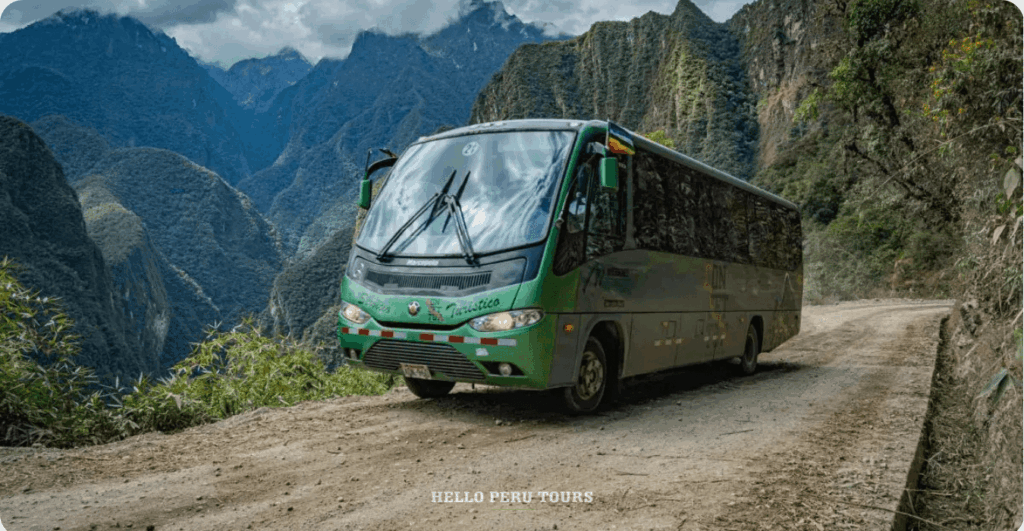
Tourist buses play a crucial role in the accessibility of Machu Picchu, which attracts over 1.6 million visitors annually. The unique challenges associated with reaching this UNESCO World Heritage site highlight the importance of efficient transportation services. The only way to directly access the site other than hiking is via the buses from Aguas Calientes, which transport tourists up a steep incline in just 20 minutes. As the primary mode of transport, these buses simplify the travel process for visitors who wish to experience the magnificence of the ancient Inca city without the arduous trek through the Andes.
Nevertheless, the recent turbulence surrounding the privilege of Consettur, the current bus service provider, underscores the tensions between local communities and companies servicing Machu Picchu. The operational challenges faced by Consettur and the potential shift in bus services to a competitor threatens the reliability of transportation for tourists. This has resulted in protests that have disrupted travel plans for many, placing pressure on authorities to ensure a reliable public transport system that can handle the influx of tourists while addressing local grievances.
Navigating Aguas Calientes Bus Services
The bus services from Aguas Calientes are vital for reaching Machu Picchu, yet navigating these services can be somewhat perplexing for tourists. After arriving in Aguas Calientes, visitors must purchase a bus ticket to continue their journey. This transition, combined with train travel from Cusco to Aguas Calientes, means tourists must plan their travel meticulously to avoid misunderstandings. Additionally, information about bus schedules and ticketing can often be challenging to acquire, resulting in frustration for those unfamiliar with the local services.
Moreover, competition in bus services is anticipated to enhance options for tourists. With potential new operators entering the market, there is hope for better pricing structures and more choices in how to reach Machu Picchu. However, for now, tourists relying on the existing bus services must remain vigilant against ongoing disputes that could threaten the reliability of transportation options when planning their visits.
Top Machu Picchu Travel Tips for Tourists
Traveling to Machu Picchu requires strategic planning to fully enjoy the experience. One essential tip is to pre-book bus tickets alongside train tickets to Aguas Calientes well in advance. This ensures a smooth transition from train to bus, avoiding any last-minute stress. Furthermore, understanding the price differences between local and foreigner rates for bus services helps budget effectively, as concessions are typically not extended to international visitors. Being aware of these details allows for a more enjoyable experience, free from financial surprises.
In addition to ticketing, tourists should consider the best times to visit both Machu Picchu and Aguas Calientes. Off-peak seasons often provide a less crowded experience, along with potential discounts on services. Moreover, travelers should remain informed about ongoing issues regarding transportation, as fluctuations in service can arise due to updates in local regulations or community disputes. Staying tuned to trusted resources and aligning travel plans accordingly can significantly enhance the visit.
The Role of Inca City Tours in Enhancing Visitor Experience
Inca city tours provide an enriched experience for visitors to Machu Picchu, offering insights that enhance appreciation for this iconic site. Guided tours often include historical context, stories of the Incan civilization, and highlights of the remarkable architecture and natural surroundings. By opting for a tour, guests can engage in a more interactive experience, ensuring they understand the cultural significance of the site, which may remain undervalued without proper guidance.
Moreover, tours provide the added benefit of organized transportation during the visit. Many tour packages include bus rides directly from Aguas Calientes to the site, alleviating the additional hassle of securing transportation on their own. This convenience often leads to a more seamless experience, allowing visitors to focus on enjoying their exploration rather than worrying about logistics.
Addressing Peru Tourism Issues for Sustainable Growth
Peru’s tourism sector, particularly regarding access to Machu Picchu, faces a myriad of challenges that can impact sustainability and local economies. The ongoing disputes over bus services not only disrupt transportation but also underscore deeper issues regarding local community inclusion in tourism revenues. For instance, only a fraction of ticket sales from Machu Picchu stays within Aguas Calientes, limiting potential investments in local infrastructure and community services.
Addressing these tourism-related issues calls for the unified participation of all stakeholders—including the government, local businesses, and communities—to ensure that tourism thrives sustainably. Possible initiatives might include revising profit-sharing models to favor local improvements while enhancing overall visitor experiences. Such multifaceted solutions could pave the way for a more robust and equitable tourism framework in Peru.
Coping with Transportation Costs to Machu Picchu
The cost of transportation to Machu Picchu can be a significant concern for many travelers. With train tickets ranging from $140 to $2,000, it’s essential for tourists to budget accordingly and consider all available transportation options. The added expense of bus tickets on top of these prices often catches visitors off guard, especially if they are under the impression that all forms of transport are included in their initial ticket purchase.
To mitigate these costs, tourists can look for package deals that include both train and bus fares, or travel during off-peak seasons when prices may be lower. Additionally, some seasoned travelers recommend exploring group tour options that often combine amenities into a single, more economical package. By understanding their options and planning ahead, visitors can significantly reduce their transportation expenses while enjoying a visit to one of the most spectacular sites in the world.
Future Developments in Machu Picchu’s Transportation Services
As conversations surrounding Machu Picchu’s transportation services evolve, potential developments in the industry may lead to improved accessibility and visitor experiences. The anticipated entry of new bus service providers like San Antonio de Torontoy hints at a more competitive environment that could benefit tourists through better service and pricing. These developments could revitalize the travel experience, attracting an even larger influx of visitors eager to explore the ancient site.
However, these positive changes hinge on overcoming the current operational challenges that have plagued the region. Community involvement and transparency in the bidding process for transportation licenses are essential to ensuring that local voices are heard. With the right balance between competition and community welfare, Machu Picchu’s future may present enhanced travel infrastructure that supports Peru’s tourism economy while benefiting local populations.
The Future of Peru Tourism and Public Transport
The future of Peru’s tourism hinges on reforms that address both public transport and urban planning. Advocacy for centralized management of transport, as voiced by leaders such as Carlos González, reflects a growing recognition that cohesive practices are necessary to maintain the country’s competitive edge as a prime travel destination. A unified transportation strategy could streamline access to major sites, including Machu Picchu, making travel easier for tourists.
Additionally, reform efforts that prioritize the needs of local communities are critical. Enhancing basic services like water supply and public health can ensure that tourism development translates into real benefits for residents. A holistic approach to tourism that emphasizes sustainable growth, local participation, and improved visitor experiences will be crucial as Peru works to bolster its standing in global tourism.
The Impact of Local Protests on Tourism in Machu Picchu
Local protests surrounding bus services to Machu Picchu have highlighted the friction between tourism and community interests. Recent demonstrations not only caused significant disruptions to transportation services, stranding numerous tourists, but also emphasized the need for local voices to remain part of the dialogue regarding tourism management. The dissatisfaction expressed by residents about previous licensing processes reveals a pressing need to address community grievances collaboratively.
Ensuring that local communities benefit directly from the tourism economy, through fair revenue sharing and job creation, is vital for long-term stability. Moving forward, authorities must navigate these tensions effectively to minimize disruptions while fostering a cooperative atmosphere between tourists, transport providers, and local stakeholders. Embracing dialogue and compromise can be essential in creating a harmonious tourism experience in Machu Picchu.
Frequently Asked Questions
What are the available Machu Picchu tourist buses from Aguas Calientes?
The primary service for Machu Picchu tourist buses operates from Aguas Calientes to the archaeological site. These buses run frequently throughout the day, providing a quick 20-minute transfer to the Inca city. Tourists can purchase round-trip tickets costing about $24 for foreigners and $15 for Peruvians.
How can I reach Machu Picchu using Machu Picchu transportation options?
To reach Machu Picchu, you must first take a train to Aguas Calientes. Upon arrival, the only transport option to the site is via the Machu Picchu tourist buses, which are the most convenient mode of transport unless you prefer a challenging two-hour hike.
Are there any issues currently affecting Machu Picchu travel tips?
Yes, recent disputes among local communities regarding bus services can impact the availability and reliability of Machu Picchu tourist buses. Travelers should check local news and updates for the latest information on transportation availability before their visit.
What are common concerns regarding Aguas Calientes bus services?
Concerns about Aguas Calientes bus services include potential service disruptions due to local protests and legal challenges. It’s advisable to stay informed about the local situation prior to travel, as these could affect access to Machu Picchu.
Can I find Inca city tours that include bus transportation to Machu Picchu?
Yes, several Inca city tours include bus transportation to Machu Picchu. Many tours offer packages that include train tickets to Aguas Calientes and the necessary bus tickets to the site, providing a seamless travel experience.
What is being done to improve Peru tourism issues related to Machu Picchu transportation?
Local officials and tourism leaders are advocating for improved regulations and management of public transport services, including for Machu Picchu. Efforts are underway to create a unified approach to tourism that better supports local communities and enhances visitor experiences.
How often do the Machu Picchu tourist buses run throughout the day?
Machu Picchu tourist buses run continuously throughout the day, typically with departures every 15 to 30 minutes. This allows ample flexibility for tourists to visit the site, making it easy to plan your visit.
What should I consider when purchasing tickets for Machu Picchu tourist buses?
When purchasing tickets for Machu Picchu tourist buses, consider the round-trip cost, your scheduled train arrival, and allow ample time for bus departures to ensure you can fully enjoy your visit to the site.
Is it safe to use the current Aguas Calientes bus services to Machu Picchu?
While there have been recent disputes affecting the Aguas Calientes bus services, they currently operate under safety regulations. However, it is wise to keep informed about any local developments that may affect transportation.
What are the best tips for using Machu Picchu transportation effectively?
To use Machu Picchu transportation effectively, plan your trip in advance, purchase bus tickets early, be aware of the train schedule to Aguas Calientes, and arrive early to avoid peak crowds at the site.
| Key Point | Details |
|---|---|
| Machu Picchu Popularity | Attracts over 1.6 million tourists annually and is a UNESCO World Heritage site. |
| Transport Issues | Disputes over tourist buses led to 1,400 tourists being stranded recently. |
| Bus Company Operations | Consettur has operated buses for 30 years, transporting 4,500 people daily. |
| Legal Dispute | A legal challenge has delayed the new bus company’s operations. |
| Economic Concerns | Only 10% of Machu Picchu ticket sales remain local; concerns from tourism stakeholders. |
| Local Needs | Local communities seek better infrastructure and a share of tourism income. |
| Future of Tourism | Proposals for improved tourism management and infrastructure development. |
Summary
Machu Picchu tourist buses have been at the center of recent controversies as disputes arise between local transport companies. This situation has highlighted the logistical challenges tourists face when visiting this iconic destination. With ongoing debates surrounding licenses and operations, it’s clear the future of Machu Picchu tourist buses will significantly impact visitor experience. Stakeholders advocate for better infrastructure, local funding, and enhanced tourist experiences to draw in more visitors while supporting the surrounding communities. Understanding these dynamics will aid tourists in planning their journey to this breathtaking Inca site.

