
Listen to this article
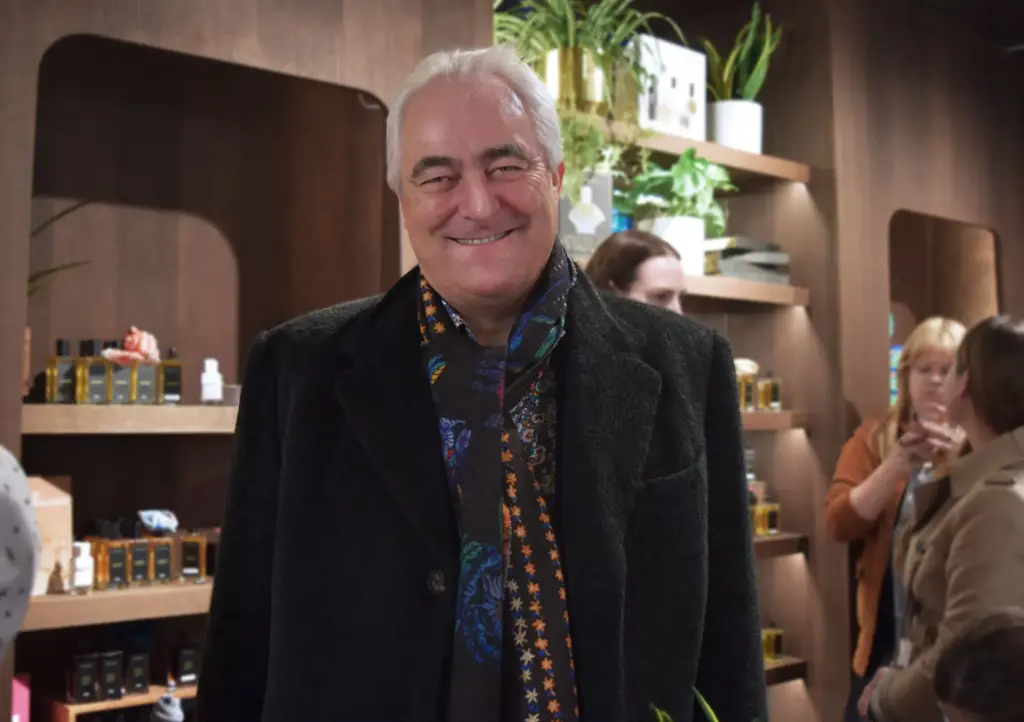
Mark Constantine, co-founder of Lush Cosmetics, stands out not only for his vibrant business but also for his passionate commitment to sustainable business practices and ethical consumerism. Unlike many in the corporate world, Constantine wears the label of “woke” with pride, showcasing Lush’s dedication to activism in retail through campaigns addressing pressing social issues, from police accountability to supporting trans rights. Since establishing the company in 1995, he has transformed Lush into a globally recognized brand, boasting over 869 outlets and attracting a loyal customer base with its unique bath and beauty products. Emphasizing family-owned business values, Constantine ensures that Lush maintains its independence and integrity, advocating for both its employees and the broader community. His approach reflects a growing trend among consumers who prioritize buying from brands that actively align with their values and stand for social justice.
Mark Constantine, a pivotal figure behind the Lush brand, exemplifies the traits of a socially aware entrepreneur dedicated to fostering sustainable practices in the beauty industry. He champions a strong focus on social responsibility, encouraging a retail model that intertwines activism with product offerings, ultimately setting a new standard for ethical consumerism. As the leader of a family-owned enterprise, he reinforces the importance of maintaining control over business values to navigate the complex landscape of modern retail. This unique positioning highlights a shift towards prioritizing community engagement and conscious consumer choices, ensuring that companies not only thrive financially but also contribute positively to broader societal issues. Through his leadership, Lush continues to inspire other businesses to embrace integrity and responsibility in their operations.
Mark Constantine: The ‘Woke Nerd’ Championing Activism in Retail
Mark Constantine, Lush co-founder, proudly embraces the label of ‘woke’ as part of his ethos in business. Unlike many corporate leaders who shy away from political activism, Constantine integrates social issues into Lush’s business model, proving that ethical consumerism can thrive alongside profitability. Under his guidance, Lush has gained a reputation for standing firm on controversial issues, such as trans rights and police accountability, making it a leader in sustainable business practices and ethical retail.
Constantine’s approach to social activism isn’t just a marketing strategy; it stems from a deep-rooted belief that businesses have a societal responsibility. He believes that companies should boldly advocate for their values, even at the risk of alienating some customers. In an era where many brands prioritize profits over principles, his stance on activism fosters deep loyalty among those who share Lush’s commitment to ethical practices, solidifying its place as a hallmark of family-owned businesses that prioritize community and causes.
The Importance of Family-Owned Businesses in the Modern Economy
Family-owned businesses like Lush, founded by Mark Constantine and his partners, often cultivate a unique culture centered around long-term relationships and sustainable growth. Constantine asserts that these businesses yield better returns on investment because they are built on strong familial ties and shared values that endure through economic fluctuations. This foundation fosters a resilience that many publicly traded companies struggle to achieve, as they often prioritize quarterly profits over long-term vision.
Moreover, family businesses like Lush are crucial for local economies, providing stable employment and investing back into their communities. Constantine highlights that these kinds of enterprises often face challenges from government policies that fail to recognize their value. For instance, the impending inheritance tax on family business assets risks forcing many owners to sell, endangering the familial legacy and causing potential job losses. By advocating for fair treatment of family businesses in policy decisions, Constantine aims to preserve their vital role in fostering ethical consumerism.
Lush’s Bold Stances: Shaping Public Opinion through Retail Activism
Lush has made headlines not just for its vibrant products but for its fearless activism. Mark Constantine’s decision to shut down social media accounts, citing concerns for the mental health of young people, is just one example of the company taking a bold stand. This move illustrates Lush’s commitment to prioritizing ethical values over social media trends, reinforcing its brand image as a champion of well-being and social causes. By placing activism at the forefront, Lush differentiates itself from competitors who typically avoid political discourse.
Through its proactive measures, Lush has garnered respect and reinforced its mission of ethical consumerism. For instance, the company’s protest against starvation in Gaza showcased its willingness to sacrifice a shopping day in order to promote global humanitarian issues. This level of engagement not only resonates with socially conscious consumers but also stimulates broader discussions about the responsibilities of corporations. Lush’s actions challenge other retailers to examine their values and the potential impact they can have on the world.
The Future of Retail: Balancing Profit with Purpose
As retail evolves, the conversation around what defines success is changing. Mark Constantine foresees a future where businesses must blend profit-making with purposeful engagement in social issues. He champions the idea that treating employees fairly, raising wages, and fostering a supportive workplace can enhance both morale and productivity. Lush’s commitment to ethical business practices illustrates how prioritizing employee well-being can lead to a thriving retail environment and reap benefits for the broader economy.
Constantine believes that modern retailers should focus on creating immersive and enjoyable shopping experiences. Lush has transformed traditional retail by incorporating spa treatments and customer engagement activities, which significantly enhance customer loyalty. By aligning business strategies with social values, companies can cultivate an inviting workplace and shopping experience. This dual focus on experience and ethics could redefine the retail landscape, demonstrating that it is possible to be socially responsible while achieving financial success.
Addressing Controversies: Learning from Past Mistakes at Lush
Lush is no stranger to challenges, one being the admission of underpaying Australian workers. Mark Constantine openly acknowledges these missteps, emphasizing transparency in addressing errors. He advocates for accountability in business practices as a crucial aspect of maintaining trust with both employees and consumers. This approach aligns with Lush’s ethos of ethical consumerism, suggesting that acknowledging mistakes can be a powerful vehicle for positive change.
In response to past accusations regarding workplace conditions, Lush developed an action plan to rectify these issues swiftly. Constant vigilance in improving working conditions is not just a corporate obligation but a crucial part of Lush’s brand identity. By ensuring that its operations reflect its ethical principles, Lush aims to set an example for other businesses in the industry, demonstrating that continuous improvement and commitment to social values can coexist harmoniously with commercial success.
The Role of Innovation in Reinventing British Retail
Mark Constantine believes that innovation is the cornerstone of reinvigorating the British retail sector. As traditional shopping struggles against online competition, Lush emphasizes the need to create unique shopping experiences that cannot be replicated online. By coupling innovative products with engaging retail environments, Lush attracts customers who seek out memorable experiences. This focus on innovation also encourages a sense of community and connection, vital elements in a world increasingly driven by digital interactions.
By pushing boundaries in product development and customer interactions, Lush serves as a model for how brick-and-mortar stores can evolve. Constantine’s vision extends beyond Lush as he encourages other retailers to adopt similar innovations that align with consumer trends towards sustainability and ethics. A new wave of innovative retailing that embraces core values can drive both foot traffic and consumer loyalty, creating a win-win scenario for businesses and customers alike.
Lush: A Case Study in Ethical Consumerism
The journey of Lush under Mark Constantine highlights the significant shift towards ethical consumerism in today’s market. Consumers increasingly seek products not just for their utility but also for their alignment with personal values. Lush’s commitment to cruelty-free, sustainable practices and active involvement in social causes sets it apart from typical cosmetics brands. This ethos resonates with a growing demographic of conscious shoppers who demand transparency and responsibility in their purchasing decisions.
Lush effectively utilizes its corporate voice to advocate for social issues, ensuring that its customers feel empowered through their purchases. By turning shopping into an ethical act, Lush not only retains loyal customers but educates them on broader societal challenges. Emphasizing ethical consumerism as a key pillar of its business strategy, Lush exemplifies how retail can contribute to meaningful social change while maintaining a profitable business model.
The Power of Community Engagement in Lush’s Business Model
Community engagement plays a pivotal role in Lush’s business operations, according to Mark Constantine. The brand often collaborates with local charities and causes, demonstrating a commitment to making a tangible difference within the communities it operates. This engagement fosters brand loyalty and encourages customers to feel they are part of a larger mission, which significantly contributes to the firm’s image as a responsible and approachable retailer.
Moreover, Lush’s initiatives often encourage consumers to participate in activism, transforming them from casual shoppers into informed advocates for change. By hosting workshops, events, and fundraisers, Lush cultivates a sense of belonging that resonates deeply with individuals who value social responsibility. This community-centric approach not only bolsters Lush’s commitment to ethical business practices, but ensures that it stands out in an increasingly competitive retail landscape.
Looking Ahead: Mark Constantine’s Vision for Lush and Beyond
Mark Constantine’s vision for Lush extends beyond successful retail; he aims to pioneer a new wave of business that marries profit with purpose. He believes that the future of the retail industry hinges on the ability of companies to engage meaningfully with social issues. His commitment to unique product offerings and robust activism sets a precedent for other brands in the field to follow—a reminder that businesses can thrive while contributing positively to society.
In the coming years, Lush aims to continue its tradition of innovation, ethical consumerism, and community engagement. Constantine envisions a future where his philosophy of ‘woke’ retail inspires others to recognize the impact of their business practices. By reinforcing the importance of social responsibility in retail, he hopes to usher in a new era that sees businesses as vital players in creating a more equitable and sustainable world.
Frequently Asked Questions
What are Mark Constantine’s contributions to sustainable business practices at Lush Cosmetics?
Mark Constantine, co-founder of Lush Cosmetics, has established sustainable business practices that prioritize environmental responsibility, ethical sourcing, and activism against social issues. Lush is known for its fresh, handmade products that are free from harmful ingredients, and for its commitment to animal welfare. Under Constantine’s leadership, Lush has implemented initiatives such as minimal packaging, recycling programs, and transparency in supply chains, setting the standard for ethical consumerism in the beauty industry.
How has Mark Constantine integrated activism in retail into Lush Cosmetics’ business model?
Mark Constantine has fully integrated activism in retail into Lush’s business model by positioning the company as a voice for social and environmental causes. He believes in using the brand’s platform to advocate for issues such as trans rights, police accountability, and climate change. By organizing campaigns and events, Lush actively participates in dialogues surrounding these issues, demonstrating that retail can be a force for good while boosting brand loyalty among ethically-minded consumers.
What makes Lush Cosmetics a leading example of family-owned businesses, as seen through Mark Constantine’s leadership?
Under Mark Constantine’s leadership, Lush Cosmetics exemplifies the strengths of family-owned businesses by fostering a culture of collaboration and shared values among its co-founders. The involvement of Constantine’s family, along with other founders, ensures that the company’s vision is upheld across generations. This stability and commitment to family principles contribute to Lush’s long-term success and adaptability in a competitive market, reinforcing the idea that family-owned businesses tend to outperform their counterparts.
What role does ethical consumerism play in Lush Cosmetics’ mission, as championed by Mark Constantine?
Ethical consumerism is at the core of Lush Cosmetics’ mission, a principle championed by co-founder Mark Constantine. By promoting cruelty-free products, supporting fair trade practices, and engaging in activist campaigns, Lush aims to educate consumers about the impact of their purchasing decisions. Constantine believes that empowering customers to make ethical choices not only helps the environment but also fosters a community of conscious consumers who align with Lush’s values.
How has Mark Constantine shaped Lush Cosmetics’ unique shopping experience to attract customers?
Mark Constantine has played a pivotal role in shaping Lush Cosmetics’ unique shopping experience by emphasizing fun and engagement. Under his guidance, Lush has transformed retail into an experiential journey, offering interactive product demonstrations, spa treatments, and themed events. This immersive approach not only attracts customers but also creates memorable interactions that foster brand loyalty and encourage repeat visits, setting Lush apart in a crowded retail environment.
How does Mark Constantine view the future of the brick-and-mortar shopping landscape for Lush Cosmetics?
Mark Constantine is optimistic about the future of brick-and-mortar shopping for Lush Cosmetics, believing that a return to traditional values—like innovation, kindness, and customer service—will revitalize the retail experience. He advocates for creating environments where shopping is enjoyable and meaningful, suggesting that Lush’s commitment to ethical practices and activism will resonate with consumers and help maintain its relevance in an evolving market.
What challenges has Lush Cosmetics faced under Mark Constantine’s management, and how has the company addressed them?
Under Mark Constantine’s management, Lush Cosmetics has faced challenges, including past underpayment of workers and criticisms regarding working conditions. In response, Lush has committed to rectifying these issues by implementing action plans, ensuring transparency, and prioritizing fair labor practices. Constantine’s leadership emphasizes accountability and a dedication to learning from mistakes, reinforcing Lush’s reputation as an ethical leader in the cosmetics industry.
| Key Point | Description |
|---|---|
| Mark Constantine’s Philosophy | Wears the label ‘woke’ as a badge of honor, incorporating activism into Lush’s business model. |
| Company Values | Focus on social issues such as trans rights and police accountability, standing out in British retail. |
| Business Growth | Growth from a small store to a global brand with 869 outlets and £690 million turnover. |
| Activism Impact | Bold stances include shutting down social media and closing stores to protest social issues. |
| Family Business Ownership | Privately owned by co-founders and family, emphasizing longevity and loyalty. |
| Views on Employment | Supports raising the minimum wage, believing it benefits the economy. |
| Working Conditions Issue | Admitted to past underpayment issues in Australia but has taken steps to rectify them. |
Summary
Lush co-founder Mark Constantine takes pride in being a ‘woke nerd’ who embraces activism as integral to the company’s identity. His commitment to social responsibility and ethical business practices distinguishes Lush in the competitive retail landscape, showcasing that a strong value-driven philosophy can coexist with commercial success. By prioritizing social issues and maintaining a family-oriented business structure, Constantine demonstrates that businesses can thrive by upholding principles of kindness and innovation.

