Listen to this article
The Luigi Mangione trial has drawn significant attention as the accused faces serious murder charges in connection with the death of United Healthcare CEO, Brian Thompson. This highly publicized court hearing unfolded in New York, focusing on critical key evidence that could influence the outcome of the case. Mr. Mangione, aged 27, pleaded not guilty, asserting that the evidence against him, including a gun and a personal notebook, was obtained improperly by law enforcement. As defense attorneys challenge the admissibility of this evidence, the implications of their arguments could shift the trial’s trajectory, possibly protecting their client from facing the death penalty. This case not only raises questions about justice and legality but also showcases the complexities of the judicial process in high-profile murder trials.
In a case that has captivated the public, the trial of Luigi Mangione involves deeply concerning allegations surrounding the murder of prominent healthcare figure Brian Thompson. Legal proceedings are now at a pivotal stage as Mr. Mangione’s defense team seeks to contest the validity of crucial pieces of evidence presented by the prosecution. The trial’s developments, including the examination of witness testimonies and procedural complexities, highlight the intricate dynamics at play within the American legal system. As the court navigates through these challenging issues, the implications for the defendant, who has maintained his innocence, remain profound. This trial serves as a keen observation point for the interplay between law enforcement practices and the preservation of individual rights in murder case litigation.
Overview of the Luigi Mangione Trial
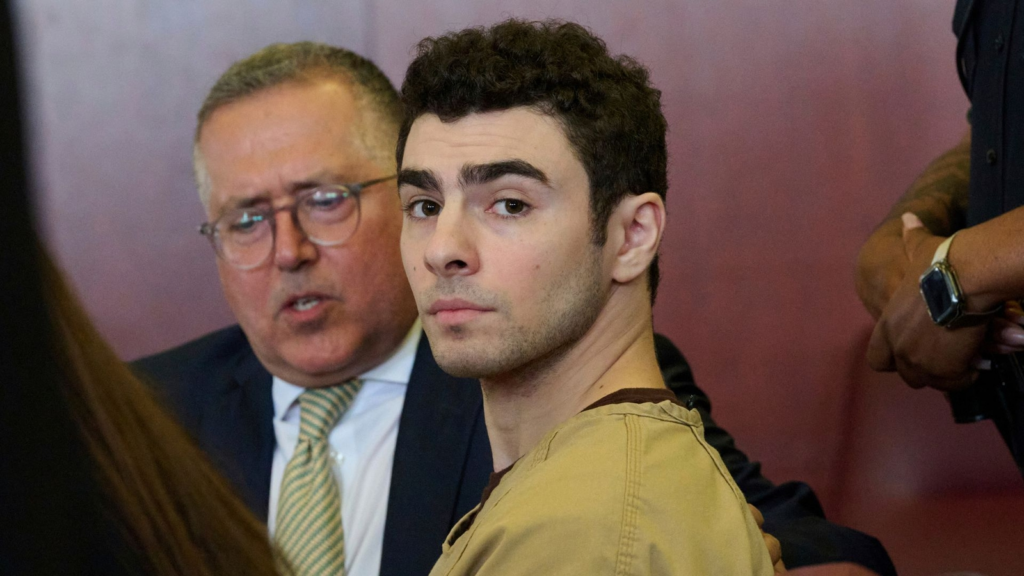
The trial of Luigi Mangione has captured significant media attention, stemming from the tragic shooting of United Healthcare CEO Brian Thompson in Manhattan. Accused of first-degree murder, Mangione, who is just 27 years old, faces both state and federal charges, which could potentially lead to the death penalty if convicted. He has entered a not-guilty plea, and the ongoing court hearings have raised questions about the admissibility of crucial evidence that the prosecution plans to present.
Court hearings are not uncommon in high-profile murder cases, particularly when the stakes are as high as they are for Mr. Mangione. As the trial unfolds, defense attorneys are challenging various pieces of evidence, arguing that some were obtained unlawfully and thus should not be considered at trial. With both teams of lawyers preparing to present evidence and witnesses, the public and legal experts alike are anticipating a lengthy and complicated process leading to a courtroom verdict.
Key Evidence in Mangione’s Case
Key evidence is central to the prosecution’s case against Luigi Mangione, including a firearm purportedly linked to the murder of Brian Thompson. Prosecutors assert that a 9mm handgun found in Mangione’s possession matches the weapon used in the shooting. Moreover, they allege that a notebook discovered alongside the gun contains writings that outline a motive related to the health insurance industry—an industry Mr. Thompson was a significant part of.
The defense is vigorously contesting the legality of how this evidence was obtained. They argue that the search that led to the discovery of these critical items was conducted without a warrant, thus violating Mr. Mangione’s constitutional rights. The outcome of this argument could pivotal for the trial, as excluding such key evidence might severely weaken the prosecution’s case and open avenues for the defense’s strategy.
The Role of Defense Attorneys in High-Stakes Trials
In the high-stakes arena of criminal justice, the role of defense attorneys is crucial, particularly in cases like that of Luigi Mangione. Defense lawyers not only strive to protect their client’s rights but also navigate complex legal landscapes, aiming to challenge and suppress key evidence that could be detrimental to their case. In this instance, defense attorneys are utilizing every tool available as they contest the admissibility of searches and the validity of evidence collected during the arrest.
Additionally, defense attorneys work diligently to construct a narrative that frames their client in a more favorable light. This is especially vital in cases involving public sentiment and media coverage, where perception can significantly influence jury dynamics. Their efforts in the trial have already highlighted potential inconsistencies in prosecutorial claims, which may sway the jury’s opinion when the trial ultimately gets underway.
Implications of Pre-Trial Hearings
Pre-trial hearings serve a critical function in the legal process, particularly in high-profile cases such as Luigi Mangione’s. These hearings can set the tone for the trial, giving insight into the strategies each side might employ when the case moves forward. They allow the defense to test the strength of the prosecution’s evidence and narrow the basis for what the jury will eventually hear, creating a strategic advantage.
During these hearings, legal teams often have the opportunity to examine law enforcement officials and other witnesses, which helps them prepare more effectively for trial. Mr. Mangione’s defense attorneys will use information gleaned from these proceedings to address any weaknesses in the prosecution’s case and potentially leverage inconsistencies in witness testimonies to their advantage.
Scrutiny Surrounding Evidence Collection
The scrutiny of evidence collection methods plays a paramount role in high-profile trials like that of Luigi Mangione. As the defense challenges the validity of key pieces of evidence, including the handgun and notebook allegedly found during an illegal search, questions arise concerning law enforcement’s adherence to proper protocols. The legal debates about evidence collection could ultimately define the outcome of the trial.
Critics of the prosecution argue that the rush to collect evidence following a violent crime can lead to instances where defendants’ rights are overlooked. Mangione’s case exemplifies this tension; the defense’s insistence on lawful evidence gathering reflects a fundamental principle of the legal system—every defendant is entitled to a fair trial based on admissible evidence. The resolutions to these challenges could serve as significant precedents in similar cases moving forward.
Public Perception and Media Influence
The high-profile nature of Luigi Mangione’s trial has led to widespread media coverage, which plays a significant role in shaping public perception. This scrutiny not only influences how the case is viewed by the public but can also impact jury selection and the overall atmosphere surrounding the trial. Such intense media focus can make it challenging for the defense to find jurors who have not already formed opinions based on media portrayals of the case.
Moreover, the narratives constructed by news outlets can distort the complexities of the legal proceedings. For instance, highlighting sensational aspects of the case—such as the implications of the death penalty or comments made by high-ranking officials—can lead to a biased viewpoint that may not accurately reflect the judicial process or facts surrounding the case. The defense must be acutely aware of these dynamics as they navigate their case to ensure a fair trial for Mr. Mangione.
Potential Outcomes of the Trial
The outcomes of high-stakes cases like that of Luigi Mangione hinge on various factors, including the strength of the evidence presented and the legal strategies employed by both sides. Should the judge rule in favor of the defense and exclude key evidence, such as the gun and notebook, the prosecution’s case could significantly weaken. This outcome could lead to reduced charges or even a possible dismissal of the case, depending on the remaining evidence.
Conversely, if the prosecution successfully maintains the admissibility of the key evidence, Mr. Mangione may face a challenging path ahead in court. A conviction on murder charges could result in severe penalties, potentially including the death penalty, given the nature of the crimes he stands accused of. Legal experts anticipate that the proceedings may take unexpected turns, making it essential for both sides to be prepared for a lengthy trial that could evolve based on new evidence or testimony.
Witness Testimonies and Their Impact
During trial proceedings, witness testimonies can significantly influence outcomes—an aspect that both the prosecution and defense are keenly aware of in the Luigi Mangione case. Testimonies from individuals like surveillance operators or bystanders can provide critical context to the events surrounding the murder of Brian Thompson. As presented in court, visual evidence from CCTV footage plays a pivotal role in establishing timelines and behaviors that could either implicate or exonerate Mangione.
Furthermore, the way witnesses present their accounts can affect jury perception. In this case, the defense may scrutinize the credibility of witnesses whose statements appear inconsistent with other evidence. They may also leverage testimony that challenges the prosecution’s narrative, aiming to create reasonable doubt among jurors. The preparation for witness examinations at pre-trial hearings affords the defense vital insights to frame their approach in the upcoming trial.
Legal Strategies Against the Death Penalty
The possibility of the death penalty looms large over the trial of Luigi Mangione, prompting his legal team to adopt strategic measures to combat this outcome. Arguments against the death penalty often delve into the nuances of public statements made by officials, which the defense claims could prejudice the case against their client. They assert that remarks made by prominent figures could lead to bias in how jurors perceive Mangione, thus compromising the fairness of the trial.
In preparing for potential outcomes, the defense team aims to highlight these issues as they advocate for a more lenient approach to sentencing. Their focus on the politically charged atmosphere surrounding the case provides a grounds for their arguments, as they seek to demonstrate that public sentiment shouldn’t dictate judicial outcomes. Ultimately, the success of these strategies could influence whether Mangione faces life in prison or is subjected to capital punishment.
Frequently Asked Questions
What is the current status of the Luigi Mangione trial?
The trial for Luigi Mangione, accused in the murder of Brian Thompson, is currently in the pre-trial phase as defense attorneys challenge the admissibility of key evidence against him. Mangione has pleaded not guilty to state and federal murder charges that could result in the death penalty.
What key evidence is being disputed in the Luigi Mangione trial?
In the Luigi Mangione trial, defense attorneys are contesting the admissibility of key evidence, including a 9mm handgun alleged to be the murder weapon and a notebook that supposedly outlines Mangione’s motive for the murder of Brian Thompson.
How are defense attorneys approaching the evidence in the Luigi Mangione court hearing?
Defense attorneys in the Luigi Mangione court hearing are attempting to suppress evidence obtained from Mangione’s arrest, claiming it was acquired without a warrant, as well as statements made to police before he was informed of his rights.
What charges is Luigi Mangione facing related to the murder of Brian Thompson?
Luigi Mangione is facing both state and federal murder charges in connection with the fatal shooting of Brian Thompson, along with a possibility of receiving the death penalty.
What implications does the evidence have for the Luigi Mangione trial?
The evidence, including a handgun linked to the crime and a notebook detailing a motive, plays a crucial role in the Luigi Mangione trial, as the exclusion of this evidence could significantly weaken the prosecution’s case.
What have prosecutors presented as evidence in the Luigi Mangione trial?
Prosecutors in the Luigi Mangione trial have presented key evidence, including surveillance footage from the shooting, DNA or fingerprints associated with the crime scene, and witness testimonies linking him to the murder of Brian Thompson.
What details were revealed during the key evidence hearings in the Luigi Mangione case?
During the key evidence hearings in the Luigi Mangione case, insights were provided by law enforcement witnesses about surveillance footage, testimony from a McDonald’s employee, and 911 calls related to his arrest.
What is the significance of the pre-trial hearings in the Luigi Mangione case?
The pre-trial hearings in the Luigi Mangione case are significant as they allow the defense to contest crucial evidence and prepare for trial by testing the credibility of witnesses that may be called during the actual proceedings.
How might political statements affect the Luigi Mangione trial?
Political statements made by high-ranking officials could prejudice the Luigi Mangione trial, as his legal team argues they have created a bias against him, potentially affecting the outcome and fairness of the proceedings.
What is Luigi Mangione’s plea in the murder charges against him?
Luigi Mangione has pleaded not guilty to the murder charges against him in the trial related to the fatal shooting of Brian Thompson, asserting his innocence as his defense explores potential inconsistencies in evidence.
| Key Point | Details |
|---|---|
| Accusation | Luigi Mangione is accused of fatally shooting United Healthcare CEO Brian Thompson. |
| Court Appearance | Mangione appeared in court challenging the admissibility of key evidence. |
| Charges | Mangione has pleaded not guilty to both state and federal murder charges. |
| Evidence Dispute | Defense aims to exclude a gun and a notebook claiming they outline a motive. |
| Arrest Details | Mangione was arrested in Pennsylvania after the shooting. |
| Pre-trial Hearing | Hearing focuses on the legality of evidence collection during Mangione’s arrest. |
| Potential Outcome | Exclusion of key evidence could significantly impact the prosecution’s case. |
| Legal Commentary | Legal experts indicate slim chances for evidence suppression despite defense efforts. |
Summary
The Luigi Mangione trial continues to unfold as the defendant’s legal team diligently challenges the admissibility of crucial evidence amidst serious murder charges. The outcome of this case, particularly regarding evidence exclusion, is pivotal for Mangione’s defense strategy, particularly as the implications of such decisions could either solidify the prosecution’s case or significantly weaken it. As the trial progresses, the scrutiny of gathering evidence and pre-trial hearings will play a crucial role in determining the course of justice for both the accused and the victim’s family.