Listen to this article
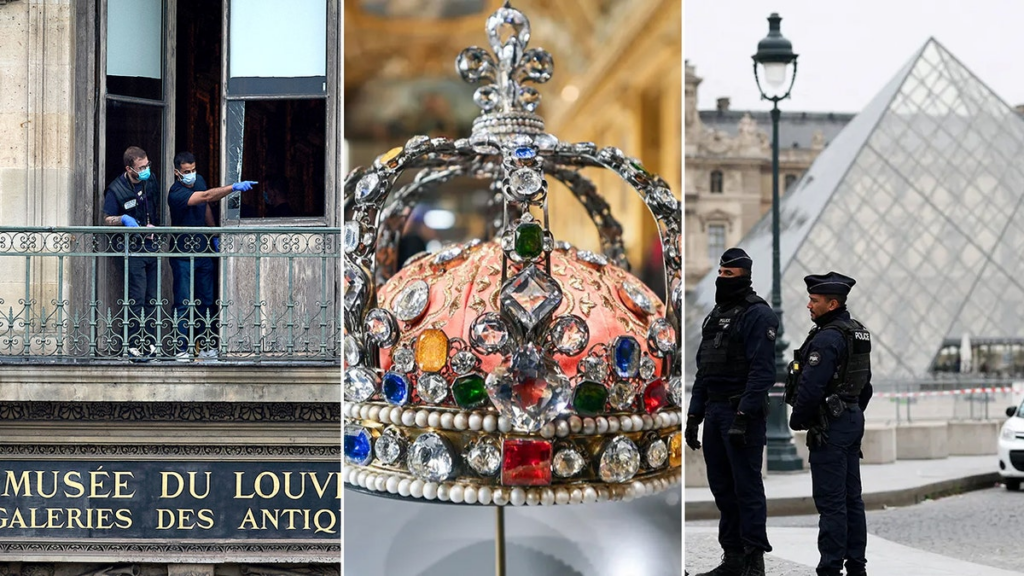
In a brazen daylight robbery, the Louvre Museum was targeted in a shocking jewelry heist that has captivated the public and media alike. The audacious crime occurred on October 19, when a gang of thieves executed a meticulously planned operation, making off with jewels valued at an astonishing €88 million. In the aftermath, authorities have made significant strides in the ongoing investigation, with four suspects arrested this past week in relation to the Louvre Museum jewelry heist. These arrests are part of a broader effort to unravel the details of the jewelry robbery that rattled Paris, particularly concerning the techniques the thieves employed – including a vehicle-mounted mechanical lift to penetrate one of the museum’s most iconic galleries. As the stolen jewels investigation unfolds, no signs of the missing artifacts have yet surfaced, stirring concerns about the effectiveness of Paris Museum security during such high-profile incidents.
The infamous theft at the Louvre Museum has sent shockwaves through the art and security communities, raising crucial questions about museum safety and the effectiveness of their theft prevention strategies. Often referred to as the “Gallery of Apollo theft,” this incident highlights the vulnerability of even the most prestigious institutions to criminal activity. With astonishingly valuable pieces missing, including a tiara once owned by Empress Eugenie, the ramifications of the robbery reach far beyond just financial loss. Investigators are delving into the details surrounding the jewelry robbery, aiming to piece together how a group of petty criminals managed to breach a renowned cultural establishment with such apparent ease. As arrests continue, the narrative around this elaborate crime evolves, with deeper insights into organized crime dynamics and security lapses becoming increasingly critical.
Recent Developments in the Louvre Museum Jewelry Heist
The investigation into the notorious Louvre Museum jewelry heist has taken a significant turn with the arrest of four more individuals linked to the crime. This recent development highlights the ongoing efforts of law enforcement to unravel the details behind the daylight robbery that shocked Paris and the world. The Paris prosecutor’s office confirmed that among the new suspects are two men and two women, aged between 31 and 39, all reportedly from the Paris region. Their ties to the earlier arrested suspects suggest a deeper network involved in what has become one of the most talked-about jewelry robberies in recent history.
Authorities now face a pressing 96-hour timeline to interrogate these new captives. This comes on the heels of prior arrests that involved a total of four individuals, including a woman with alleged connections to organized theft. As details of the Louvre heist unfold, the stolen jewels investigation continues to piece together a picture of hubris and oversight within museum security. The case has drawn attention not just for the scale of the theft—with items valued at €88 million—but also for the apparent lapses in security measures that allowed such a brazen act to unfold.
The Security Failures Surrounding the Gallery of Apollo Theft
In the wake of the Louvre Museum jewelry heist, questions about Paris Museum security have surfaced, particularly regarding the Gallery of Apollo, which was exploited by the thieves during the robbery. The robbery itself took place under the cover of daylight, a fact that speaks to the security measures—or lack thereof—implemented at one of the world’s most famous cultural institutions. Eyewitness accounts and initial investigations have illuminated grave oversights, such as a single security camera that was focused away from the entrance utilized by the criminals. This glaring flaw raises serious concerns about the effectiveness of the museum’s protective protocols.
As officials review the events leading up to and during the heist, it becomes clear that the Louvre’s awareness of security failures has prompted immediate changes. Laurence des Cars, the president of the Louvre, has openly acknowledged these lapses, asserting that increased investment in security had been a consistent priority since she took office. In response to the robbery, the museum has begun relocating high-value items to the Bank of France, reinforcing its commitment to improving oversight and preventing future incidents similar to the Gallery of Apollo theft.
The stolen jewels investigation is an arduous task, compounded by the sophisticated strategies employed by the gang. The thieves’ use of a stolen vehicle-mounted mechanical lift and cutting equipment showcases a level of organization that belies the president’s claim that the robbery was carried out by petty criminals. As the court proceedings advance, uncovering the details of how such an audacious theft was facilitated will be crucial for enhancing security protocols throughout Parisian museums.
Impact of the Louvre Heist on Museum Policies
The audacious Louvre Museum jewelry heist serves as a wake-up call for museums worldwide, highlighting the importance of robust security measures. The incident has prompted an immediate reevaluation of policies not just within the Louvre but across various cultural institutions in France. Following the theft, the Louvre’s administration faced public scrutiny, leading to discussions on implementing more stringent security approaches to protect valuable artifacts. Enhanced training for security personnel and upgraded surveillance systems are being considered to mitigate future risks.
Moreover, the incident has stirred a broader conversation about the balance between accessibility and security in cultural institutions. As museums aim to attract visitors and promote engagement with their collections, they must also ensure that their treasures are safeguarded against potential threats. The policy adjustments that may follow the Louvre heist could include a more holistic approach to crime prevention, combining technology with human oversight to create an adaptable, responsive security environment.
The Aftermath of the Louvre Heist: Arrests and Beyond
Following the Louvre Museum jewelry heist, the Paris prosecutor’s office has made significant strides in arresting key suspects involved in the crime. The swift identification and capture of those alleged to be part of the gang indicate a strong law enforcement presence keen on restoring public confidence. Previous arrests included three men and a woman, with more recent apprehensions implying a network that might have extended beyond the immediate perpetrators. As police continue to investigate, the complexity of the jewelry robbery details is becoming increasingly apparent.
The implications of these arrests extend beyond mere criminal accountability. They raise broader questions about the effectiveness of legal and policing systems in addressing high-profile thefts. The ongoing investigation into the stolen jewels reflects the struggle to reclaim items valued at €88 million while simultaneously navigating the delicate interplay between the legal proceedings and public safety perception. As the details unfold, the Louvre’s reputation, alongside its future security protocols, will remain under intense scrutiny.
Insights into the Thieves: Criminal Backgrounds andMethodologies
Understanding the backgrounds of those involved in the Louvre Museum jewelry heist can shed light on the methods employed during the theft. The involvement of local petty criminals rather than seasoned professional thieves points to a certain level of desperation and opportunity that fueled the audacious crime. Accusations of criminal conspiracy have already surfaced, indicating a potentially organized effort to facilitate the robbery. As investigators dig deeper into their histories, parallels to other jewelry robberies in Paris may emerge, allowing law enforcement to anticipate the moves of similar future crimes.
Moreover, the methodologies used by the thieves, from utilizing mechanical lifts to break into the Gallery of Apollo, illustrate a calculated plan that required forethought and criminal ingenuity. By employing standard tools to defeat security measures, these individuals attempted to exploit a perceived vulnerability. The insights gained from analyzing their tactics will be instrumental as authorities aim to bolster security measures and prevent future incidents.
Public Reaction to the Louvre Heist and Its Implications
The public reaction to the Louvre Museum jewelry heist has been one of shock and disbelief, particularly considering the museum’s stature as a symbol of culture and history. News outlets worldwide have covered the incident extensively, highlighting the audacity of a theft committed in broad daylight and the subsequent series of arrests that followed. The high-profile nature of the case has amplified concerns regarding the safety of cultural artifacts, leading to calls for greater accountability and enhanced security measures at institutions housing invaluable treasures.
Moreover, discussions have arisen about how such incidents affect public trust in museums. While many patrons view these institutions as safe havens for art and history, the heist reveals vulnerabilities that could deter potential visitors. The Louvre’s handling of the aftermath, including intensified security measures and transparency during the investigation, will play a crucial role in determining how the public perceives the museum’s commitment to protecting its collections and the broader cultural heritage.
Ongoing Investigations: Challenges in Recovering Stolen Jewels
The ongoing investigations into the Louvre Museum jewelry heist face numerous challenges, particularly in terms of recovering the stolen jewels. Despite the swift arrest of suspects, investigators have yet to locate any of the missing items valued at €88 million. Such recoveries often involve complex networking among criminals, and those familiar with the art trafficking world. The intricate nature of stolen jewels investigations requires a multifaceted approach, leveraging both forensic analysis and intelligence-led policing to track down where these items might have been concealed or sold.
Complicating matters further is the possibility that the jewelry may have been dismantled or sold off in parts, making recovery efforts increasingly complicated. As law enforcement continues to question arrested suspects, obtaining intelligence about the distribution of stolen items will be key to reclaiming the stolen jewels. Additionally, the collaboration with international agencies that specialize in art theft will be vital in tracking the movement of stolen pieces across borders, ensuring that authorities remain vigilant against ongoing threats to cultural heritage.
Cultural Significance of the Stolen Treasures
The items stolen during the Louvre Museum jewelry heist hold tremendous cultural significance, representing both historical craftsmanship and the legacy of influential figures like Napoleon III. Among the jewels taken was the remarkable Marie-Louise necklace, a testament to intricate design and artistry from a bygone era. Each piece of jewelry tells a story, reflecting not only the opulence of their time but also the enduring value of preserving cultural artifacts for future generations.
The loss of such treasures raises critical questions about the preservation of history in the face of theft. As museums and collectors work to safeguard their collections, the demand for robust measures to ensure the security of culturally important pieces becomes paramount. The stolen jewels investigate not just the logistical aspects of recovery but also the emotional impact of losing irreplaceable artifacts that connect communities to their past.
How Museums Are Reinventing Security Strategies Post-Heist
In light of the Louvre Museum jewelry heist, many cultural institutions are re-evaluating and reinventing their security strategies to prevent similar incidents. Museums are increasingly turning to advanced technologies, such as biometric access controls and real-time monitoring systems, to bolster their safety measures. There is a growing understanding that proactive and adaptive security measures are essential in safeguarding valuable collections while maintaining a welcoming atmosphere for visitors.
Moreover, post-heist evaluations highlight the importance of ongoing training for security personnel to recognize potential threats and respond effectively. Collaborative efforts among institutions to share best practices and intelligence regarding theft and recovery can enhance the overall security landscape. As the museum community comes together to share insights gained from the Louvre heist, it is evident that a commitment to comprehensive safety strategies will be crucial in protecting cultural legacies for generations to come.
Frequently Asked Questions
What were the recent developments in the Louvre Museum jewelry heist investigation?
Recently, four more suspects have been arrested as part of the investigation into the Louvre Museum jewelry heist that occurred last month. These arrests included two men aged 38 and 39, and two women aged 31 and 40, all from the Paris area. This brings the total arrested to seven individuals involved in this jewelry robbery.
What were the stolen jewels from the Louvre heist?
The stolen jewels during the Louvre Museum jewelry heist included eight valuable items, notably the Marie-Louise necklace, a pair of earrings, and a tiara worn by Empress Eugenie of France. The total estimated value of these stolen jewels is €88 million.
How did the thieves access the Gallery of Apollo during the Louvre Museum jewelry robbery?
During the Louvre Museum jewelry robbery, the gang of thieves utilized a stolen vehicle-mounted mechanical lift, allowing them to reach the Gallery of Apollo through a balcony. They used a disc cutter to break open the display cases and executed the heist within just four minutes.
What security failures were revealed after the Louvre Museum jewelry theft?
Following the Louvre Museum jewelry theft, it was disclosed that the only camera monitoring the Gallery of Apollo did not cover the balcony from which the thieves entered. The Louvre’s president acknowledged this lapse but confirmed that security had been consistently flagged for investment improvements since 2021.
Are any suspects facing charges for their involvement in the Louvre heist?
Yes, multiple suspects are facing charges related to the Louvre heist. Four people had been charged earlier, including two women and two men, with offenses like theft and criminal conspiracy. Authorities continue to investigate the broader network behind this jewelry robbery.
What measures has the Louvre implemented post-heist to enhance security?
In response to the jewelry heist, the Louvre Museum has strengthened security protocols across its premises, including relocating some of its most valuable jewels to the Bank of France to prevent future incidents.
What evidence do police have regarding the suspects in the Louvre jewelry heist?
As part of the investigation into the Louvre jewelry heist, police have secured partial confessions from two suspects identified earlier, while ongoing questioning of the additional arrests aims to gather more evidence about the theft and the organized network behind it.
What has been the public response to the Louvre Museum’s handling of security after the jewelry theft?
The public response to the Louvre Museum’s security handling after the jewelry theft has been critical. Many have expressed concerns regarding the museum’s failure to adequately monitor the Gallery of Apollo, leading to calls for stronger security measures and better oversight of museum assets.
| Key Point | Details |
|---|---|
| Recent Arrests | Four individuals (two men aged 38 and 39, two women aged 31 and 40) were arrested in connection with the jewelry theft at the Louvre. |
| Previous Arrests and Charges | Previously, four others (three men and a woman) were charged, including a woman charged with complicity in organized theft. |
| Value of Stolen Jewelry | The stolen items, including the Marie-Louise necklace and a tiara, are valued at €88 million ($102 million). |
| Heist Method | The thieves used a stolen mechanical lift to access the museum and broke open display cases with a disc cutter. |
| Security Measures | Security has been criticized; following the incident, the Louvre relocated valuable jewelry to the Bank of France. |
| CCTV Issues | The only camera monitoring the entrance was pointed away, failing to capture the heist in action. |
Summary
The Louvre Museum jewelry heist has garnered significant attention as investigators make multiple arrests in connection to the case. With the theft of invaluable jewelry, including items associated with Napoleon III and Empress Marie-Louise, security failures have raised concerns about the protection of cultural treasures. As authorities continue their investigation, the focus on enhancing security measures highlights the importance of safeguarding important artworks and artifacts.