
Listen to this article
In the world of finance, choosing between long term investing and short term trading can significantly impact your financial journey. Each approach offers distinct advantages and disadvantages, particularly for those exploring UK investing strategies. While long term investing benefits from compounding returns and reduced stress, short term trading poses risks that can challenge even the most seasoned investors. Understanding the nuances of each strategy is essential for aligning your investments with your financial goals. By comparing these investment methods, you can make informed choices that can enhance your wealth-building potential in the UK market.
When discussing capital growth methodologies, investors often face a critical decision: should they engage in prolonged asset holding or rapid trading transactions? The distinction between these two investing styles influences strategy formulation and risk assessment in the UK financial landscape. Long term asset accumulation typically yields sustainable growth, while rapid trading seeks to capture immediate market gains. Understanding these contrasting methodologies can empower you to tailor your investment journey effectively, ensuring it resonates with your personal financial aspirations and market outlook.
Exploring Long Term Investing Benefits
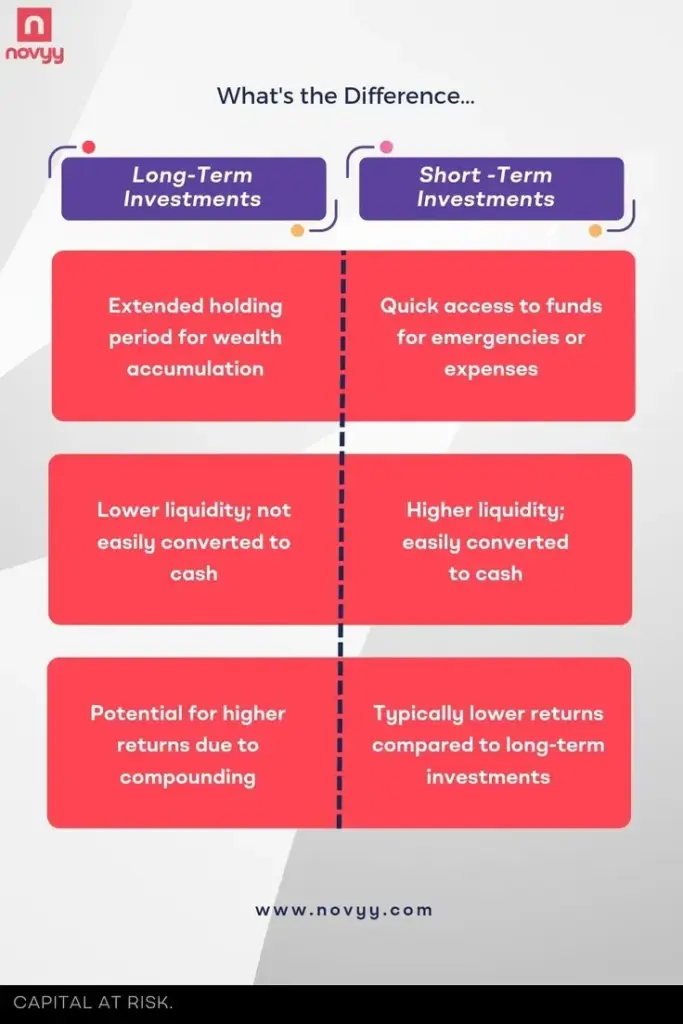
Long term investing provides significant advantages to those willing to embrace a patient and strategic approach towards wealth accumulation. One of the most notable benefits is the power of compounding returns, which allows investments to generate earnings not just on the principal amount but also on the previously accumulated earnings. This means that over time, even modest returns can lead to substantial growth, especially when combined with regular contributions. For UK investors, understanding this cumulative effect is vital in forming effective UK investing strategies that align with future financial goals.
Additionally, long term investing typically incurs lower transaction costs compared to short-term trading, where frequent buying and selling can quickly escalate expenses. By holding investments over extended periods, investors minimize brokerage fees and other transaction-related costs, leading to more favorable net returns. In the UK, the tax implications are also advantageous; long-term capital gains are generally taxed at lower rates, thereby enhancing overall investment returns.
Understanding Short Term Trading Risks
While short term trading can appeal to those looking for quick profits, it also carries significant risks that must be understood and managed effectively. The market’s inherent volatility means that prices can shift rapidly, leading to potential losses if trades are not executed precisely or at optimal times. This speculative nature requires traders to maintain a keen awareness of market trends and news, often leading to a high-stress environment that can test even seasoned investors’ resolve.
Moreover, high transaction costs incurred through frequent trades can diminish the potential profits made from short-term strategies. Many novice traders underestimate these costs, which can significantly erode returns over time. Thus, for UK investors considering short term trading, it’s crucial to not only understand the technical analysis behind their trades but also to prepare for the psychological rigors involved in navigating a volatile marketplace.
Investment Comparison UK: Short vs Long Term
When comparing long term investing to short term trading, the distinction lies in the underlying philosophy and approach to capital growth. Long term investing is characterized by a buy-and-hold strategy, where investors accumulate wealth gradually over years, often emphasizing fundamental analysis and value-based investing. In contrast, short term trading relies on price movements and market sentiment, favoring technical indicators and short-lived opportunities.
This investment comparison highlights that while short term trading can yield fast returns, long term investing provides stability and resilience in fluctuating markets. Understanding these differences allows UK investors to align their strategies with their individual financial goals, ensuring they choose an approach that suits their investment style and risk tolerance.
Aligning Financial Goals with Investment Strategies
Every investor has unique financial goals that should dictate their investment strategy. For individuals focused on retirement planning or saving for major life events, long term investing is typically more suitable. This approach reinforces disciplined saving and allows investments to grow unabated over time, maximizing wealth potential.
On the other hand, if immediate cash flow or short-term financial objectives are paramount, short term trading might be the more appropriate route. However, this choice should not be taken lightly; successful execution requires the ability to swiftly analyze market conditions and adapt strategies to mitigate risks associated with high volatility.
Assessing Risk Tolerance in Investing
Assessing risk tolerance is an essential step for any investor in choosing between long term investing and short term trading. Generally, long term investments are perceived as less stressful since they allow for gradual wealth accumulation without the need for constant market exposure. This aligns well with investors who prefer a more hands-off approach or have limited time to dedicate to active trading.
Conversely, short term trading can induce considerable stress due to the need for rapid decision-making and frequent market analysis. It is essential for potential traders to evaluate how much risk they can comfortably bear and how fluctuating markets affect their emotional well-being. Thus, aligning one’s investment choices with their risk tolerance can lead to a more fulfilling investment experience.
The Role of Time Commitment in Investment Choices
Time commitment is a critical factor influencing whether an investor should adopt a long term or short term strategy. Long term investing is ideal for those who may not have the time or interest to engage in daily trading activities, allowing them to focus on their core responsibilities while their investments grow over time.
On the other hand, short term trading requires continuous engagement and vigilance, as market conditions can change within minutes. This level of involvement might be suitable for those who enjoy the thrill of market dynamics and have the time resources necessary to devote to analysis and execution. Ultimately, understanding personal time commitments will inform which investment strategy is the best fit.
Frequently Asked Questions
What are the key differences between long term investing and short term trading in the UK market?
Long term investing focuses on buying and holding assets for several years, aiming for gradual capital growth through compounding returns. In contrast, short term trading involves buying and selling securities within shorter timeframes, seeking to capitalize on quick market movements and trends. Both strategies have distinct advantages; long-term investing generally incurs lower transaction costs and offers potential tax benefits, while short term trading can generate quicker profits but carries higher risks.
What are the benefits of long term investing compared to short term trading for UK investors?
The benefits of long term investing include compounding returns over time, lower transaction costs, reduced stress from daily market fluctuations, and favorable tax treatment on capital gains in the UK. These advantages make long term investing a preferred strategy for individuals looking to build wealth steadily without constantly monitoring the market, unlike short term trading which requires active involvement and can lead to higher risks.
What are the risks associated with short term trading versus long term investing in the UK?
Short term trading is associated with higher risks due to market volatility and the speculative nature of rapid trades, which can lead to substantial losses if market conditions shift unfavorably. On the other hand, long term investing, while subject to market fluctuations, often provides a more stable investment journey, given its focus on long-term growth and the power of compounding, reducing the stress and emotional volatility that comes with frequent trading.
How do financial goals influence the choice between long term investing and short term trading?
Your financial goals significantly impact your choice between long term investing and short term trading. If you aim to grow wealth gradually for long-term objectives like retirement, long term investing may be more suitable. Conversely, if you seek quicker returns or enjoy the excitement of the market, short term trading might appeal to you. Understanding your own goals helps determine which investment strategy aligns better with your aspirations and risk tolerance.
Can combining long term investing and short term trading be beneficial for UK investors?
Yes, combining long term investing and short term trading can be a beneficial strategy for UK investors. This hybrid approach allows you to invest major portions of your portfolio for long-term growth while engaging in short term trades to take advantage of immediate market opportunities. Diversifying your investment strategy in this manner can help balance risk and enhance potential returns.
How do transaction costs differ in long term investing vs. short term trading in the UK?
Transaction costs in long term investing tend to be lower due to infrequent trading, allowing investors to minimize fees associated with buying and selling securities. In contrast, short term trading often incurs higher transaction costs due to the frequency of trades, which can eat into profits and make the practice less viable for those focusing on long-term strategies. Therefore, considering transaction costs is crucial when deciding which investment strategy to pursue.
| Key Points | |
|---|---|
| Long Term Investing | Short Term Trading |
| Typically involves buying and holding assets for years or decades, focusing on appreciation over time. | Involves buying and selling assets within a short period, attempting to profit from small price movements. |
| **Pros:** Compounding returns, lower transaction costs, reduced stress, tax benefits. | **Pros:** Quick returns, active engagement, flexibility, potentially higher returns. |
| **Challenges:** Market volatility, need for extensive research, potential for long-term patience testing. | **Challenges:** Requires deep market understanding, time commitment, high transaction costs, and higher risk. |
| Ideal for investors focused on gradual wealth building and retirement goals. | Better suited for those looking for rapid returns and who enjoy market volatility. |
| Less stressful with a hands-off approach; investment growth is primary focus. | Can induce stress due to quick decision-making and market changes; requires constant engagement. |
Summary
Long Term Investing vs. Short Term Trading are two distinct approaches to building wealth in the financial markets. Long term investing emphasizes patience and gradual growth, favoring accumulation over many years, while short term trading prioritizes quick gains and active market participation. Each strategy offers its unique advantages and challenges, making the choice dependent on personal financial goals, risk tolerance, and available time for managing investments. Investors should carefully assess both methods to effectively align their investment strategy with their financial aspirations and lifestyle.