Listen to this article
Long-distance robotic surgery is paving the way for groundbreaking advancements in healthcare technology, revolutionizing how surgical procedures are performed. In the UK, a pioneering operation was conducted where a surgeon in London successfully operated on a patient 1,500 miles away in Gibraltar, showcasing the incredible potential of remote surgery. This innovative approach not only minimizes the need for travel but also enhances access to specialized care for patients in remote locations. With the integration of telemedicine and robotic surgery, healthcare innovation is evolving rapidly, promising improved outcomes and convenience for patients. As long-distance robotic surgery continues to develop, it opens the door to a new era of surgical precision and accessibility, marking a significant milestone in the field of medicine.
Referred to by terms like telesurgery and remote medical procedures, long-distance robotic surgery signifies a landmark shift in surgical practices, allowing surgeons to operate on patients from afar with remarkable accuracy. This cutting-edge technique leverages advanced robotic systems and real-time communication to facilitate intricate surgeries, significantly improving patient access to expert care. Through the application of healthcare technology, medical professionals can perform complex operations on individuals located in distant regions, diminishing the barriers posed by geographical constraints. As surgical innovation propels forward, such advancements promise a future where medical expertise is just a technological connection away, ultimately transforming healthcare delivery and patient experiences worldwide.
The Significance of Long-Distance Robotic Surgery
Long-distance robotic surgery marks a revolutionary advancement in the field of healthcare technology, providing unprecedented opportunities for patients needing specialized surgical intervention. This innovative procedure showcases the power of telemedicine, enabling surgeons to operate on individuals located thousands of miles away without the need for travel. By utilizing advanced robotic systems and fiber-optic connections, medical professionals like Professor Prokar Dasgupta can deliver high-quality surgical care remotely, enhancing access to treatment for those in remote or underserved regions.
The significance of this surgical innovation extends beyond mere convenience; it has the potential to transform patient outcomes by reducing wait times and costs associated with traditional surgical approaches. Patients, such as the recent recipient of prostate surgery in Gibraltar, can now bypass lengthy NHS waiting lists and receive timely treatment from top-tier specialists without leaving their homes. This dramatic shift in surgical capabilities can make a lasting impact on healthcare systems worldwide, particularly in areas where medical resources are limited.
Telemedicine and Its Role in Remote Surgery
Telemedicine plays an integral role in the development of remote surgery, facilitating real-time communication and operational control between surgeons and the robotic systems deployed in distant locations. The recent robotic surgery conducted 1,500 miles away exemplifies how telemedicine technology can effectively bridge geographical gaps in healthcare delivery. By providing a seamless connection that maintains a minimal delay, healthcare professionals can ensure that patients receive the highest level of care, regardless of their location.
Moreover, the integration of telemedicine with robotic surgery opens new avenues for training and collaboration among medical practitioners across the globe. As surgeons can now operate remotely, they can also share knowledge, skills, and techniques with their colleagues instantaneously. Events like the live-streaming of upcoming procedures to thousands of fellow surgeons not only showcase the technological prowess involved but also foster a global community focused on surgical excellence and patient care innovation.
Surgical Innovation in the Age of Robotics and Remote Procedures
The advent of robotic surgery has significantly altered conventional surgical practices, introducing new methodologies that enhance precision and reduce recovery times for patients. This surgical innovation is particularly evident in the field of urological surgery, where robotic systems are being utilized to perform complex procedures with improved accuracy. Long-distance robotic surgery takes this innovation a step further, utilizing cutting-edge technology to expand the reach of expert surgeons to patients who need them most.
In addition to improving outcomes for patients facing barriers to surgical options, this revolution in surgery allows for reduced hospital stays and faster recoveries. These benefits not only enhance patient satisfaction but also alleviate strain on healthcare resources by minimizing the need for extensive postoperative care. As robotic surgery continues to evolve and integrate with telemedicine, the possibilities for expanding surgical innovation remain limitless.
The Future of Healthcare Technology: Remote Surgery
As the healthcare landscape evolves, remote surgery stands at the forefront of technological advancement within the medical field. With ongoing developments in AI and robotics, the efficiency and effectiveness of surgical procedures are set to improve drastically. The successful long-distance robotic surgery performed for the first time in the UK is a testament to the remarkable progress being made in healthcare technology, leading to a future where surgeries can be conducted from virtually anywhere in the world.
Furthermore, the implications of remote surgery extend beyond urban centers to rural communities and developing regions where access to specialized surgical care is often limited. By leveraging the advantages of robotic systems and telemedicine, health authorities can enhance healthcare delivery, reduce costs, and improve patient access to cutting-edge treatment options. As we look to the future, the commitment to advancing technologies in surgery will undoubtedly pave the way for a more equitable and effective healthcare system.
Patient Perspectives on Remote Robotic Surgery
The perspectives of patients involved in remote robotic surgery highlight the transformative potential of this innovative approach. For individuals like Paul Buxton, being the first patient to undergo such a procedure represents not only a personal medical triumph but also a significant contribution to the advancement of surgical practices. The convenience of having the operation performed remotely allowed him to avoid the logistical challenges and emotional strain typically associated with traveling for surgical treatment.
Moreover, patient feedback emphasizes the importance of trust and confidence in the surgical team, even when the surgery takes place in a different location. As remote surgery becomes more prevalent, patients are likely to feel reassured by the robust technological framework and expert surgeons behind these procedures. These personal narratives underline the overarching benefit that remote robotic surgery brings in terms of accessibility, comfort, and hope for those navigating complex health challenges.
The Technological Backbone of Remote Surgery
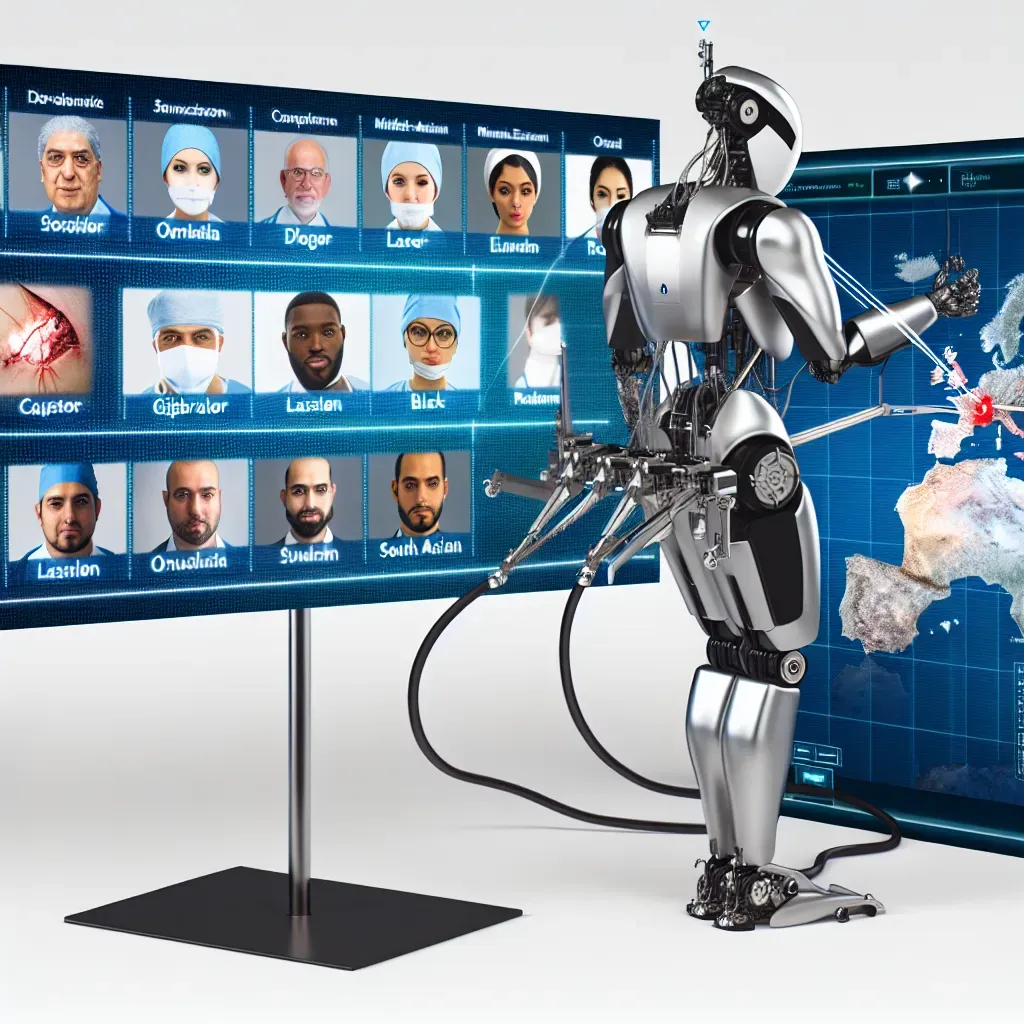
The success of remote surgery hinges on the advanced technologies employed to facilitate seamless communication and operational control during the procedure. The use of a 3D HD camera and sophisticated robotic arms, as demonstrated in the UK’s first long-distance robotic operation, illustrates how technological innovation enhances surgical precision. Additionally, the stability provided by fiber-optic connections paired with backup 5G capabilities ensures that surgeons can operate effectively regardless of physical distance.
These technologies not only enhance surgical outcomes but also allow for constant monitoring and engagement between medical teams in different locations. This collaborative approach underscores the importance of precision and safety in surgical procedures, particularly when they involve remote operations. As these technologies continue to evolve and become more robust, the potential for remote surgery to become a mainstream method of treatment is increasingly promising.
Challenges and Considerations in Remote Robotic Surgery
While the advent of remote robotic surgery presents numerous advantages, several challenges and considerations must also be addressed. One of the primary concerns revolves around the reliability of technology, including the risk of connectivity issues that could impact the surgical procedure. Ensuring uninterrupted communication between the surgeon and the robotic system is critical for patient safety, necessitating robust contingency plans and rigorous testing of technologies prior to operation.
Additionally, there are ethical concerns surrounding patient consent, particularly when surgeries are performed so far away from the surgeon’s physical location. It is essential that patients are fully informed about the process, potential risks, and the technology involved. Building trust and transparency in these innovative surgical practices will be key to their widespread adoption and support from both patients and healthcare professionals.
The Global Impact of Long-Distance Robotic Surgery
Long-distance robotic surgery holds the potential to create a significant global impact by democratizing access to specialized surgical care. With the ability to connect patients in remote areas with expert surgeons, this innovation can effectively reduce healthcare disparities and improve outcomes for populations that have historically been underserved. As healthcare systems begin to embrace these novel technologies, the benefits will stretch far beyond individual procedures to include entire communities that may have lacked access to advanced medical care.
Moreover, the global implications of long-distance robotic surgery can inspire further innovations in healthcare technology. Other countries may look to replicate successful models and invest in developing their telemedicine capabilities, thereby creating a ripple effect that enhances healthcare systems worldwide. As the focus on patient-centered care continues to grow, long-distance robotic surgery could play a pivotal role in crafting more responsive, efficient, and effective healthcare environments around the globe.
Preparing Healthcare Professionals for the Future of Surgery
As the field of surgery transitions toward increased reliance on technologies like robotic systems and telemedicine, there is an urgent need for healthcare professionals to be prepared for this shift. Training programs must evolve to equip surgeons with the skills necessary to operate in remote environments and utilize advanced robotic technologies effectively. Institutions can foster this development by integrating simulation training and hands-on experience with robotic systems into medical curricula.
Furthermore, collaboration among healthcare providers, technology developers, and regulatory bodies will be crucial in establishing standards and best practices for remote surgery. By creating frameworks that promote continual learning and adaptation, the medical community can ensure that practitioners are ready to meet the challenges posed by this new era of surgical innovation. Ultimately, preparing the next generation of healthcare professionals will be vital to harnessing the full potential of remote surgical advancements.
Frequently Asked Questions
What is long-distance robotic surgery?
Long-distance robotic surgery, also known as remote surgery, involves performing surgical procedures from a distance using robotic systems. Surgeons control robotic arms and instruments equipped with cameras from a console, allowing them to operate on patients in remote locations, thereby improving access to healthcare services and reducing travel for patients.
How does robotic surgery enhance remote surgical procedures?
Robotic surgery enhances remote procedures by providing precision and control through advanced robotic systems. Surgeons in one location can manipulate robotic instruments to perform intricate surgeries on patients who are far away—effectively bridging distance and making specialized surgical care available where needed.
What role does telemedicine play in long-distance robotic surgery?
Telemedicine plays a crucial role in long-distance robotic surgery by facilitating real-time communication and data transfer between surgeons and patients. It allows for the monitoring of patients prior to and after surgery, ensuring comprehensive care and follow-up even when the surgical team is physically distant from the patient.
What are the benefits of long-distance robotic surgery for patients in remote areas?
Long-distance robotic surgery offers numerous benefits for patients in remote areas, including reduced travel costs, shorter wait times for surgeries, improved access to specialized healthcare, and the ability to receive advanced surgical care without the need to leave their local community, thereby minimizing the inconvenience associated with traveling long distances for treatment.
How does healthcare technology support long-distance robotic surgeries?
Healthcare technology supports long-distance robotic surgeries through high-speed internet connections, advanced robotic systems like the Toumai Robotic System, and sophisticated imaging tools that allow surgeons to perform complex operations remotely with minimal delay. These technologies ensure that surgeries can be performed safely and effectively, regardless of the geographical distance.
What innovative breakthroughs have been achieved in robotic surgery?
Innovative breakthroughs in robotic surgery include the successful performance of surgeries over long distances, such as recent telesurgery trials that demonstrated the feasibility of remote operations. This includes a historic 4,000-mile robotic stroke procedure and the UK’s first long-distance robotic prostate surgery, highlighting the potential of surgical innovation and its application in improving patient care.
What is the future of long-distance robotic surgery in healthcare?
The future of long-distance robotic surgery in healthcare looks promising, with ongoing advancements in robotic technologies and telemedicine. As more surgeons gain expertise in remote procedures, it is expected that access to surgical care will broaden, particularly for patients in isolated regions. This evolution in surgical methods aims to reshape patient treatment pathways, making specialized surgeries more accessible.
Why is long-distance robotic surgery considered a significant healthcare breakthrough?
Long-distance robotic surgery is considered a significant healthcare breakthrough because it opens new opportunities for delivering high-quality surgical care to patients who might otherwise have limited access. It integrates cutting-edge technology, enhances the capabilities of surgeons, and has the potential to reduce waiting times and improve health outcomes in underserved population areas.
| Key Point | Details |
|---|---|
| First Long-Distance Robotic Surgery | Surgeon performed prostate removal on a patient in Gibraltar from London, marking a UK first. |
| Patient’s Background | Paul Buxton, 62, moved to Gibraltar 40 years ago and was diagnosed with prostate cancer. |
| Benefits of Remote Surgery | Improves access to healthcare for remote areas, potentially saves costs and time for patients. |
| Technology Used | The procedure utilized a 3D HD camera and robotic arms controlled via a console with minimal delay. |
| Future Implications | Dasgupta to perform additional procedures and hopes to expand remote surgery capabilities. |
Summary
Long-distance robotic surgery is revolutionizing how medical treatments can be delivered to patients far from specialized healthcare facilities. The use of advanced technology allows surgeons to operate from thousands of miles away, ensuring that patients in remote areas receive timely and high-quality medical attention without the need for extensive travel. This innovative approach not only has the potential to provide immediate medical benefits but also signifies a major step towards improving healthcare accessibility in underserved regions.